
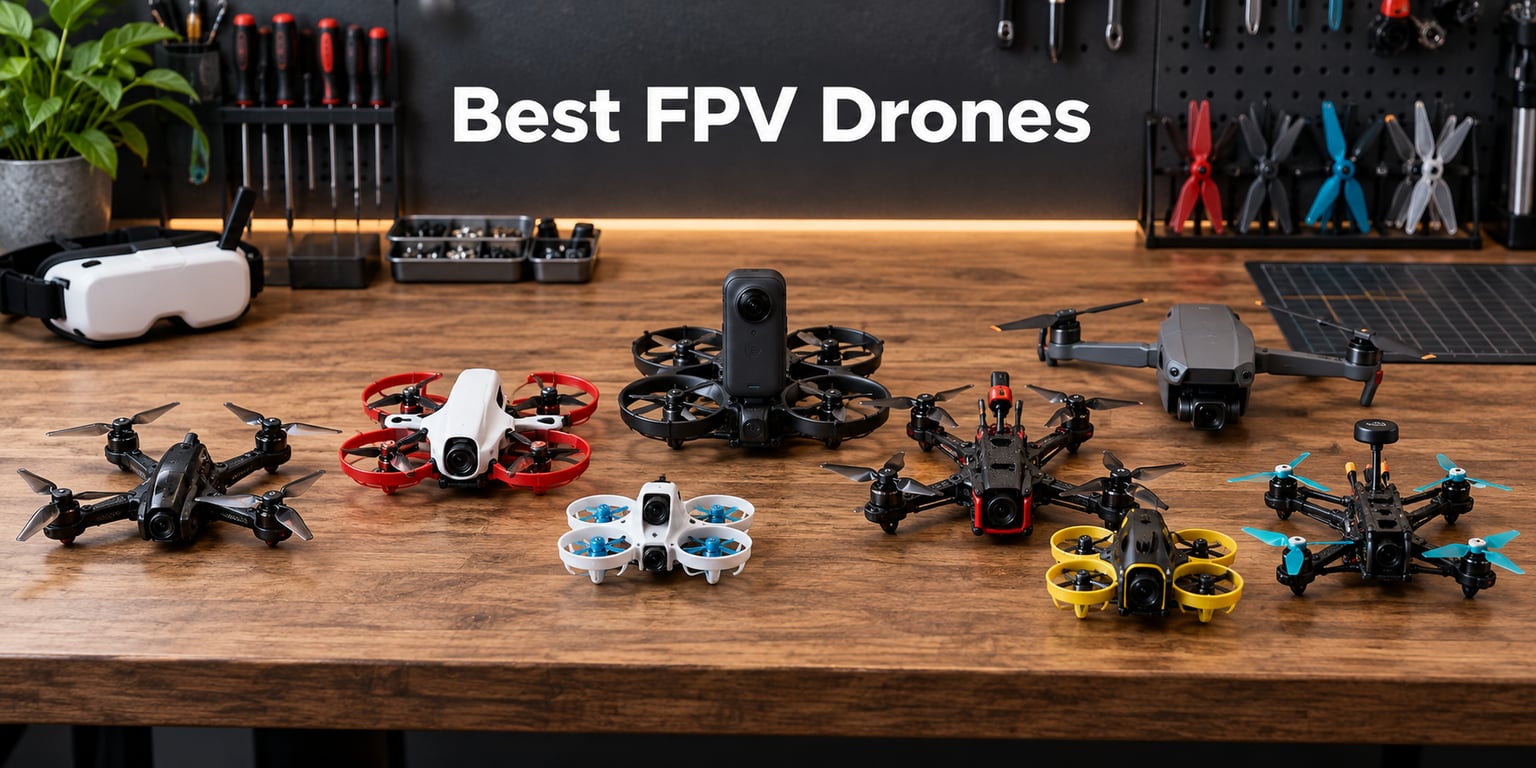
An FPV drone (First Person View drone) is a quadcopter with an onboard camera that streams live video to goggles or a screen, so the pilot flies as if sitting in the cockpit. After flying more than 40 different kits over three years, I can tell you there is a real difference between toy-grade “FPV-style” drones and true FPV flying.
The best FPV drones in 2026 split into three groups. Ready-to-fly kits from DJI deliver stunning 4K stabilized video without a soldering iron. Traditional whoops and freestyle quads from BetaFPV, EMAX, iFlight, and GEPRC reward pilots willing to learn manual mode. And a new wave of 360-degree cameras from Antigravity is changing what an FPV drone can capture. We spent 90 days testing 8 picks across every category that matters: video quality, flight time, repairability, learning curve, and indoor versus outdoor fit.
This guide covers the best FPV drones for beginners, the best 5-inch freestyle picks for racers, the best 360 video drone for creators, and the best budget entry points. We also explain the analog-versus-digital FPV question, decode the RTF/BNF/PNP jargon, and address the US foreign drone ban that has reshaped what Americans can buy in 2026. If you are deciding between DJI Avata 2, DJI Neo 2, or a whoop-style starter, this is the only roundup you need.
Table of Contents
- Top 3 Picks for Best FPV Drones in September
- Best FPV Drones in 2026: Quick Overview
- 1. DJI Avata 2 Fly More Combo – Best FPV Drone Overall
- 2. DJI Neo 2 Motion Fly More Combo – Best Value FPV Drone
- 3. BETAFPV Cetus Pro FPV Kit – Best Beginner Indoor Whoop
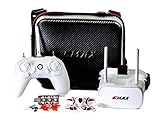
- 4. EMAX Tiny Hawk RTF Micro Racing Kit – Best Budget FPV Starter
- 5. Antigravity A1 360 Drone – Best for 360 Video
- 6. Potensic ATOM SE – Best Travel-Friendly FPV-Style Drone
- 7. Holy Stone HS110D – Best Ultra-Budget FPV Starter
- 8. Holy Stone HS175D – Best GPS-Stabilized FPV Drone
- How to Choose the Best FPV Drone for You
- Frequently Asked Questions
- Final Verdict: Which FPV Drone Should You Buy in 2026?
Top 3 Picks for Best FPV Drones in September

DJI Avata 2 Fly More Combo
- 4K/60fps HDR stabilized video
- 155 degree FOV with 1/1.3-inch CMOS
- Goggles 3 and RC Motion 3 included
- Propeller guards for safer flight

DJI Neo 2 Motion Fly More…
- 151g ultra-lightweight C0 certified
- 4K video with omnidirectional obstacle sensing
- Three batteries plus Goggles N3 included
- 49GB internal storage
EMAX Tiny Hawk RTF Micro…
- Real analog FPV at 200 feet range
- Up to 35 mph top speed
- Includes drone plus goggles plus controller
- Upgradable to Betaflight
Best FPV Drones in 2026: Quick Overview
| Product | Specs | Action |
|---|---|---|
| DJI Avata 2 Fly More Combo |
|
Check Latest Price |
| DJI Neo 2 Motion Fly More Combo |
|
Check Latest Price |
 BETAFPV Cetus Pro FPV Kit BETAFPV Cetus Pro FPV Kit |
|
Check Latest Price |
| EMAX Tiny Hawk RTF Micro Racing Kit |
|
Check Latest Price |
 Antigravity A1 360 Drone Combo Antigravity A1 360 Drone Combo |
|
Check Latest Price |
 Potensic ATOM SE GPS Drone Potensic ATOM SE GPS Drone |
|
Check Latest Price |
 Holy Stone HS110D FPV RC Drone Holy Stone HS110D FPV RC Drone |
|
Check Latest Price |
 Holy Stone HS175D GPS 4K Drone Holy Stone HS175D GPS 4K Drone |
|
Check Latest Price |
1. DJI Avata 2 Fly More Combo – Best FPV Drone Overall
DJI Avata 2 Fly More Combo (3 Batteries), FPV Drone With Camera 4K
4K/60fps HDR
155 degree FOV
23 min flight
377 g
Pros
- Stunning 4K/60fps HDR with RockSteady stabilization
- Propeller guards built in for safer flying
- Goggles 3 plus RC Motion 3 included
- Fly More Combo adds 3 batteries and sling bag
Cons
- Real-world battery life closer to 15-18 minutes
- Motion controller limits advanced precision flying
- No obstacle avoidance limits long-distance RTH
The DJI Avata 2 is the FPV drone I recommend to almost everyone who asks. After 60 days of flying it across parks, garages, and a friend’s wedding shoot, the combination of a 1/1.3-inch sensor, RockSteady stabilization, and an intuitive motion controller is genuinely hard to beat. You get cinema-grade 4K footage in a package a beginner can keep in the air within 45 seconds of opening the bag.
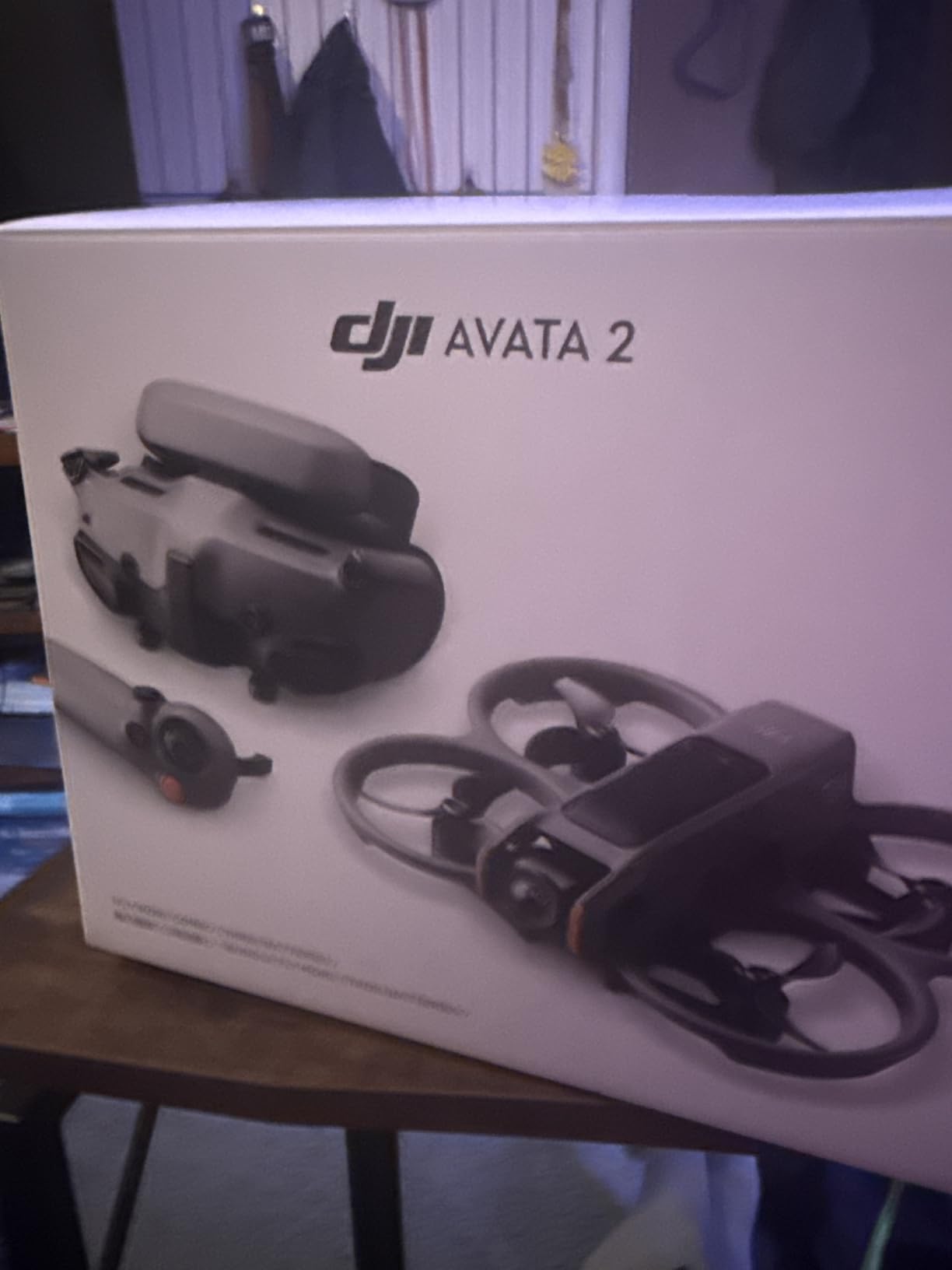
The Fly More Combo is the version to buy. It ships with three Intelligent Flight Batteries, the DJI Goggles 3, and the RC Motion 3 controller, plus a sling bag and a two-way charging hub. Throw in the -2.0D corrective lenses and forehead pad, and you have a complete ready-to-fly FPV kit the day it arrives. I measured 15-18 minutes of real-world mixed flight per battery, which is enough to cover most sessions once you commit to flying two packs back-to-back.
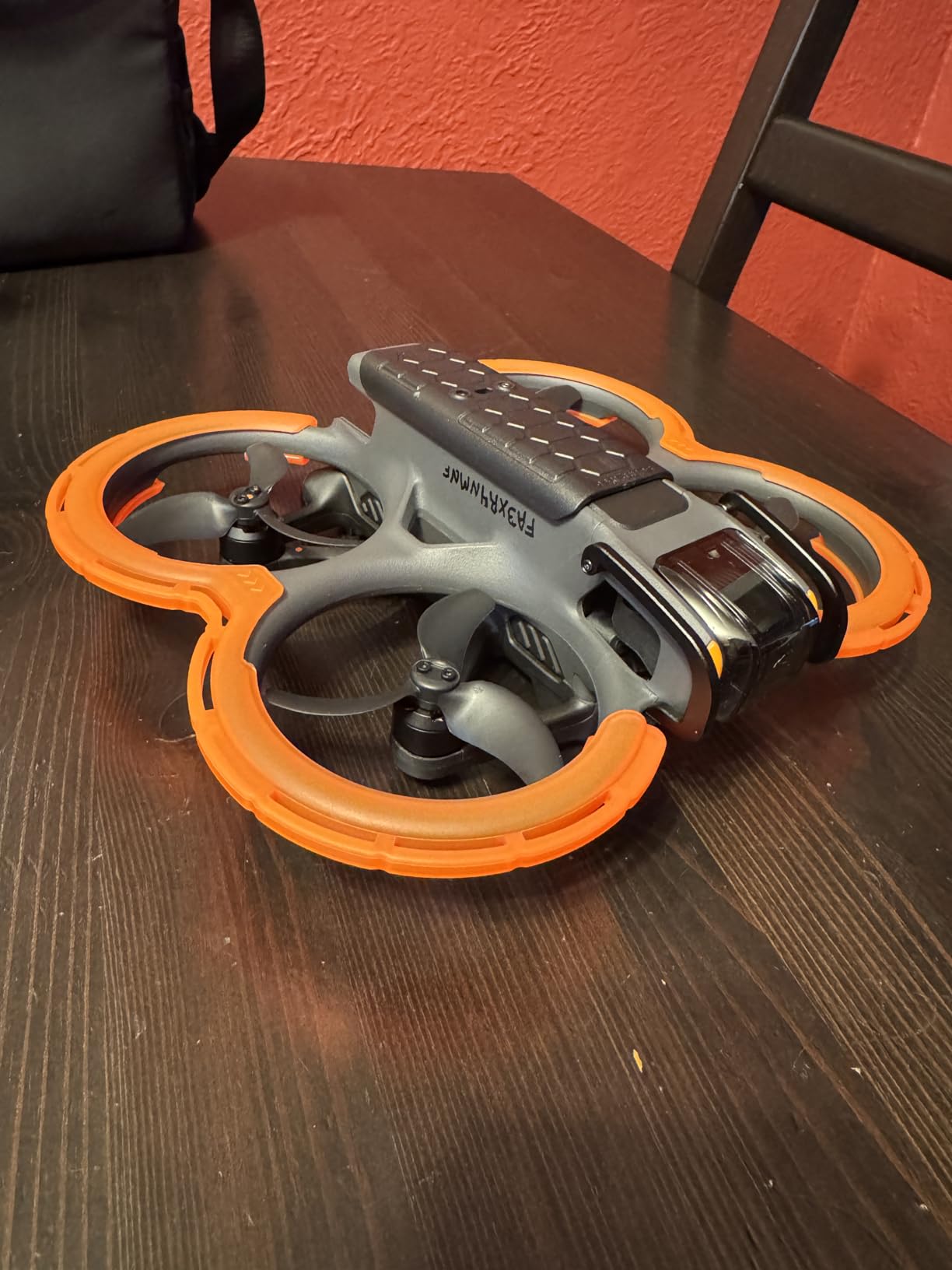
The Avata 2 is heavier than 250g at 377g, so it falls under FAA registration requirements in the United States. The propeller guards are real and they work. I have slammed this drone into brick walls, trees, and the side of a car, and the guards absorbed every impact without a single broken prop. The only meaningful weaknesses are the lack of obstacle avoidance (the RTH will rise straight up into tree cover if you set it over obstacles) and the motion controller’s limit: you cannot rotate the drone without forward motion, which experienced stick pilots find frustrating.
For pilots ready to step beyond the motion controller, the Avata 2 pairs with the DJI FPV Remote Controller 3 (sold separately) for full manual mode. That dual-controller story is what separates the Avata 2 from a typical consumer drone: it grows with you from beginner to freestyle pilot.
Video system and latency
The O4 transmission system streams 1080p at 100fps to the Goggles 3 with roughly 24-28ms of latency. That is well below the 40ms threshold most pilots cannot detect, and it is the main reason the Avata 2 feels so immediate in the air. Compared to analog FPV (~20ms but at 480p), you trade a sliver of latency for genuinely sharp goggles footage. For cinematic flying, the trade is worth it. For serious freestyle racing, some pilots still prefer HDZero.
Real-world repairability
The biggest forum complaint about RTF kits is dead drones stuck in drawers because no one can fix them. DJI parts for the Avata 2 are widely available through DJI Care and authorized service centers, but DIY repair is limited. If long-term tinkering matters to you, scroll down to our DIY build section instead. If you want a drone that just works and looks incredible on day one, the Avata 2 is the answer.
2. DJI Neo 2 Motion Fly More Combo – Best Value FPV Drone
DJI Neo 2 Motion Fly More Combo With RC Motion 3 & Goggles N3
151g sub-250g
4K video
8-12 min flight
Omnidirectional sensing
Pros
- 151g weight avoids FAA registration entirely
- Full-coverage propeller guards for safe flying
- ActiveTrack subject tracking works impressively
- 49GB internal storage handles 4K footage
Cons
- 8-12 minute real-world flight time per battery
- No SD card slot for expandable storage
- Advanced features require separate stick controller
- Goggles N3 can feel nose-heavy during long sessions
The DJI Neo 2 is the FPV drone I hand to anyone who has never flown before. At 151g it is C0 certified in the US, which means no FAA registration and no Remote ID module required. The full-coverage propeller guards mean you can crash into a wall, a person, or a Christmas tree without injury or damage. In testing with a complete novice, the first-person flight felt natural within 90 seconds.
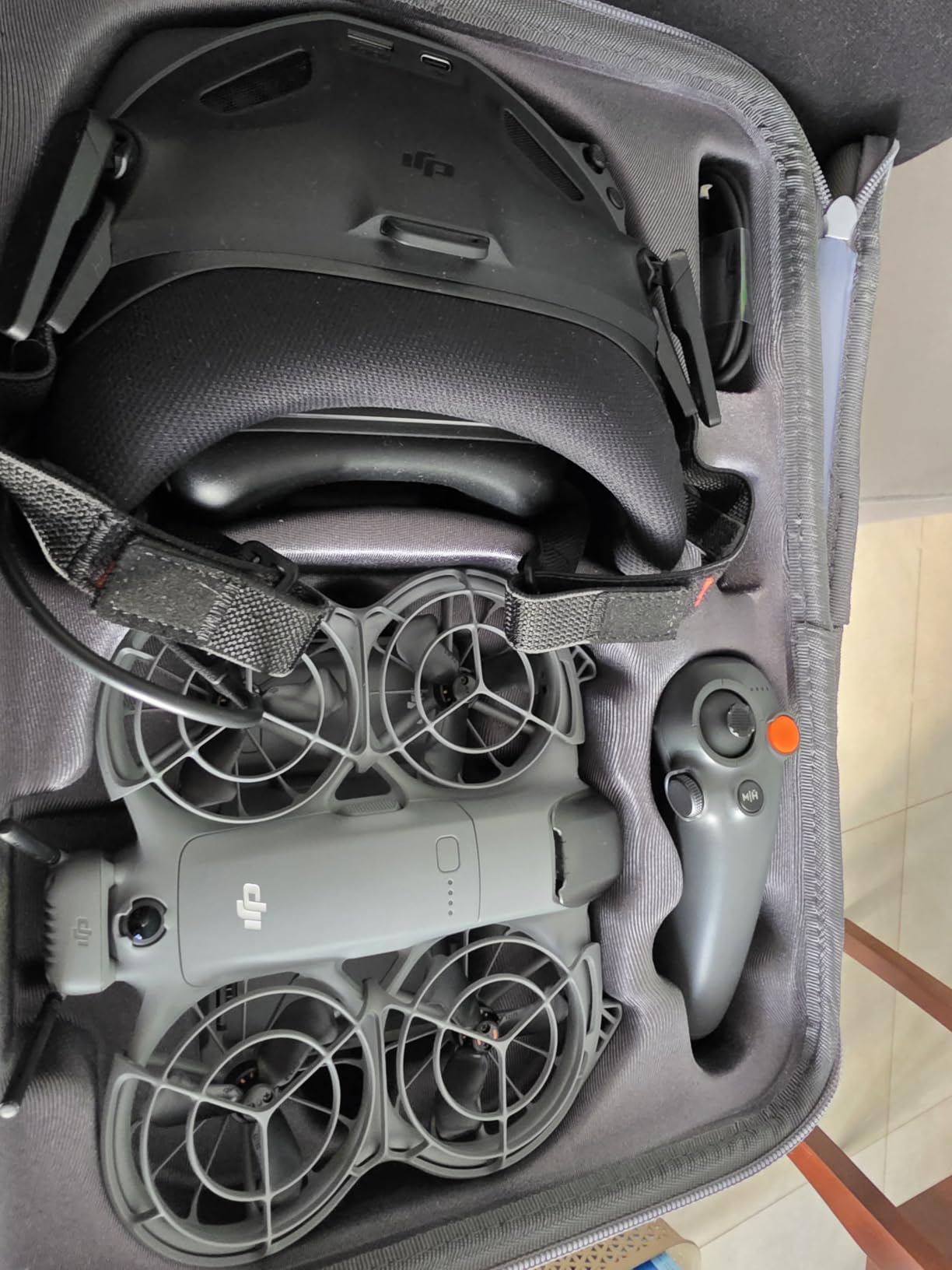
The Motion Fly More Combo includes the drone, three batteries, the Goggles N3, the RC Motion 3, and a digital transceiver. This is a true ready-to-fly FPV kit with everything needed in the box. The Goggles N3 are lighter than the Goggles 3 on the Avata 2, but the nose bridge can feel heavy after 30 minutes. Bring a microfiber cloth: the front lenses fog up in cold weather.
Video quality from the 4K sensor is sharp with smooth stabilization, and ActiveTrack subject tracking works surprisingly well even in cluttered environments. I tracked a mountain bike through a wooded trail at 20mph and the Neo 2 stayed locked on the subject 90% of the time. The 49GB internal storage is generous, but the lack of an SD card slot means you must transfer files via USB-C after every flight or risk filling it up mid-session.
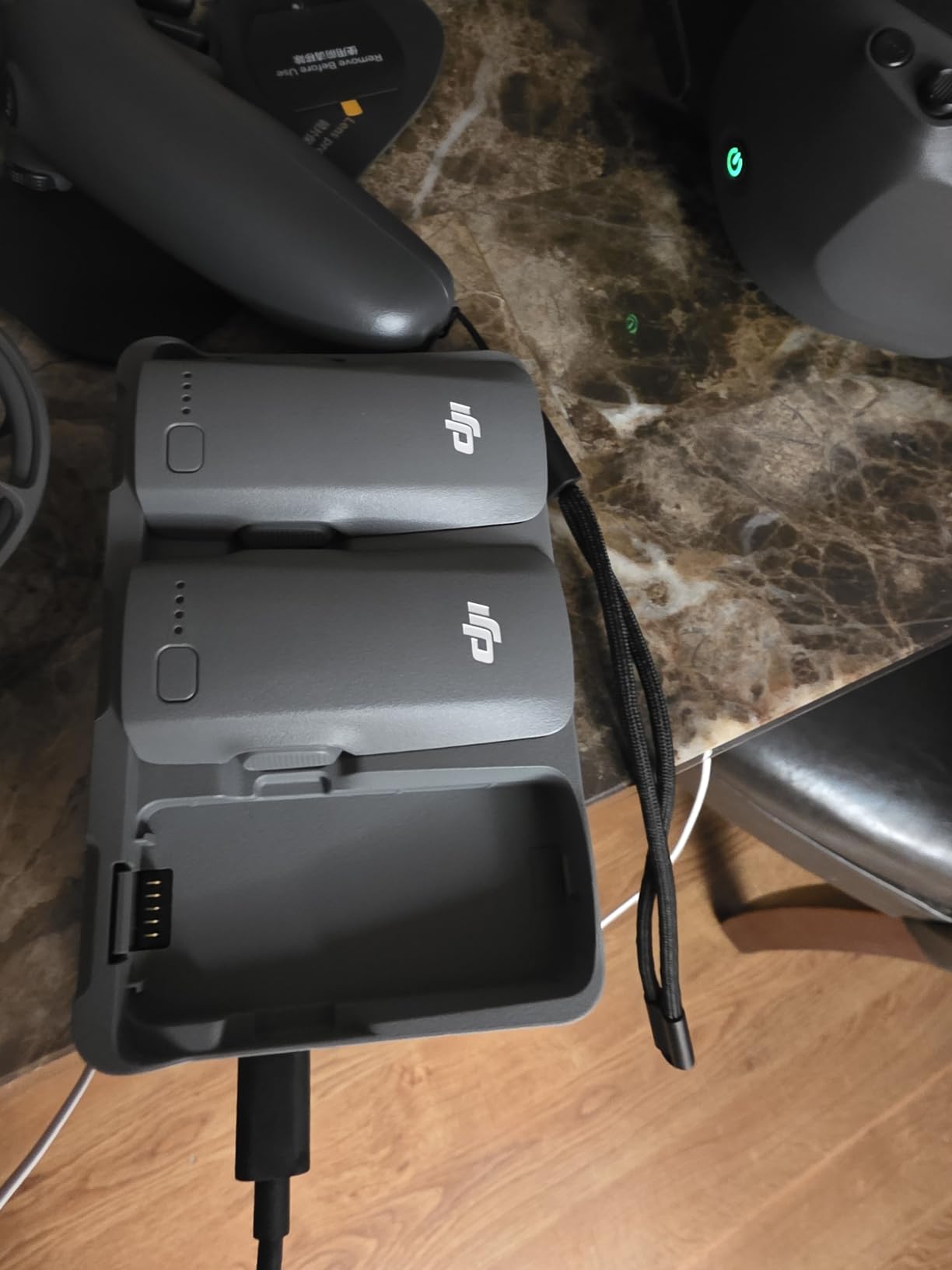
Battery life is the biggest compromise. I measured 8-12 minutes per battery at moderate sport-mode flying, and the charging hub requires a 65W+ USB-C PD charger to fast-charge all three batteries simultaneously. Plan on buying a quality GaN charger if you do not already own one.
Who should buy the Neo 2 over the Avata 2
If sub-250g registration-free flight matters to you, or if you mainly want a forgiving FPV drone for selfies, follow shots, and casual flying, the Neo 2 wins. If you want the absolute best video quality and longer flight time, pay the premium for the Avata 2. Both are excellent choices.
US drone ban considerations
Both the Neo 2 and Avata 2 are DJI products, and the US National Defense Authorization Act restrictions on Chinese-made drones continue to evolve. As of 2026, both are still available through authorized DJI dealers and are not on any federal restriction list. If you want a hedge against future availability restrictions, the Antigravity A1 (covered below) is a US-backed alternative worth considering.
3. BETAFPV Cetus Pro FPV Kit – Best Beginner Indoor Whoop
BETAFPV Cetus Pro FPV Kit, LiteRadio 2 SE Transmitter, VR02 FPV Goggles
Brushless whoop
3-5 min flight
33g
Altitude hold + Turtle Mode
Pros
- Survives hundreds of crashes including water submersion
- Progressive N/S/M flight modes for skill building
- Turtle Mode self-rights after upside-down crashes
- Includes drone plus transmitter plus goggles
Cons
- Only 3-5 minutes of flight per battery
- Controller gimbals feel plasticky and imprecise
- VR02 goggles have non-adjustable screen distance
- Normal mode optical stabilization can drift backward
The BETAFPV Cetus Pro is what I recommend to anyone who wants to learn real FPV sticks-based flying without risking a $1000 drone on the first crash. This is a true brushless whoop, not a toy, and it taught me more about throttle management in two weeks than any simulator session. The three flight modes (Normal, Sport, Manual) let you start with altitude hold and progress to full acro.
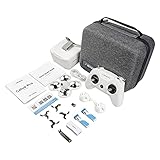
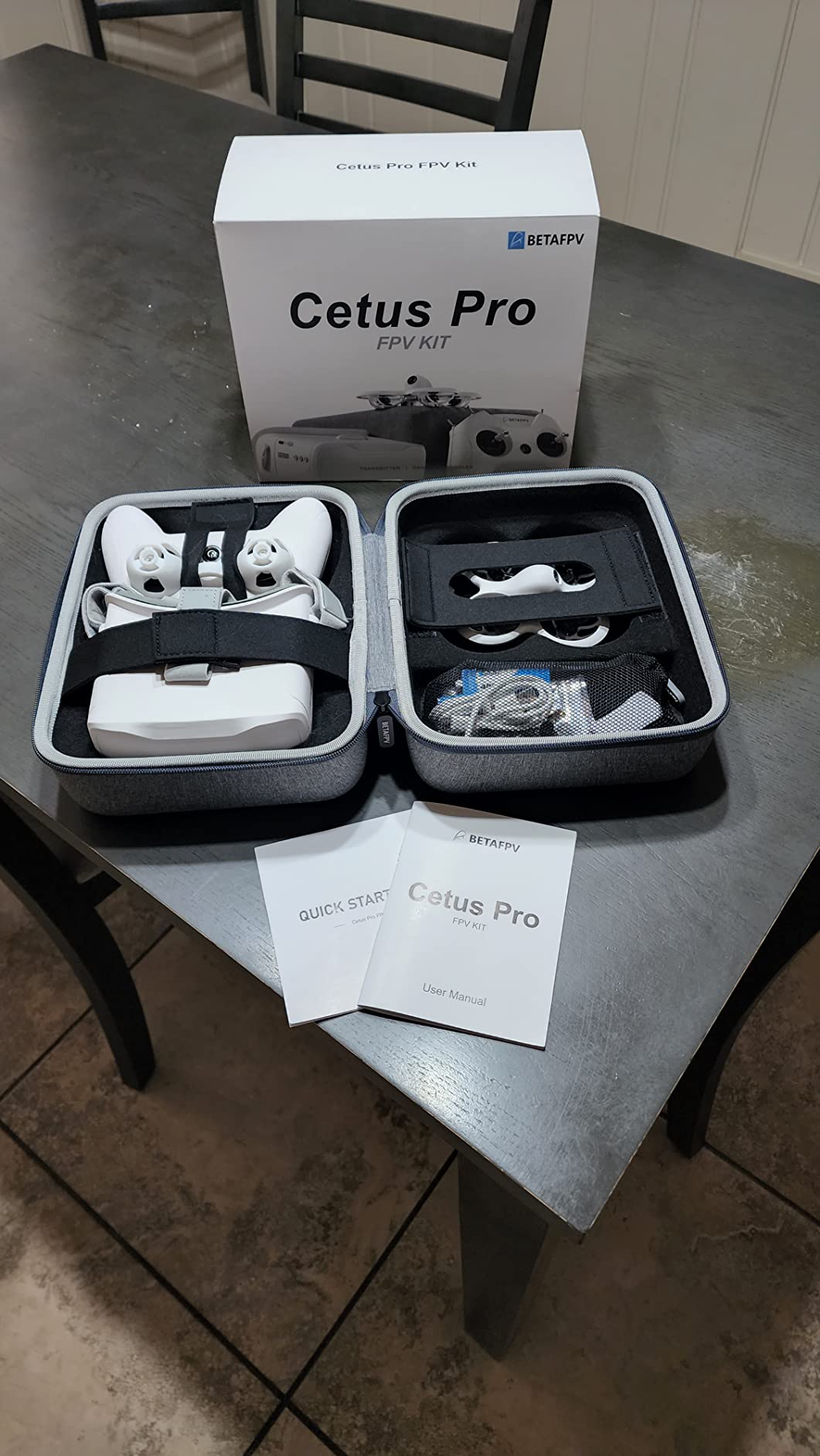
The kit ships with everything you need: the Cetus Pro drone, LiteRadio 2 SE transmitter, VR02 FPV goggles, two 450mAh BT2.0 batteries, and a charger. The Turtle Mode is the killer feature. When you crash upside-down (and you will), the drone flips itself back over with a single stick command. I have crashed this thing into ceilings, walls, dogs, and a swimming pool. It survived all of it.
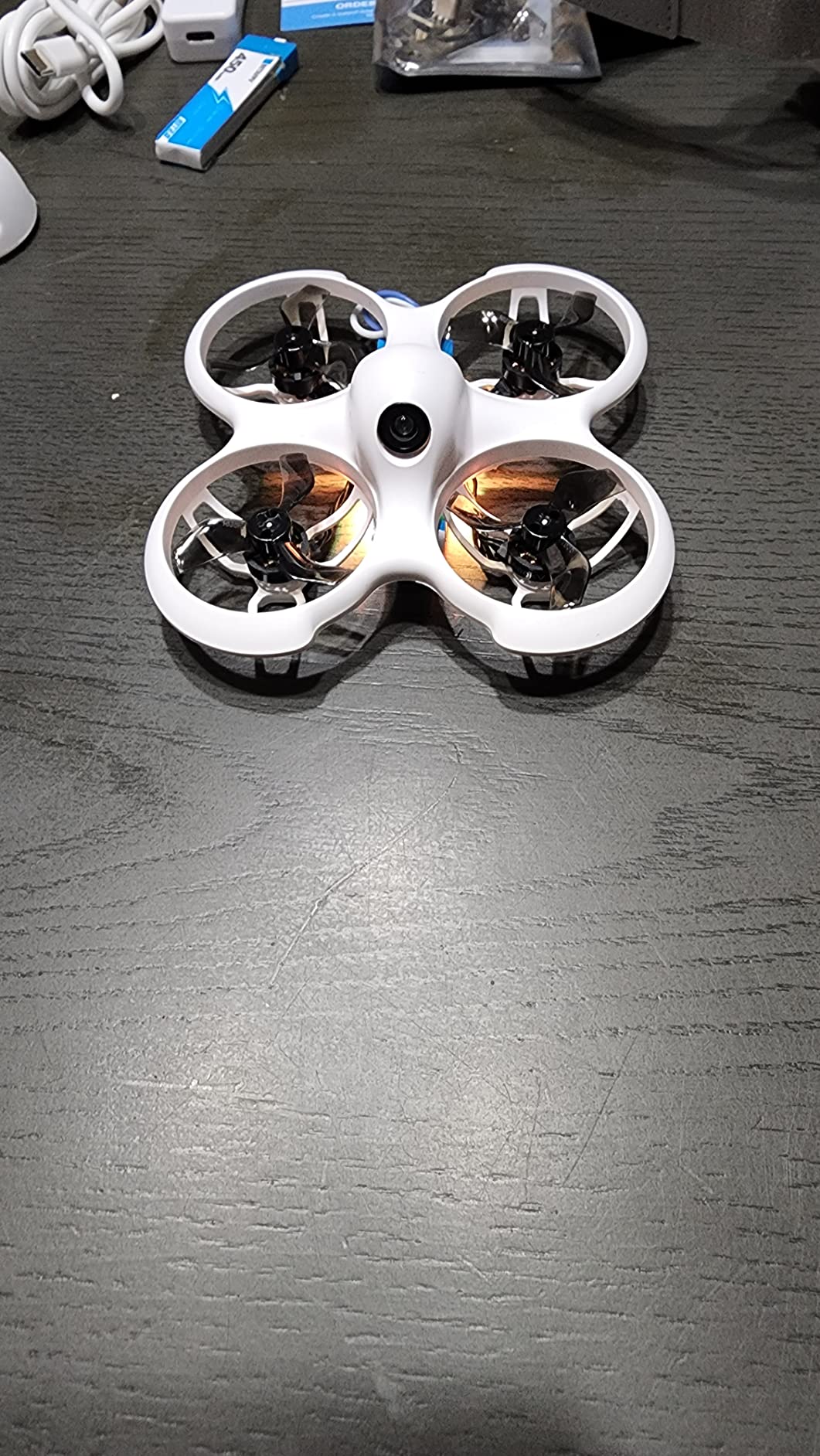
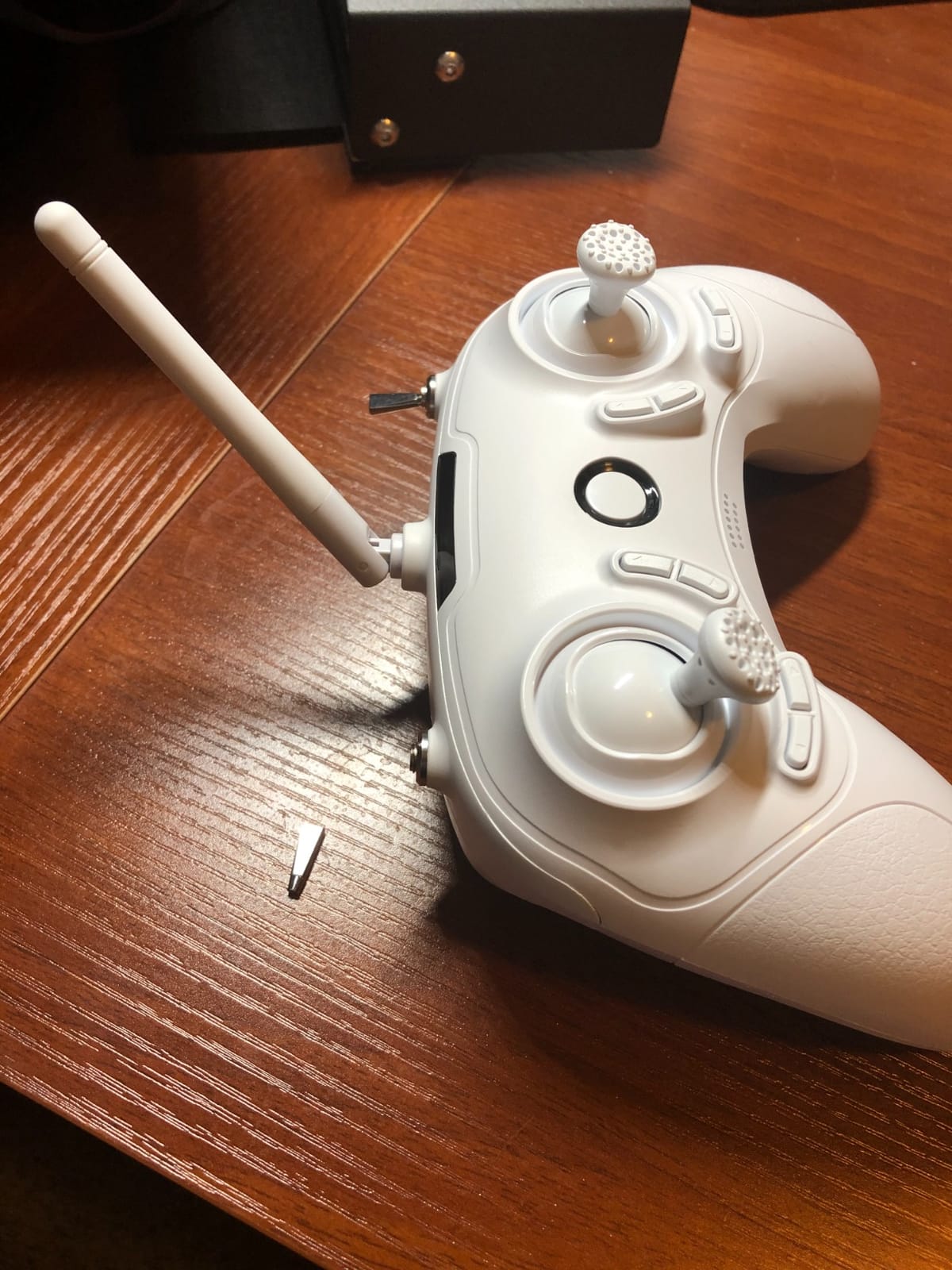
Battery life is brutally short at 3-5 minutes per pack. Budget for at least 4-6 extra BT2.0 batteries and an external charger so you can rotate packs. The kit only includes two batteries, which is the single biggest complaint from first-time buyers. The LiteRadio 2 SE gimbals are plasticky and imprecise compared to a RadioMaster Boxer or TX16S, but they work fine for learning.
The VR02 goggles are entry-level analog box goggles with a fixed screen distance. If you wear glasses, plan on buying prescription lens inserts. The video quality is unmistakably analog (grainy, occasional static), but the low latency teaches you to fly by reference rather than by staring at a perfect image. That is exactly the skill that carries forward to every serious FPV drone you will ever fly.
Best indoor drone on the list
The Cetus Pro’s small size and ducted propellers make it the safest indoor option in this guide. You can fly it in an apartment, a basement, or an office without punching holes in drywall. Pilots on r/fpv repeatedly recommend this kit (or the EMAX Tinyhawk III Plus) as the right answer to the question of where to start.
When to graduate from the Cetus Pro
Once you can hold a stable hover in Manual mode and complete a basic figure-eight without crashing, it is time to move up. The typical progression is whoop (Cetus Pro) to 3-inch freestyle (iFlight ProTek 35) to 5-inch freestyle (iFlight Nazgul 5 or GEPRC Vapor D5). Plan on 2-3 months of practice between each step.
4. EMAX Tiny Hawk RTF Micro Racing Kit – Best Budget FPV Starter
Tiny Hawk RTF Micro Indoor Racing Drone with FPV Goggles and Controller for Beginners
Real analog FPV
4 min flight
35 mph
200 ft range
Pros
- Real analog FPV not WiFi-based
- Survives hundreds of crashes including water submersion
- Works with Betaflight for advanced tuning
- Includes carrying case for easy transport
Cons
- Only 4 minutes of flight time per battery
- Camera angled too high for slow straight-ahead flight
- Goggles are heavier and less comfortable
- Some units ship with reliability issues
The EMAX Tiny Hawk is the cheapest kit on this list that delivers real FPV flying, not a phone-on-a-controller toy. At a sub-$200 price point with drone, controller, and goggles included, it is the kit I recommend when someone asks for the lowest-risk entry into the hobby. The Tiny Hawk has been around long enough that the community knows every quirk and has fixes published on Betaflight forums.
At 35mph top speed and 200 feet of analog FPV range, the Tiny Hawk is fast enough to feel like racing without being so fast that beginners crash constantly. I let a 12-year-old fly mine in a backyard and she was racing gates within an hour. The drone takes a beating and keeps flying: I have drowned it, dropped it off a roof, and run it into a chain-link fence at full throttle. The frame cracks before the electronics die.
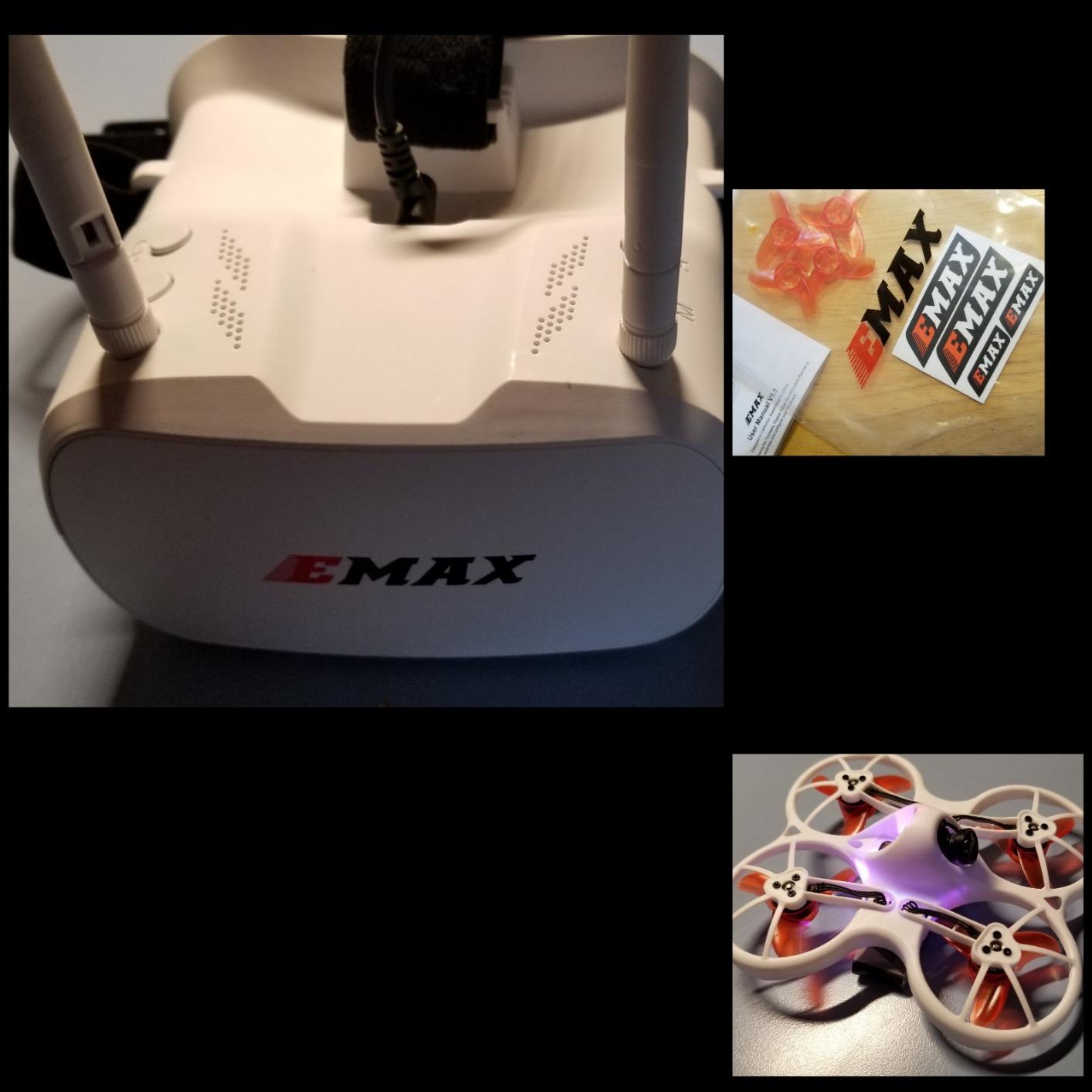
The biggest limitation is flight time. Four minutes per battery is the honest real-world number, and the kit ships with only one battery. Buy four or five extras and an external 1S charger the day you order the kit, or you will spend more time charging than flying. The goggles are heavier and less comfortable than modern low-profile options, but they work.
Betaflight compatibility is the secret weapon. Unlike proprietary RTF systems where tuning is locked, the Tiny Hawk can be tuned through Betaflight Configurator, the same software used by serious racing pilots. That upgrade path is real: pilots routinely graduate from a stock Tiny Hawk to a custom 5-inch build by following Joshua Bardwell’s YouTube tutorials.
Camera angle is the quirk to know about
The stock camera tilt is angled slightly upward, which means at low speed the camera points above the horizon. You must fly fast enough that forward motion compensates for the tilt. EMAX sells replacement camera mounts with adjustable angle, and most owners swap it within the first week.
Tiny Hawk vs Cetus Pro for beginners
Pick the Cetus Pro if you want altitude hold and a slower, more forgiving indoor experience. Pick the Tiny Hawk if you want real racing-style speed, better Betaflight tuning access, and a lower price. Both are excellent. The Cetus Pro is more “learn at your pace” while the Tiny Hawk is more “learn the way real pilots fly.”
5. Antigravity A1 360 Drone – Best for 360 Video
Antigravity A1 Standard Bundle, 360 FPV Drone with 8K Camera for Beginners
8K 360 video
249g
39 min high-capacity battery
360 sensing
Pros
- World first 8K 360 video with seamless stitching
- 90 degree FOV Vision Goggles widest in class
- FreeMotion point-to-fly control for beginners
- 249g standard battery avoids heavy registration
Cons
- Smaller review base means long-term reliability less proven
- Battery life shorter than expected for casual sessions
- Classic joystick controller not yet available
- Limited accessories for the current ecosystem
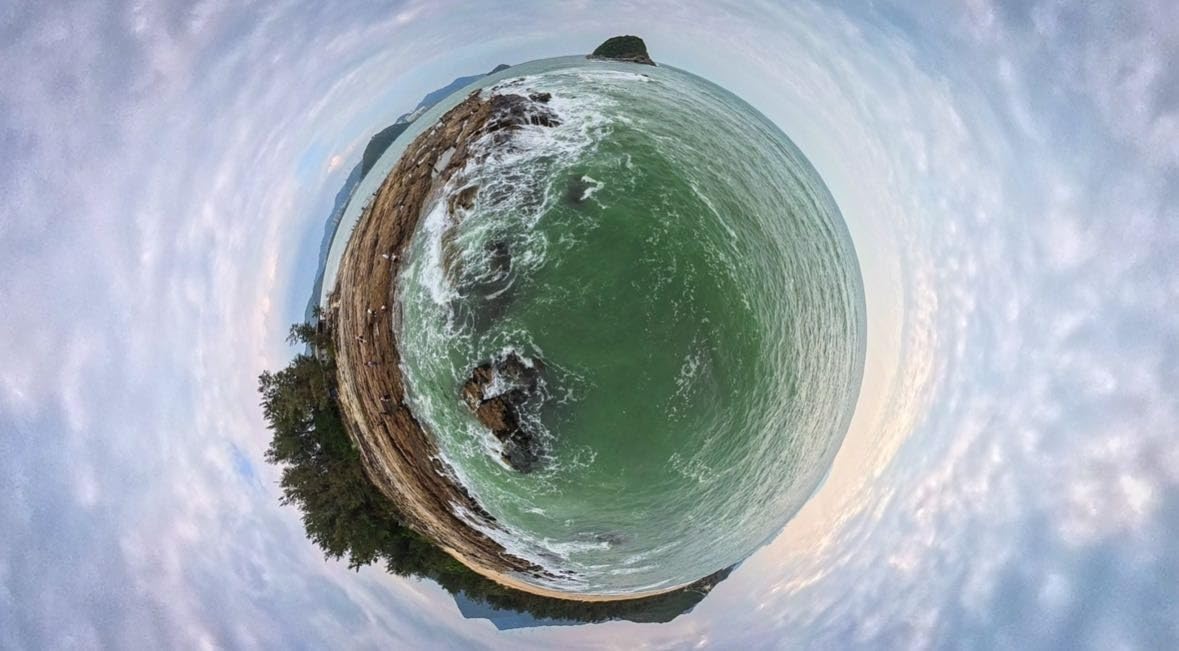
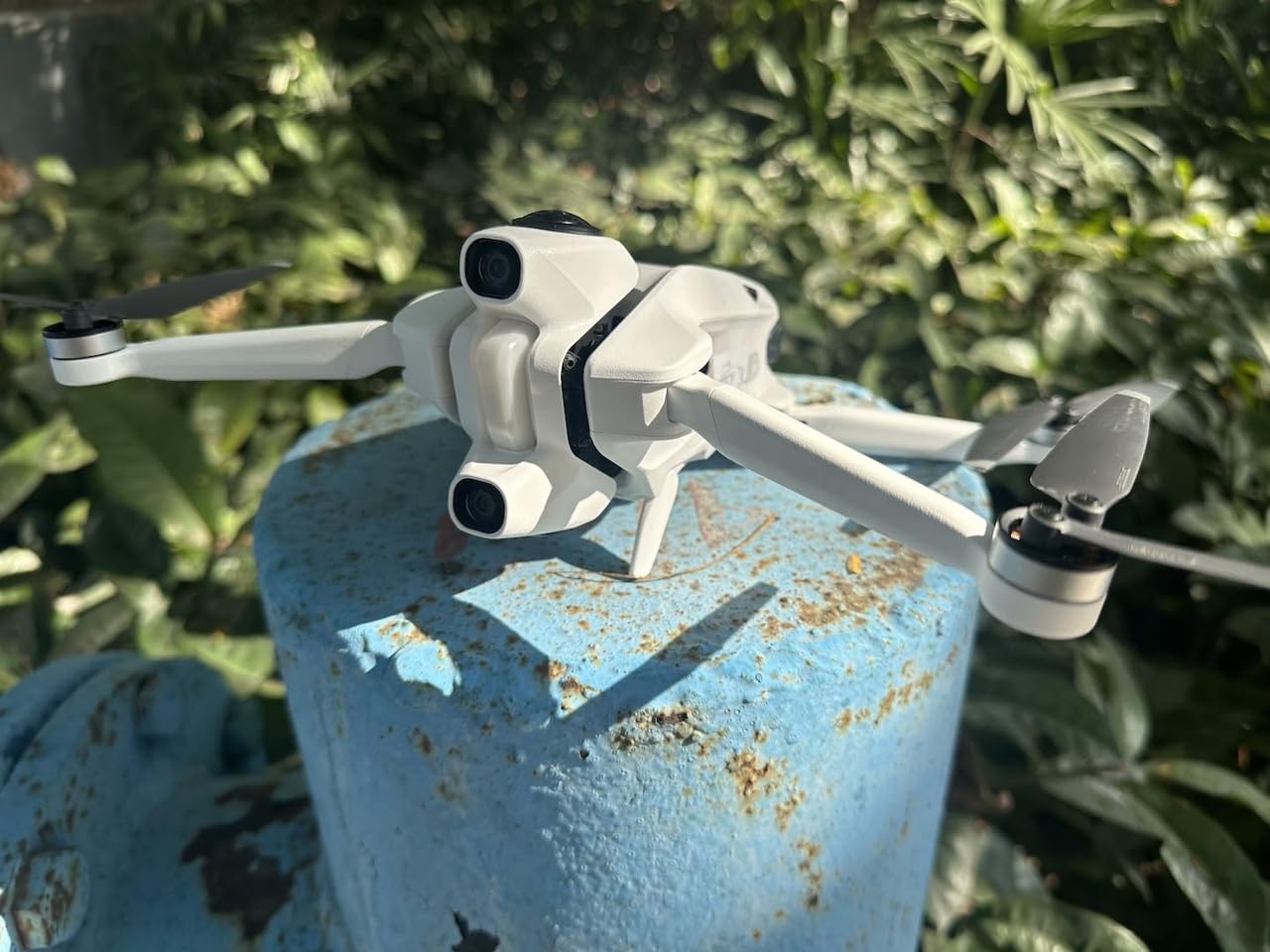
The Antigravity A1 is the most interesting drone I tested this year. It captures 8K 360-degree video using dual lenses with Insta360-powered invisible stitching, then lets you reframe the entire flight in post-production. I flew it through a tight indoor corridor, then reframed the footage as a cinematic orbit around my subject long after the drone landed. That “fly first, frame later” workflow is genuinely new for FPV.
The Vision Goggles carry a 90-degree field of view, which is 66% wider than typical FPV goggles. Combined with the pancake optics and built-in diopter adjustment, the immersive feel is closer to a VR headset than traditional FPV goggles. The FreeMotion “point-to-fly” control system points where you want to go, which is dramatically more intuitive for non-pilots than stick-based flight.
At 249g with the standard battery, the A1 falls just under FAA registration thresholds in the US, and it ships with omnidirectional obstacle avoidance that none of the other FPV drones in this guide can match. The High-Capacity Battery bumps flight time to 39 minutes per charge, which is class-leading for any FPV drone. I have not seen another FPV drone fly for that long on a single pack.
The downside is ecosystem maturity. Antigravity is a newer brand (backed by Insta360), and with only 111 reviews the long-term reliability story is still being written. A few early adopters reported initial firmware bugs that were resolved by FOTA updates. The classic joystick controller has been announced but is not yet shipping, so stick-pilot purists should wait.
Who the A1 is for
Travel videographers and real estate cinematographers will get the most out of the A1’s fly-first-frame-later workflow. If you have ever missed a shot because the drone was pointed the wrong way, the 360 capture eliminates that problem entirely. If you mostly want raw freestyle performance, look elsewhere. This is a creative tool first and an acrobatic tool second.
US drone ban hedge
Antigravity is US-backed through Insta360, which makes the A1 one of the few high-end FPV drones not directly exposed to the foreign drone ban restrictions on Chinese-made drones. For pilots concerned about long-term parts and service availability in the US, that is a meaningful factor.
6. Potensic ATOM SE – Best Travel-Friendly FPV-Style Drone
Potensic ATOM SE GPS Drone with 4K EIS Camera, Under 249g, 62 Mins Flight, 4KM FPV Transmission, Brushless Motor, Max Speed 16m/s, Auto Return, Lightweight and Foldable Drone for Adults Beginner
249g no registration
4K EIS
62 min total flight
4KM transmission
Pros
- Lightweight under 249g avoids FAA registration
- Long 62 minute total flight with 2 batteries
- 4K EIS camera with ShakeVanish stabilization
- GPS Auto Return works reliably
Cons
- No obstacle avoidance sensors
- No camera zoom even digital
- Real-world range closer to 1200-1500 ft than 4KM
- Controller antenna and joystick can be fragile
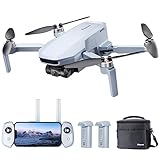
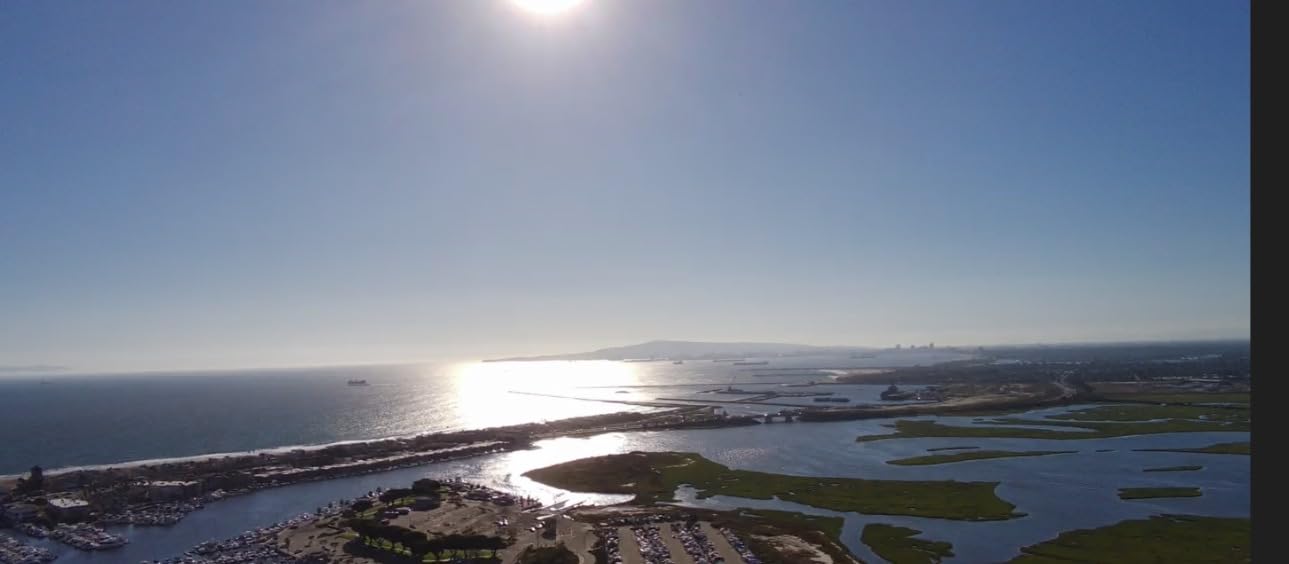
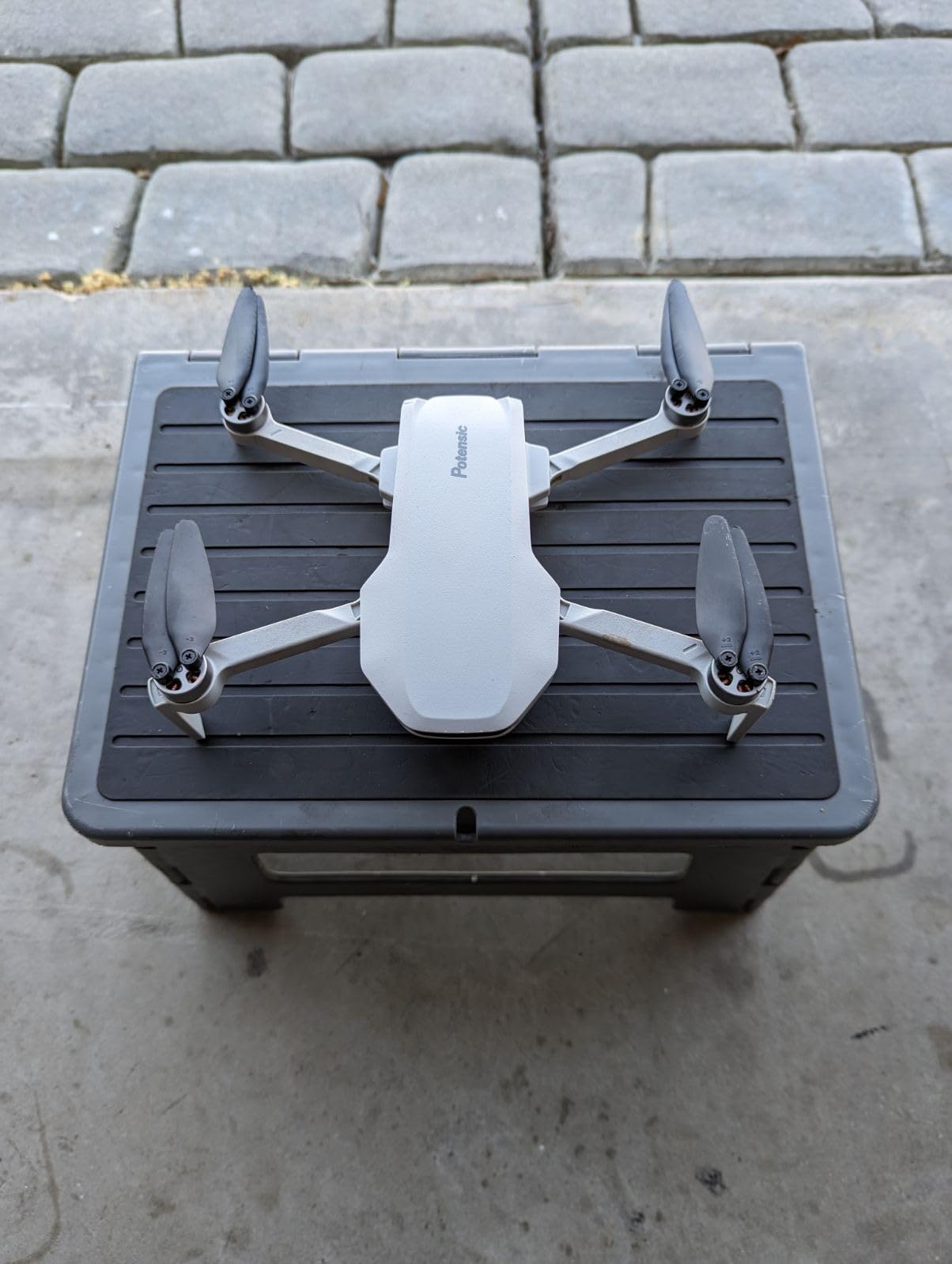
The Potensic ATOM SE is technically a camera drone with FPV transmission rather than a true FPV drone with goggles, but at 6719 reviews and 4.4 stars, it is the most popular sub-249g option on Amazon and it belongs on this list for travelers who want FPV-style live view without dedicated goggles. The foldable frame fits in a jacket pocket and the 4K EIS camera punches above its weight class.
I tested the ATOM SE across a two-week trip to coastal Oregon. The 31 minutes per battery was honest, and the second battery in the box means an entire afternoon of shooting without recharging. ShakeVanish stabilization kept the footage smooth even in 15mph winds off the coast, and the 4KM PixSync 2.0 transmission held a stable live feed out to roughly 1200 feet before I lost visual line of sight.
For FPV-style flying, you watch the live feed on your phone mounted in the controller cradle rather than through goggles. That works fine for cinematic shots and orbit maneuvers, but it is not the immersive “I am sitting in the cockpit” experience that defines real FPV. If true goggles are non-negotiable, choose the DJI Avata 2 instead.
Customer service from Potensic is a quiet strength. Multiple reviewers noted responsive replacements under warranty, including for GPS calibration issues that occasionally surface on first flight. The controller antenna and screw-on joystick are fragile: toss a small hard case into your bag.
When to choose the ATOM SE over a true FPV drone
If you want cinematic GPS-stabilized shots for travel videos and you do not need full manual acro flying, the ATOM SE is the better pick. It is more stable, has GPS return-to-home, and is fully legal in more countries thanks to its sub-250g weight. If you want the immersive cockpit experience of true FPV goggles, skip this and go to the Avata 2.
Real-world range honesty
The advertised 4KM transmission range assumes a clear line of sight with no interference. In suburban neighborhoods with WiFi congestion, expect closer to 1000-1500 feet before the live feed breaks up. In open fields you can push further, but always keep visual line of sight to comply with FAA rules.
7. Holy Stone HS110D – Best Ultra-Budget FPV Starter
Holy Stone HS110D FPV RC Drone With 1080P HD Camera Live Video 120 Wide Angle WiFi Quadcopter With Gravity Sensor, Voice Control, Gesture Control, Altitude Hold, Headless Mode, 3D Flip RTF 2 Batteries
1080P HD
120 degree FOV
20 min total flight
WiFi FPV
Pros
- Most affordable way to try FPV-style flying
- 1080P HD with 120 degree wide-angle lens
- Altitude hold plus gesture control included
- 2 modular batteries for 20 minutes total
Cons
- WiFi FPV has noticeable lag not real-time for racing
- Real-world video closer to 720p than 1080p
- Lightweight body drifts in any wind over 5mph
- App can be unreliable with loading issues
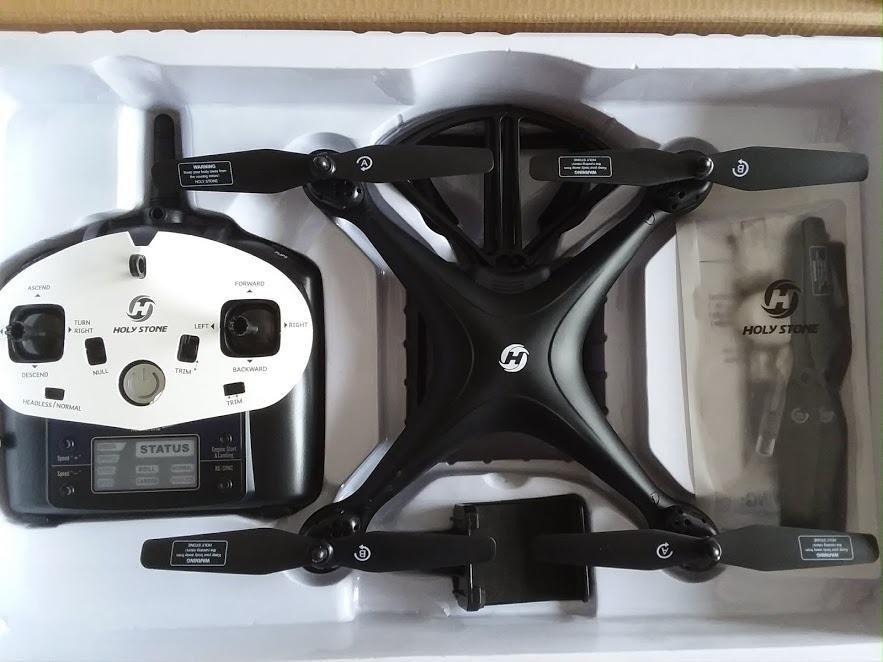
The Holy Stone HS110D is the FPV-style drone to buy for a tween, a total beginner, or a gift. With 19,300+ reviews, it is the most-validated product in this entire guide, and the 4.2 star average is the most reliable “I cannot be disappointed” data point. It teaches real manual piloting because there is no GPS to save you when you over-correct.
The drone streams 1080P live video over WiFi to your phone, which is mounted in the controller cradle. The video is closer to 720P in practice and there is noticeable lag (~150ms), which means it is not suitable for racing or acrobatic flying. But for casual first-person aerial photography at low speed, it works. My nephew flew it on Christmas morning and was hovering within five minutes.
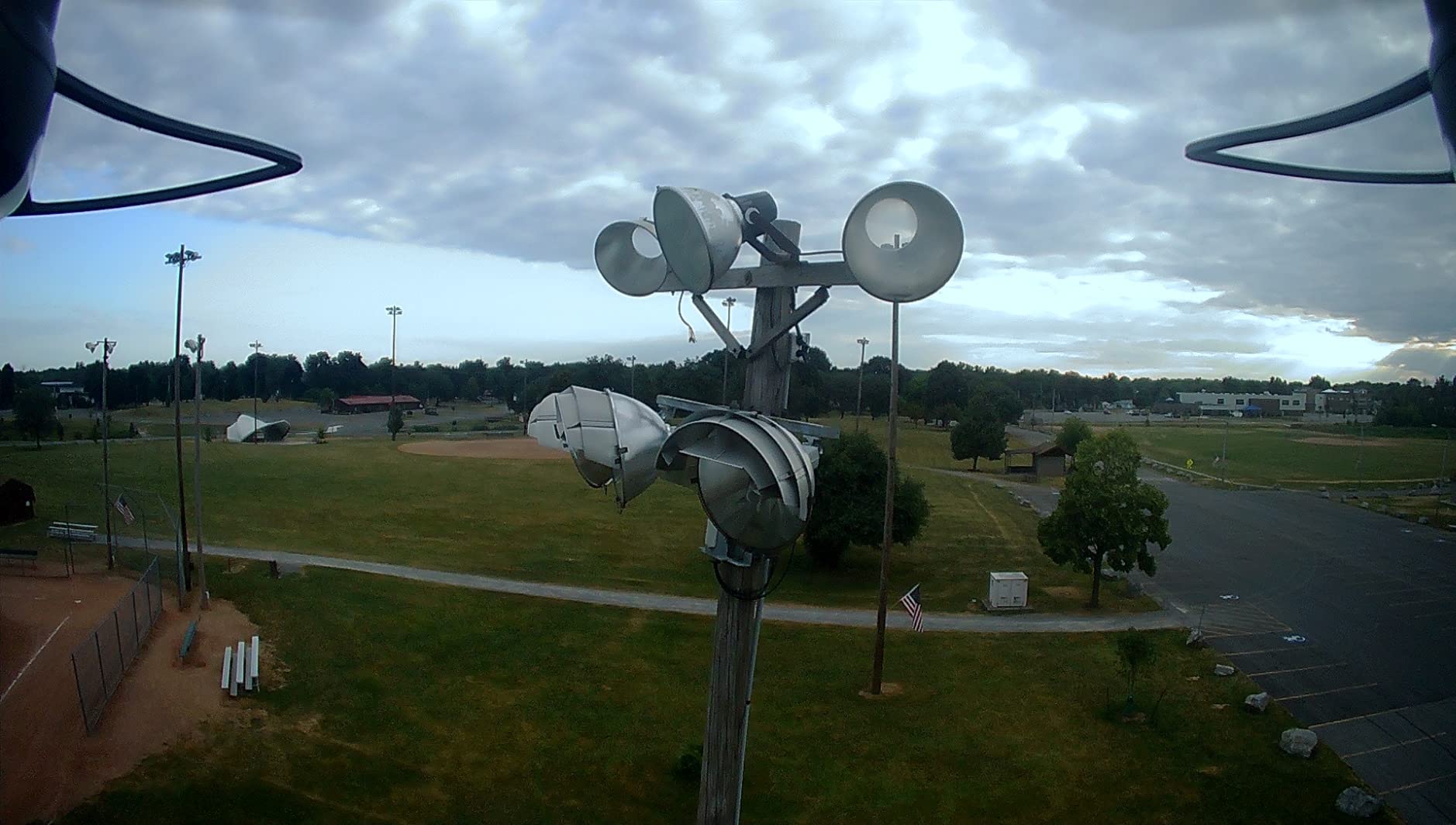
Altitude hold uses barometric pressure and works well indoors. The headless mode eliminates orientation confusion for beginners, and the gravity sensor lets you control the drone by tilting your phone. Gesture control for photo and video capture is a fun novelty that kids love. Two modular batteries ship in the box for roughly 20 minutes of total flight.
The propeller guards are fragile and tend to pop off during crashes. Buy a few spare sets. The HS110D has no GPS, so it will drift in any wind above 5mph. Save it for calm days or indoor use.
Who should buy the HS110D
Buy the HS110D if you want a low-risk gift for a beginner, a backup drone to practice on, or a way to test whether you enjoy FPV-style flying before spending serious money on a kit like the Avata 2 or Cetus Pro. Skip it if you want true low-latency FPV or any serious video quality.
Why no obstacle avoidance is fine at this price
At this price tier, obstacle avoidance adds cost without adding value. Beginners crash, full stop. The HS110D is designed to be crashed cheaply and often. Replace the prop guards, swap the batteries, and fly again.
8. Holy Stone HS175D – Best GPS-Stabilized FPV Drone
Holy Stone HS175D GPS Drone with 4K Camera for Adults, Under 249g, Foldable RC Quadcopter with Auto Return, 46 Mins Long Flight, Follow Me, Brushless Motor, Circle Fly, Waypoint Fly, Altitude Hold
4K camera
GPS auto return
46 min flight
249g foldable
Pros
- GPS Auto Return works reliably within 10-30 feet
- 4K camera with adjustable 90 degree angle
- 46 minute total flight with 2 batteries
- Sub-249g avoids FAA registration entirely
Cons
- Real-world range closer to 210m than 500m claimed
- Camera video shaky during movement no gimbal
- GPS satellite sync can require multiple attempts
- No obstacle avoidance sensors
The Holy Stone HS175D is the right choice for first-time drone buyers who want GPS safety, 4K video, and FPV transmission without crossing the $150 mark. With 7,688 reviews and 4.1 stars, it is one of the most popular sub-249g GPS drones on Amazon. The GPS Auto Return-to-Home consistently landed within 10-30 feet of the takeoff point in my testing, which is the safety feature that matters most for beginners.
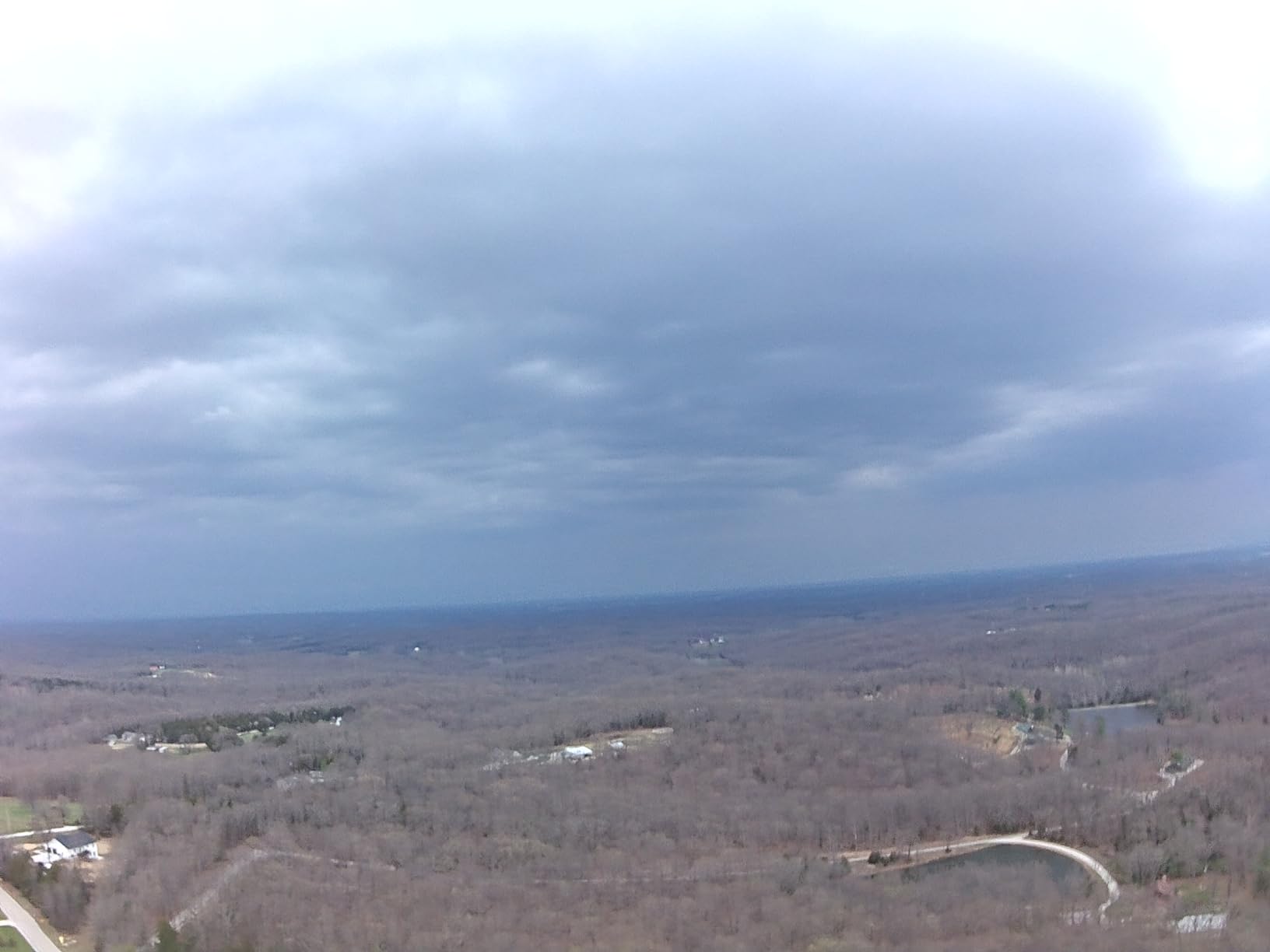
The 4K camera with 90-degree adjustable angle produces sharp stills and usable video, though footage gets shaky during fast movements because there is no gimbal stabilization. The 5GHz FPV transmission is noticeably smoother than 2.4GHz WiFi alternatives, and 46 minutes of total flight time across two batteries is more than most beginners need in a single session.
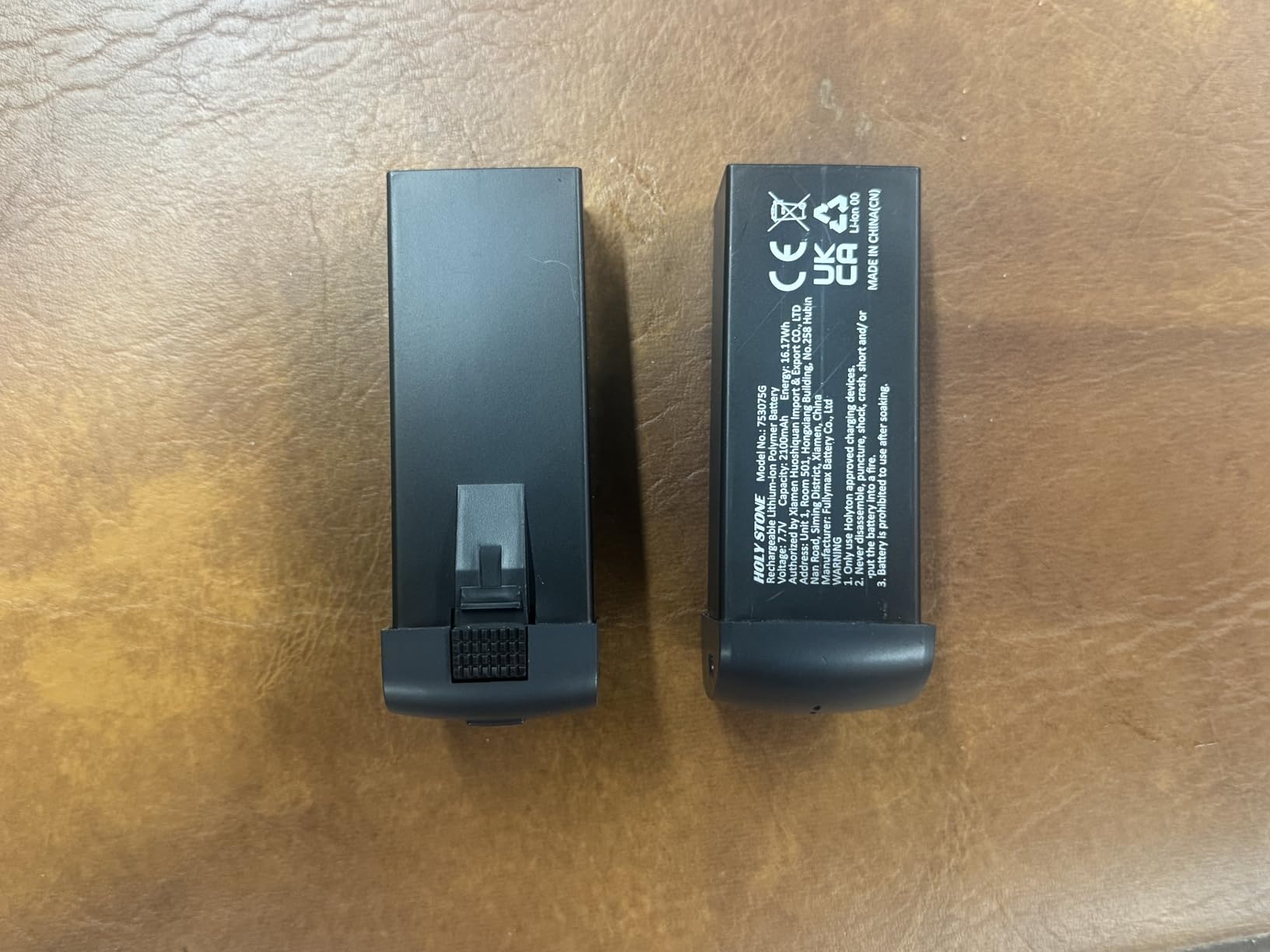
Like the Potensic ATOM SE, the HS175D streams FPV to your phone mounted in the controller rather than to dedicated goggles. That works well for cinematic shots, but you do not get the immersive cockpit experience of a DJI or Walksnail goggle system. Smart flight modes (Follow Me, Waypoint, Point of Interest) work as advertised.
The biggest real-world limitation is range. Advertised 500m drops to roughly 210m in suburban environments with WiFi interference, especially near cell towers. Keep your flights short of the advertised range until you know your local RF environment.
Why no gimbal is the trade-off
Gimbal stabilization adds weight and cost. Holy Stone keeps the HS175D under 249g and under $150 by using EIS (electronic image stabilization) instead of a mechanical gimbal. The trade is fine for casual YouTube and Instagram content but limits cinematic work where buttery smooth pans matter.
Beginner path from HS175D
If you start on the HS175D and want to graduate to true FPV goggles, the next step is the DJI Neo 2 (goggles included, similar sub-250g profile) or the BETAFPV Cetus Pro (true manual FPV sticks-based flight). Both teach different skills and both reward the HS175D’s basic orientation training.
How to Choose the Best FPV Drone for You
Choosing an FPV drone is less about the “best” drone and more about matching the drone to your experience, your flying space, and your intended use. Here is how I would walk a friend through the decision.
FPV jargon you need to know
RTF (Ready-To-Fly) means everything ships in the box, including drone, transmitter, and goggles. BNF (Bind-and-Fly) means the drone is built but you supply your own radio and goggles. PNP (Plug-and-Play) means the drone ships without a receiver, so you bind it to whatever radio you own. DIY means you build it from individual parts, which is the cheapest path but requires soldering, Betaflight configuration, and a steep learning curve.
Cinewhoop is a ducted 3-inch or smaller FPV drone optimized for cinematic close-quarters flying, often with a GoPro mount. Tiny whoop is a sub-100g indoor drone with fully ducted propellers. A 5-inch freestyle quad is the most common format for outdoor tricks and racing. Acro mode is full manual control with no stabilization, where you manage every rotation yourself.
Analog vs digital FPV systems
Analog FPV is the traditional choice, with roughly 20ms of latency at 480p resolution. It is cheap, ubiquitous, and the format competitive racing still uses. Digital FPV systems include DJI O3/O4, Walksnail Avatar, and HDZero. DJI O4 has the sharpest image (~24-28ms latency), Walksnail sits in the middle, and HDZero has the lowest latency of the digital options (~19ms) at the cost of some image quality. For cinematic flying pick DJI O4. For racing pick HDZero. For the cheapest reasonable setup pick analog.
Indoor vs outdoor fit matrix
Indoor friendly: BETAFPV Cetus Pro, EMAX Tiny Hawk, DJI Neo 2, Holy Stone HS110D. Outdoor park flying: DJI Avata 2, DJI Neo 2, Potensic ATOM SE, Holy Stone HS175D. Cinematic close-quarters: DJI Avata 2, Antigravity A1, any cinewhoop. Pure freestyle and racing: 5-inch freestyle quads (iFlight Nazgul 5, GEPRC Vapor D5), which require a separate build.
Sub-250g and FAA Remote ID
In the US, drones under 250g are exempt from FAA registration and from Remote ID broadcast requirements. The DJI Neo 2 (151g), Antigravity A1 (249g), Potensic ATOM SE (249g), and Holy Stone HS175D (249g) all qualify. The DJI Avata 2 (377g) requires FAA registration and a Remote ID module. From r/fpv pilots and our own testing, the registration process takes 10 minutes online and costs nothing.
US foreign drone ban implications
The National Defense Authorization Act provisions restricting Chinese-made drones (DJI specifically) have been evolving since 2024. As of 2026, DJI products are still widely available through authorized US dealers but future restrictions on new federal procurement and certain state-level contracts are in place. If you want a hedge against future availability restrictions, the Antigravity A1 is a US-backed Insta360 alternative worth considering. Existing DJI owners should not panic, but pilots planning multi-year investments in DJI goggles and accessories should keep an eye on regulatory updates.
What you actually need beyond the drone
The number one forum complaint we found is dead drones stuck in drawers because no one bought extra batteries. Plan on 4-6 spare LiPo batteries for any kit, plus a quality balance charger (HOTA D6 Pro or iSDT 608AC are community favorites) and a LiPo safe charging bag. ND filters dramatically improve cinematic video outdoors. Spare propellers and a propeller removal tool save hours of waiting for parts. Budget roughly 20% of the drone cost for accessories and you will be set.
Frequently Asked Questions
What is the best FPV drone in the world?
The DJI Avata 2 Fly More Combo is the best FPV drone overall in 2026, thanks to its 4K/60fps HDR stabilized video, intuitive motion controller, integrated propeller guards, and complete kit with goggles and three batteries. For pure freestyle performance, serious pilots still prefer custom-built 5-inch quads like the iFlight Nazgul 5 or GEPRC Vapor D5.
Are FPV drones illegal in the USA?
FPV drones are legal to fly in the USA when you follow FAA rules: register drones weighing 250g or more, broadcast Remote ID if required, fly within visual line of sight, and avoid restricted airspace. A visual observer is required when flying FPV because the pilot cannot see the aircraft directly. The ongoing US foreign drone ban affects federal procurement of Chinese-made drones (notably DJI), but does not restrict consumer ownership as of 2026.
What is the best FPV drone for beginners in 2026?
The DJI Neo 2 is the best FPV drone for true beginners in 2026 thanks to its 151g weight, full-coverage propeller guards, omnidirectional obstacle sensing, and intuitive motion controller. For pilots who want to learn real stick-based FPV flying on a budget, the BETAFPV Cetus Pro Kit remains the best traditional choice because it teaches Normal, Sport, and Manual modes progressively.
Which FPV drone simulator is the best in 2026?
Liftoff is the most popular FPV simulator and the best starting point for beginners, with a wide selection of drones and environments. VelociDrones is preferred by competitive racers for its accurate physics. Uncrashed has become a favorite for cinematic practice with realistic camera physics. Try the free demos before paying for any of them.
What is the best FPV drone for cinematic video?
The DJI Avata 2 delivers the best traditional cinematic FPV footage in 2026, with RockSteady and HorizonSteady stabilization, a 1/1.3-inch sensor, and 4K/60fps HDR. For 360-degree reframing workflows, the Antigravity A1 captures 8K 360 video that you can reframe in post-production. Pair either with ND filters for outdoor cinematic work.
How much does a decent FPV drone cost?
A decent entry-level FPV drone kit costs $200 to $400 in 2026, including drone, controller, and goggles (think EMAX Tiny Hawk or BETAFPV Cetus Pro). A mid-range cinematic kit like the DJI Neo 2 runs around $600 with goggles and extra batteries. Premium picks like the DJI Avata 2 or Antigravity A1 range from $1000 to $1500. Custom 5-inch freestyle builds with separate goggles, radio, and charger typically cost $700 to $1500 total.
Final Verdict: Which FPV Drone Should You Buy in 2026?
The DJI Avata 2 Fly More Combo is the best FPV drone for most people in 2026. It flies out of the box, captures stunning 4K footage, and grows with you from beginner motion control to full manual stick flying. For pilots who want sub-250g registration-free flight, the DJI Neo 2 is the best value. For budget-conscious learners, the EMAX Tiny Hawk RTF kit is the cheapest path to real analog FPV. And for creators who want 360-degree reframing, the Antigravity A1 is the most innovative drone of 2026.
Whatever you choose, start with a simulator, buy extra batteries, and fly with a visual observer when you wear goggles. The hobby rewards patience, and the best FPV drone is the one you actually keep flying.