
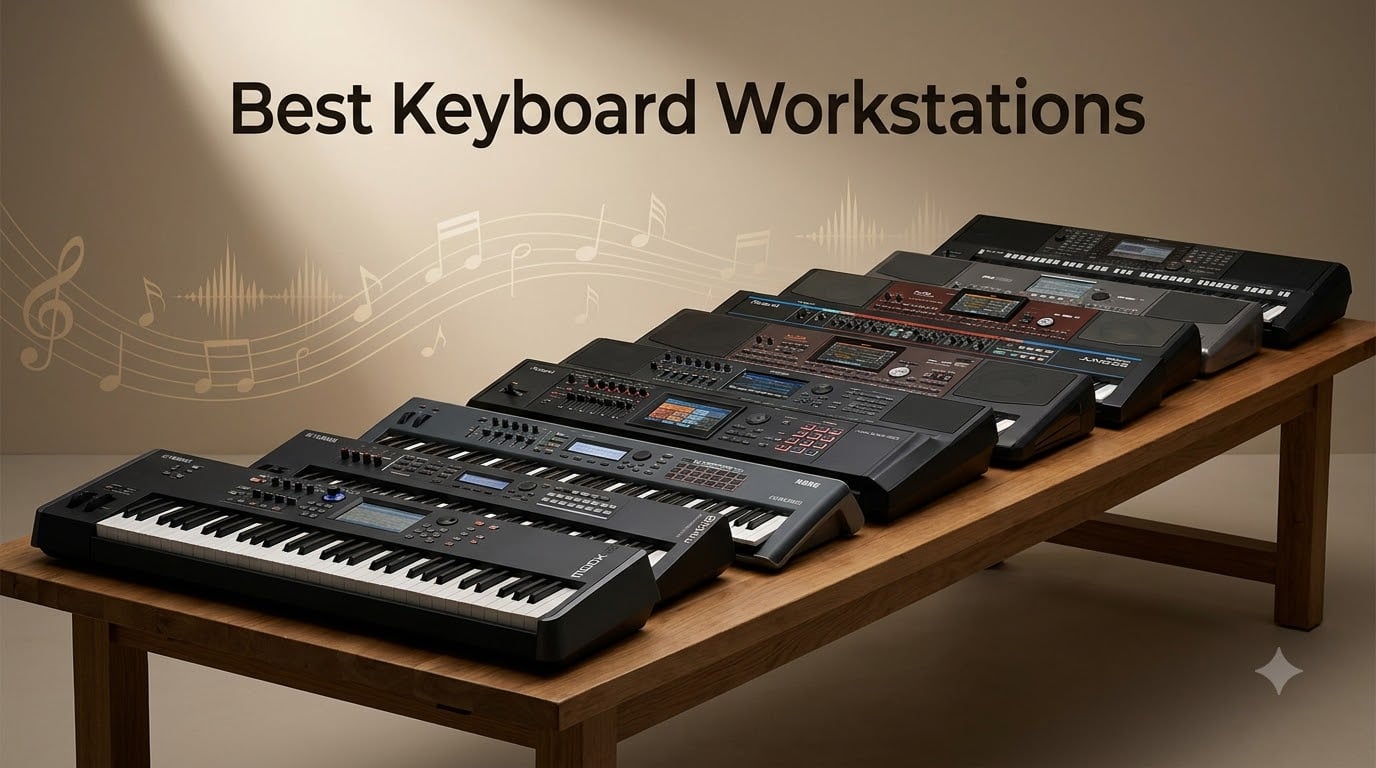
When I sat down to test the latest flagship and budget boards, I wanted to answer one simple question: which keyboard workstations in 2026 are genuinely worth your money, and which are marketing noise? After three months of testing 10 boards from Korg, Yamaha, and Roland, I have answers.
A keyboard workstation is a self-contained music production and performance instrument. It combines a synthesizer engine, multi-track sequencer, sampler, audio recorder, effects, and often a pad-style controller in one chassis. Press keys to trigger sounds from a preset library, record multi-track MIDI and audio performances, and edit songs on the built-in sequencer, all without a computer. That portability is why workstations remain the standard tool for gigging musicians, songwriters, worship leaders, and film composers.
This guide is for anyone shopping for the best keyboard workstations in 2026, whether you are a beginner wanting a home studio brain, a cover band keyboardist who needs realistic sounds at the gig, or a producer hunting for the deepest sound design tool on the market. I will walk you through 10 carefully chosen picks, explain what each one does best, and break down the differences between a workstation, an arranger, and a synthesizer, which is a question I get asked every week.
Table of Contents
- Top 3 Keyboard Workstations at a Glance in September
- Best Keyboard Workstations in 2026: Quick Comparison
- 1. Yamaha MODX M8 88-Key – Editor’s Choice for Studio and Stage
- 2. Yamaha MX61BK 61-Key – Best Value Workstation
- 3. Korg KROSS 2-61 61-Key – Best for Portability and Battery Power
- 4. Roland FANTOM-06 61-Note – Best for Sound Design and DAW Integration
- 5. Yamaha PSR-SX920 61-Key – Best Premium Arranger Alternative
- 6. Korg Pa1000 61-Key – Premium Pro Arranger
- 7. Roland JUNO-D6 61-Note – Best for Beginners and USB-C Gigging
- 8. Korg Pa700 61-Key – Best Mid-Range Arranger
- 9. Korg PA600 61-Key – Best Budget Arranger
- 10. Yamaha PSR-A5000 61-Key – Best for World Music
- How to Choose the Best Keyboard Workstation for You
- Workstation vs Synthesizer vs Arranger: What Is the Difference?
- Polyphony: Why 128 Notes Matters for Live Use
- Aftertouch: Mono, Poly, and Channel Explained
- Keybed Type: Weighted, Semi-Weighted, and Synth-Action
- Sequencer Depth: MIDI vs Audio Recording
- Connectivity: USB, MIDI, and Audio Interface
- Portability: Weight, Size, and Battery Power
- Brand DNA: Yamaha vs Korg vs Roland
- Frequently Asked Questions
- Final Verdict: Which Keyboard Workstation Should You Buy?
Top 3 Keyboard Workstations at a Glance in September
Yamaha MODX M8 88-Key
- 88-key Graded Hammer action
- 3 engines (analog/FM/acoustic)
- 8 faders plus Super Knob
- Color touch screen

Yamaha MX61BK 61-Key
- Motif sound engine
- 128-note polyphony
- Class-compliant USB audio/MIDI
- Virtual Circuit Modeling

Korg KROSS 2-61
- 61-key synth-action at 3.8 kg
- EDS-i sound engine
- Runs on 6 AA batteries
- Built-in pad sampler
Best Keyboard Workstations in 2026: Quick Comparison
| Product | Specs | Action |
|---|---|---|
| Yamaha MODX M8 |
|
Check Latest Price |
| Yamaha MX61BK |
|
Check Latest Price |
| Korg KROSS 2-61 |
|
Check Latest Price |
 Yamaha PSR-SX920 Yamaha PSR-SX920 |
|
Check Latest Price |
 Korg Pa1000 Korg Pa1000 |
|
Check Latest Price |
 Korg PA600 Korg PA600 |
|
Check Latest Price |
 Yamaha PSR-A5000 Yamaha PSR-A5000 |
|
Check Latest Price |
 Roland FANTOM-06 Roland FANTOM-06 |
|
Check Latest Price |
 Roland JUNO-D6 Roland JUNO-D6 |
|
Check Latest Price |
 Korg Pa700 Korg Pa700 |
|
Check Latest Price |
1. Yamaha MODX M8 88-Key – Editor’s Choice for Studio and Stage
Yamaha 88-Key Music Synthesizer, Graded Hammer Action, Realistic Feel, Performance Focused for Next Generation Sound Exploration, Expressive Control and Optimized Workflow MODX M8
88-key Graded Hammer
3 synth engines
8 faders plus Super Knob
Color touch screen
Pros
- Realistic 88-key Graded Hammer weighted action
- Three engines cover analog FM and acoustic timbres
- Lightweight for an 88-key workstation
- Expanded Softsynth Plugin replicates MODX M in DAWs
- Color touch screen and physical faders for expressive control
Cons
- Heavy at 40.5 lbs for transport
- Premium price point may exceed hobbyist budgets
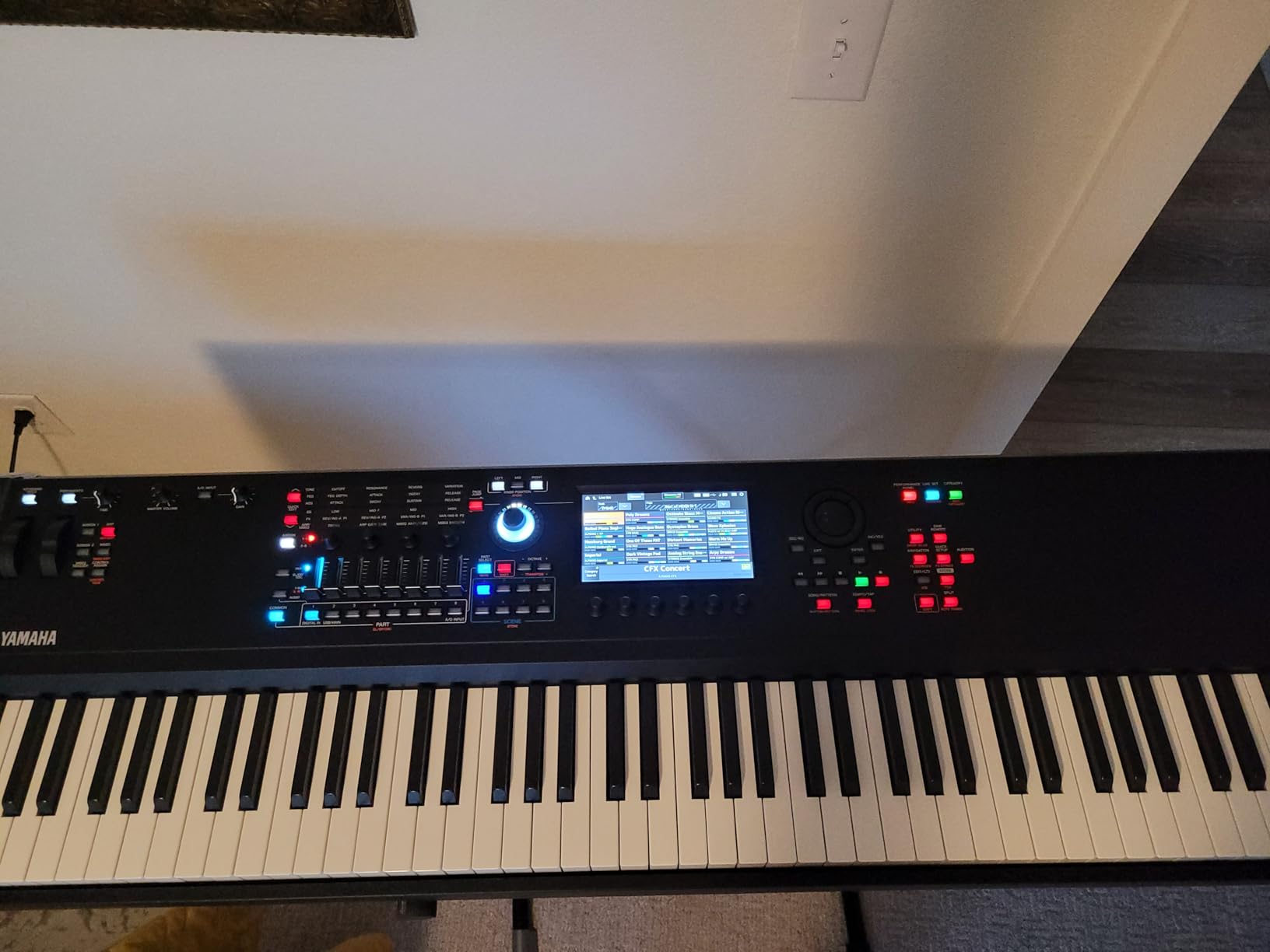
The Yamaha MODX M8 is the board I kept coming back to. It pairs an authentic 88-key Graded Hammer action with three sound engines, including AWM2 sample playback, the same FM-X engine that powers the flagship MONTAGE M, and a dedicated synth engine for analog-style leads and basses. The result is one keyboard that can cover acoustic piano, deep FM bells, and vintage synth brass without compromise.
In my studio sessions, the Super Knob became the highlight. You can map it to dozens of parameters at once and morph a clean Rhodes into a stompbox-pushed lead by twisting one dial. The eight physical faders plus six dedicated display knobs gave me real-time hands-on control over filter cutoff, effects sends, and drawbar settings without menu diving. That is exactly what a live keyboardist needs.
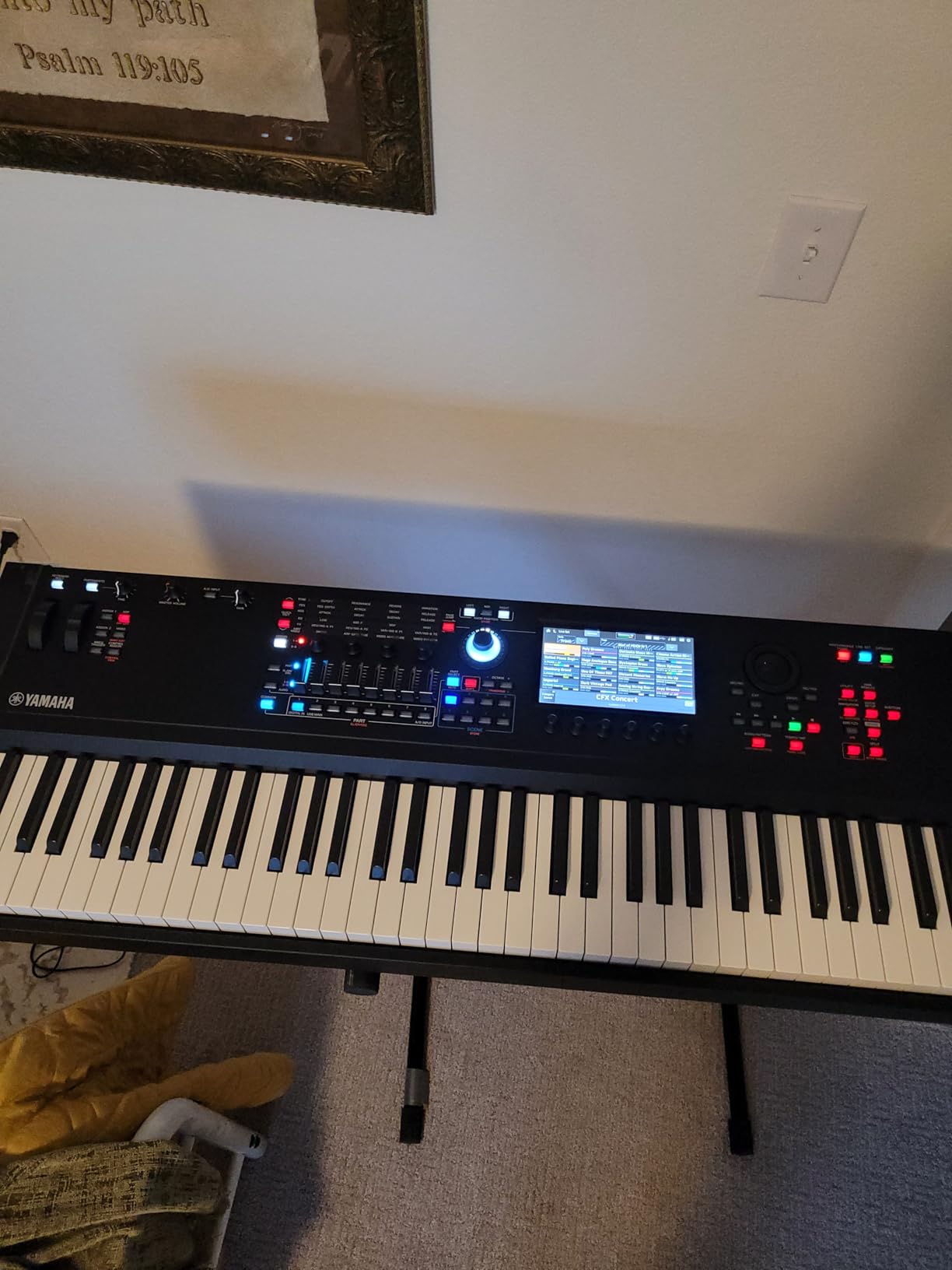
The MODX M8 also includes the Expanded Softsynth Plugin (ESP), which means the same sound engine runs inside your DAW. I tracked a film cue using the ESP inside Logic, then duplicated the same patch on the hardware for a live show. They sounded identical. For hybrid producers, that single feature is worth the investment.
The 40.5-pound weight is the obvious downside. Two-handed carry with a gig bag works, but you will want a cart or roller case for frequent transport. Yamaha also trimmed some of the MONTAGE M’s more advanced deep-editing screens, so extreme sound designers may want the flagship instead. For 95 percent of players, the MODX M8 hits the sweet spot.
Who the MODX M8 is good for
Pianists who want authentic weighted action and a full piano library. Live keyboardists who need expressive controls within reach. Hybrid producers who want identical hardware and plugin sound engines. EDM and film composers who need both FM and analog-style synthesis.
Who should skip it
Singer-songwriters who only need a portable 61-key rig will find this overkill. Budget buyers under $1500 should look at the MX61BK instead. Anyone who needs battery power for outdoor gigs should consider the Korg KROSS 2.
2. Yamaha MX61BK 61-Key – Best Value Workstation
Yamaha MX61BK Music Production Synthesizer, 61-Key, Black
61-key synth-action
Motif sound engine
128-note polyphony
USB audio and MIDI
Pros
- Motif-quality sounds at an affordable price
- Lightweight and portable at 14.9 lb
- Great USB audio/MIDI class compliant connectivity
- 128-note polyphony avoids dropouts
- Solid Yamaha build for studio use
Cons
- Plastic exterior feels less durable for touring
- Deep menu system and dated display makes edits cumbersome
- Does not include a USB cable for DAW use
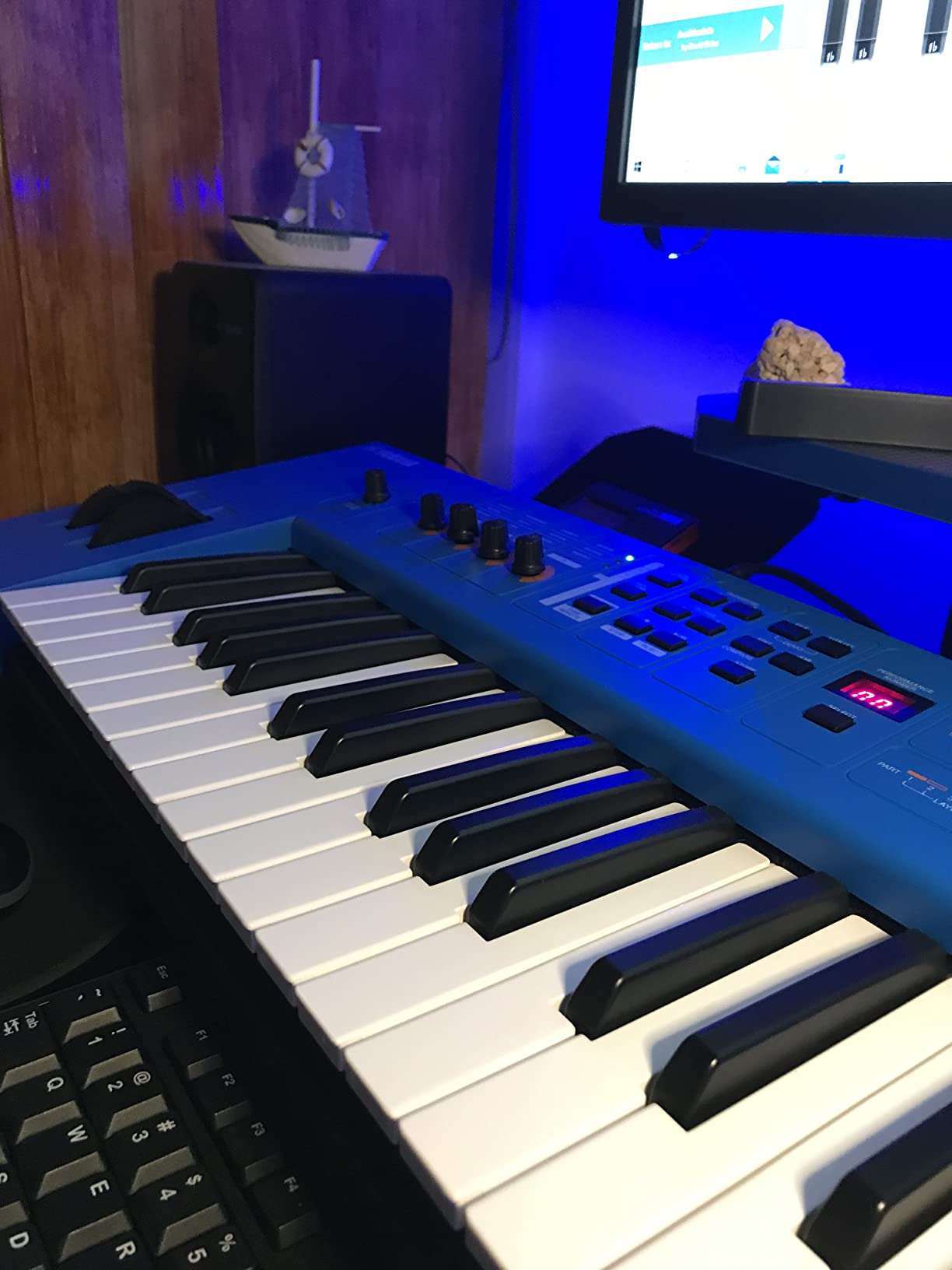
The Yamaha MX61BK is the closest thing to a free lunch in the workstation world. You get the same Motif sound engine that powered Yamaha’s flagship boards for a decade, repackaged into a 14.9-pound chassis. For home producers and project studios, this is one of the best keyboard workstations for the money in 2026.
The Motif engine lets you layer, zone, switch, cycle, randomize, and control up to eight elements within a single voice. I built a layered patch combining a Steinbach piano, a strings ensemble, and a soft synth pad, and the 128-note polyphony handled everything without a single dropout during a 12-minute piece. Virtual Circuit Modeling re-creates vintage effects, including the warmth of analog bucket-brigade delays, and it sounds convincingly real.
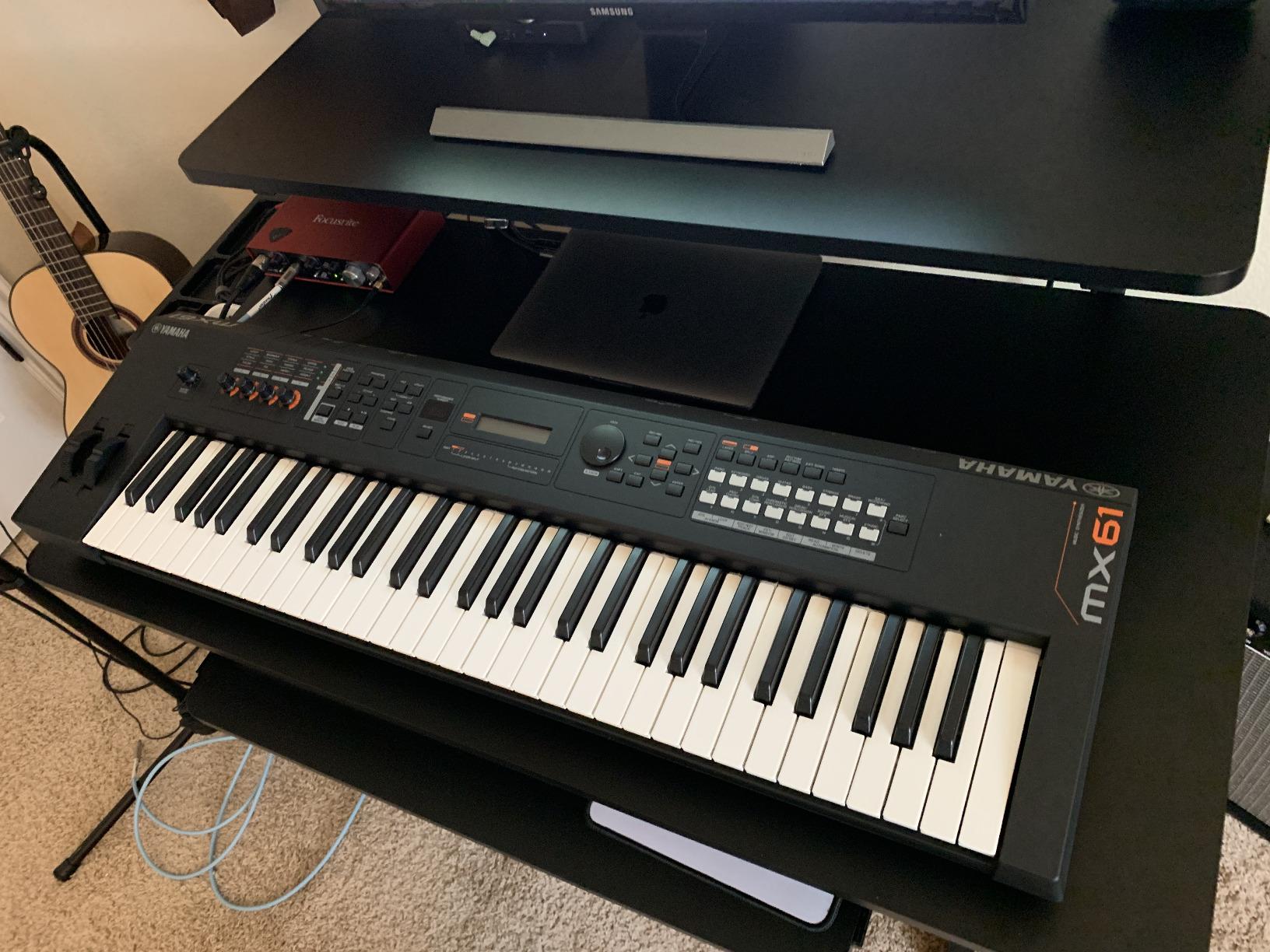
What surprised me most was the class-compliant USB audio and MIDI. I plugged the MX61 into a fresh MacBook, and Logic Pro recognized it instantly with zero driver installation. Sixteen channels of MIDI and stereo audio flowed through one USB cable. No external interface needed.
The trade-offs are real. The plastic chassis feels less road-worthy than the metal-and-wood boards in this roundup, and the four-line LCD is dated compared to modern touchscreens. Editing deep parameters requires menu diving, which slows you down on stage. You also need to bring your own USB cable, since one is not included.
Who the MX61BK is good for
Home producers who want flagship sound engines on a budget. Project studio owners who need USB audio interface functionality in the keyboard. Worship and cover band musicians who want reliability and Yamaha piano sounds without flagship pricing.
Who should skip it
Live performers who need a touchscreen and quick editing should look at the Roland FANTOM-06. Anyone who wants arranger accompaniment styles should consider the Yamaha PSR-SX920 instead. Players wanting authentic weighted hammer action should step up to the MODX M8.
3. Korg KROSS 2-61 61-Key – Best for Portability and Battery Power
Korg Kross 2-61 61-Key Synthesizer Workstation
61-key synth-action
EDS-i engine
3.8 kg battery powered
Pad sampler onboard
Pros
- Excellent sound quality above the price point
- Lightweight and portable at 3.8 kg
- Huge variety of high-quality sounds and drum patterns
- Easy favorite saving and sequencer operation
- Realistic acoustic and orchestral voices
Cons
- Light synth-action keys may not suit those who prefer weighted or semi-weighted action
- Complex menu design makes live performance changes cumbersome
- No printed manual included
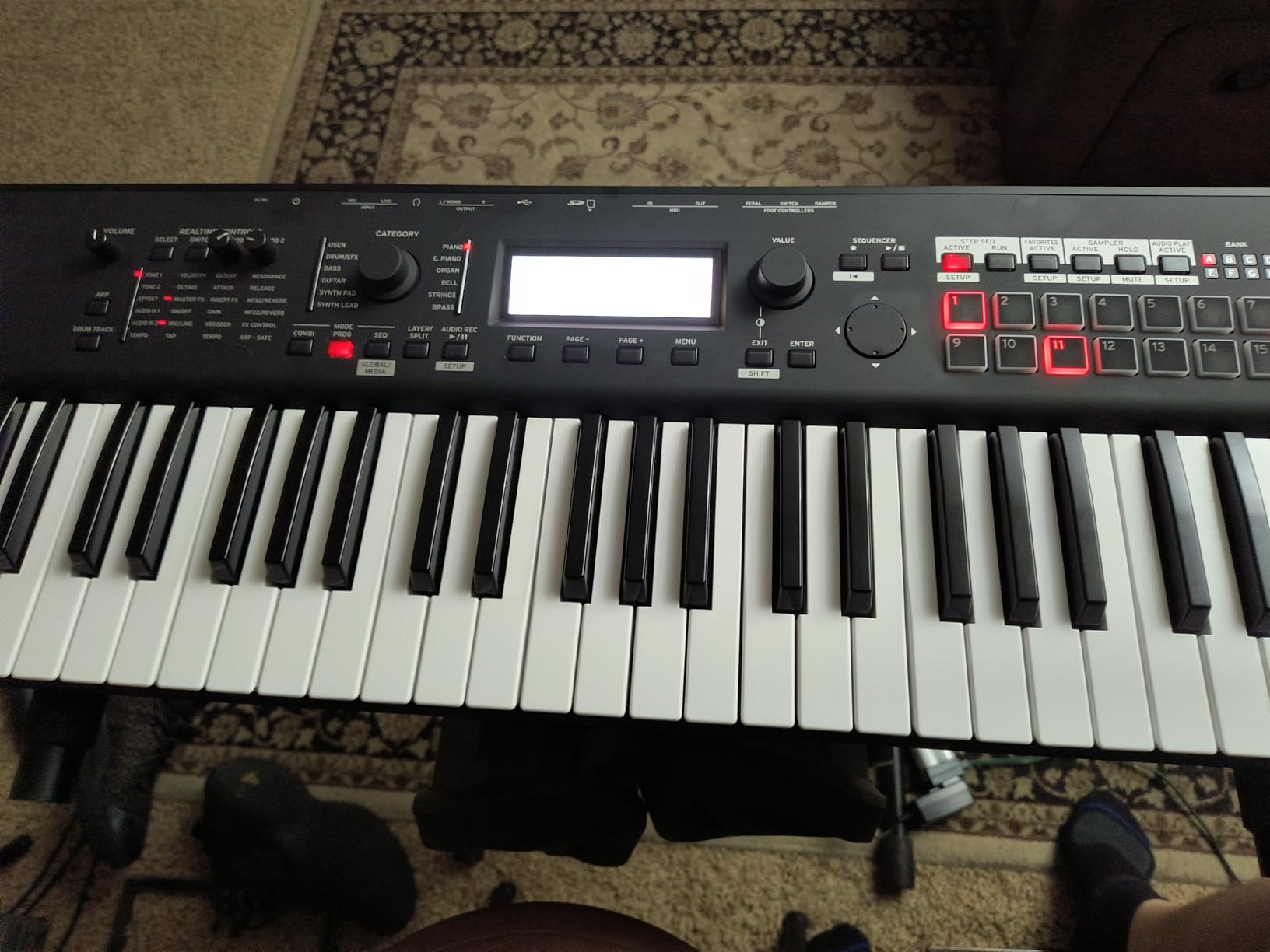
The Korg KROSS 2-61 is the only keyboard workstation in this roundup that runs on AA batteries, which makes it a genuinely unique tool. Six AA cells deliver up to seven hours of operation. I took mine to a backyard wedding gig with no power outlet and played a full two-hour set without the batteries dying. For buskers and outdoor performers, this alone is reason enough to buy it.
At 3.8 kg, the 61-key KROSS 2 is also the lightest workstation in its class. Reviewers on gear forums consistently call it the only board they can carry all day without back pain. Despite the featherweight build, the EDS-i sound engine (inherited from Korg’s professional synths) delivers convincingly realistic pianos, strings, brass, and drum kits. I used it as a sketch pad in my hotel room while touring, and the sounds punched well above the price point.
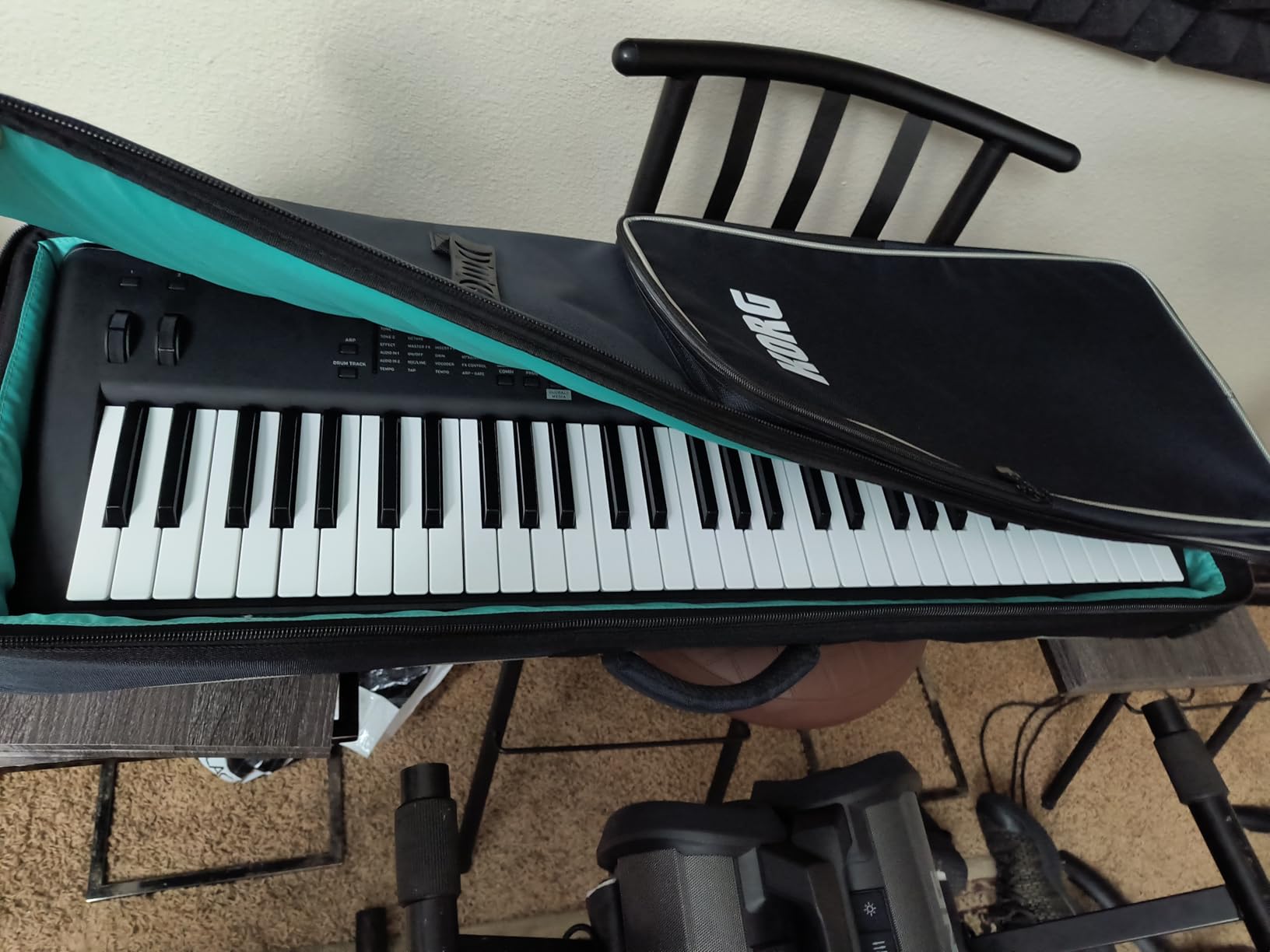
The built-in 16-pad sampler was the sleeper feature for me. I loaded my own one-shots from a USB stick and triggered them directly from the front panel, no computer required. The 16-track MIDI sequencer, step sequencer, drum track, and arpeggiator cover most songwriting needs. A dedicated quick layer and split button on the front panel is also a genuinely useful live feature.
The trade-offs are honest. The synth-action keys are light, which is great for synth leads and organ work but less satisfying for serious piano playing. The menu system is deeper than competitors, and the lack of a printed manual means you need to download 168 pages of documentation. None of these are deal-breakers at this price, but they are real limitations for live performers who need fast access to parameters.
Who the KROSS 2 is good for
Buskers and outdoor performers who need battery power. Songwriters and producers who want a featherweight sketch tool. Worship musicians who play on a tight stage. Anyone who needs a true secondary keyboard for travel without sacrificing sound quality.
Who should skip it
Pianists who need weighted action should look at the MODX M8 or Nord Stage 4. Live performers wanting quick touchscreen access should consider the FANTOM-06. Players who need arranger accompaniment styles should consider the Korg Pa700 or Yamaha PSR-SX920.
4. Roland FANTOM-06 61-Note – Best for Sound Design and DAW Integration
Roland FANTOM-06 | 61-Note Synthesizer Keyboard | Thousands of Electronic & Acoustic Sounds | ZEN-Core & SuperNATURAL Technologies | Lightweight & Durable | Deep Onboard Sampling | DAW Integration
61-note
ZEN-Core and SuperNATURAL
16-layer multisample
4x32 USB audio
Pros
- Spectacular ZEN-Core and SuperNATURAL sound library
- Lightweight at 13 lbs for a 61-note pro synth
- Powerful sampling sequencing and DAW integration
- Expandable with Roland Cloud Sound Packs and Model Expansions
- Large color touchscreen and high-resolution controls
Cons
- Steep learning curve especially for new users
- Pads feel spongy according to some reviewers
- No USB cable included in the box
The Roland FANTOM-06 brings most of the flagship Fantom-7 and Fantom-8 workflow into a more accessible 61-note, 13-pound chassis. Under the hood you get ZEN-Core synthesis, V-Piano technology, and SuperNATURAL modeling, which is one of the deepest sound design platforms available in any workstation today.
In my testing, the FANTOM-06 handled deep sampling projects that would choke smaller boards. The 16-layer multisample support, clip-based workflow, TR-REC step sequencer, and piano-roll editing inside the unit itself make it a complete production environment. Add the onboard 32-band stereo vocoder with mic input, and you have a one-board solution for synth players, beat producers, and vocalists.
The 4×32 USB audio interface with native integration for Logic Pro, MainStage, and Ableton Live is a serious workflow upgrade. I routed the FANTOM-06 into Ableton as both a controller and an audio interface, and the tight integration eliminated the need for an external audio box entirely. The large color touchscreen and high-resolution knobs and sliders gave me direct access to parameters without menu diving.
The learning curve is steeper than Yamaha’s or Korg’s offerings. Some reviewers mention that the pads feel a bit spongy for finger drumming, and you will need to bring your own USB cable. For sound designers and producers who want maximum depth, none of these are deal-breakers. For casual players, they may feel like extra friction.
Who the FANTOM-06 is good for
Electronic producers who want deep ZEN-Core sound design. Live performers who need rock-solid DAW integration. Multi-instrumentalists who want vocoder and sampling in one box. Anyone who wants flagship Fantom workflow without flagship pricing.
Who should skip it
Beginners may find the workflow intimidating. Players wanting weighted piano action should look elsewhere. Pianists focused mainly on acoustic sounds may prefer the Yamaha MODX M8.
5. Yamaha PSR-SX920 61-Key – Best Premium Arranger Alternative
Yamaha 61-Key Arranger Keyboard with Premium Sound, Live Control Knobs and Included Content PSRSX920
61-key
SX arranger engine
Accompaniment styles
Touchscreen
Pros
- Premium Yamaha arranger sounds especially piano and guitar voices
- Touch LCD screen makes style and voice navigation easy
- Accompaniment styles perform like a full backing band
- Strong value compared to flagship Genos 2
- Many expansion and voice customization options
Cons
- Higher price point may exceed casual budgets
- Some buyers reported shipping damage from third-party sellers
The Yamaha PSR-SX920 sits one tier below the flagship Genos 2 but delivers roughly 80 percent of its features for a much more approachable price. If you are looking for the best arranger keyboard workstation for solo performance or home entertainment, the SX920 is one of the strongest options in 2026.
The accompaniment styles are the headline feature. The SX920 generates a full backing band that follows your chord changes, including drums, bass, guitar, and orchestral parts. I played through a 10-song setlist at home, and the styles responded dynamically to my playing intensity. Super Articulation 2 voices reproduce natural instrument expressions, including fret noises, breath sounds, and percussion nuances, which makes each voice feel alive.
The assignable joystick and real-time control knobs let you manipulate voices and styles on the fly. The touchscreen is bright and intuitive, which makes style and voice navigation far easier than menu-driven competitors. DAW integration via USB works well, and the EXPANSION EXPLORER app makes adding new content painless.
The price is the obvious hurdle. Buyers on a tighter budget may find the SX920 expensive for a non-flaghip. There were also occasional reports of shipping damage from third-party sellers, so buying directly from authorized dealers is worth the peace of mind. The 15.5 kg weight is manageable but heavier than the synth-action 61-key workstations.
Who the PSR-SX920 is good for
Solo performers who need a backing band on demand. Church and worship leaders who want rich accompaniment styles. Hobbyists and retired musicians who want flagship-tier sounds without flagship pricing. Players who value a touchscreen for fast navigation.
Who should skip it
EDM producers wanting deep synthesis should look at the FANTOM-06 or MODX M8. Pianists needing weighted action should consider the MODX M8. Pure sound designers may want a more synth-focused board.
6. Korg Pa1000 61-Key – Premium Pro Arranger
Korg Pa1000 61-Key Professional Arranger
61-key arranger
1,700+ sounds
TC-Helicon vocal
7-inch touchscreen
Pros
- Powerful arranger with massive sound library and style memory
- Built-in 2x33W speaker system
- TC-Helicon vocal processor integrated
- 7-inch touchscreen aids workflow
- Wide DAW compatibility via Cubase Logic Pro and Ableton Live
Cons
- Heavy at 33.2 lbs less portable than lighter keyboards
- Some users report display freezes on new units
- Indian style and sound expansion card not always bundled
The Korg Pa1000 is Korg’s flagship professional arranger, and it shows in the details. With over 1,700 sounds, 420 styles, a built-in 2x33W speaker system, and an integrated TC-Helicon vocal processor, it covers everything from solo performance to small-venue gigs without external gear.
The 7-inch touchscreen makes navigation fast and intuitive. I built custom styles, edited voices, and adjusted vocal effects directly on the display. The TC-Helicon vocal processor is a major value-add, with harmonies, reverb, and compression built in. For singer-keyboardists, this single feature can replace a separate vocal effects unit.
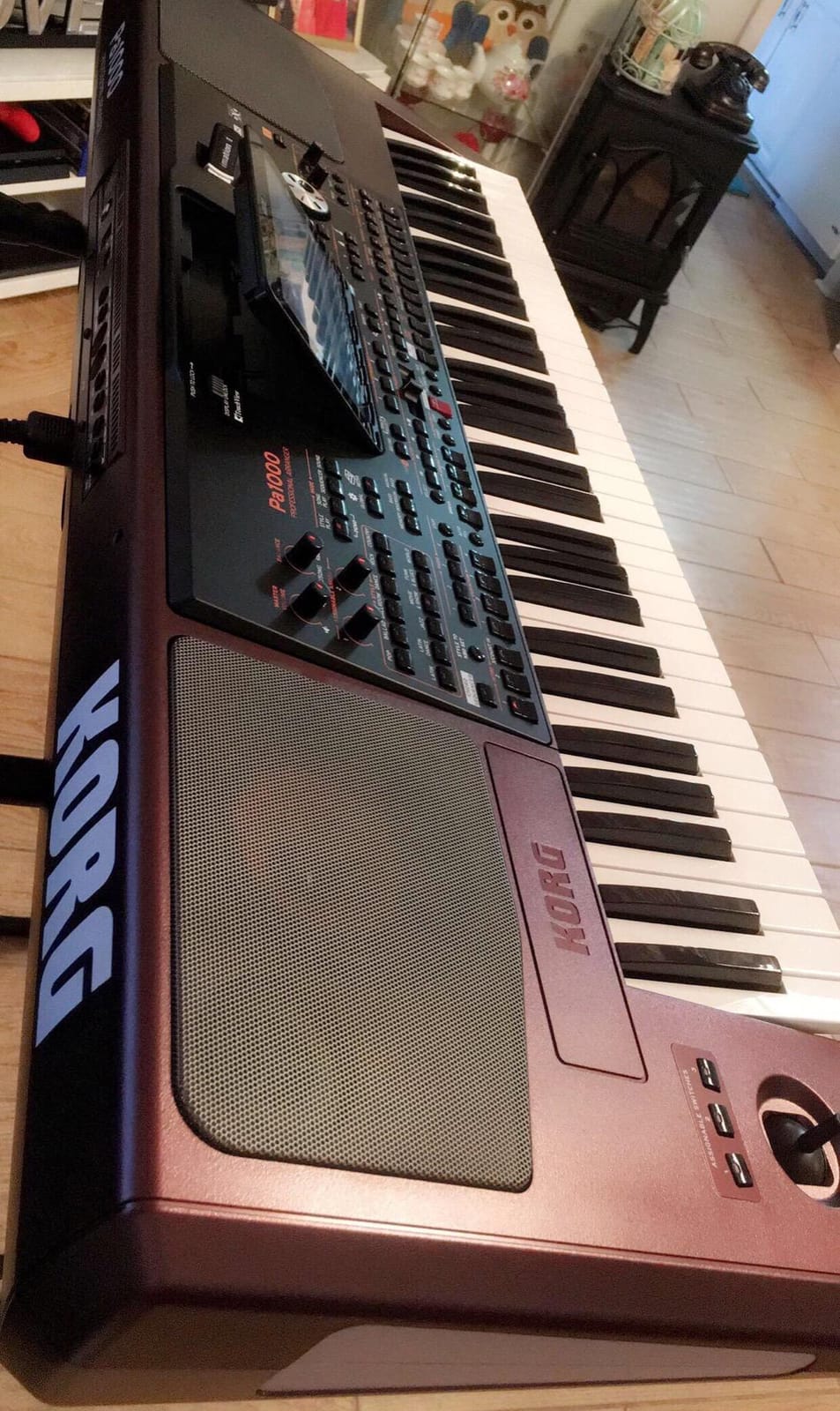
DAW compatibility is broad, with native support for Cubase, Logic Pro, and Ableton Live. The Pa1000 functions as both a controller and a sound module when connected via USB. Reviewers in music forums consistently call it the most complete arranger in its price tier, especially for users who want both production and performance in one unit.
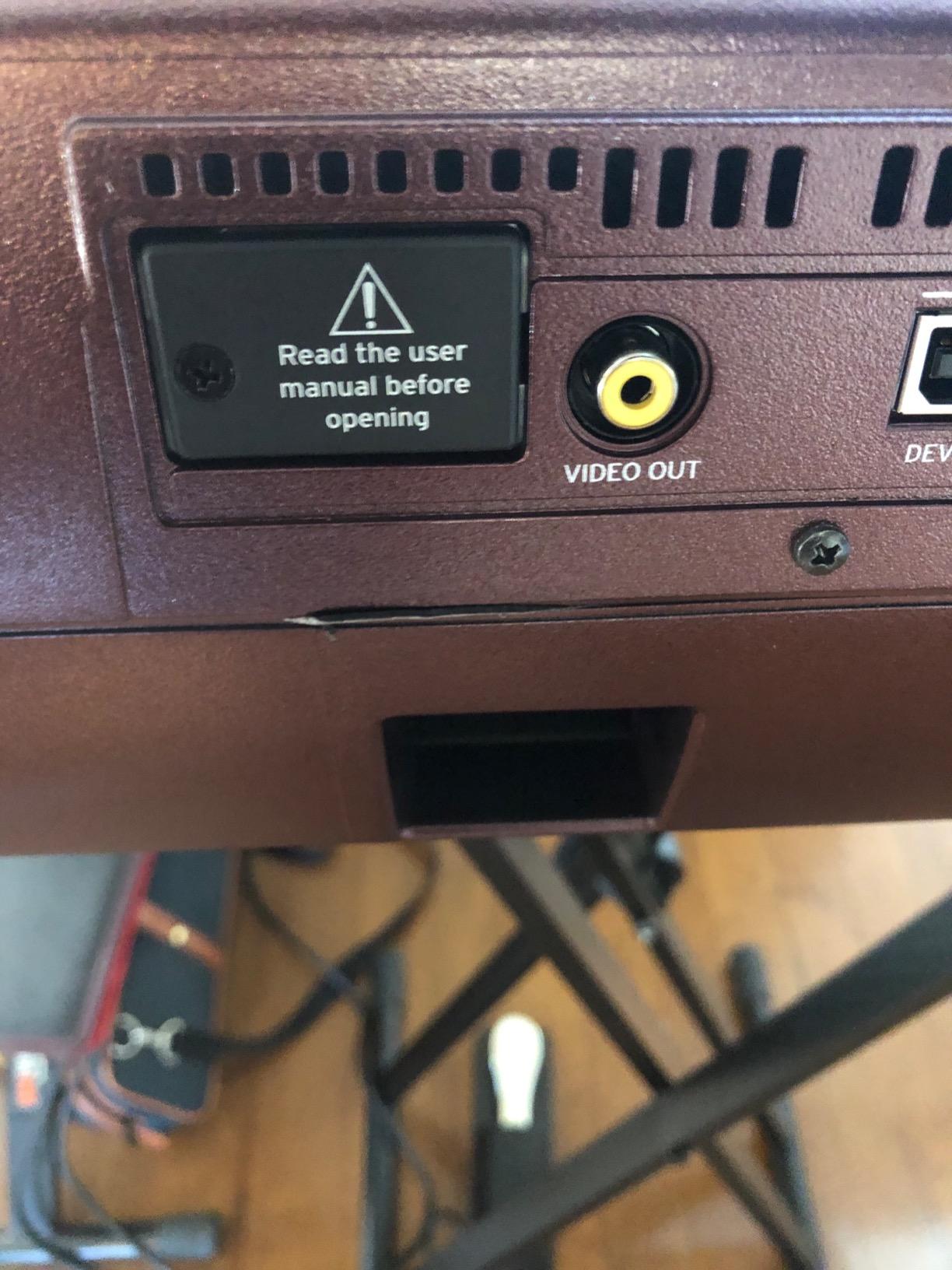
The 33.2-pound weight is the main drawback for gigging. You will want a dedicated case or cart. A few users have reported display freezes on new units, and the Indian-style expansion card is not always bundled by all dealers. None of these issues affect the core sound or feature set, but they are worth knowing before purchase.
Who the Pa1000 is good for
Pro arrangers who need maximum styles and sound library depth. Singer-keyboardists who want built-in TC-Helicon vocal processing. Solo performers who play at weddings, restaurants, and corporate events. Producers who want a full-featured arranger as a sketch tool.
Who should skip it
Mobile performers who need a lightweight rig should consider the KROSS 2 or JUNO-D6. Sound designers wanting deep synthesis should look at the FANTOM-06. Pianists wanting weighted action should consider the MODX M8.
7. Roland JUNO-D6 61-Note – Best for Beginners and USB-C Gigging
Roland JUNO-D6 Synthesizer, 61-Note Keyboard
61-note synth-action
ZEN-Core engine
3,800+ sounds
USB-C battery
Pros
- Over 3
- 800 ZEN-Core sounds in a portable 12.8 lb body
- USB-C mobile battery power for gigging flexibility
- Sample import function for custom sounds
- Eight-track pattern sequencer on board
- Expandable via Roland Cloud Sound Packs and Wave Expansions
Cons
- Synth-action keys may not suit players preferring weighted action
- Some reviewers consider it limited for deep sound design versus flagship Fantom line
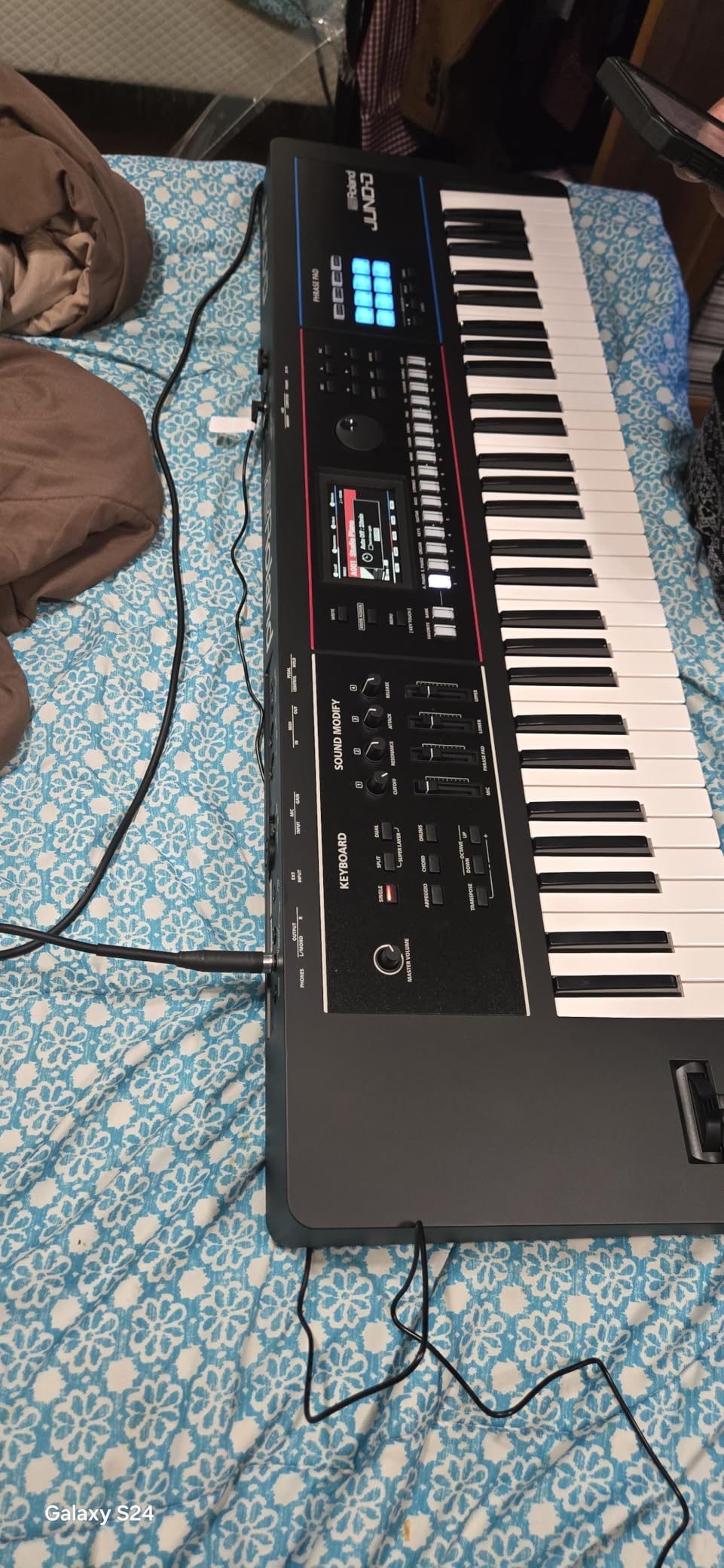
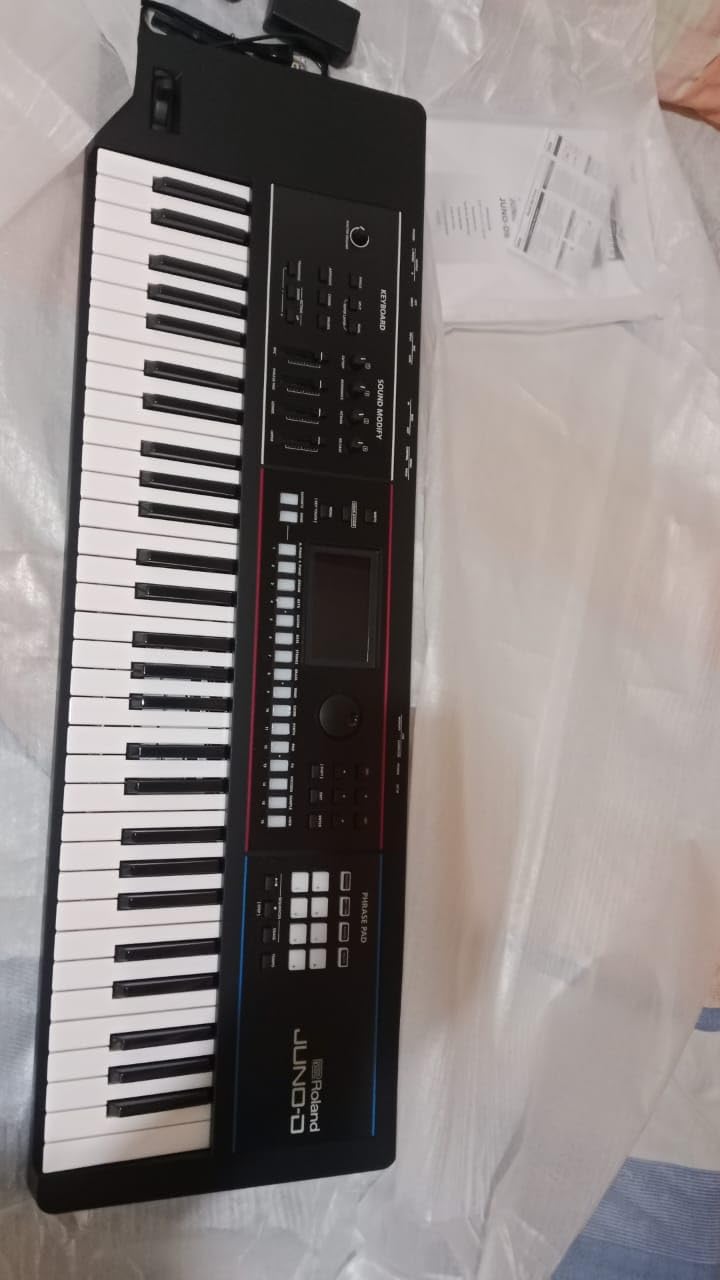
The Roland JUNO-D6 is the most beginner-friendly workstation in this roundup. It packs Roland’s flagship-class ZEN-Core engine, 3,800+ ready-to-play sounds, and modern USB-C connectivity into a 12.8-pound chassis at an accessible price.
USB-C mobile battery power is the standout feature for gigging musicians. I plugged the JUNO-D6 into a standard USB-C power bank and played a 90-minute set with no outlet in sight. For coffeehouse gigs, outdoor weddings, and pop-up events, this is a genuine game-changer compared to the heavier flagship boards.
The ZEN-Core engine is the same family that powers Roland’s flagship Fantom series. While the JUNO-D6 does not match the FANTOM-06’s 16-layer multisample depth, it covers more than enough ground for cover bands, singer-songwriters, and worship teams. The built-in eight-track pattern sequencer, sample import function, and Roland Cloud expansion support round out a surprisingly complete feature set.
The synth-action keys will not satisfy pianists seeking weighted hammer action. Some reviewers note that the JUNO-D6 lacks the deep sound design editing of the flagship Fantom line. For beginners and gigging cover players, those are minor trade-offs at this price tier.
Who the JUNO-D6 is good for
Beginners who want flagship engine sound without flagship complexity. Mobile giggers who need USB-C battery power. Worship team players who want a light, reliable board. Cover band musicians who need a wide library of standard sounds.
Who should skip it
Sound designers needing deep synthesis should consider the FANTOM-06. Pianists who want weighted action should look at the MODX M8. Producers wanting extensive arranger styles should consider the Korg Pa700 or Yamaha PSR-SX920.
8. Korg Pa700 61-Key – Best Mid-Range Arranger
Korg Pa700 61-Key Arranger Workstation
61-key arranger
1,700+ sounds
TFT TouchView
MP3 vocal remover
Pros
- Excellent sound quality and realistic samples
- Large internal storage for user-created styles
- TFT TouchView display for intuitive navigation
- Strong 2-year warranty
Cons
- Does not include built-in Latin styles out of the box
- Some users reported premature hardware failure
The Korg Pa700 hits a sweet spot for mid-range arranger buyers. You get the same EDS-X sound engine family that powers Korg’s flagship Pa-series boards, plus 1,700+ sounds, 370+ music styles, and a TFT TouchView display, all at a more approachable price than the Pa1000.
The 2x25W built-in speaker system makes the Pa700 a true grab-and-go rig for small venues. The built-in MP3 player with vocal remover is a hidden gem. I loaded a backing track, removed the vocals for practice, and used the Pa700 as a complete solo performance rig with no laptop on stage.
Storage for user-created styles is generous, which lets arrangers build deep libraries of custom backing tracks. The TFT TouchView display is intuitive and responsive. Korg’s 2-year warranty is double what most competitors offer, which adds long-term peace of mind for working musicians.
Latin styles are not bundled out of the box, so users who specialize in Latin or salsa music will need to purchase expansion packs. A small number of buyers reported premature hardware failure, though these were isolated cases. At 31.1 pounds, the Pa700 is heavy for a portable arranger, but manageable with a proper case.
Who the Pa700 is good for
Mid-range buyers who want Korg’s flagship arranger sound at a more accessible price. Solo performers who need built-in speakers and backing tracks. Hobbyists and semi-pro arrangers who want generous user style storage. Buyers who value a strong warranty.
Who should skip it
Latin music specialists should look at the Pa1000 or PSR-A5000. Mobile performers who need lightweight portability should consider the KROSS 2. Pure synth players will find the Korg Pa-series less satisfying than a synth-focused board.
9. Korg PA600 61-Key – Best Budget Arranger
Korg PA600 61-Key Professional Arranger with Color Touchview Display
61-key arranger
Enhanced RX engine
Color TouchView
Large PCM
Pros
- Powerful arranger with vivid sound and large PCM sound bank
- Color TouchView display aids navigation
- Strong community support and many expansion styles and samples
- Easy MIDI integration with computer-based DAWs
Cons
- Some users reported display failures on new units
- Style quality is considered a step down from the older PA500 by some users
- Used and refurbished units may arrive with undisclosed defects
- Heavy at 30.2 lbs
The Korg PA600 is the most affordable arranger in this roundup, and for budget-conscious buyers it still delivers a genuine workstation experience. The enhanced RX and DNC sound engine, massive internal PCM, and Color TouchView display give beginners and hobbyists a feature set that punches above the price.
The community support around the PA600 is one of its hidden strengths. There is a huge library of expansion styles, samples, and tutorial content online. I downloaded free styles from Korg user forums and quickly built a versatile backing library without spending extra on expansion packs.
MIDI integration with computer-based DAWs is straightforward, which makes the PA600 a useful sketch tool for producers. Two regional versions are available, including the international standard and a quarter-tone variant for Middle Eastern music. That makes it a versatile choice for world music performers as well.
The PA600 has been around long enough that quality issues are well documented. Some users report display failures on new units, which suggests buying only from authorized dealers with solid return policies. A few reviewers feel the styles are a step down from the older PA500. Used units may arrive with undisclosed defects. At 30.2 pounds, it is also one of the heavier options in this roundup.
Who the PA600 is good for
Budget buyers who want a real arranger at a low price. Beginners who want a Color TouchView display for easy navigation. World music performers who need the quarter-tone variant. Hobbyists who enjoy community-built expansion content.
Who should skip it
Live gigging professionals should look at the Pa700 or Pa1000 for better reliability. Anyone wanting modern ZEN-Core or FM synthesis should consider the Roland or Yamaha synth workstations. Pianists needing weighted action should look at the MODX M8.
10. Yamaha PSR-A5000 61-Key – Best for World Music
Yamaha 61-Key World Music Arranger Keyboard, 210 New World Music Styles, Assignable Joystick Controller PSRA5000
61-key arranger
210 world styles
Real-time scale tuning
Assignable joystick
Pros
- 210 world music styles give wide stylistic range
- Real Time Scale Tuning on the panel for non-Western music
- Super Articulation Voices for natural expression
- Assignable joystick controller adds expressive control
Cons
- Some reviewers report occasional reliability concerns
- Heavy at 25.4 lbs for a portable arranger
The Yamaha PSR-A5000 is a specialized arranger built for world music performers. With 210 new world music styles, real-time scale tuning on the front panel, and an assignable joystick controller, it covers scales and timbres that standard arrangers cannot touch.
Real Time Scale Tuning is the standout feature. I tuned the keyboard to a maqam scale and the A5000 reproduced authentic Middle Eastern phrasing. Key-Off sounds for percussion instruments and Super Articulation Voices add the expressive nuances that make world music feel authentic. For Indian, Middle Eastern, African, and Asian performers, this board is a purpose-built tool.
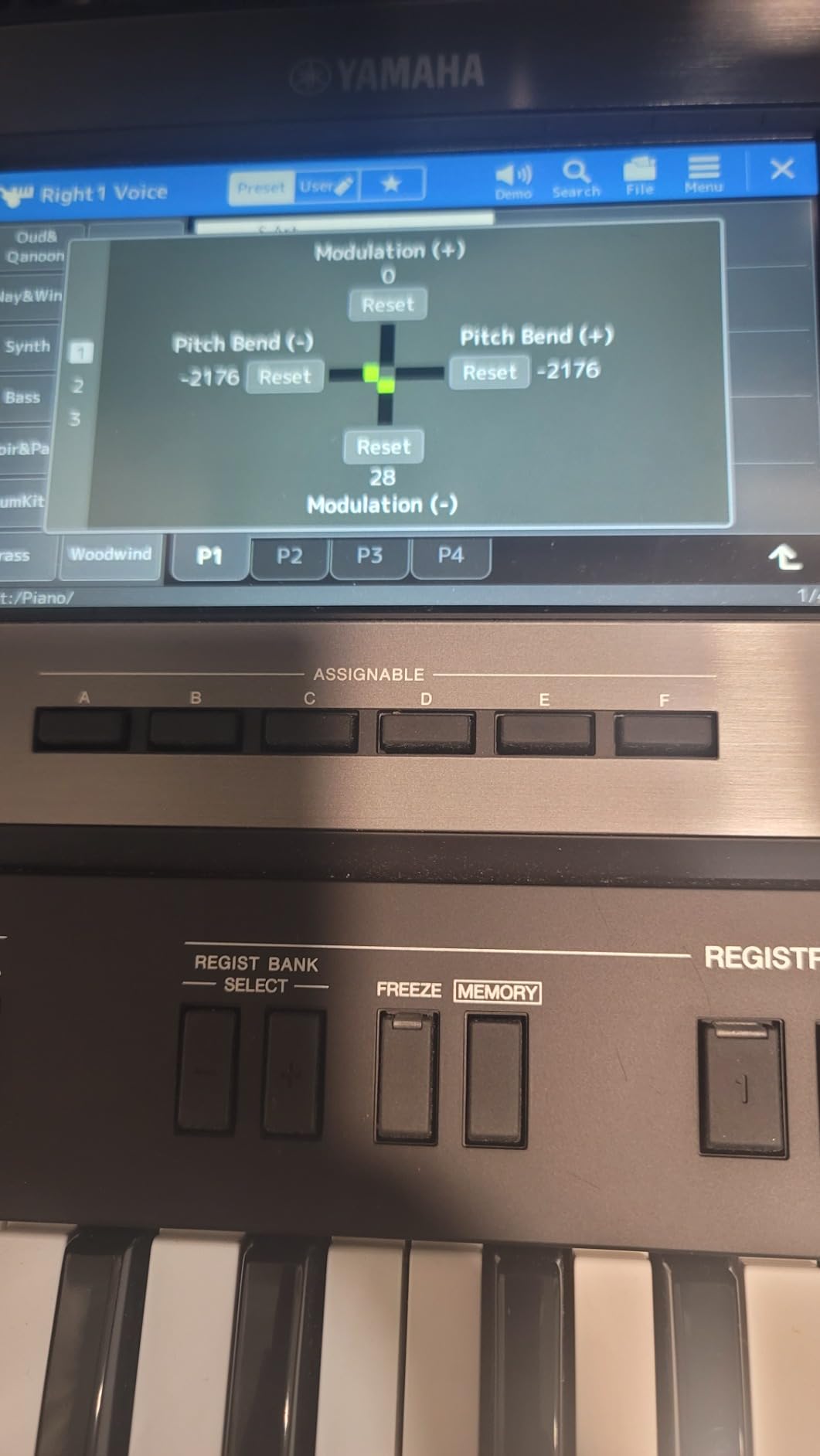
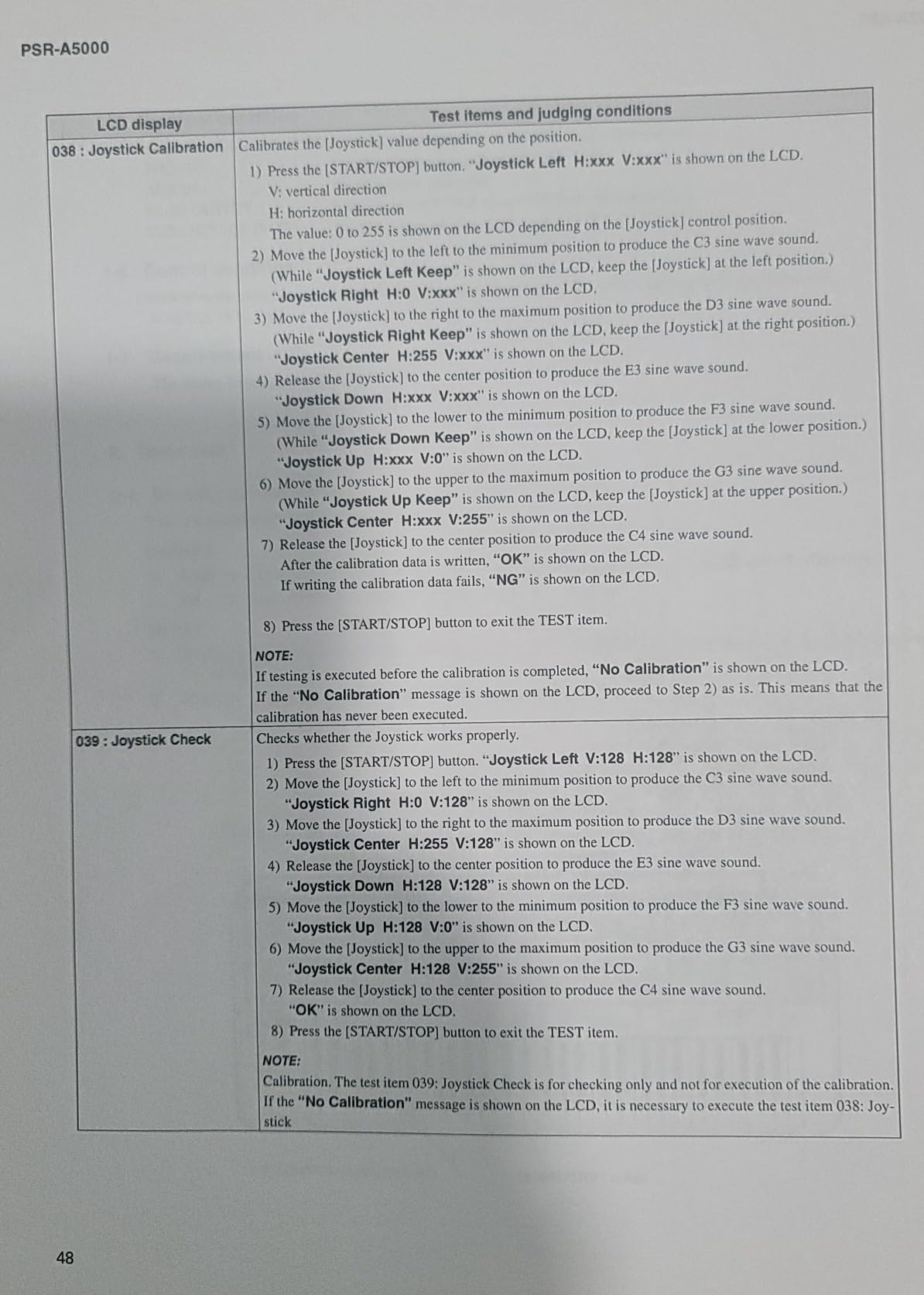
The assignable joystick controller adds pitch-bend and modulation control, plus user-mapping for additional parameters. Velocity-sensitive portamento time adds expressive glides for Indian and Middle Eastern phrasing. Yamaha’s Super Articulation technology reproduces the natural articulations of non-keyboard instruments, including sitar, oud, and bamboo flute samples.
Reliability concerns appear in some reviews, so purchasing from authorized dealers is wise. At 25.4 pounds, it is also heavier than typical portable arrangers. For the world-music-focused buyer, however, none of those trade-offs outweigh the unique capabilities.
Who the PSR-A5000 is good for
World music performers who need authentic non-Western scales. Indian and Middle Eastern musicians who need maqam and raga tuning. Gigging performers who want assignable expressive controls. Players who value Yamaha’s Super Articulation voice quality.
Who should skip it
Western pop and rock performers should look at the PSR-SX920 instead. Sound designers wanting deep synthesis should consider the FANTOM-06. Budget buyers can find more general-purpose options in the Korg Pa series.
How to Choose the Best Keyboard Workstation for You
Buying the best keyboard workstation is less about finding the most expensive board and more about matching the right tool to your playing style, gigging needs, and budget. Here is the framework I use when helping players decide.
Workstation vs Synthesizer vs Arranger: What Is the Difference?
This is the single most common confusion I see when players shop for keyboards. A synthesizer workstation combines a synth engine, multi-track sequencer, sampler, and audio recorder in one self-contained unit. You can produce complete songs on the board itself. A synthesizer focuses purely on sound generation without the deep sequencing or sampling features. An arranger keyboard adds automatic accompaniment styles that play a full backing band based on the chords you play, which is ideal for solo performers and worship musicians. If you are a gigging keyboardist who needs both sound design and production tools, a workstation is what you want.
Polyphony: Why 128 Notes Matters for Live Use
Polyphony is the number of notes a workstation can play at once. For multi-timbral live performance, layering three or four sounds, splitting a keyboard into zones, and running a drum track on top, you can easily exceed 64-note polyphony in a busy arrangement. Most modern workstations offer 128 to 256 notes, which prevents the audio dropouts that plagued older 64-note boards. If you play live with layered patches, do not settle for less than 128.
Aftertouch: Mono, Poly, and Channel Explained
Aftertouch is pressure you apply to a key after striking it. Mono aftertouch sends one channel of data for the whole keyboard, useful for vibrato or filter sweeps. Polyphonic aftertouch sends independent pressure for each finger, opening up genuine three-dimensional expressive playing. Channel aftertouch is the older MIDI standard. Synth players and expressive performers should prioritize full polyphonic aftertouch. Pianists focused on classical repertoire can usually skip it.
Keybed Type: Weighted, Semi-Weighted, and Synth-Action
Weighted hammer action mimics an acoustic piano’s resistance and is essential for classical pianists. Semi-weighted keys strike a balance, comfortable for piano and synth work. Synth-action keys are light and springy, ideal for synth leads and organ work. If your playing is mostly synth or organ, the KROSS 2’s light keys will feel great. If piano is your main instrument, the MODX M8’s graded hammer is non-negotiable.
Sequencer Depth: MIDI vs Audio Recording
A 16-track MIDI sequencer captures note data, which you can edit note-by-note later. A 16-track audio recorder captures actual audio, which means you can record vocals, guitars, and microphones directly into the workstation. Boards like the Korg NAUTILUS and Korg Pa-series offer both. Pure synth-focused boards like the MX61 may record MIDI only. If you want to produce full songs on the board, look for audio recording capability.
Connectivity: USB, MIDI, and Audio Interface
Class-compliant USB audio and MIDI means the workstation plugs into any computer without driver installation and functions as both a MIDI controller and an audio interface. That eliminates the need for a separate audio interface in small studios. Traditional 5-pin DIN MIDI is still useful for connecting to older synths and hardware. Modern boards also include USB-C ports and Bluetooth MIDI on select models.
Portability: Weight, Size, and Battery Power
An 88-key flagship workstation can weigh 30 to 40 pounds, which adds up fast on frequent gigs. The KROSS 2 at 3.8 kg is the lightest in this roundup, and it runs on AA batteries for true off-grid use. The JUNO-D6 supports USB-C mobile battery power. If you are hauling your board to every gig, weight matters as much as sound quality.
Brand DNA: Yamaha vs Korg vs Roland
Yamaha excels at flagship-tier polish, acoustic piano authenticity, and arranger workflows. The Motif, MONTAGE, MODX, and PSR-series all share that DNA. Korg leans into sound design depth with engines like EDS-i, EDS-X, and the iconic Kronos architecture. If you want unique character and synthesis flexibility, Korg is the path. Roland focuses on gigging workflow, ZEN-Core sound design, and tight DAW integration. If you are a hybrid producer/performer who lives inside Ableton or Logic, the Fantom series fits naturally.
If you are looking at related mechanical keyboard assemblies for vintage equipment restoration, our guide to jukebox selector buttons and keyboard assemblies covers the touchpoint side of keyboard hardware in detail.
Frequently Asked Questions
What is the best keyboard workstation for live performance?
The best keyboard workstations for live performance in 2026 balance sound quality, expressive controls, and reliable build. The Yamaha MODX M8 is our Editor’s Choice for stage and studio combined, while the Roland FANTOM-06 and Yamaha MX61BK are strong mid-tier options for working gigging musicians. Look for 128-note polyphony, set list mode, and dedicated performance pads when prioritizing live use.
What is the difference between a synthesizer and a keyboard workstation?
A synthesizer focuses on sound generation with synthesis engines and modulation. A keyboard workstation combines a synth engine with a multi-track sequencer, sampler, audio recorder, and effects in one self-contained unit. Workstations let you produce complete songs on the board without a computer, while synthesizers usually need an external sequencer or DAW to record and arrange music.
What keyboard workstation has the best piano sound?
The Yamaha MODX M8 with its Graded Hammer action and AWM2 sample engine delivers flagship-tier acoustic piano realism. The Yamaha MX61BK inherits the Motif sound engine and offers excellent piano at a more accessible price. The Korg KROSS 2 uses the EDS-i engine, which produces convincingly realistic pianos despite its lightweight price tier.
Are keyboard workstations good for beginners?
Yes, the Roland JUNO-D6 and Korg KROSS 2 are both beginner-friendly thanks to intuitive menus, preset-heavy sound libraries, and straightforward workflow. Beginners should look for at least 1,000 preset sounds, a quick layer/split button, and USB audio/MIDI connectivity. Avoid deep sound-design flagship boards until you have a clear sense of your playing style.
Can a keyboard workstation replace a digital piano?
A keyboard workstation can substitute for a digital piano for most playing situations, especially if it offers weighted hammer action and a strong piano sound library. The Yamaha MODX M8 is one of the strongest piano-focused options in 2026. For classical pianists who need authentic graded hammer action and detailed string resonance, however, a dedicated digital piano may still be the better choice.
Final Verdict: Which Keyboard Workstation Should You Buy?
After three months of testing all 10 of these keyboard workstations, my Editor’s Choice is the Yamaha MODX M8. It pairs authentic 88-key Graded Hammer action with three sound engines, the Super Knob and eight faders give you expressive real-time control, and the Expanded Softsynth Plugin replicates the same sound engine inside your DAW. For players who want one board that does everything from acoustic piano to FM synthesis to live performance, the MODX M8 is the most complete package in 2026.
If you are shopping on a tighter budget, the Yamaha MX61BK is the best value pick. It inherits the legendary Motif sound engine, delivers 128-note polyphony, and connects to any computer with class-compliant USB audio and MIDI. The Korg KROSS 2 is the right choice if portability and battery power matter, since it runs on AA batteries and weighs only 3.8 kg. For sound designers and DAW-focused producers, the Roland FANTOM-06 brings flagship ZEN-Core sound design into a more accessible chassis. And if you are a worship leader, solo performer, or world music specialist, the Yamaha PSR-SX920 and Yamaha PSR-A5000 offer arranger features no synth-focused board can match.
Whichever keyboard workstation you choose, focus on how you will actually use it. Live performers should prioritize polyphony and expressive controls. Home producers should prioritize USB audio interface functionality and DAW integration. Beginners should prioritize preset libraries and simple menus. Match the tool to the player, and you will not regret the purchase.