
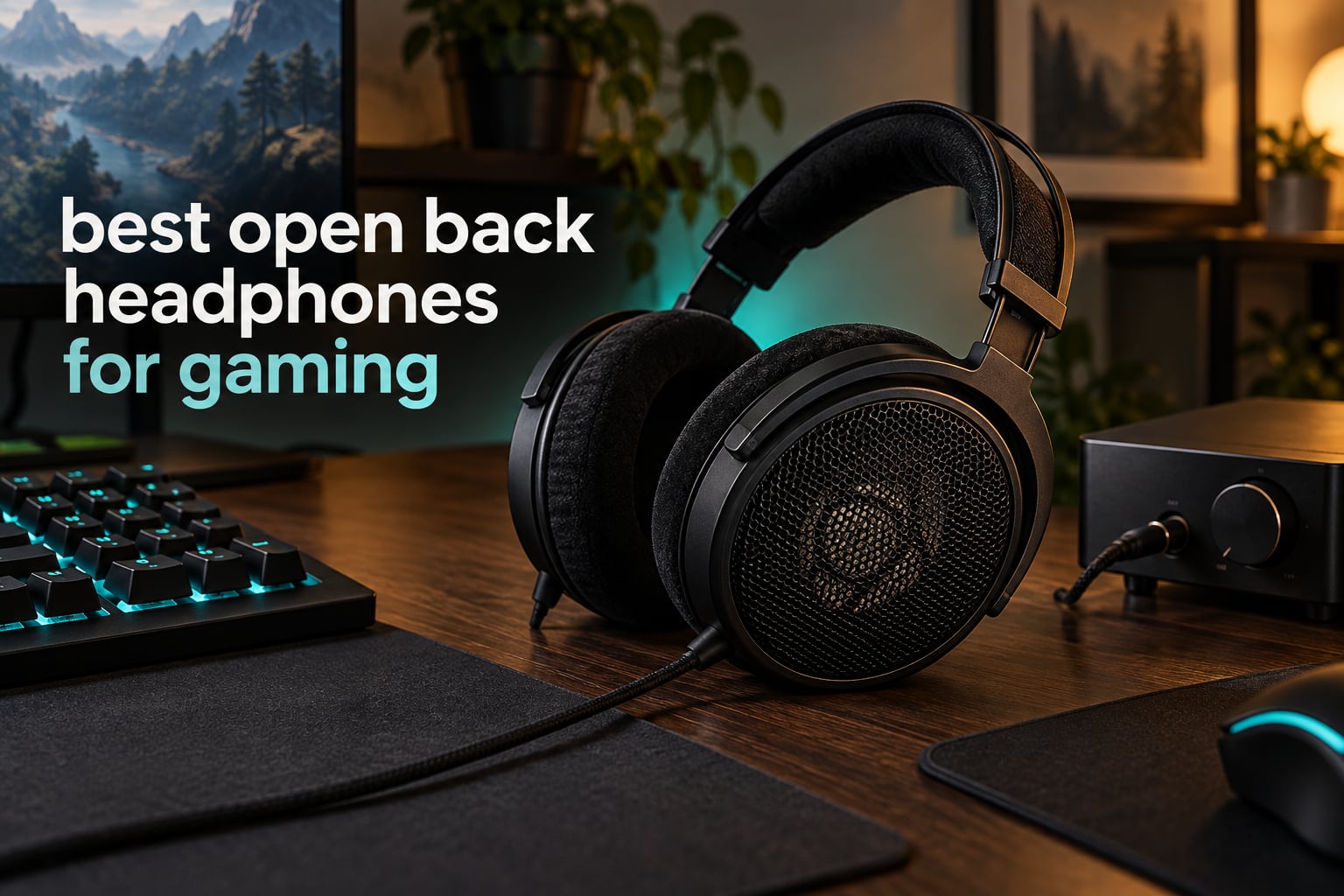
There is a short answer: the beyerdynamic DT 990 Pro is the best open back headphones for gaming in 2026 for most people, because its 250 ohm load is easy to amplify, its soundstage is wide enough to place a footstep behind a wall, and more than twenty thousand owners have already documented how it behaves. We also picked a lighter pair for long sessions, a premium studio model for pure positional accuracy, and seven more options that cover every budget and every room.
Open-back headphones vent the back of each earcup, so sound reaches your ears from a wider, speaker-like field instead of bouncing around inside a sealed cup. In a shooter that shows up as cleaner separation between layers of audio and steadier left or right placement. You also hear your own keyboard, your fans and the person talking in the next room, which is the whole trade-off in one sentence.
This roundup covers ten pairs we looked at side by side, from a plan-and-play pair that fits almost any budget up to a studio reference built for pinpoint localization. Every pick is wired, because that is still how nearly all true open-back headphones are built. If you want wireless, our noise cancelling headphones guide covers that category instead, where the trade-offs run the opposite way.
Table of Contents
- Top 3 Best Open Back Headphones for Gaming (October 2026)
- All 10 Open-Back Headphones Compared in 2026
- 1. beyerdynamic DT 990 Pro: the best open back headphones for gaming overall
- 2. Audio-Technica ATH-R50X: the lightest pair here for long sessions
- 3. Sennheiser HD 490 PRO: best positional accuracy for competitive shooters
- 4. EPOS H6Pro: the best open back gaming headset with a mic in one box
- 5. Sennheiser HD 599: the warm pick for gaming and music
- 6. HiFiMAN HE400SE: the cheapest way into planar magnetic gaming audio
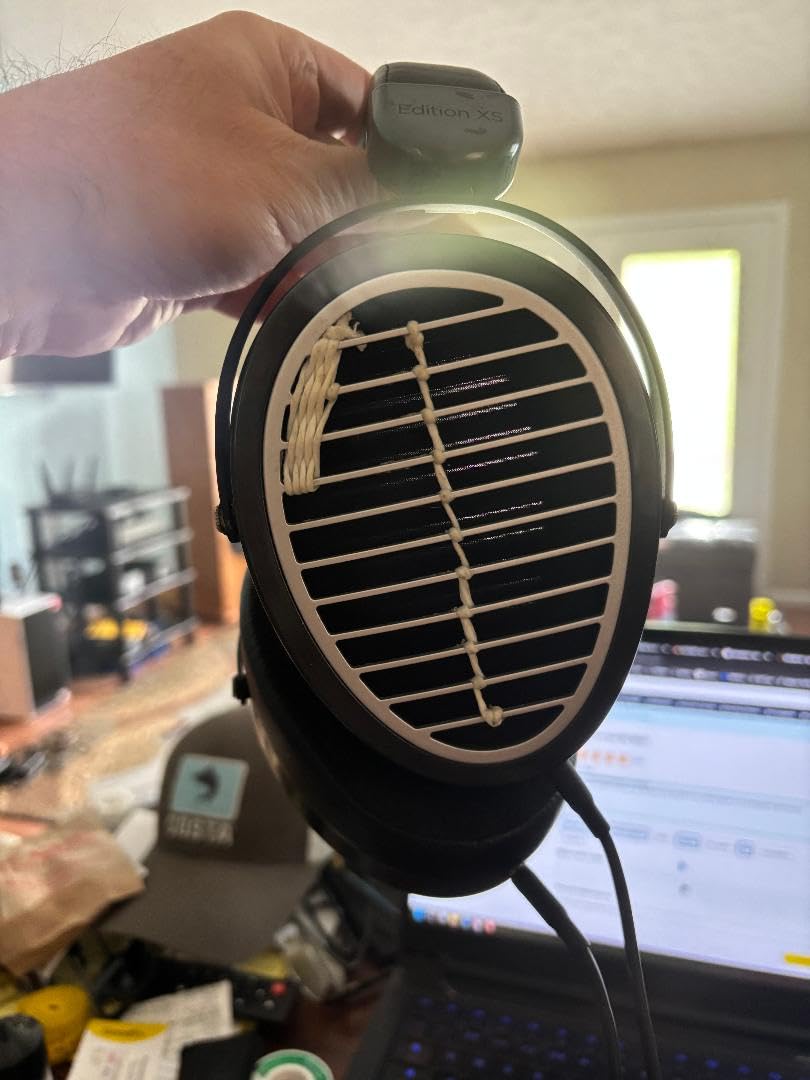
- 7. HiFiMAN Edition XS: the easiest planar to drive from a laptop or console
- 8. Linsoul Kiwi Ears Altruva: the best value pair that still scales with an amp
- 9. Philips SHP9600: the cheapest real open-back worth buying
- 10. Audio-Technica ATH-GDL3BK: an open-back headset with mic and cup controls
- Open-Back vs Closed-Back Headphones for Gaming
- Do You Need an Amp or DAC for Open-Back Gaming Headphones?
- Microphones and All-in-One Headsets for Open-Back Gaming
- How We Picked and What to Check Before Buying
- Frequently Asked Questions
- Are open-back headphones good for gaming?
- Which is better for gaming, open-back or closed-back headphones?
- What are the best open-back gaming headphones with a microphone?
- Do open-back headphones leak a lot of noise?
- Do open-back headphones need an amplifier or DAC?
- Why do gamers use open-back headphones?
- Can I use open-back headphones with a gaming laptop or PS5?
- Final Verdict
Top 3 Best Open Back Headphones for Gaming (October 2026)

beyerdynamic DT 990 Pro
- Wide open soundstage
- 250 ohm studio impedance
- Velour pads
- Spring-steel headband

Sennheiser HD 599
- Warm full-bodied tuning
- 50 ohm easy to drive
- Two detachable cables
- Velour pads

All 10 Open-Back Headphones Compared in 2026
| Product | Specs | Action |
|---|---|---|
| beyerdynamic DT 990 Pro |
|
Check Latest Price |
 Audio-Technica ATH-R50X Audio-Technica ATH-R50X |
|
Check Latest Price |
 Sennheiser HD 490 PRO Sennheiser HD 490 PRO |
|
Check Latest Price |
| EPOS H6Pro |
|
Check Latest Price |
| Sennheiser HD 599 |
|
Check Latest Price |
 HiFiMAN HE400SE HiFiMAN HE400SE |
|
Check Latest Price |
 HiFiMAN Edition XS HiFiMAN Edition XS |
|
Check Latest Price |
 Linsoul Kiwi Ears Altruva Linsoul Kiwi Ears Altruva |
|
Check Latest Price |
 Philips SHP9600 Philips SHP9600 |
|
Check Latest Price |
 Audio-Technica ATH-GDL3BK Audio-Technica ATH-GDL3BK |
|
Check Latest Price |
1. beyerdynamic DT 990 Pro: the best open back headphones for gaming overall
beyerdynamic DT 990 Pro (250 Ohm), Open-Back Studio Headphones, Black
Dynamic driver
250 ohm impedance
96 dB sensitivity
Velour pads
Fixed coiled cable
Pros
- Very wide open soundstage makes directional game audio easy to place
- Authoritative fast bass with clean separation between low notes
- Velour pads and spring-steel headband stay comfortable in long sessions
- Exceptionally clear highs reveal fine detail
Cons
- 250 ohm load wants a headphone amp or capable audio interface
- Deliberately bright treble can fatigue ears
- Fixed coiled cable cannot be detached
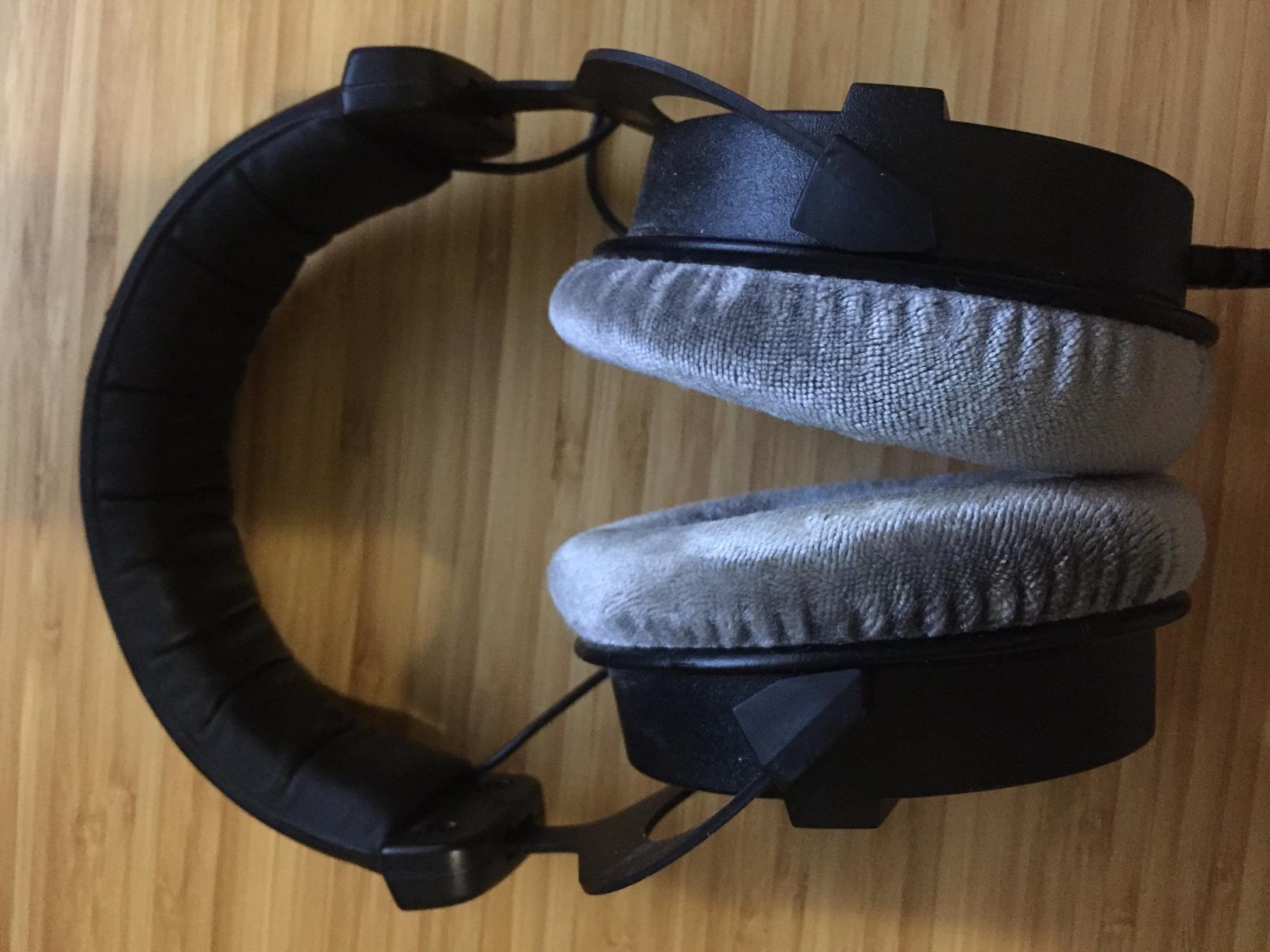
The DT 990 Pro has been the mixing reference in studios for two decades, and that shows up in games as a genuinely wide stereo field. Footsteps read at distinct heights, gunfire behind you stays behind you, and there is very little sense of everything collapsing into one wall of sound.
Basically it is a headphone you can learn on, because the tuning does not flatter. Gunfire and explosions come through with real weight, and the midrange stays open rather than getting buried, which is where most gaming headsets fall apart.
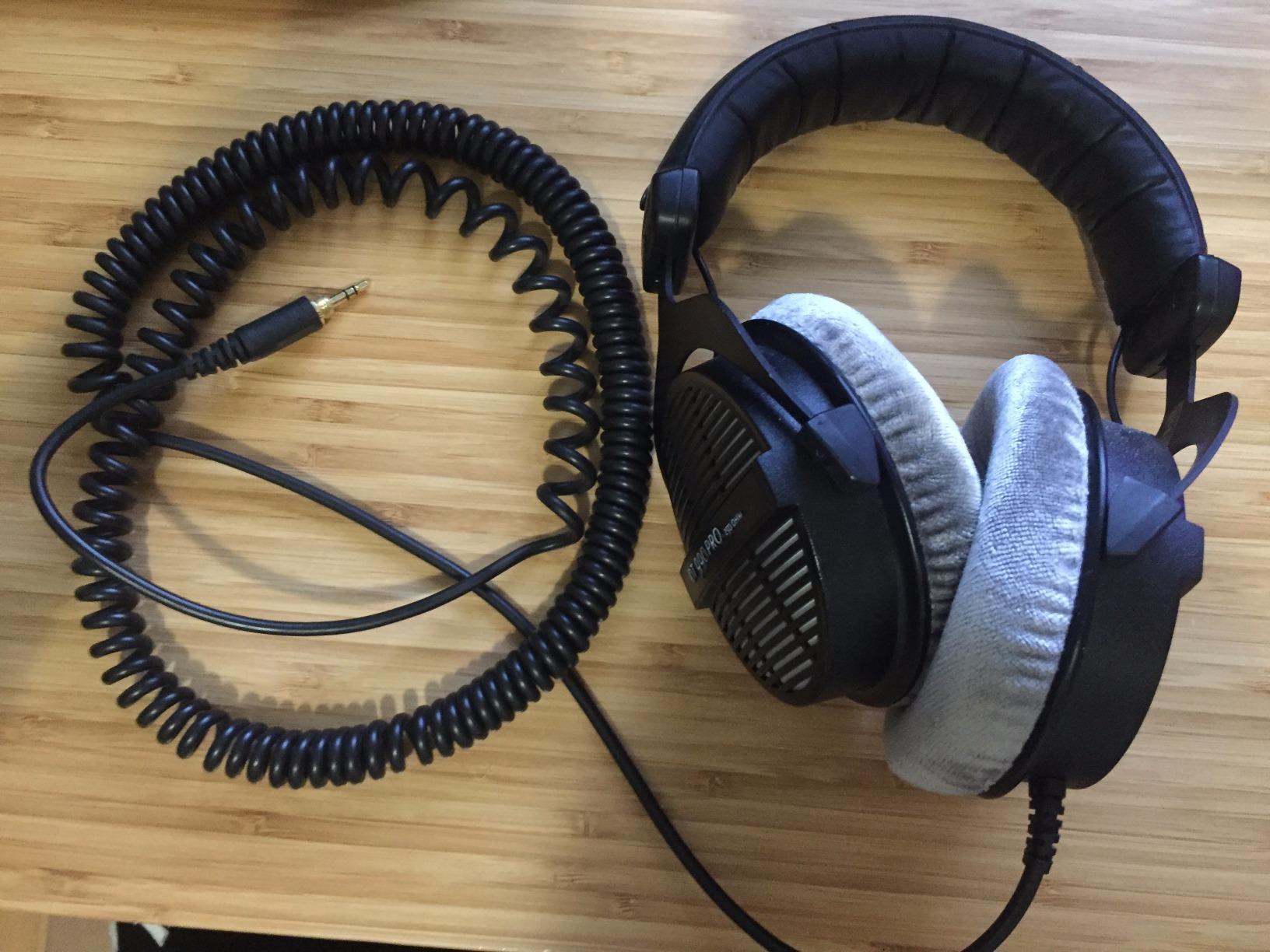
The catch is the 250 ohm impedance. Plug it into a laptop jack and it will play, but quietly and with less weight in the bass. Add any inexpensive desktop DAC with a headphone out and it changes character noticeably, so budget for that before you decide this pair is not for you.
Treble is analytical rather than smooth, which suits reading fine positional detail but tells you plainly when a game mix is harsh. If you are sensitive to sibilance, try the ATH-R50X in the next section instead, or plan to pull the top end back with a little EQ.
Who the DT 990 Pro suits
Players who play shooters and open-world games in a quiet room and want one headphone that also works for music. Owners of this model routinely describe positional gaming audio improving over closed-back headsets once they make the switch.
It is also a safe buy for anyone who wants a documented, well-understood tuning rather than a boutique signature. Two pad options are easy to find, and the frame is serviceable.
Where it disappoints
The fixed three-metre coiled cable cannot be swapped out easily, which matters if you run a single-cable desk setup. Headband pressure can also create hotspots after several hours, and the open grille looks dated next to newer aluminium designs.
If you game in a shared flat or work next to a talker, skip this and look at a closed-back or a hybrid. And if your PC has no headphone output worth the name, this pair will underperform its potential.
2. Audio-Technica ATH-R50X: the lightest pair here for long sessions
Audio-Technica ATH-R50X Open-Back Headphones
Dynamic driver
50 ohm impedance
93.3 dB sensitivity
207 g
Two detachable cables
Pros
- Exceptionally light at 207 g with low clamp force for all-day wear
- Wide realistic soundstage with strong imaging for locating directional sounds
- Clean referential tuning that works without EQ
- Bright detailed upper treble presents voices clearly
Cons
- Restrained bass extension can sound flat without EQ
- Slightly bright upper mids can be sharp for some listeners
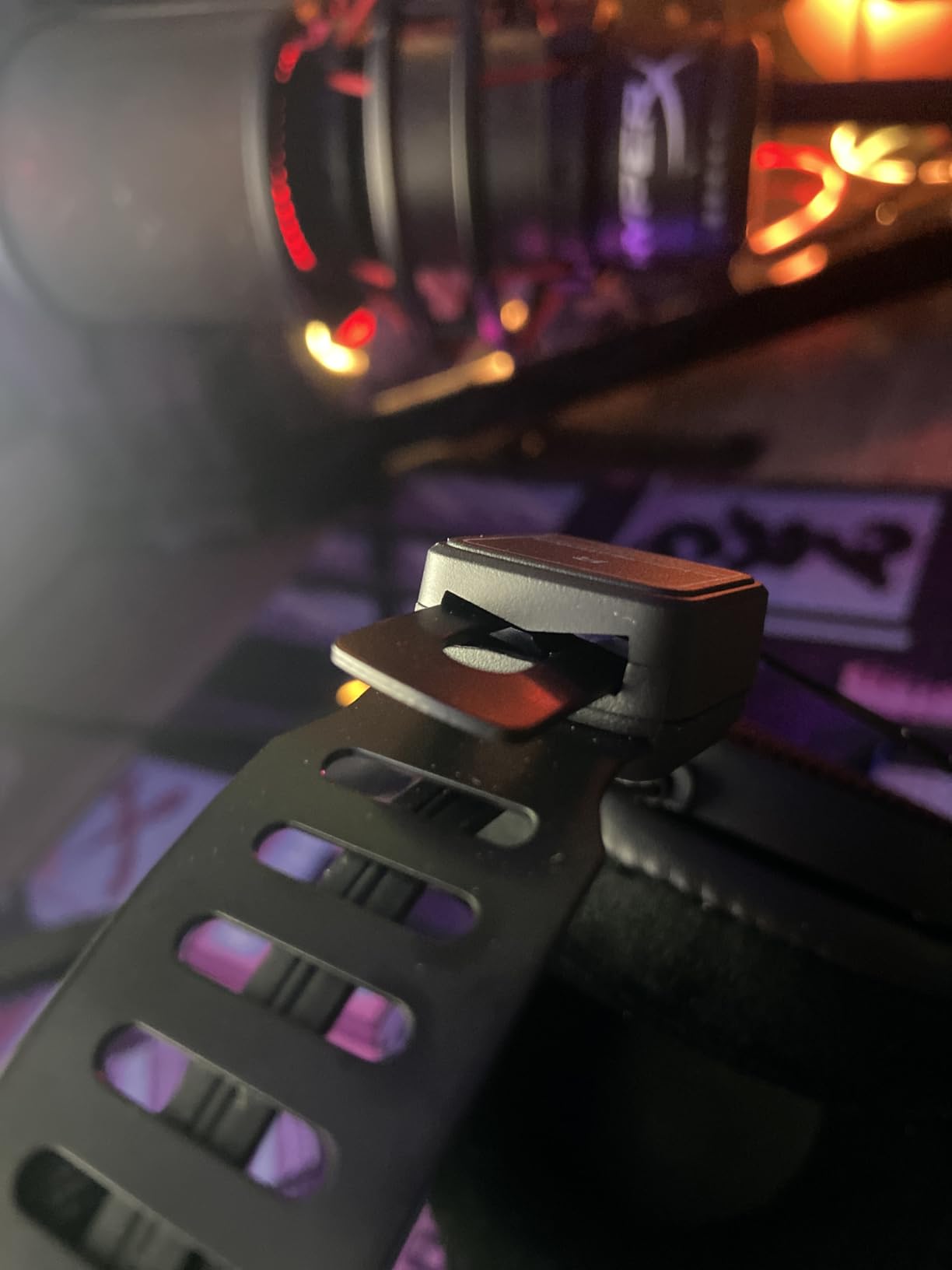
- Proprietary twist-lock cable limits aftermarket cable choices
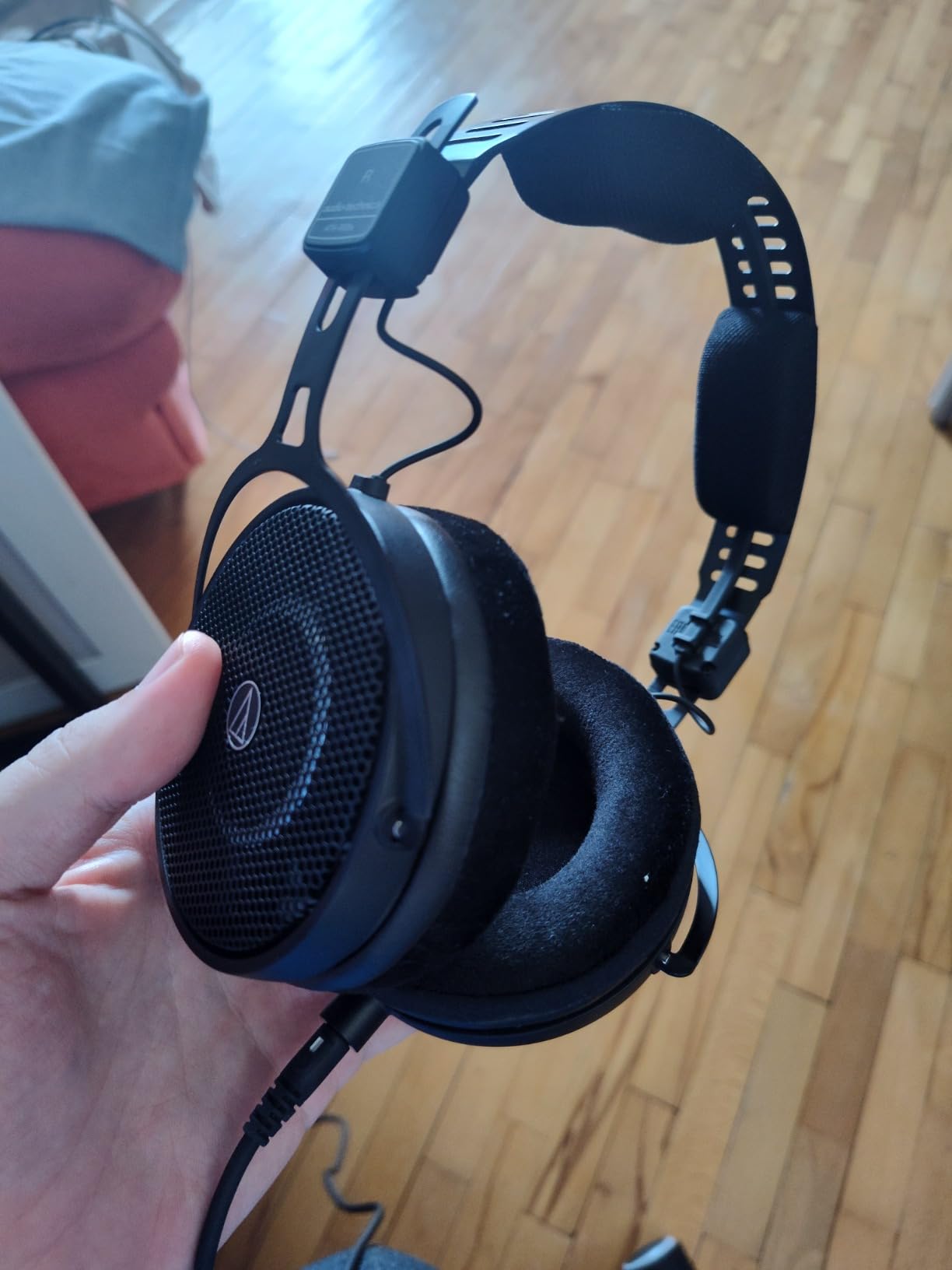
At 207 g this is the pair we forget we are wearing. The clamp force is gentle and the lightweight frame does not create the pressure hotspots that heavier open-backs develop after a six-hour session. For a player who logs that many hours, comfort is not a minor detail.
Audio accuracy is the headline. The soundstage is wide and realistic, and imaging is strong enough that several owners specifically call out how well it picks out footsteps and directional cues in shooters. Nothing here depends on virtual surround software.
The tuning is the classic clean, referential Audio-Technica signature, which sounds a little bare next to a gaming headset with boosted bass and cinematic effects. Out of the box the low end is restrained, and a touch of low-shelf EQ usually fixes that in seconds.
The trade is brightness. The upper treble presents vocals with real clarity and detail, though a smaller group of listeners find the upper-mid lift sharp at higher volumes. If you are treble-sensitive, this is worth knowing before you commit.
Who the ATH-R50X suits
Anyone whose main problem with expensive gaming headsets is physical fatigue, and anyone who wants a neutral starting point for EQ. Reviewers frequently recommend pairing it with an external microphone for voice chat.
Two detachable cables of different lengths are included, one of them with a twist-lock connector and an adapter, so using it on a console or a laptop with a single port is straightforward.
Where it disappoints
There is no microphone at all, so voice chat needs a separate solution. The proprietary connector also means aftermarket cable options are limited to what exists in that standard.
Sound bleeds in and out of the cups by design. In a shared room that is the deal-breaker, and no EQ setting fixes it.
3. Sennheiser HD 490 PRO: best positional accuracy for competitive shooters
HD 490 PRO Open-Back Professional Headphone
Dynamic driver
130 ohm impedance
105 dB sensitivity
200 g
Two pad sets
Pros
- Extremely wide dimensional soundstage with ultra-precise source localization
- Uncolored response from 5 Hz to 36 kHz
- Low-frequency cylinder system gives defined sub-bass
- Two pad sets tuned for producing or mixing
Cons
- 130 ohm load needs a capable headphone amp
- Professional studio price sits above consumer gaming headsets
- No integrated microphone or volume control
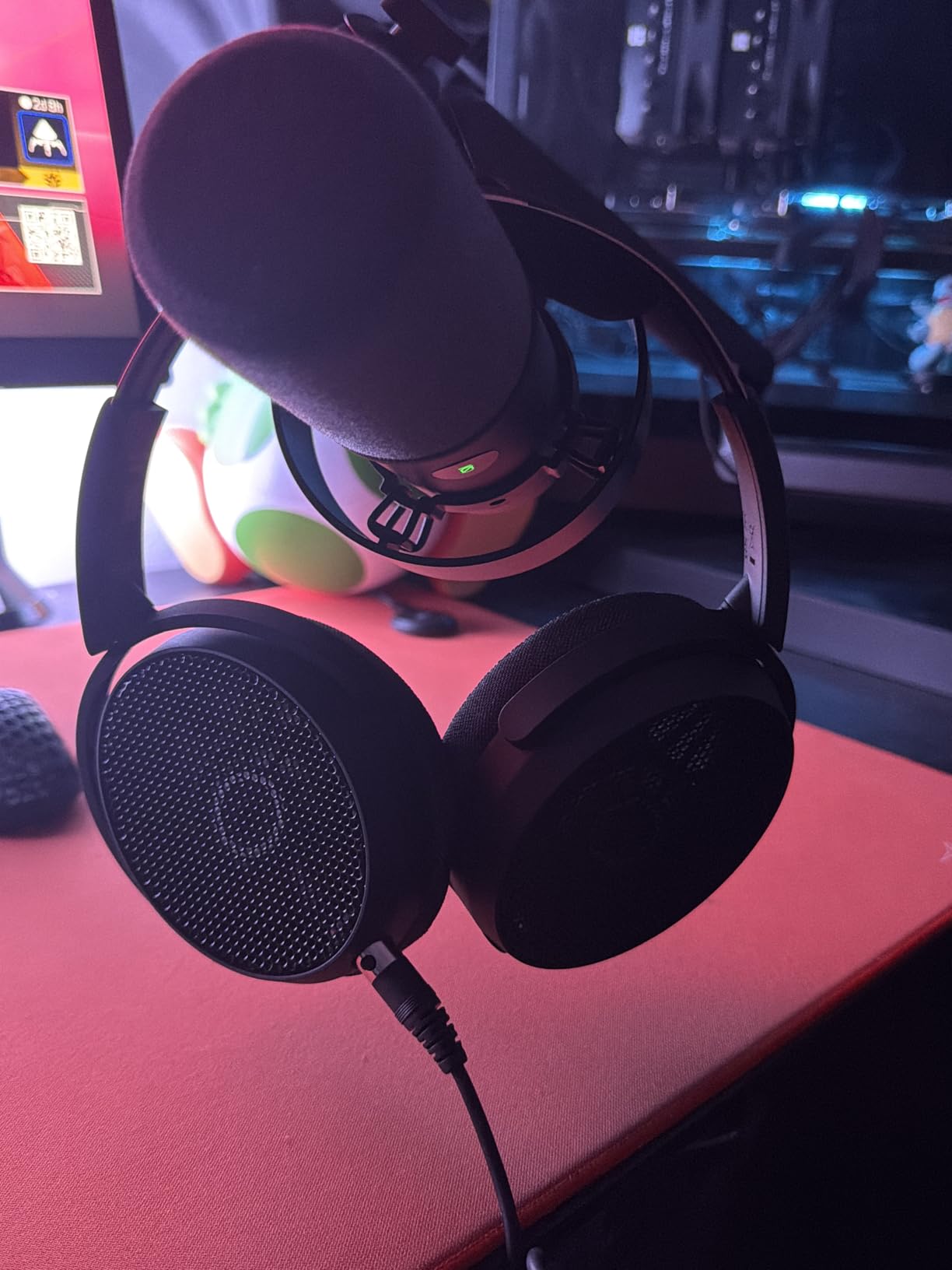
Reviewers consistently put localization and imaging first when describing this model, describing the soundstage as wide and dimensional with precise placement of sources. That is exactly the property competitive shooters reward, and it is the reason this pair sits so high despite being the most expensive option here.
The response is uncolored from 5 Hz to 36 kHz, so game audio arrives the way the mix was built rather than the way a marketing department wanted it. The low-frequency cylinder system delivers defined, accurate sub-bass instead of the vague rumble many open designs produce.
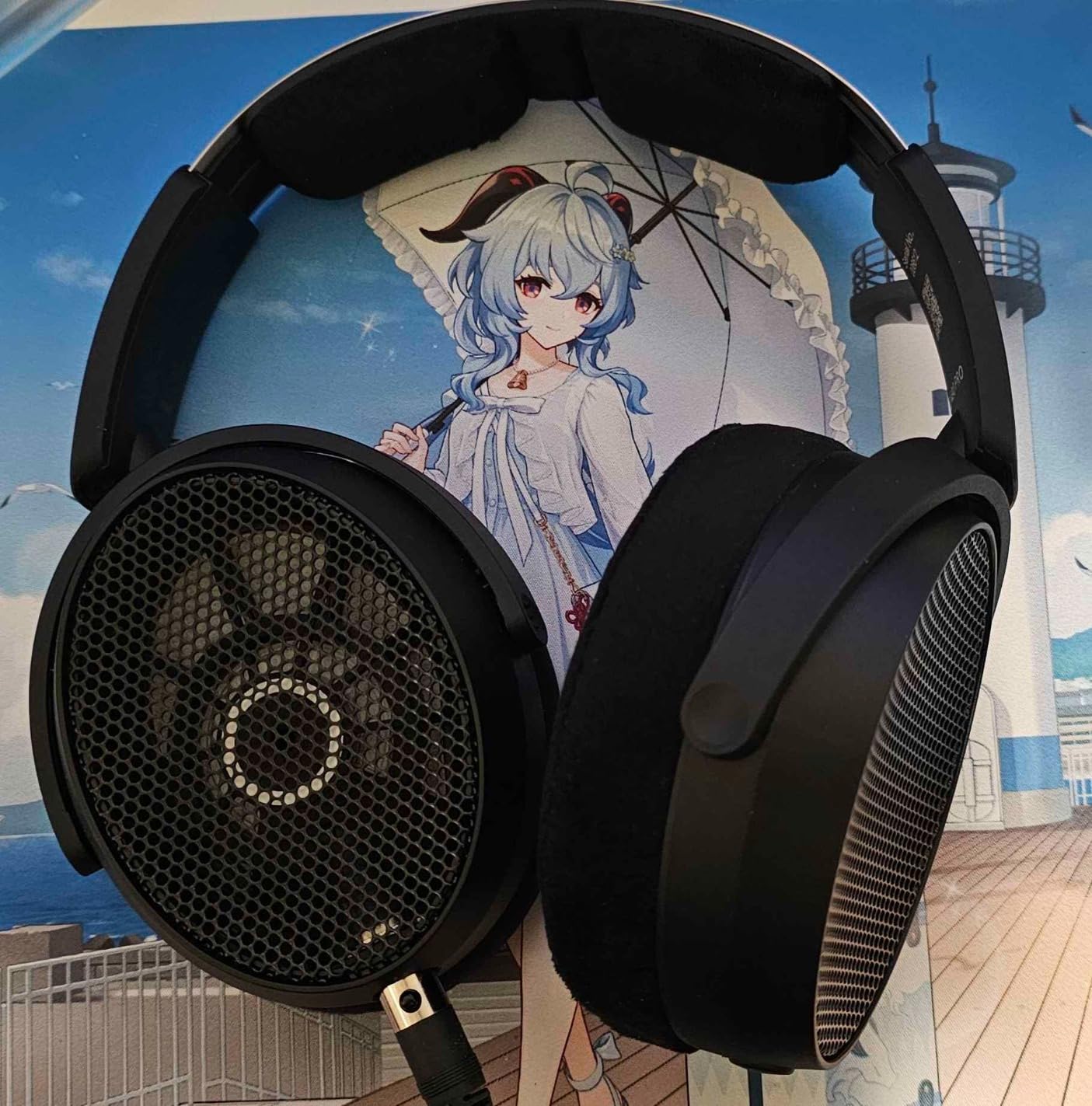
Comfort is handled unusually well for a studio tool. Two sets of ear pads are included, one tuned for producing and one for mixing, and reviewers call that a genuinely useful workflow feature rather than a gimmick when you are in a long session.
Two practical warnings. The 130 ohm impedance wants a headphone amplifier to reach full volume, and there is no microphone or inline volume control, so voice chat needs a separate mic.
Who the HD 490 PRO suits
Players who take positional accuracy as the main advantage and have the amplifier and the microphone budget to match. It is equally at home mixing and gaming, so one pair covers both jobs.
At 200 g it is also light, and the washable replaceable pads mean it can stay in rotation for years.
Where it disappoints
It is a professional studio tool priced well above consumer gaming headsets, and asking a first-time audiophile buyer to also buy an amp is a large first step. Open construction still means zero isolation from the room.
The aluminium construction adds weight compared with plastic alternatives, which is a fair criticism only if you are counting every gram.
4. EPOS H6Pro: the best open back gaming headset with a mic in one box
EPOS H6Pro Open Acoustic Gaming with Mic – Immersive Sound, Lightweight Comfort, and Durable Design – Works with Xbox, PS4/PS5 & PC/Windows – Green
Dynamic driver
28 ohm impedance
309 g
Detachable magnetic boom mic
3.5 mm jack
Pros
- Open acoustic design gives realistic in-game positional awareness
- Detachable magnetic boom mic removes entirely when you use a separate microphone
- Slimmed boom arm picks up voice cleanly without monitoring feedback
- 28 ohm is easy to drive from console PC and laptop
Cons
- Open design lets ambient room noise in and game audio out
- On-board mic is adequate rather than broadcast-grade
- No low-latency wireless option despite the listed Bluetooth version
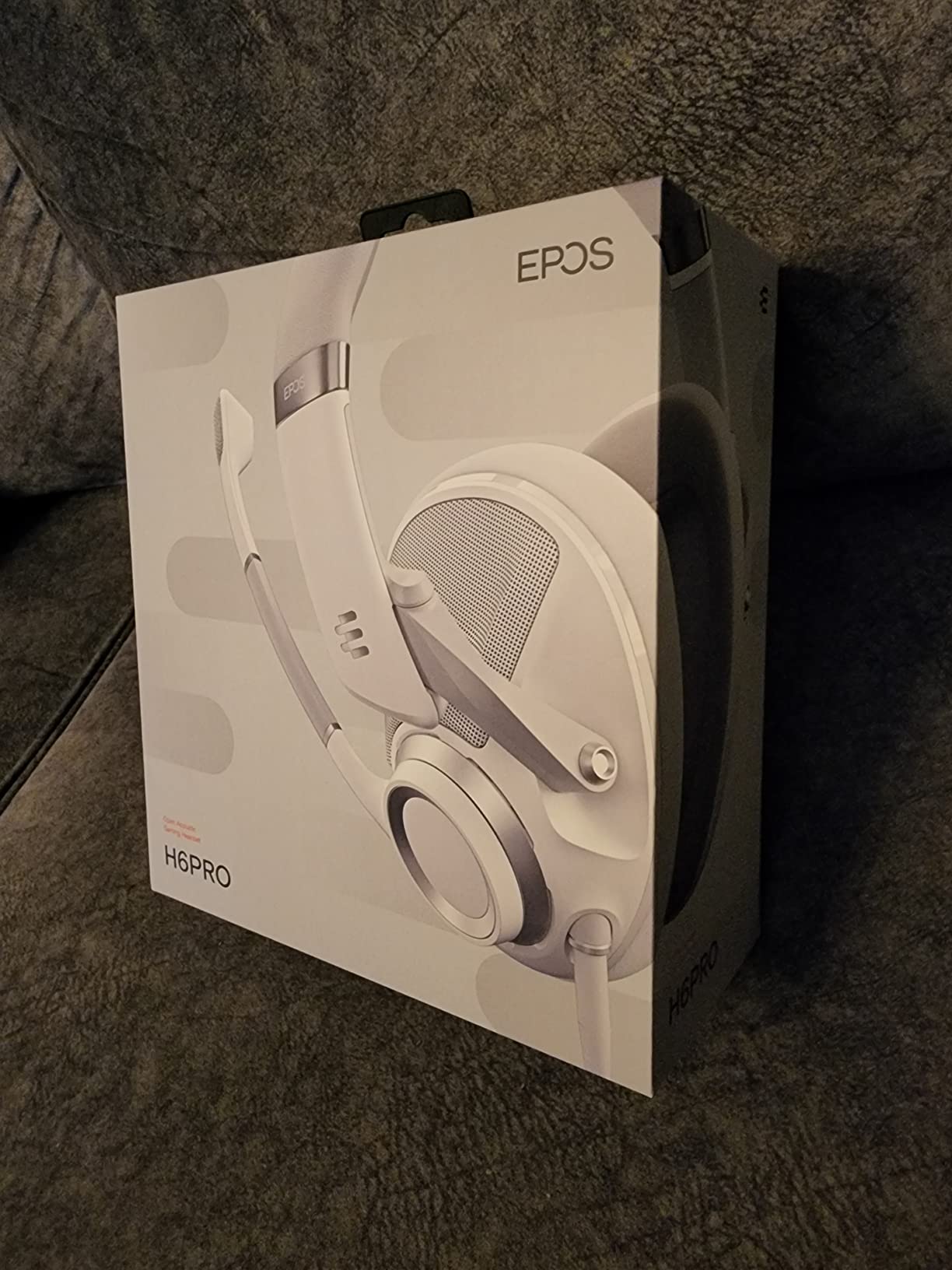
Most audiophile open-backs ship with no microphone at all, and that is the single most common reason buyers in the headphone communities give up on them. The H6Pro solves that in the box, which is why it is the practical pick for casual multiplayer and anyone without a separate microphone already.
The open acoustic design gives a realistic, natural presentation, and buyers consistently report that positional cues are noticeably easier to read than on closed-back headsets. At 28 ohm it will drive from a console, a PC or a laptop without any extra hardware.
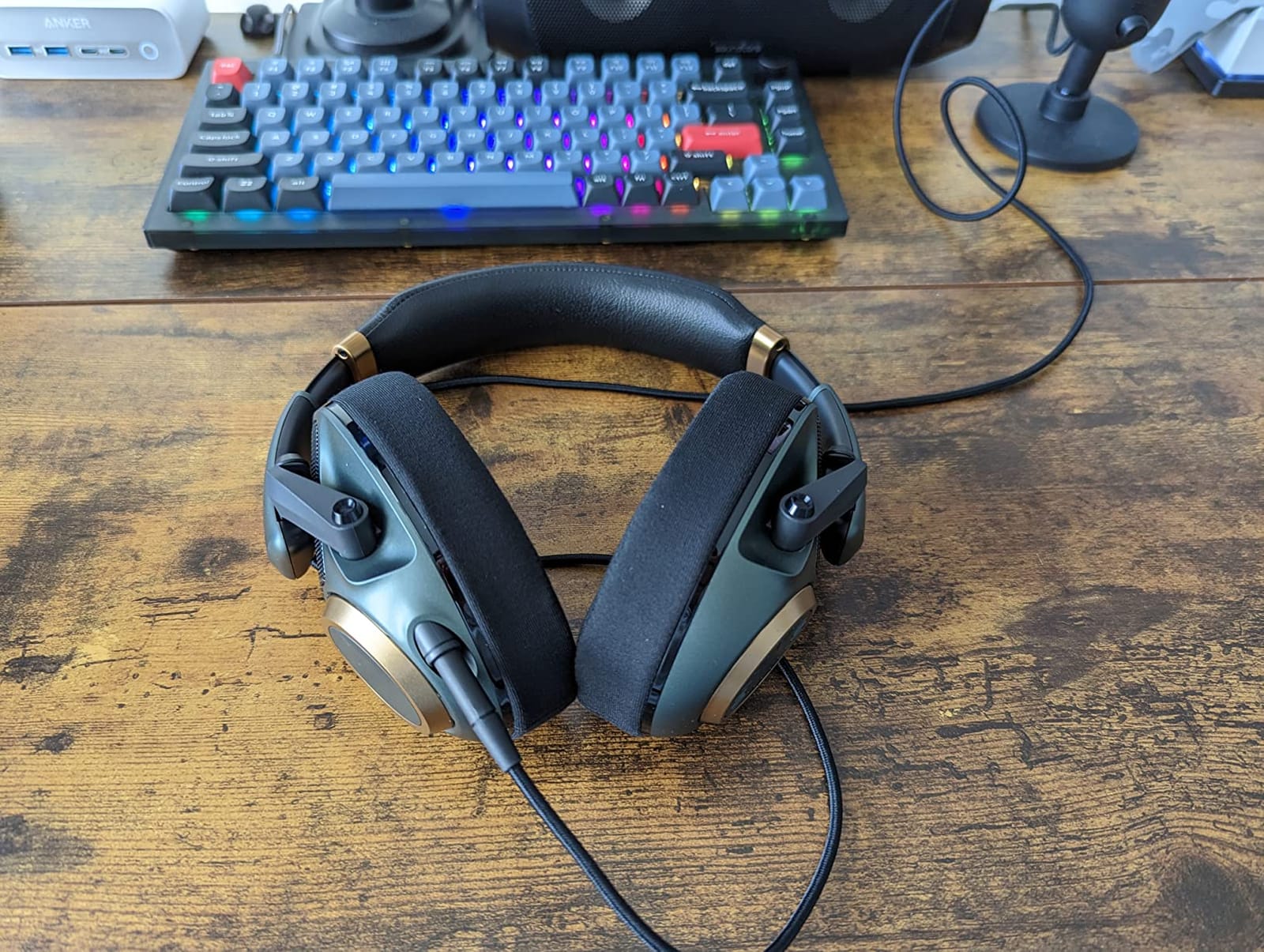
The boom arm is magnetic and detachable, so you can pull the whole mic off and run a separate microphone instead. That flexibility matters more than it sounds: several users prefer this headphone with a better mic once they start streaming.
The slimmed boom arm picks up voice cleanly without feedback loops from mic monitoring, which is a common complaint with cheaper gaming headsets. Comfort holds up well over long sessions despite the 309 g weight.
Who the H6Pro suits
Players who want open-back positional audio and a working microphone in a single purchase, and anyone switching from a closed-back gaming headset who does not want to buy a second device.
It is listed as compatible with Xbox, PlayStation and PC hardware, which makes it the least fussy option on this list.
Where it disappoints
The included microphone is adequate rather than broadcast-grade, so streamers should plan a separate mic. There is also no low-latency wireless option despite the Bluetooth version appearing in the specifications.
And the trade remains: the open design lets room noise in and game audio out.
5. Sennheiser HD 599: the warm pick for gaming and music
Sennheiser HD 599 Open-Back Wired Audiophile Headphones, Ivory
Dynamic driver
50 ohm impedance
0.71 kg
Velour pads
Two detachable cables
Pros
- Rich warm full-bodied tuning with strong present bass
- Exceptional detail retrieval across the frequency spectrum
- Wide spacious soundstage with easy instrument placement
- Velour pads and padded headband stay comfortable in long sessions
Cons
- Heavier at 0.71 kg than most open-back rivals
- No isolation from room noise
- No integrated microphone for voice chat
- Bass-forward tuning can slightly obscure midrange detail at high volume
The HD 599 is the pair to buy if your gaming headphone also has to be the headphone you leave on the desk for music. Owners describe it as the more relaxing listen next to technically analytical studio monitors, and that character carries straight into long game sessions.
Bass is rich and present, detail retrieval is exceptional across the range, and the soundstage is wide and spacious with instrument placement easy to read. In games, explosions and gunfire have body without swallowing the midrange.
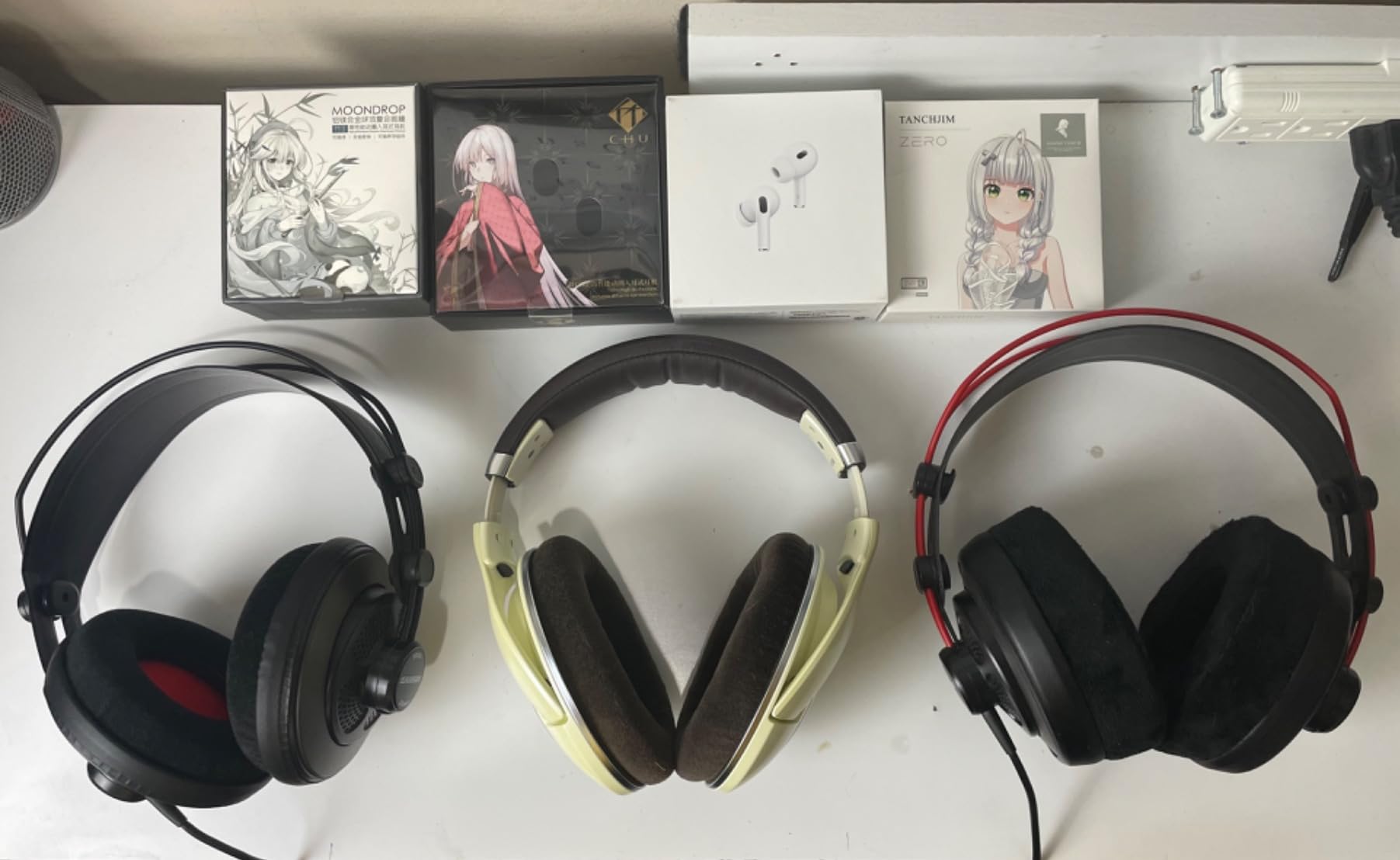
Velour-covered pads and a padded headband make long sessions comfortable, and two detachable cables with both 3.5 mm and 6.3 mm options are included, so you are not hunting for the right lead on day one.
At 50 ohm it is easy to drive from consoles, PCs and laptops, which removes the amplifier question entirely for this model.
Who the HD 599 suits
Players who listen to a lot of music and want one pair for both. Users frequently frame it as the natural home-listening complement to a closed-back mixing pair, which is a good sign for a dual setup.
It is also a forgiving first audiophile purchase, with a warm tuning that is easier to live with for long hours than a bright one.
Where it disappoints
Weight is the real limitation. At 0.71 kg these cups are noticeably heavier than most open-back competitors, and that shows up in long marathon sessions.
There is no microphone, so voice chat requires a separate solution, and the open design offers no isolation from a chatty room.
6. HiFiMAN HE400SE: the cheapest way into planar magnetic gaming audio
HIFIMAN HE400SE Stealth Magnets Version Over-Ear Open-Back Full-Size Planar Magnetic Wired Headphones for Audiophiles/Studio, Great-Sounding, Stereo, High Sensitivity, Comfortable, Sliver
Planar magnetic driver
32 ohm impedance
91 dB sensitivity
390 g
6.35 mm adapter
Pros
- Planar magnetic driver delivers far lower distortion than dynamic designs
- Acoustically transparent Stealth Magnet design keeps the stage wide
- 91 dB sensitivity suits low-power sources like consoles and laptops
- Lightweight adjustable headband stays cool
Cons
- Construction is largely plastic and feels less premium than metal rivals
- Sound bleeds in and out with no isolation
- No microphone included for voice chat
- Bass impact is modest compared with dynamic-driver open-backs
The HE400SE is the budget route into planar magnetic drivers. Owners treat it as a gateway purchase, frequently noting that the low distortion and open presentation outperform headphones costing considerably more, and in games the planar’s evenness makes directional cues easy to follow.
With 32 ohm impedance and 91 dB sensitivity it is a good match for low-power sources, so a console, a laptop or a portable player will drive it without complaint. A dual-sided 3.5 mm cable and a 6.35 mm adapter are included.
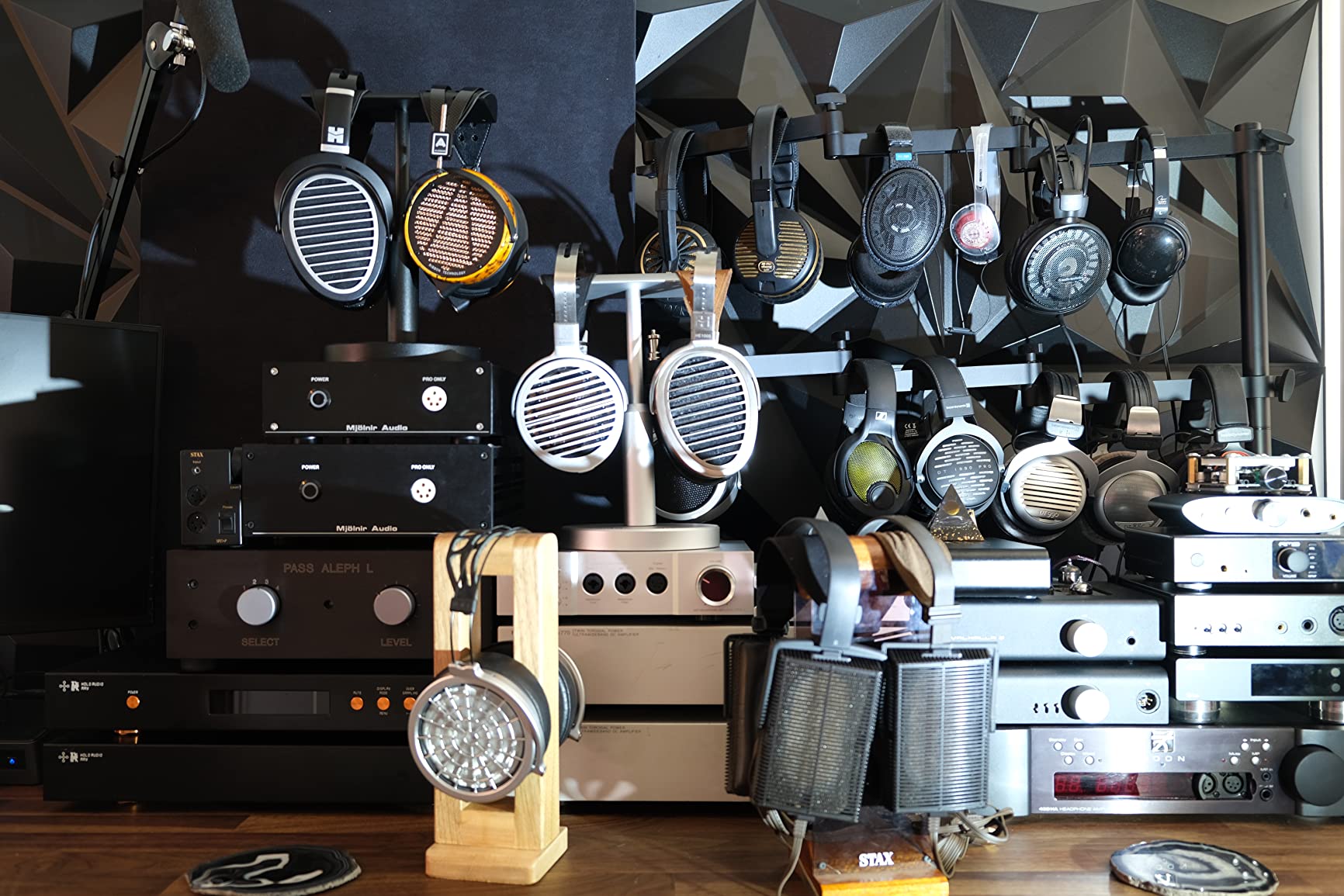
The Stealth Magnet design keeps the soundstage wide and accurate, which is the whole reason this class of driver is interesting for competitive play. Transients are fast enough for gunfire cues to stay distinct rather than smeared.
At 390 g with an adjustable headband it stays comfortable in warm weather over long sessions. That matters more than it sounds in a summer gaming marathon.

Who the HE400SE suits
Players on a tight budget who want to try planar sound without buying into a high-impedance design. It also works as a travel pair for players who move between devices.
Reviewers consistently recommend it for music and gaming with a separate microphone rather than for shared noisy rooms.
Where it disappoints
The build is largely plastic and feels less premium than metal-bodied rivals, and the cups do nothing to stop sound travelling in or out.
Bass impact is modest next to dynamic-driver open-backs. If you play a shooter and read sound through low-frequency weight, a dynamic model may serve you better.
7. HiFiMAN Edition XS: the easiest planar to drive from a laptop or console
HIFIMAN Edition XS Full-Size Over-Ear Open-Back Planar Magnetic Hi-Fi Headphones with Stealth Magnets Design, Adjustable Headband, Detachable Cable for Audiophiles, Home, Studio-Black
Planar magnetic driver
18 ohm impedance
92 dB sensitivity
Detachable cable
3.5 mm
Pros
- Very low 18 ohm impedance is easy to drive from console or laptop without an amp
- NEO supernano diaphragm is 75 percent thinner for fast transients and detailed imaging
- Stealth Magnet design produces a wide natural soundstage
- Memory foam headband gives a comfortable durable fit
Cons
- Soundstage and imaging less refined than higher-tier planar models
- Bass impact is modest for players wanting a punchy low end
- No microphone included
- Ear pads wear down and need periodic replacement
The single most repeated question in the headphone communities is whether you can drive an open-back from a laptop, and this is the cleanest yes in the list. At 18 ohm it needs no amplifier at all, which removes the biggest blocker that stops first-time buyers from moving up from a gaming headset.
The 75 percent thinner NEO supernano diaphragm delivers fast transient response and detailed imaging, and the Stealth Magnet design produces a wide, natural stage. In practice that means clean cues without needing a desk amplifier.
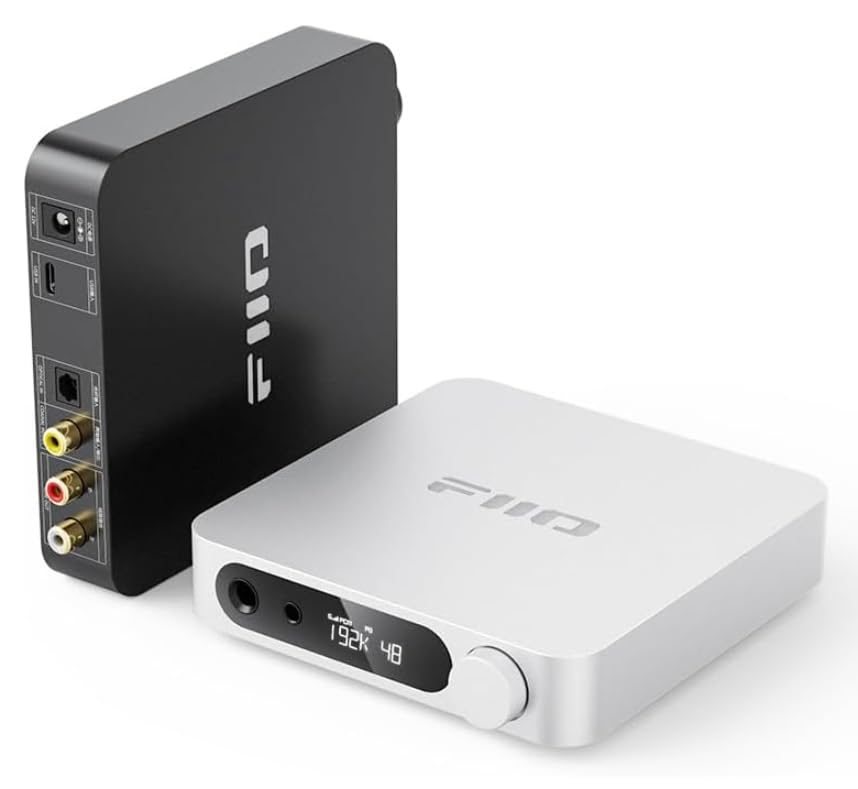
Community consensus in the headphone advice forums points at this model as the recommendation for wide soundstage with readable footsteps without a complicated signal chain. That is exactly the gap this pair fills.
The memory foam interior headband gives a durable, comfortable fit over long sessions, and the cable is user-replaceable with standard sockets.
Who the Edition XS suits
Gamers on a laptop, or anyone who wants open-back audio without researching amplifiers first. It also suits players who mostly play single-player and RPG titles rather than competitive shooters.
Because the impedance is so low, it is a safe recommendation even for a PS5 or Xbox controller connection through the right adapter.
Where it disappoints
Owners are candid that the soundstage and imaging are less refined than higher-tier planar magnetic models, and bass is restrained. Competitive shooters where sub-bass impact decides fights are the weak case.
No microphone is included, and the ear pads are known to wear down and need periodic replacement.
8. Linsoul Kiwi Ears Altruva: the best value pair that still scales with an amp
Linsoul Kiwi Ears Altruva Hi-Fi 50mm Dynamic Driver Monitoring Headphones
Dynamic driver
32 ohm impedance
98 dB sensitivity
50 mm driver
Two pad sets
Pros
- Studio monitor-like tuning with punchy fast bass that does not drown the midrange
- Full-sized 50 mm driver with composite diaphragm and copper ring
- Lightweight self-adjusting headband with enough clamp for long sessions
- Great positional audio with opponents pinpointed precisely
Cons
- Treble can be bright and sparkly depending on pad choice
- Secondary ear pads do not fit every user
- Cups do not swivel and the metal headband can catch long hair
- No microphone and the open design leaks into the room
The Altruva is one of those pairs that keeps surprising people. Several reviews compare it favourably to models costing two to four times more, and the general verdict is a natural, well balanced sound that improves noticeably when you add a DAC or amplifier but stays perfectly usable from a phone or laptop.
Gaming is a recurring positive theme in the reviews, with owners describing pinpointing an opponent’s exact position in a custom lobby. The custom 50 mm driver with a composite diaphragm keeps bass fast without swallowing the midrange where positional detail lives.
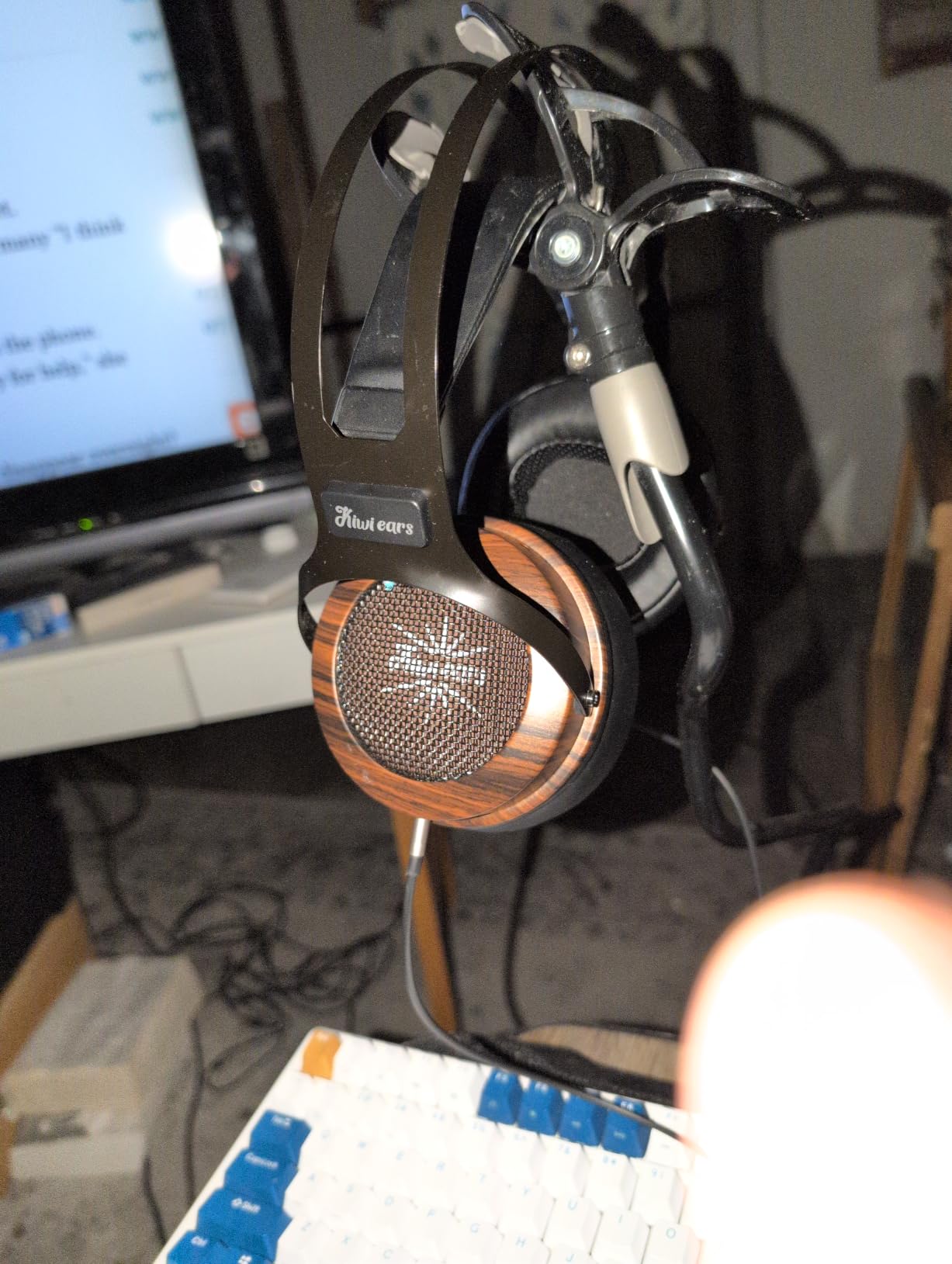
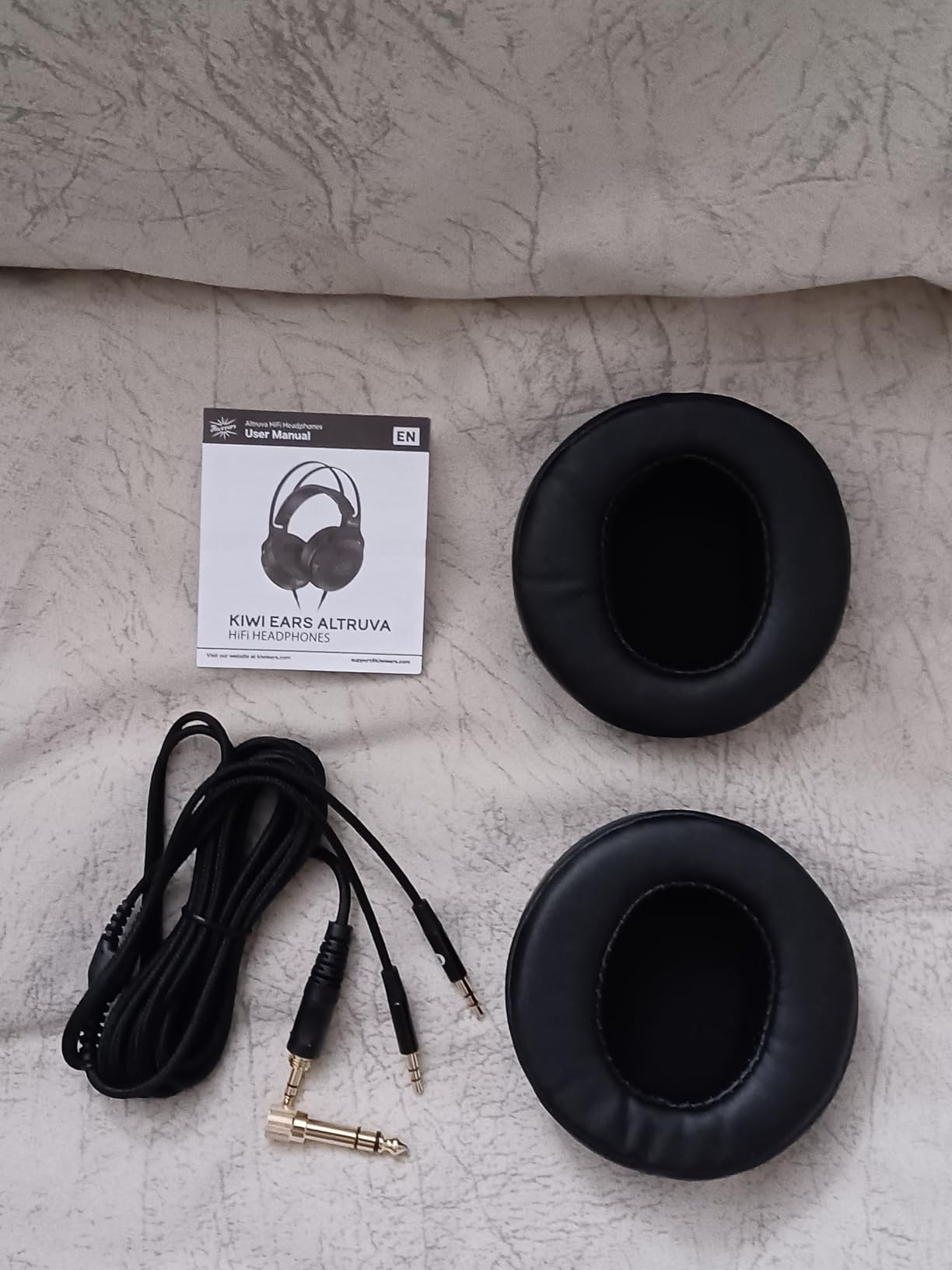
Two sets of ear pads are included, and the velour set is often preferred for both comfort and sound. That matters because the treble can be bright and slightly sparkly depending on which pads you use, and swapping is the fastest fix.
The 98 dB sensitivity and 32 ohm impedance make it easy to drive from low-power sources, and dual 3.5 mm jacks plus a braided cable and threaded adapter cover most setups.
Who the Altruva suits
Players who want monitor-style clarity, real bass weight and a wide stage without spending studio money. EQ-friendly owners get a lot of room to work here.
It is also a good second pair for a desk that already has a closed-back headset, since it adds the opposite signature rather than duplicating it.
Where it disappoints
The secondary ear pads do not fit everyone, and pad swapping takes patience. Cups do not swivel, which limits how you can position them, and the metal headband can catch in long hair.
A small number of owners have questioned the durability of the headband strap, so treat the build as good rather than premium. No microphone is included.
9. Philips SHP9600: the cheapest real open-back worth buying
Philips Open Back Wired Headphones – Cushioned Over Ear Headphones with Adjustable Headband for Ultimate Comfort and Superior Sound Quality, Plugs into TV, Stereo or PC, Ideal for Podcasts or Music
Dynamic driver
50 mm
32 ohm impedance
101 dB sensitivity
3 m cable
Detachable
Pros
- Well-tuned 50 mm drivers deliver deep crisp bass with a balanced midrange
- 101 dB sensitivity plays loudly from phones TVs and laptops
- Wide open soundstage gives a genuine sense of space and imaging
- Padded headband and breathable cushions suit long sessions
Cons
- Bass-heavy tuning can blur midrange detail on dense mixes
- Yoke and hinge construction reported to crack or loosen with use
- High sensitivity makes it easy to overdrive into distortion at full volume
- No microphone and no inline volume control
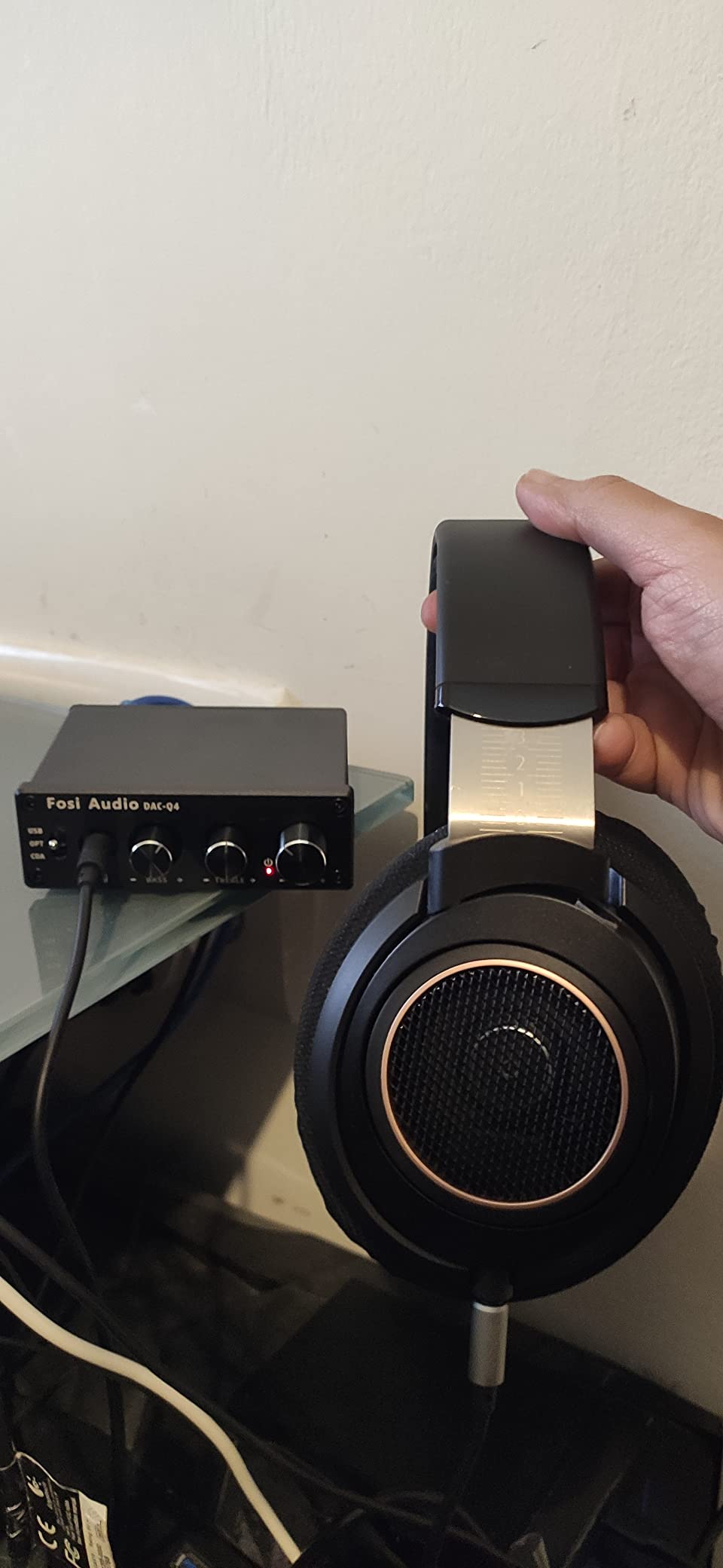
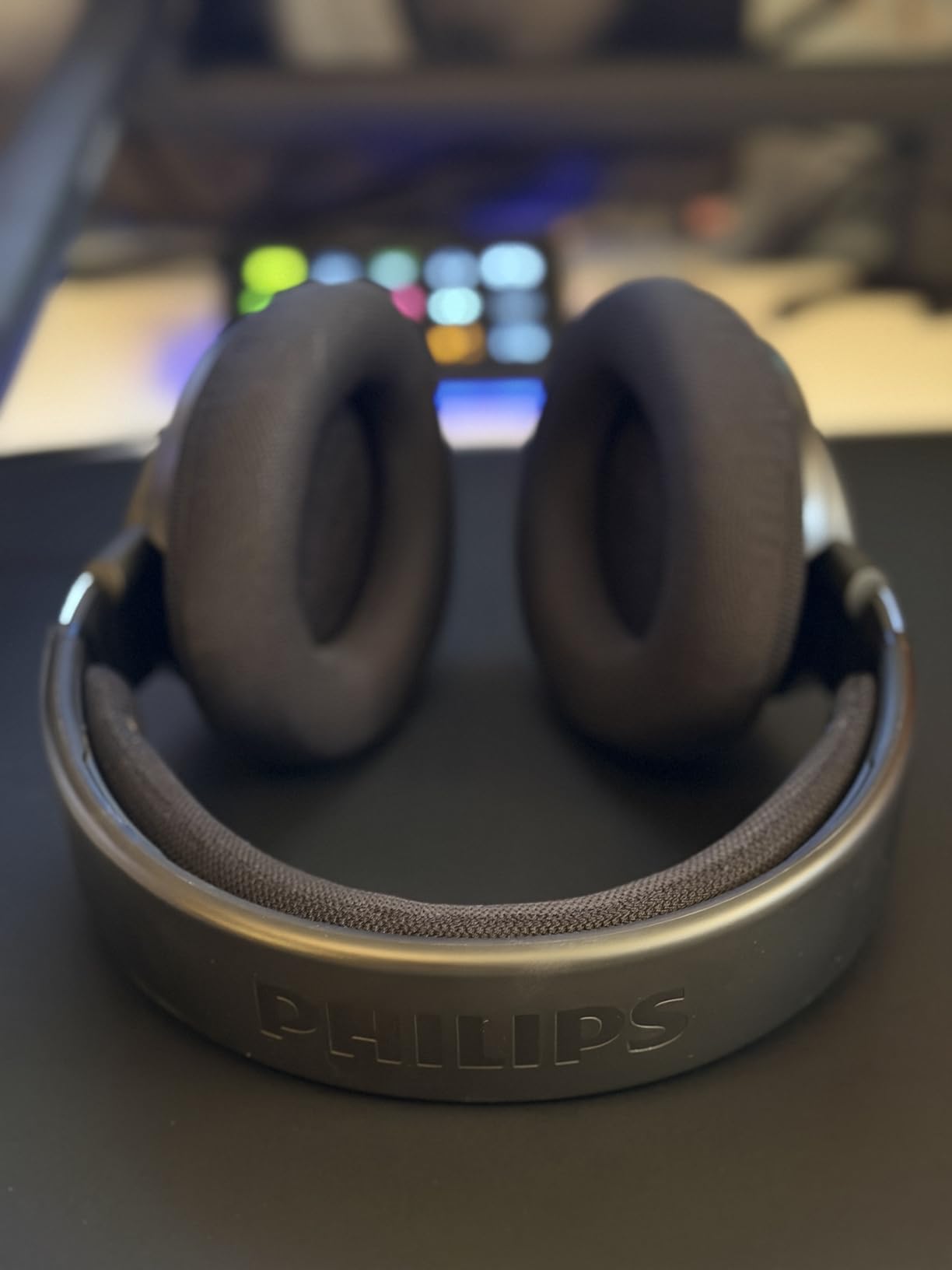
The SHP9600 is the cheapest legitimate entry into open-back sound on this list, and reviewers treat it that way. The roomy soundstage and surprisingly strong bass for the money earn it a place, and the high sensitivity means it plays loudly from basic sources.
Reinforced adjustable headband and soft breathable ear cushions suit longer sessions, and the 3 m cable with gold-plated adapter gives decent freedom of movement for a desk setup.
Be honest about what it is, though. It is a step up rather than a destination. The tuning is bass-forward, and on dense mixes that weight can blur the midrange detail that matters most for positional reading.
Because sensitivity is high, it is easy to push into distortion at full volume, so keep your source level moderate rather than cranking in software.
Who the SHP9600 suits
First-time buyers testing whether an open-back suits them at all. If you later want more detail and refinement, most of this list is an upgrade path.
It also suits anyone who wants a wide stage for PC or TV gaming and does not want to research signal chains.
Where it disappoints
Durability of the plastic yoke is the most common complaint, with reports of cracking or loosening over time, and that shows up in the one-star share of reviews.
There is no microphone, no inline volume control and no isolation whatsoever. The bass-forward tuning also means it is not the pick for players who need midrange clarity above all.
10. Audio-Technica ATH-GDL3BK: an open-back headset with mic and cup controls
Audio-Technica ATH-GDL3BK Open-Back Gaming Headset, Black
Dynamic driver
45 mm
45 ohm impedance
220 g
Detachable boom mic
Volume dial on cup
Pros
- Open-back design makes enemy footsteps and directional cues easier to pinpoint
- Large 45 mm drivers deliver high-resolution audio with fine detail
- Exceptionally light at under 220 g for long sessions
- Flexible detachable boom mic with directional pickup plus cup volume and mute
Cons
- Boom mic is functional rather than broadcast-grade
- Treble and upper-mid emphasis can sound harsh at higher volumes
- Bass impact lighter than dedicated gaming headsets
- Open design leaks game audio out and room noise in
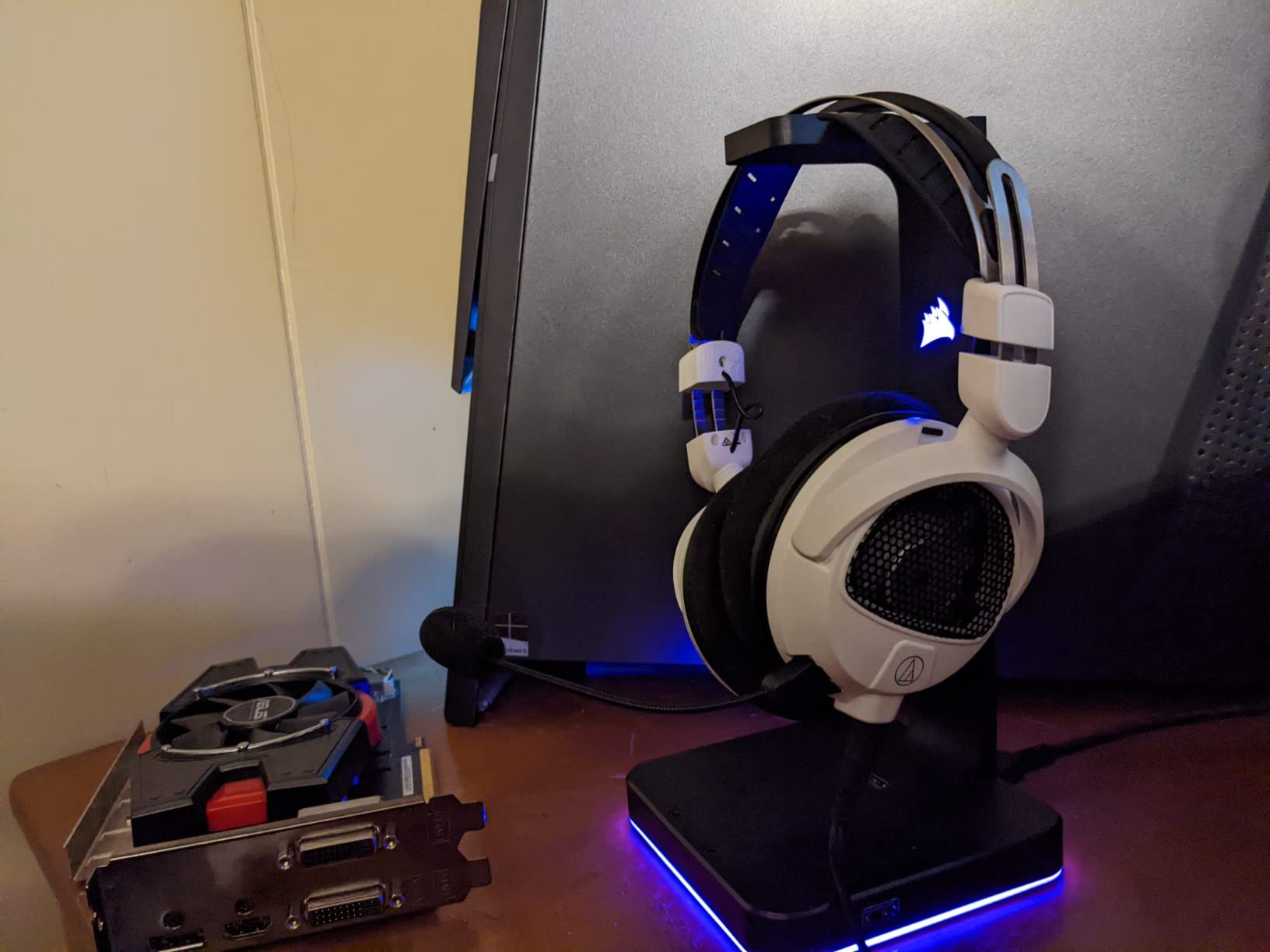
This is the second all-in-one option here, and the more conventional one. The open-back design is what separates it from typical gaming headsets, with reviewers pointing to far easier localization of enemy footsteps and directional cues in competitive shooters.
Large 45 mm drivers deliver high-resolution audio with fine detail, and at under 220 g it is one of the lighter headsets on the market. Volume control and a mute switch are built into the earcup, which saves hunting for a control mid-match.
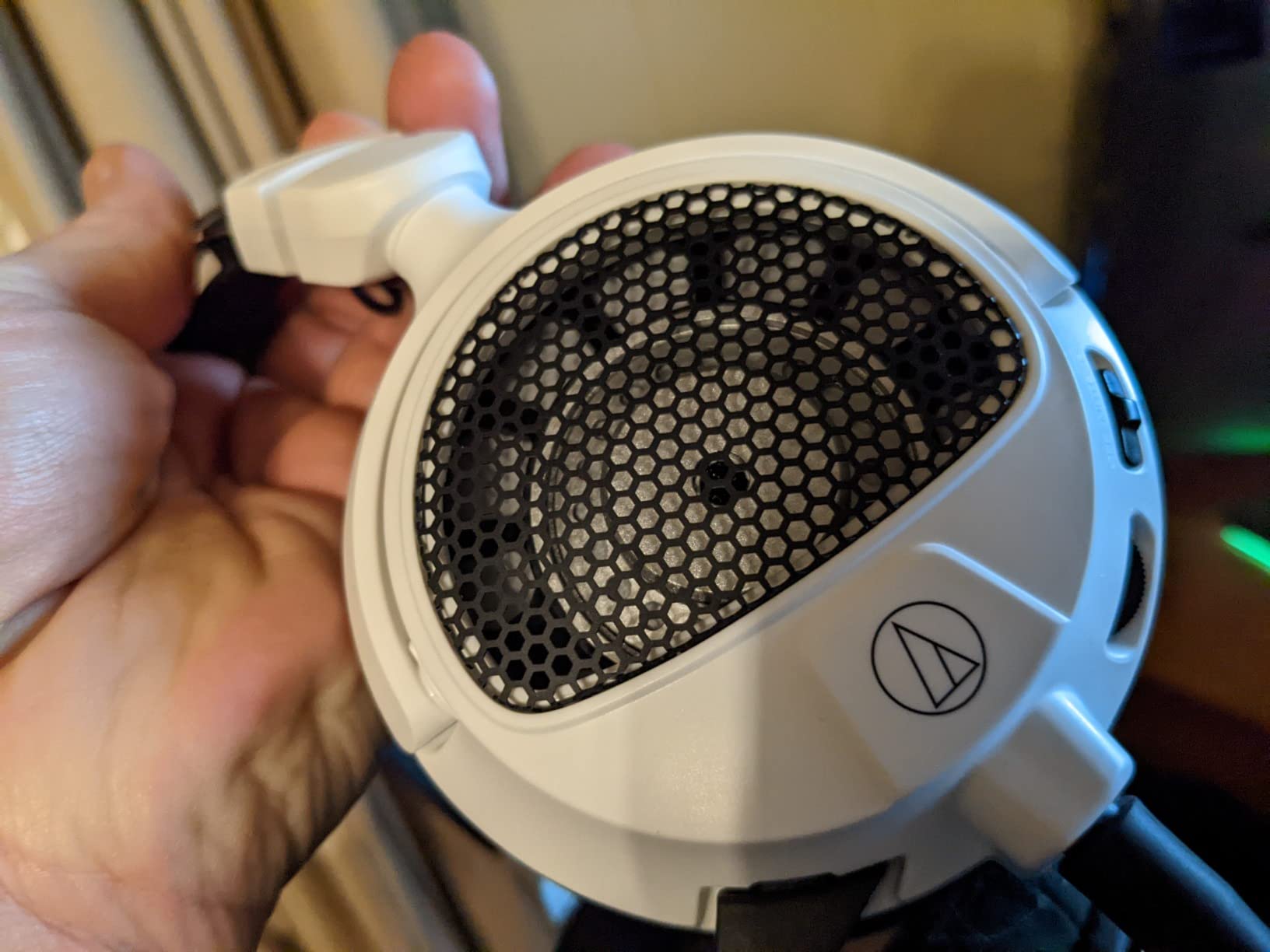
Two detachable cables are included, one 1.2 m for mobile and one 3.0 m for PC, and the flexible boom microphone has a windscreen and directional pickup. It works for team voice chat without any extra hardware.
The metal construction is a step up from the plastic builds at this level, and the two-year warranty is longer than most rivals offer.
Who the ATH-GDL3BK suits
Players who want the positional benefits of an open design plus a microphone and easy volume control, and who play on more than one device.
It is the straightforward choice for console or PC multiplayer where a headset format is expected.
Where it disappoints
This is the most polarizing pick here. Treble and upper-mid emphasis can sound harsh at higher volumes, and bass impact is lighter than dedicated gaming headsets in the same range, so the sound signature is not for everyone.
The boom microphone is functional rather than broadcast-grade, there is no wireless option, and the open design still leaks game audio into the room.
Open-Back vs Closed-Back Headphones for Gaming
Open-back wins on soundstage and positional accuracy, closed-back wins on isolation and leak control. That is the whole comparison, and which one matters depends entirely on your room.
If your gaming happens in a room you can keep reasonably quiet, an open-back is the stronger choice. The vented cups let drivers produce a wider, more natural field, which means better separation between sounds and more stable positioning of directional cues. You also hear your own room, which is a fair warning.
If you share a wall with a sleeping partner, work in an office or play in a busy living room, close the cups. A closed-back design traps sound and rejects noise, which protects both your concentration and everyone around you. It also tends to cost less, since gaming headsets compete hard at that tier.
Neither is universally better. Our guide to noise cancelling headphones covers the sealed designs in more detail if that is the direction you are leaning.
Do You Need an Amp or DAC for Open-Back Gaming Headphones?
Sometimes, and the answer depends almost entirely on impedance. This is the single most repeated question in the headphone communities and the one that stops the most first-time buyers from upgrading, so it is worth saying plainly.
Low impedance headphones are designed for weak outputs. The Edition XS at 18 ohm, the EPOS H6Pro at 28 ohm, and the HE400SE, Altruva and Philips at 32 ohm will all play loudly from a laptop jack, a console or a phone with no extra hardware at all.
Higher impedance loads ask for more voltage. The Sennheiser HD 490 PRO at 130 ohm and the DT 990 Pro at 250 ohm will play from a laptop, but quietly, with less bass weight and less dynamic headroom. That thin, quiet quality is usually what people mean when they say a headphone sounds bad on their PC.
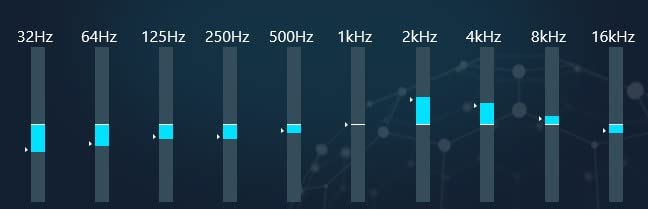
A three-step upgrade path covers almost everyone: use the onboard 3.5 mm output first, add a USB DAC with a headphone amplifier if volume feels low, and move to a PCIe audio interface with a proper amp only if you are driving the highest-impedance models. You can also fix low volume in software with Windows sound device enhancements, though a DAC sounds better.
One more thing worth planning for: many laptops and consoles expose only a single combined headset jack, so a USB-C adapter with separate headphone and microphone outputs is useful to have on hand.
Microphones and All-in-One Headsets for Open-Back Gaming
Almost every open-back headphone on this list ships without a microphone, which is the practical reason many buyers end up choosing a headset instead. There are three sensible routes around that.
The first is the all-in-one route. The EPOS H6Pro and the Audio-Technica ATH-GDL3BK both include a detachable boom microphone, and both put basic controls on the headset, so voice chat works with no extra purchase.
The second is a USB microphone on a desk arm, which is what most of these headphones end up paired with. Sim racing players in particular keep asking for open-back sound and a good microphone at the same time, since engine and tyre noise in a racing sim is exactly the kind of wide, layered audio that open designs reveal.
The third is an attachable boom microphone that clamps to the headphone cup, which gives you a broadcast-style capsule in a gaming form factor and avoids a second device on the desk. Either way, a desk mic removes the microphone from the headphone spec sheet entirely, so you can choose the headphone purely on sound and comfort.
How We Picked and What to Check Before Buying
We weighted four things heavily: imaging quality, comfort over a long session, how hard the headphone is to drive, and whether the microphone situation actually matches how you play. Everything else came down to tuning preference.
Weight matters more than people expect. The ATH-R50X at 207 g and the HD 490 PRO at 200 g disappear during play, while the HD 599 at 0.71 kg is the pair reviewers most often mention for fatigue over marathon sessions.
Clamp force and pads decide more than weight does. Look for replaceable ear pads, and note that swapping between leather-like and velour pads changes both comfort and sound, sometimes more than any EQ setting.
Tuning is a preference, not a ranking. Bright and analytical pairs like the DT 990 Pro suit players who want maximum detail extraction, warm pairs like the HD 599 and Altruva suit long relaxed sessions, and neutral pairs like the ATH-R50X are the best starting point if you plan to use EQ.
Finally, give any new open-back a fair trial. Wide soundstages and planar drivers often feel odd for the first few sessions before the brain adapts, and that adjustment period is a legitimate reason to return a pair. Plan your first thirty days around that rather than deciding in hour one.
Frequently Asked Questions
Are open-back headphones good for gaming?
Yes, in a reasonably quiet room. The vented cups produce a wider soundstage and more stable positioning of directional cues like footsteps and gunfire, which helps in shooters and open-world games. The trade-off is that sound leaks out and room noise leaks in, so they suit a dedicated space rather than a shared one.
Which is better for gaming, open-back or closed-back headphones?
Open-back is better for soundstage width, imaging and positional accuracy, while closed-back is better for isolation, leak control and typically lower cost. Competitive players in a quiet room should choose open-back. Anyone sharing a room with people who need quiet, or playing in a noisy environment, should choose closed-back or add noise control.
What are the best open-back gaming headphones with a microphone?
The EPOS H6Pro and the Audio-Technica ATH-GDL3BK are the picks that include a working detachable boom microphone in the box, both rated around 4.3 and 4.0 stars respectively. If you already own a desk microphone, any of the audiophile options on this list will sound better and cost less than a comparable headset.
Do open-back headphones leak a lot of noise?
Yes. Open designs intentionally let sound pass through the earcups, so at moderate volumes people nearby will hear your game audio, and household noise such as fans or traffic reaches your ears. If you share a wall with someone who sleeps or works nearby, a closed-back headphone is the safer choice.
Do open-back headphones need an amplifier or DAC?
Low impedance models at 18 to 50 ohm need nothing extra and drive fine from a laptop or console. Higher impedance models such as the 130 ohm Sennheiser HD 490 PRO and the 250 ohm beyerdynamic DT 990 Pro will play from those sources but quietly, so a headphone amplifier or USB DAC restores volume and bass weight.
Why do gamers use open-back headphones?
Gamers choose them for the spacious soundstage, cleaner separation between layers of audio and more accurate left or right placement without relying on virtual surround software. They also run cooler and feel less fatiguing than sealed cups over long sessions, and they usually sound better for music alongside gaming.
Can I use open-back headphones with a gaming laptop or PS5?
Yes. Pick a pair at or below roughly 50 ohm impedance, such as the HiFiMAN Edition XS at 18 ohm or the EPOS H6Pro at 28 ohm, and both will drive fine from a laptop or console. Most laptops and consoles expose a single combined headset jack, so a USB-C adapter with separate headphone and microphone outputs is worth having.
Final Verdict
The best open back headphones for gaming in 2026 come down to your room and your signal chain. In a quiet space with a desktop PC, the beyerdynamic DT 990 Pro is the pick: the widest proven soundstage on this list, real bass weight, and a documentation trail twenty thousand owners long.
Buy the ATH-R50X instead if headset weight ruins long sessions, the HD 490 PRO if positional accuracy is the entire point and you will add an amplifier, the EPOS H6Pro if you need a microphone in the box, and the HiFiMAN Edition XS if your laptop is your only rig.
Whatever you choose, give it thirty days before you judge the soundstage, and check your impedance against your output before you click buy.