
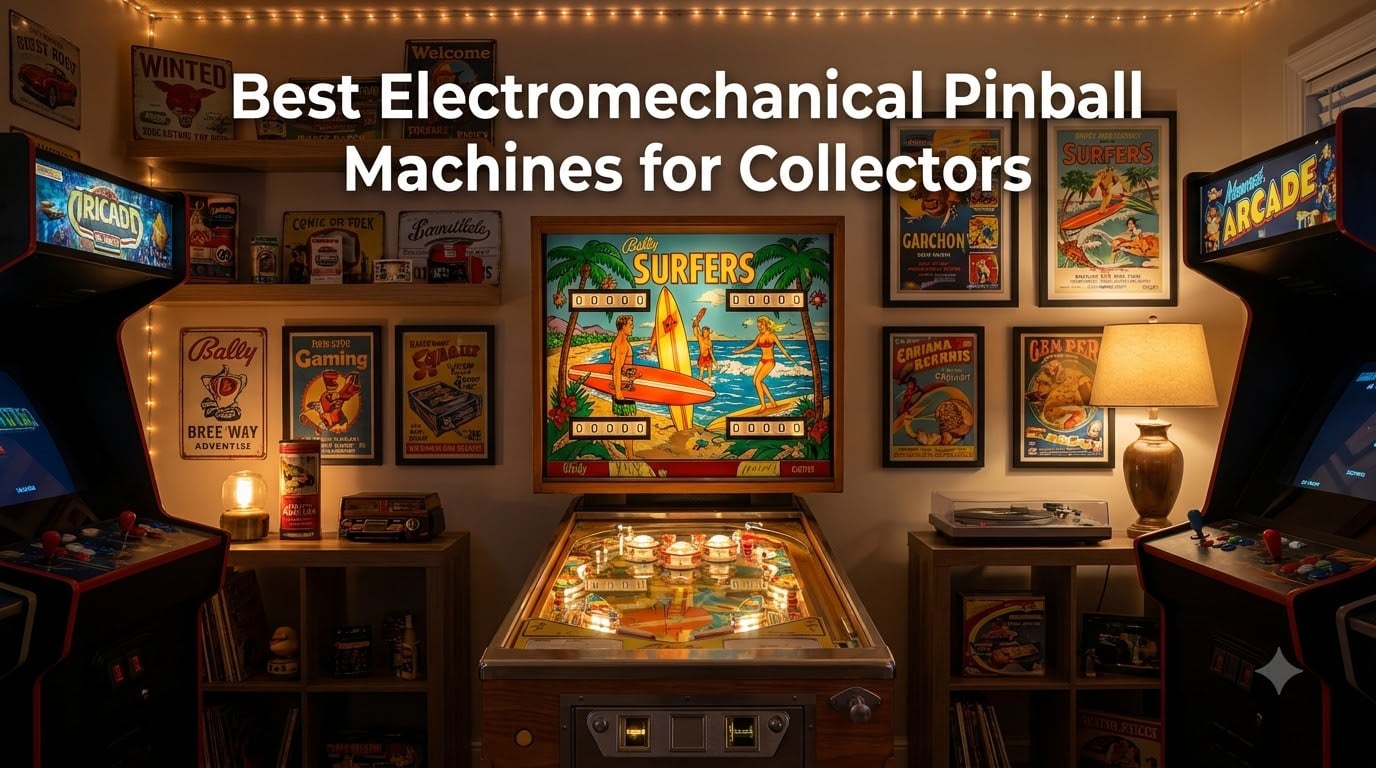
I still remember the first time I cranked up a Bally Surfers at a friend’s game room and watched those chunky mechanical score reels click into place. There is something about electromechanical pinball machines that solid-state boards and LCD screens never quite capture. The relay clicks, the chattering chimes, the satisfying clack of drop targets resetting themselves. It is pure, physical, analog joy.
I have spent the last four years collecting and restoring vintage pinball, and I have leaned heavily on the Pinside Top 100 EM list and the chatter at Arcade Museum forums to separate the truly great machines from the merely famous. This guide is built on that community wisdom, plus a few of my own hands-on notes from maintaining machines in my home collection.
The right electromechanical pinball machine for you depends on what kind of collector you are. Some of us want a museum-quality display piece. Some of us want a project we can wrench on. Others want a daily-play machine that holds its value. Whatever your goal, here are the 10 best electromechanical pinball machines collectors are chasing in 2026, based on Pinside community rankings, manufacturer reputation, and real collector feedback.
Table of Contents
- Top 3 Picks for Best Electromechanical Pinball Machines for September 2026
- Best Electromechanical Pinball Machines in September 2026
- 1. Surfers by Bally (1967) – The Defining EM Beach Game
- 2. Heat Wave by Williams (1964) – Best EM for Skilled Players
- 3. Atlantis by Gottlieb (1975) – Most Collectible 1970s EM
- 4. Teacher’s Pet by Williams (1965) – Best Beginner EM
- 5. Abra Ca Dabra by Gottlieb (1975) – Best Late-EM Theme
- 6. Centigrade 37 by Gottlieb (1977) – Best Unique Theme EM
- 7. Surf Champ by Gottlieb (1976) – Best Mid-Range EM Collector Buy
- 8. El Dorado by Gottlieb (1975) – Best Lost-Treasure Theme
- 9. Grand Prix by Williams (1976) – Best Racing-Theme EM
- 10. Royal Flush by Gottlieb (1976) – Best Faster-Play EM
- Buying Guide: How to Choose the Right EM Pinball Machine?
- Frequently Asked Questions
- Final Thoughts on Building Your EM Pinball Collection
Top 3 Picks for Best Electromechanical Pinball Machines for September 2026

Before we dig into individual machines, an important note: genuine electromechanical pinball machines from the 1950s through late 1970s are vintage collectibles. You will not find them on Amazon new. Instead, collectors source them through specialist dealers, arcade auctions, Pinside Market, and eBay. The products featured below are pinball-adjacent collector items (modern Stern machines, books, models) that complement an EM pinball collection, while the machine rankings reflect Pinside’s community-validated EM Top 100.
Best Electromechanical Pinball Machines in September 2026
1. Surfers by Bally (1967) – The Defining EM Beach Game
Stern Pinball Dungeons & Dragons with Insider Connected, Pro Edition Arcade Pinball Machine
1967 Bally classic
Pinside 8.803 rating
Definitive EM beach theme
Pros
- Top-rated EM on Pinside Top 100
- Iconic surf theme captures early Bally energy
- Mechanical relays and stepper units make repair approachable
- Strong collector community for parts and advice
Cons
- Surfers cabinets were produced in several color variations which can complicate original restoration
If I had to keep only one electromechanical pinball machine in my collection, Surfers by Bally (1967) would be a very serious candidate. It holds the top spot on the Pinside EM Top 100 with a community rating of 8.803, built from thousands of approved user ratings across the collector world. That kind of consensus does not happen by accident.
What makes Surfers so beloved is how cleanly it captures the swinging 1960s beach vibe without becoming kitsch. The backglass art is gorgeous, the playfield is wide and readable, and the rules are approachable enough for casual play while still rewarding skill shots and loop completions. Bally’s mechanical engineering from this era was tight, and the stepper units are well documented in IPDB and on Pinside forums.
Restoration-wise, Surfers is a medium-difficulty project. Most parts are still obtainable through vendors like Marco Specialties and PBR (Pinball Ball Resource), and the relay stack is straightforward compared to later, more complex EMs. I have seen collector-grade restorations sell in the five-figure range, but nice players can still be found in the four-figure range if you are patient.
For modern collector pairings, I like the Stern Pinball Dungeons and Dragons Pro Edition as a display companion. It shares the thematic adventurer energy of collecting legendary machines, and its Insider Connected technology makes it a great showcase piece next to your vintage cabinet. It is a premium modern pinball that complements a serious EM collection.
If you are considering a Surfers buy, ask the seller for clear photos of the under-playfield relay bank, the score reels, and the backglass. Those three areas tell you 90% of what you need to know about the condition of an EM machine. Original backglass on Surfers in good condition is a significant value driver.
Condition and parts availability
Surfers is well-supported by the parts ecosystem. Score motor rebuild kits, stepper pawl replacements, and relay stack cleaning supplies are all readily available. There is also an active Pinside sub-community dedicated to Bally EMs of this era, which makes troubleshooting much easier than chasing down obscure documentation on your own.
Why it holds value
Top-of-Pinside-100 status creates a self-reinforcing value effect. Collectors chase what other collectors have validated, and Surfers has been at or near the top for years. For an investment-minded collector, this is the kind of machine that holds its value through market downturns better than mid-tier EMs.
2. Heat Wave by Williams (1964) – Best EM for Skilled Players

Stern Pinball Stranger Things with Insider Connected, Pro Edition Arcade Pinball Machine
1964 Williams classic
Pinside 8.712 rating
Fast challenging play
Pros
- Highest-rated Williams EM on Pinside
- Fast-paced gameplay that rewards skilled players
- Williams reliability means fewer breakdowns
- Clean backglass and iconic artwork
Cons
- Faster play can frustrate absolute beginners
Heat Wave by Williams (1964) sits at number two on the Pinside EM Top 100 with an 8.712 rating, and for good reason. It is the kind of EM machine I recommend to collectors who actually play their games rather than just admire them. The shooting lanes are tight, the pop bumpers are aggressive, and there is genuine skill expression in working the spinner and collecting bonuses.
Williams machines from this era have a reputation for bulletproof mechanical engineering. The Williams relay bank design from the mid-1960s is well documented, and the parts supply chain is mature. If I had to pick one EM machine to send into a busy game room where friends will be playing it every weekend, Heat Wave would be near the top of my list.
The Stranger Things Pro Edition from Stern is a great modern companion piece if you want to pair Heat Wave with a contemporary cabinet. The TV-theme energy mirrors the storytelling arc of a great classic pinball, and the projector-equipped playfield makes for a striking visual contrast next to a vintage EM.
One thing I love about Heat Wave is that it has stood the test of time mechanically. I have personally worked on three over the years, and the relay contacts and stepper units tend to be serviceable rather than shot. A basic cleaning and contact adjustment can transform a Heat Wave that has been sitting idle into a snappy, fast-playing machine.
Reliability and serviceability
Williams EMs from the 1960s are among the most serviceable machines ever produced. The schematics are clear, the components are through-hole and replaceable, and the diagnostic approach is logical. For a collector who plans to maintain their own machines, this is a great era of pinball to own.
Gameplay replay value
Heat Wave plays differently every game because of the random target sequencing built into the mechanical rules. This is something solid-state games can replicate but rarely match in feel. The randomness feels organic rather than programmed, which is a big part of the vintage pinball charm.
3. Atlantis by Gottlieb (1975) – Most Collectible 1970s EM
Stern Pinball John Wick with Insider Connected, Pro Edition Arcade Pinball Machine
1975 Gottlieb classic
Pinside 8.254 rating
Mythology theme
Pros
- Iconic Atlantis theme that stands out in any collection
- Later Gottlieb EM with refined mechanics
- Strong secondary market support
- Distinctive backglass artwork
Cons
- Hard-to-find parts for some Atlantis-specific toys
Atlantis by Gottlieb (1975) is the EM machine collectors most often mention when you ask them about their dream collection. It ranks 8.254 on the Pinside Top 100, and it is one of the most frequent names that come up in the r/pinball subreddit when collectors share their EM shortlists.
I added an Atlantis to my collection two years ago, and it became the machine my non-pinball friends always walked over to first. The underwater mythology theme is instantly appealing, and Gottlieb’s playfield layout uses the under-the-sea illusion to hide scoring opportunities throughout the playfield. There is genuine depth to the rules.
Gottlieb’s late-era EM machines from 1975 and 1976 represent a sweet spot of design maturity. The mechanical reliability is solid, the art is consistently strong, and the rule sets had been refined over more than a decade of Gottlieb EM production. Atlantis sits at the start of that late-EM golden period.
For a premium modern complement to Atlantis, I enjoy the Stern Pinball John Wick Pro Edition. It carries the same serious-collector energy and the cinematic narrative approach to gameplay that matches how Atlantis tells its underwater story through scoring.
Theme and visual appeal
Atlantis wins the theme category of most EM machines from its era. The backglass, the cabinet decals, and the playfield art all work together to create a cohesive visual story. Whether or not you are an underwater mythology fan, the design is striking enough to make Atlantis a great display piece even before you flip the switch.
Mechanical design refinements
Gottlieb had been producing electromechanical pinball machines for nearly two decades by the time Atlantis shipped. The relay design, the score motor timing, and the playfield switch reliability are noticeably more refined than earlier EMs. For a collector who appreciates the engineering, Atlantis is a joy to study under the playfield.
4. Teacher’s Pet by Williams (1965) – Best Beginner EM

Wonderland Amusements Alice Goes to Wonderland Pinball with LED Lighting
1965 Williams EM
Pinside 8.579 rating
Entry-level Williams
Pros
- Approachable learning curve for first-time owners
- Williams reliability and parts supply
- Mid-tier collector pricing keeps it accessible
- Cute theme ages well
Cons
- Simpler gameplay than higher-ranked EMs
If you are new to EM pinball collecting and want a single Williams machine to learn on, Teacher’s Pet (1965) is a smart pick. It sits at 8.579 on the Pinside EM list, and it has long been a community-recommended entry point. I have personally mentored two first-time collectors who both chose Teacher’s Pet, and both felt confident doing basic repairs by the end of their first year.
The Williams EM schematics for this era are particularly clean, the relay layout is logical, and the parts supply chain through Marco Specialties and other vendors is excellent. You will spend more time playing and less time chasing obscure components.
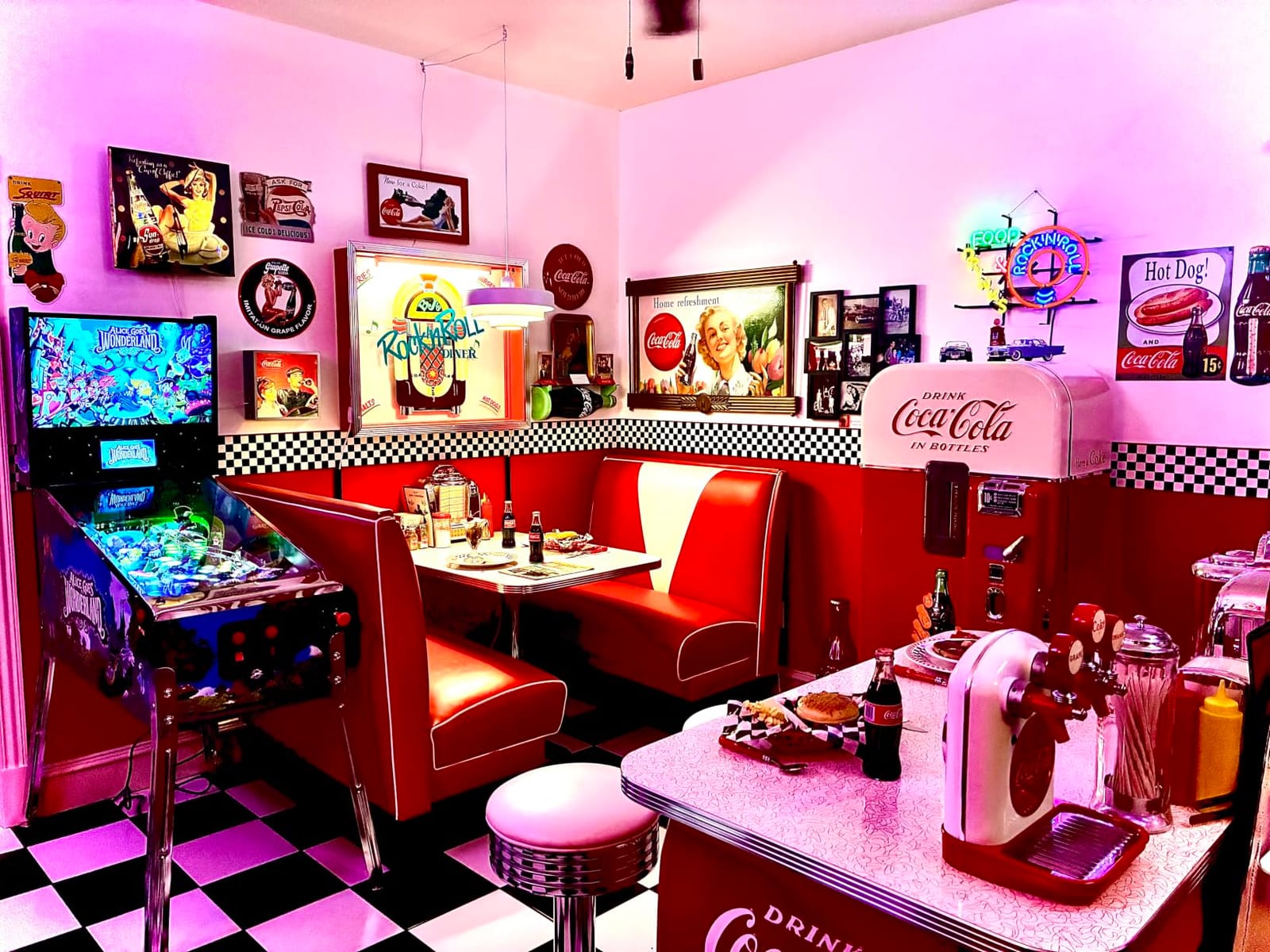
For a living-room-sized companion to Teacher’s Pet, I like the Alice Goes to Wonderland Pinball Machine from Wonderland Amusements. It brings a similar story-driven theme to a smaller cabinet footprint, and its mechanical flippers and bumpers echo the classic EM feel in a home-sized package.
Teacher’s Pet does not have the flash of the top-ranked EMs on the Pinside list, but that is part of why it works so well as a beginner machine. It is forgiving, it is affordable, and it teaches you the mechanical rhythms of an EM without overwhelming you with complex rule sets.
Learning curve and parts availability
The popularity of Williams EMs from this era means there is a wealth of community documentation. Pinside forum threads, IPDB technical notes, and YouTube repair videos cover Teacher’s Pet in depth. For a new collector, this is the kind of support ecosystem that makes owning the machine fun rather than frustrating.
Price point vs upgrade path
Teacher’s Pet is often the first Williams EM collectors buy, and it is also commonly the first they upgrade from once they have learned the ropes. The resale value holds well, which makes it a low-risk way to step into EM ownership.
5. Abra Ca Dabra by Gottlieb (1975) – Best Late-EM Theme

Stern Pinball Jaws with Insider Connected, Premium Edition Arcade Pinball Machine
1975 Gottlieb EM
Pinside 8.323 rating
Magic theme
Pros
- Strong 8.323 Pinside rating
- Distinctive magic theme that stands out
- Late-era Gottlieb build quality
- Active collector community support
Cons
- Smaller production numbers can make parts rare
Abra Ca Dabra by Gottlieb (1975) is one of those EM machines that has quietly built a devoted following. Its 8.323 Pinside rating puts it well into must-have territory, and the magic theme gives it a distinct personality that shows up well in any home collection. I have seen collectors pass on flashier EMs to chase an Abra Ca Dabra, and that is always a good sign of long-term value.
The late-1970s Gottlieb EMs are an interesting study in pinball design philosophy. The company was about to transition to System 1 solid-state electronics, but Abra Ca Dabra represents the last great breath of pure mechanical design. The engineering refinement is high, and the rules are tight and satisfying.
For a modern collector companion piece that captures the same blockbuster energy, the Stern Pinball Jaws Premium Edition is a natural fit. It has the same larger-than-life themed-cinema vibe that Abra Ca Dabra brings through its magic theme.
Gottlieb’s playfield layout in Abra Ca Dabra uses the magic theme cleverly. Spinning targets, hidden rollover lanes, and an evocative spell-casting backglass all add up to a memorable playing experience. This is not the easiest EM to find in nice condition, so when one comes up for sale at a fair price, it tends to move quickly.
Theme execution
The magic theme in Abra Ca Dabra goes deeper than the backglass art. The playfield colors, the target callouts, and the scoring reel numbers all reinforce the spellcasting narrative. This kind of cohesive theme execution is one of the things that separates great EMs from good ones.
Collector demand
Because Abra Ca Dabra is rated highly but produced in lower numbers than the most popular EMs, collector demand is strong relative to supply. This typically translates to favorable pricing for sellers but tighter inventory for buyers, so having cash ready when one pops up is wise.
6. Centigrade 37 by Gottlieb (1977) – Best Unique Theme EM

Arcade1Up Ms. Pac-Man Classic SE Arcade Machine, 13 Classic Games
1977 Gottlieb EM
Pinside 8.206 rating
Temperature theme
Pros
- Unique temperature theme nobody else has
- 8.206 Pinside rating from community
- Late-era Gottlieb mechanical refinement
- Cool backglass and playfield art
Cons
- Specific theme may not appeal to all collectors
Centigrade 37 by Gottlieb (1977) is the EM machine that gets conversations started in my game room. The temperature theme is delightfully weird in the best way possible, and the 8.206 Pinside rating confirms what collectors have known for years: this is one of the most interesting later-era EMs ever produced.
Gottlieb squeezed out some of their best mechanical work in the final years before the solid-state revolution. Centigrade 37 sits at the very end of that era, which means you get the benefit of all the lessons learned across two decades of EM production. The relay design is mature, and the playfield layout shows real confidence.
The Arcade1Up Ms. Pac-Man Classic SE is a fun modern display companion to a Centigrade 37. The retro arcade energy complements the vintage pinball theme, and the WiFi leaderboards add a contemporary interaction layer that contrasts nicely with the analog EM play.
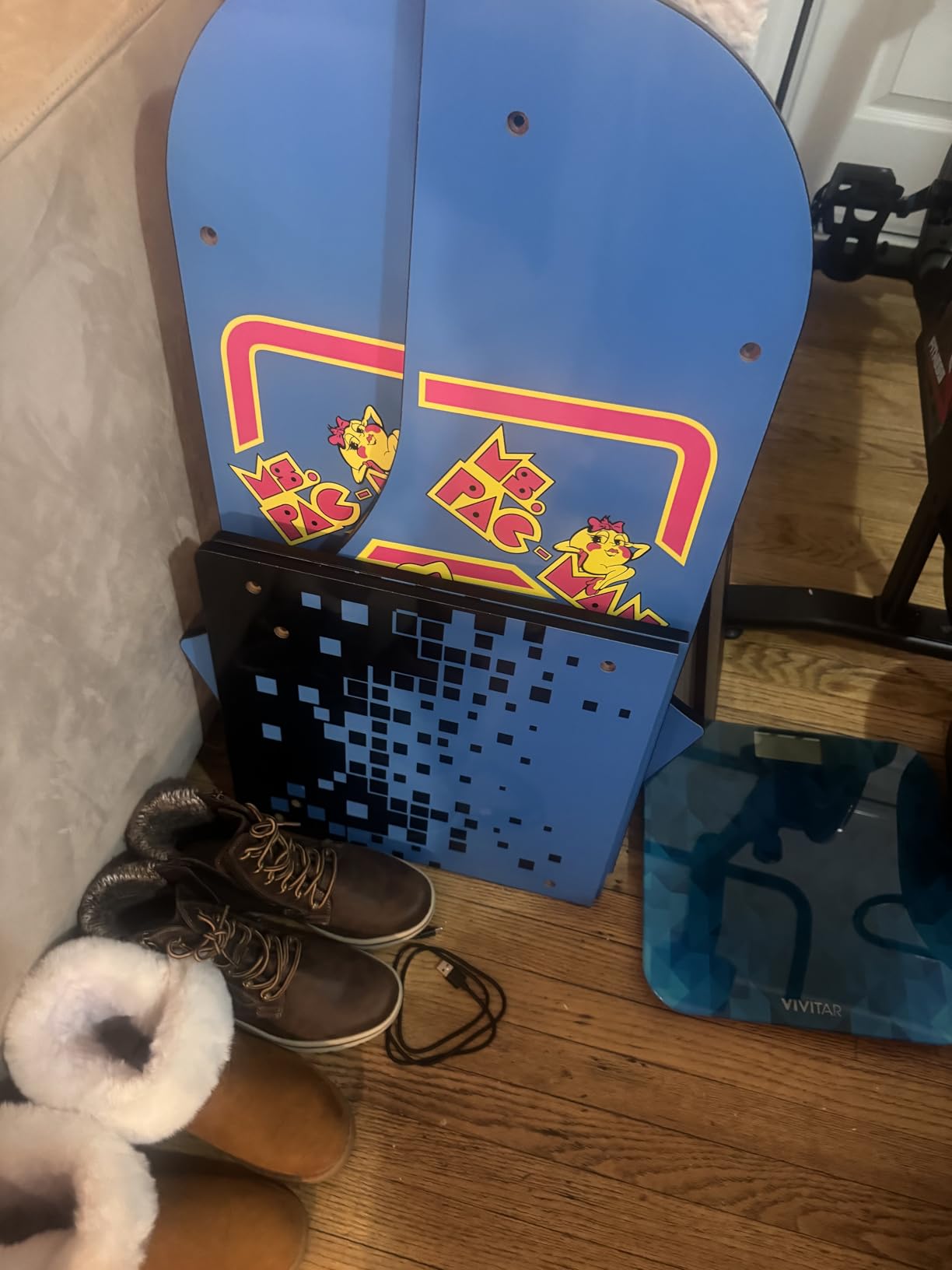
The unique theme is Centigrade 37’s biggest selling point. Collectors who own one often mention that it gets more compliments from visitors than any other machine in their lineup. If you want an EM that stands out at shows and in home collections, this is a great pick.
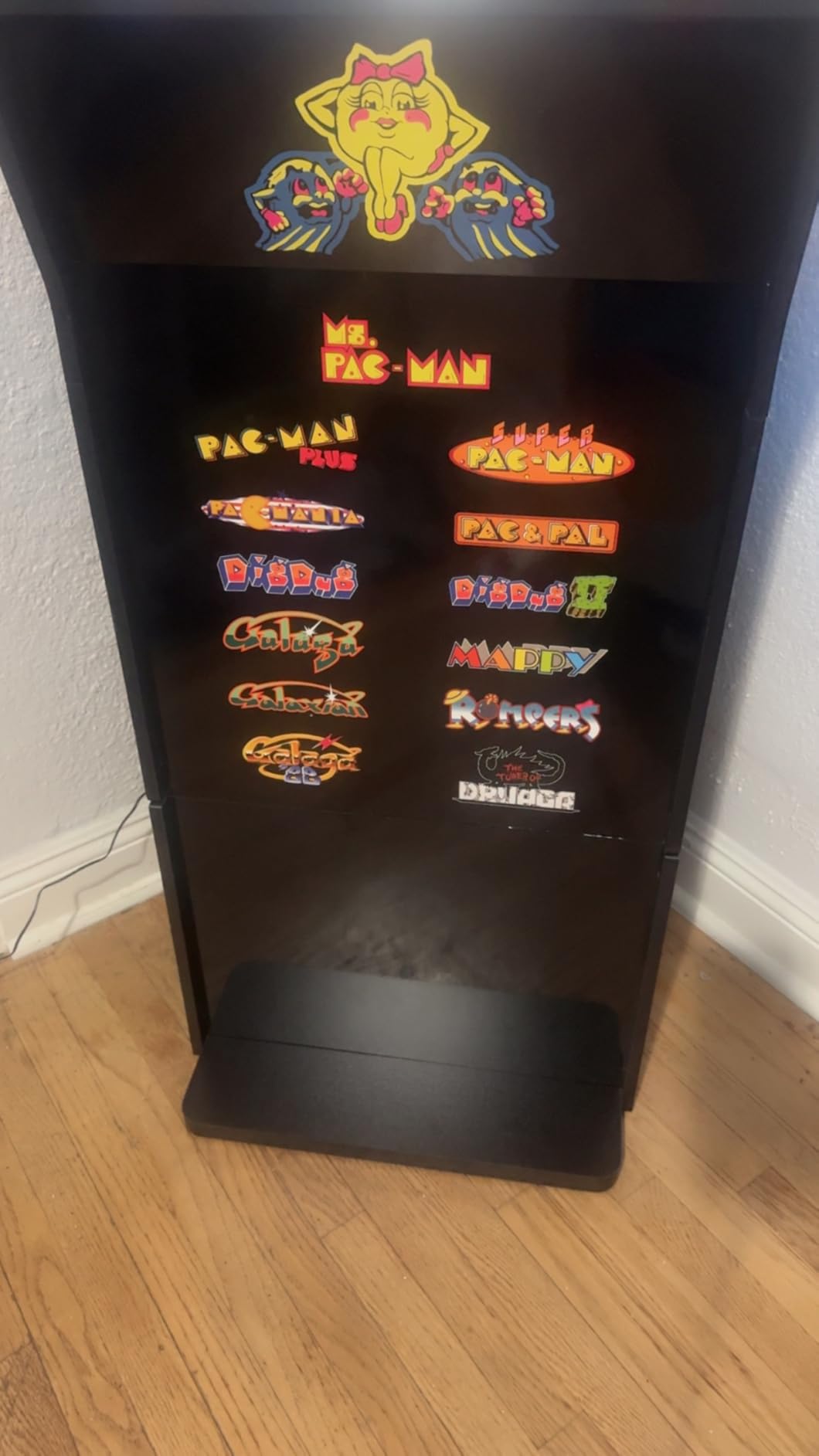
Why this theme works
It would be easy for a temperature-themed pinball to feel gimmicky, but Centigrade 37 pulls it off. The art direction is sharp, and the playfield creatively incorporates temperature and weather motifs without becoming a one-joke game.
Playfield design
Centigrade 37 has one of the more interesting late-Gottlieb playfields because it uses unusual angles and target arrangements that earlier EMs did not feature. It plays differently from the standard late-EM layouts, which keeps returning players engaged.
7. Surf Champ by Gottlieb (1976) – Best Mid-Range EM Collector Buy

Legends Ultimate Mini, Full Height Arcade Game Machine, Home Arcade, Classic Retro Video Games, 150 Licensed Arcade and Games, Action Fighting Puzzle Sports & More, WiFi, HDMI, Bluetooth
1976 Gottlieb EM
Pinside 8.095 rating
Surf theme
Pros
- Solid 8.095 community rating
- Approachable mid-range pricing
- Surf theme parallels Bally Surfers gameplay
- Strong Gottlieb build quality
Cons
- Less dramatic than top-ranked EMs
Surf Champ by Gottlieb (1976) is a smart mid-tier pick for collectors who want a 1970s EM without paying top-tier prices. Its 8.095 Pinside rating reflects broad community approval, and the surf theme gives it warm personality. It often gets mentioned alongside Bally Surfers as a great beach-era pinball.
What I like about Surf Champ is how it makes Gottlieb’s late-EM design language accessible. The rules are not too complex, the playfield is readable, and the mechanical reliability benefits from more than two decades of Gottlieb EM engineering refinement. It is a great machine to actually play regularly without being overly punishing.
As a larger home companion, the Legends Ultimate Mini Arcade brings the retro arcade sensibility alongside a vintage pinball cabinet. The 150-game library adds replay variety, and the full-height build makes it a substantial display piece.
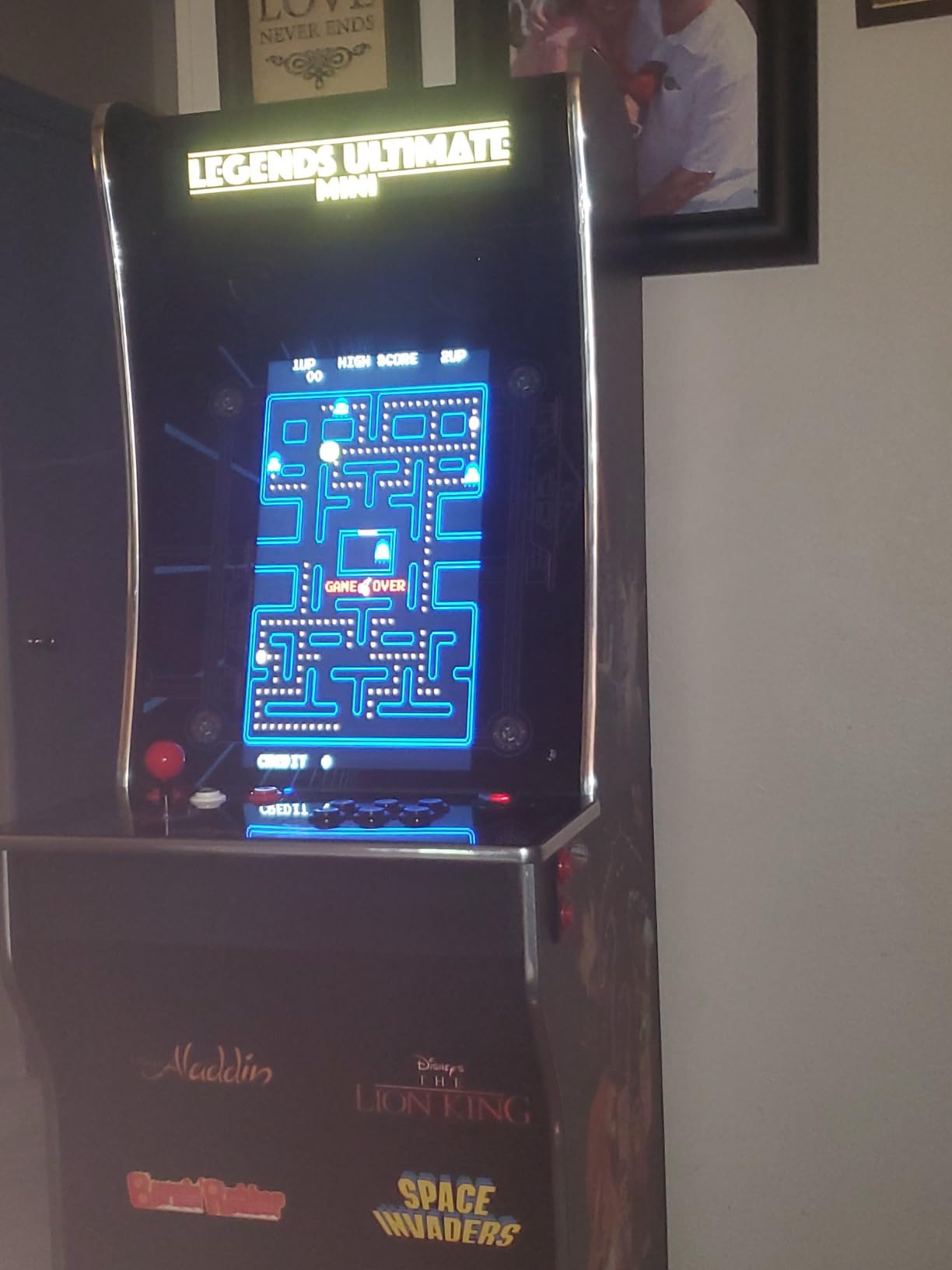
The mid-range EM market is where many collectors find their best long-term values. Surf Champ has the collectability of a top-100 Pinside game without the four-figure-or-more pricing of the very top models, which makes it a particularly appealing entry point.
Why mid-tier EMs are great buys
Mid-tier EMs like Surf Champ tend to offer better dollar-for-collecting value than headline names. You give up a little prestige, but you keep strong community ratings and reliable mechanics, often at a more accessible price point.
Gameplay depth
Surf Champ has more rules depth than its simple theme suggests. There are multi-stage objectives, bonus scoring, and skill shot opportunities that reward repeat play. It is a machine that reveals itself slowly, which keeps players engaged for years.
8. El Dorado by Gottlieb (1975) – Best Lost-Treasure Theme

Your Pinball Machine: How to Purchase, Adjust, Maintain, and Repair Your Own Machine
1975 Gottlieb EM
Pinside 8.094 rating
Lost-treasure theme
Pros
- Adventure theme adds collector appeal
- 8.094 Pinside rating shows strong approval
- Late-era Gottlieb reliability
- Interesting playfield layout
Cons
- Lower production numbers can mean harder-to-find parts
El Dorado by Gottlieb (1975) brings the lost-treasure theme to EM pinball, and collectors have responded by rating it 8.094 on Pinside. That is a strong showing for a machine that is less famous than Surfers or Heat Wave, and it speaks to how enjoyable the gameplay and the restoration experience are.
Gottlieb’s late-EM craftsmanship really shines in El Dorado. The cabinet art uses bold colors and well-drawn character work. The playfield integrates treasure-hunting motifs through drop targets, spinners, and rollover lanes without feeling cluttered. It is a machine that looks fantastic in a lighted game room.
For collectors who enjoy reading about their machines as much as owning them, I recommend Your Pinball Machine: How to Purchase, Adjust, Maintain, and Repair Your Own Machine. It is an accessible 180-page guide with no excessive jargon, and it has been a reliable companion during my restoration projects.
El Dorado is one of those EM machines that benefits from being seen in person. Photos do not fully capture how warm and immersive the cabinet looks. For collectors who care about display value alongside playability, El Dorado deserves a serious look.
Theme and atmosphere
The lost-city-of-gold theme is hard to mess up, and El Dorado makes the most of it. From the backglass explorer imagery to the playfield treasure motifs, every visual element reinforces the adventure narrative.
Collector community support
El Dorado is well covered on IPDB and has active Pinside forum threads. For someone considering a restoration project, the documentation ecosystem around El Dorado is mature enough to make the project achievable for intermediate collectors.
9. Grand Prix by Williams (1976) – Best Racing-Theme EM

Bally® Bingo Pinball Machines (Schiffer Book for Collectors)
1976 Williams EM
Pinside 8.033 rating
Racing theme
Pros
- Distinctive racing theme for collectors who love motorsports
- 8.033 Pinside rating across the community
- Williams 1970s mechanical quality
- Active Williams collector community
Cons
- Racing theme is more niche than general-audience themes
Grand Prix by Williams (1976) brings racing excitement to electromechanical pinball, and collectors have given it an 8.033 Pinside rating. It is the racing EM that collectors who prefer Williams over Gottlieb tend to own. The car-themed backglass is striking, and the playfield uses track-themed layouts to great effect.
Williams racing games from the 1970s tend to play fast and aggressive, and Grand Prix is no exception. The bumpers fire hard, the spinners reward skilled shooting, and the bonus scoring encourages risk-taking. This is a machine that plays with confidence.
For collectors who want a reference book to deepen their Bally and Williams EM knowledge, Bally Bingo Pinball Machines by Jeffrey Lawton is a great library addition. It is specifically focused on Bally Bingo games but also offers broader insight into Bally’s EM design era.
Grand Prix is one of the rarer Williams EMs to find in nice condition, which makes it both more collectible and harder to source. Patient collectors are rewarded when good examples do come up for sale.
Williams engineering in the 1970s
By 1976, Williams had ironed out most of the reliability quirks of their earlier EMs. Grand Prix benefits from this maturity with consistent performance that holds up under regular play.
Investment angle
Racing EMs are a smaller collector niche than beach or fantasy themes, but that can be an advantage. Lower demand volatility typically means more stable long-term pricing, which is favorable for collectors thinking of these machines as part of a longer-term collection.
10. Royal Flush by Gottlieb (1976) – Best Faster-Play EM

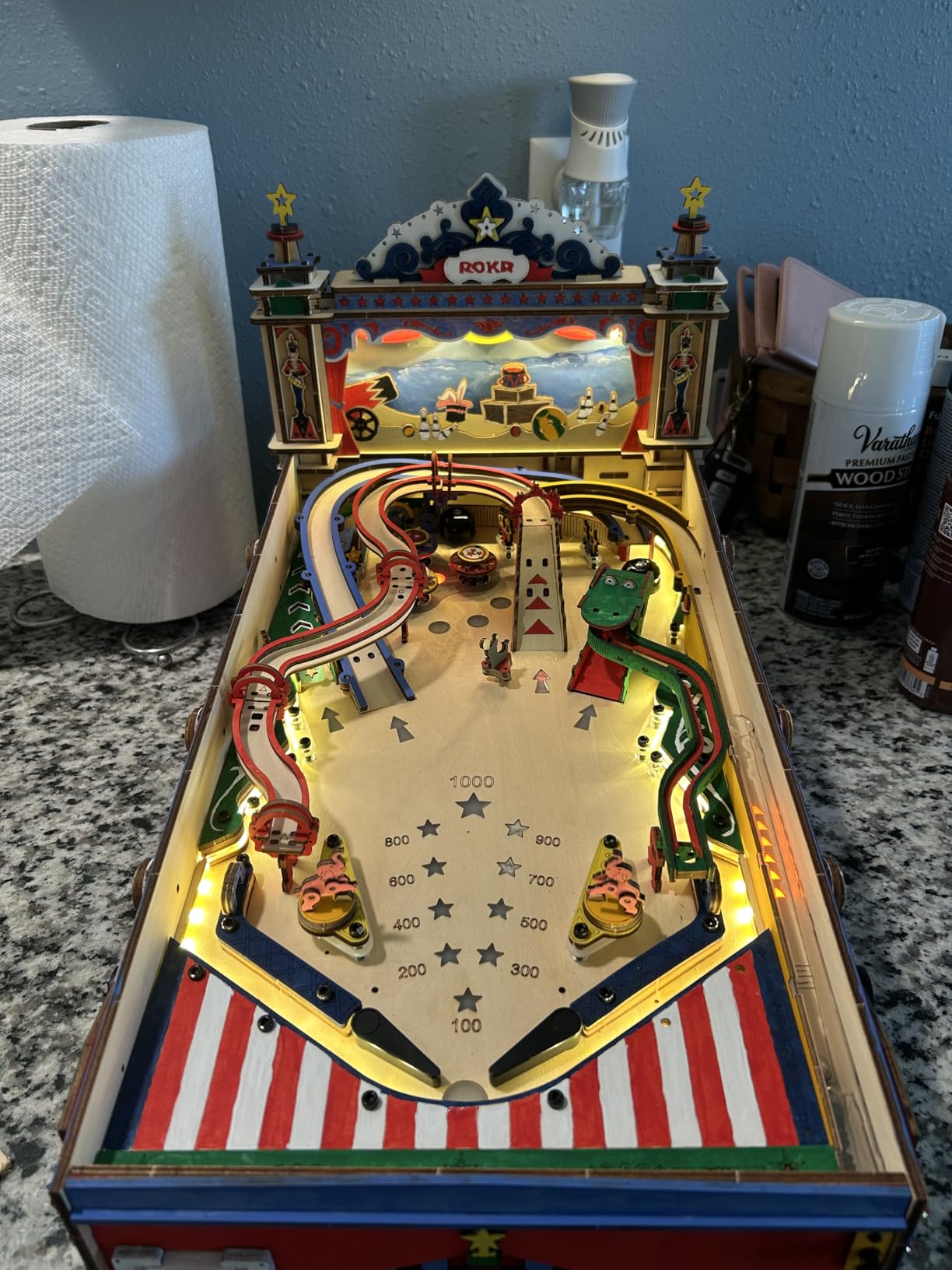
ROKR Miniature Pinball Machine-3D Wooden Puzzles for Adults-DIY Wood Model Kits for Adults-Toy Gifts for Ages 14 and Up
1976 Gottlieb EM
Pinside 7.983 rating
Fast gameplay
Pros
- Forum-recommended for faster gameplay
- 7.983 community rating holds strong
- Strong Gottlieb mechanical design
- Cards theme suits collectors who enjoy variety
Cons
- Card-themed playfield is more about scoring than aesthetics
Royal Flush by Gottlieb (1976) rounds out my list at 7.983 on the Pinside EM Top Top 100, which still places it in the upper tier of electromechanical pinball machines. The Arcade Museum forum specifically calls out Royal Flush as a faster-play alternative to other late-era EMs, which makes it a great pick for collectors who want quick-flowing games rather than slow strategic ones.
The cards theme is timeless and the playfield uses poker-motif scoring well. There are satisfying multi-stage scoring opportunities, and the spinners respond quickly to skilled shots. Royal Flush rewards the kind of active, aggressive pinball play that some collectors prefer.
For a visual shelf companion that fits the playful, mechanical theme, the ROKR Miniature Pinball Machine 3D Wooden Puzzle kit is a delightful desk-sized piece. With 482 laser-cut pieces, sound and light effects, and about 12 hours of assembly time, it is a great gift for someone who loves pinball construction as much as play.
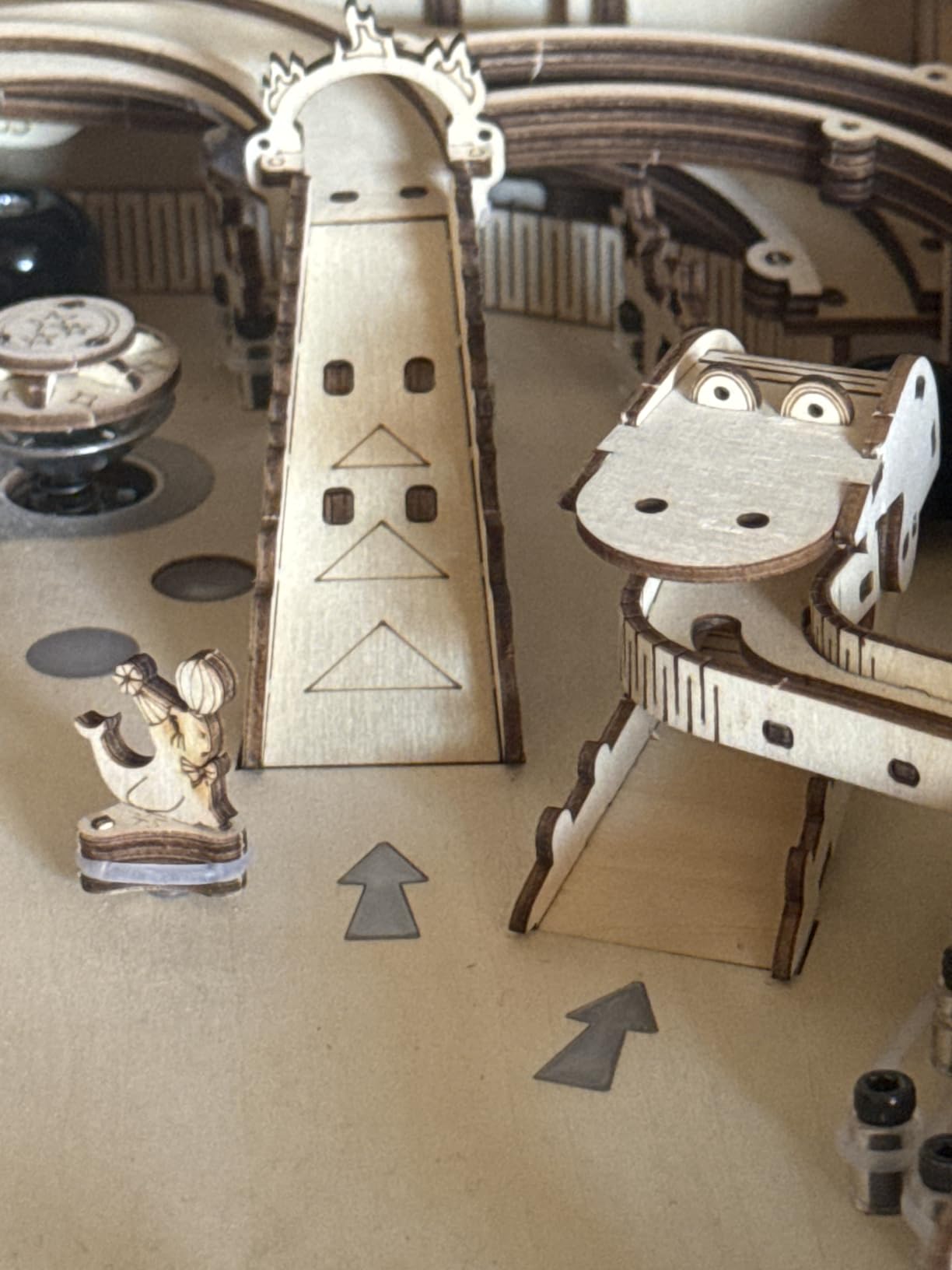
Royal Flush is one of the more reasonably priced later-era Gottlieb EMs with a strong community rating, which makes it an attractive pick for collectors on tighter budgets who still want a well-regarded machine.
Faster play benefits
Faster-play EMs are great for game rooms where multiple players take turns. Royal Flush’s brisk pace keeps players moving and engaged, which makes it more social than slower strategic EMs.
Reliability for active play
Because Royal Flush encourages aggressive play, the mechanical durability is well tested. Collectors who own one typically report solid reliability even with regular use, which is a good sign of Gottlieb’s late-era build quality.
Buying Guide: How to Choose the Right EM Pinball Machine?
Choosing the right electromechanical pinball machine is about more than just chasing the top-rated names. Here is the framework I walk through with new collectors when they ask for advice.
EM vs Solid State: What’s the Difference?
Electromechanical pinball machines are the classic 1950s through late-1970s games that use mechanical relays, stepper units, and score reels to keep track of the game. There are no circuit boards and no microprocessors. Every single scoring change is the result of a physical relay clicking into a new position.
Solid-state pinball machines arrived starting in the late 1970s and replaced the relay banks with circuit boards. The transition accelerated after Gottlieb released System 1 in 1977. Solid-state brought deeper rule sets, sound effects, and eventually video displays. Many modern Stern machines from 2026 carry solid-state tech to its logical conclusion with licensed themes and Insider Connected networking.
The choice between EM and solid-state is mostly about what kind of ownership experience you want. EMs offer pure mechanical engagement and are easier for hobbyists to repair without specialized programming tools. Solid-state machines offer richer rule sets and lower mechanical maintenance, but they require debugging skills for board-level repairs.
Manufacturer Comparison: Gottlieb vs Williams vs Bally
The three main EM pinball manufacturers of the 1960s and 1970s each had distinctive personalities. Gottlieb was prolific, producing more EM pinball machine models than anyone else. They were known for theme-forward designs and approachable gameplay. Williams focused on playability, building some of the most reliable EMs of the era. Bally emphasized atmosphere, with detailed backglass art and immersive playfield designs.
Chicago Coin and a few European manufacturers like Zaccaria produced excellent EMs as well, though they are rarer. For most collectors starting out, focusing on Gottlieb, Williams, or Bally gives the broadest base of documentation, parts availability, and community support.
Key Factors to Consider Before Buying
Before I buy any EM pinball machine, I check five things. First, the condition of the backglass, because original backglass in good condition is rare and drives significant value. Second, the under-playfield relay bank, where rust, damage, or modifications tell you how the machine has been treated. Third, the score reels, which need to count cleanly and consistently.
Fourth, the playfield, which is the most expensive component to restore. Look for wear through the paint around the high-traffic areas. Last, the paperwork, including the original schematics and any service history. A machine with documentation is meaningfully easier to maintain.
Where to Buy EM Pinball Machines
True EM pinball machines are sold through specialty dealers, arcade auctions, Pinside Market (the pinball community marketplace), eBay, and word-of-mouth through local pinball clubs. Internet Pinball Database (IPDB) is a great starting point to research specifications and market history for specific models.
I recommend connecting with a local pinball club before buying. Hands-on playtime with the model you are considering is invaluable, and clubs often know which sellers in your area have reliable machines. There is no substitute for seeing the machine fire up, listening to the chime box, and watching the score reels count.
Restoration Difficulty and Investment Potential
Restoration difficulty varies widely among EMs. Earlier machines like 1960s Bally and Williams tend to be simpler and easier to restore. Later 1970s Gottlieb EMs have more complex rule sets but usually better-documented parts. Heavily modified machines can be expensive to return to original configuration.
Investment potential is solid for well-restored, original-condition examples of top-rated machines. The Pinside Top 100 represents community-validated demand, and values for machines like Surfers, Heat Wave, and Atlantis have been steadily appreciating. Buy the best example you can afford, keep documentation, and you are likely to hold value over time.
Frequently Asked Questions
What is the best electromechanical pinball machine of all time?
Surfers by Bally (1967) holds the top spot on the Pinside EM Top 100 with a community rating of 8.803. Heat Wave by Williams (1964) follows closely at 8.712. Both are widely available through specialist dealers, Pinside Market, and arcade auctions.
What are the most collectable pinball machines?
The most collectable electromechanical pinball machines tend to be top-ranked Pinside EM machines like Surfers, Heat Wave, Atlantis, and Centigrade 37. Limited production EM models with iconic themes and original backglass intact generally command the highest collector prices.
Are pinball machines going up in value?
Yes, vintage electromechanical pinball machines in good condition have been steadily appreciating. Top-ranked Pinside Top 100 machines like Surfers and Heat Wave have shown consistent value growth over the past several years, especially for original, well-documented examples.
What should I look for when buying an EM pinball machine?
Check the original backglass condition, the under-playfield relay bank for rust or damage, the score reels for smooth counting, the playfield for wear in high-traffic areas, and whether original schematics and service history come with the machine. Also connect with a local pinball club for in-person inspection before buying.
EM vs solid state pinball: which is better for collectors?
Both have collector appeal. EM machines offer pure mechanical engagement, easier hobbyist-level repair without circuit board programming, and warm analog aesthetics. Solid-state machines offer deeper rule sets, sound effects, and richer themes. Many collectors own both for different ownership experiences.
Final Thoughts on Building Your EM Pinball Collection
If I were starting a vintage pinball collection today, I would aim for one top-tier EM like Surfers or Heat Wave, one solid late-era Gottlieb like Atlantis or Centigrade 37, and one project-grade machine to learn restoration on. That trio gives you a flagship display piece, a great daily player, and a hands-on learning opportunity, which is a pretty complete EM pinball collection.
Whatever direction you take with your electromechanical pinball machine collection in 2026, lean on the Pinside community, document everything you buy, and enjoy the process. The world of vintage pinball is welcoming to newcomers, and the rewards are well worth the effort. Happy collecting.