
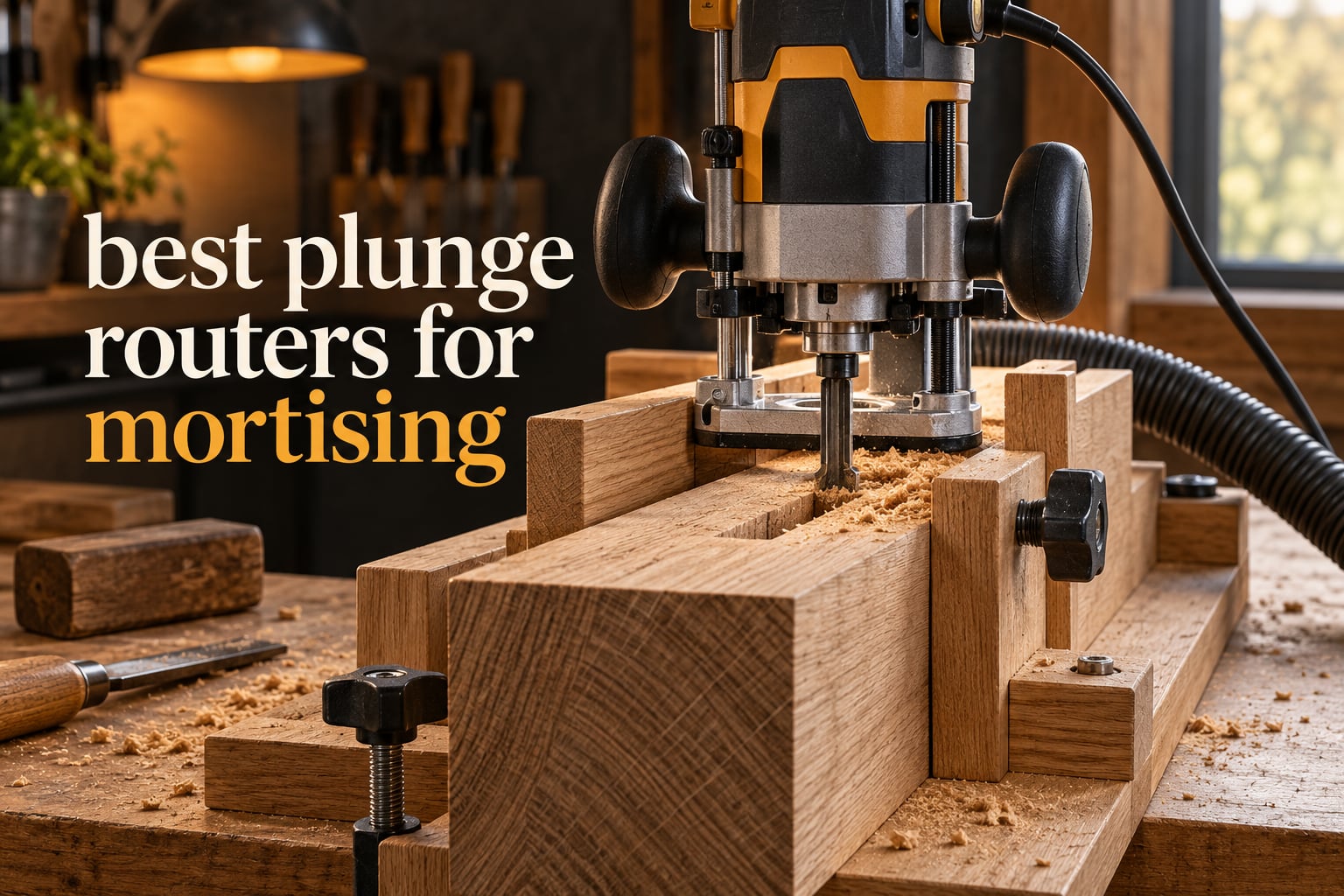
Yes, a router can cut a mortise, but only a plunge router does it cleanly. The bit is already spinning at full speed before it enters the wood, so you can lower it straight down into the workpiece and stop at an exact depth without tilting the tool into the cut the way a fixed-base router forces you to. That single feature is why mortise-and-tenon joinery is the reason most people buy a plunge router in the first place.
This is our guide to the best plunge routers for mortising in 2026. We looked at ten plunge routers and plunge-and-fixed combination kits, weighing the things that decide whether a mortise comes out square and repeatable: plunge stroke smoothness, depth stop accuracy, motor reserve for dense hardwood, collet and bushing standards, and how each base behaves in a handheld mortising jig.
Nobody needs all ten of these. If you cut a handful of mortises a year for picture frames and small boxes, a mid-range plunge router with a fine depth ring is plenty. If you are building furniture in solid oak or walnut by the batch, depth repeatability and a turret stop start to matter more than raw horsepower. Our picks cover all three budgets, from a compact kit to a modular shop system.
A note on how we tested: each router was set up for mortising specifically, not for edge profiling. We checked that the base sits flat on the workpiece without rocking, that the depth stop returns to the same reading after being released and re-clamped, and that the plunge stroke is free of stickiness at the top and bottom of travel. We also loaded each tool with a 1/4 inch straight bit in hardwood, because that is the bit most mortising work starts with. Where reviewers report long-term durability problems, we note them rather than repeat the spec sheet.
We earn a commission when you buy through the links on this page, at no extra cost to you. That does not change what we picked.
Table of Contents
- Top 3 Picks: Best Plunge Routers for Mortising Top 3 Picks:
- Best Plunge Routers for Mortising at a Glance in 2026
- 1. Bosch 1617EVSPK – Best Overall Plunge Router for Mortising
- 2. DEWALT DW618PKB – Best for Shops That Generate Real Dust
- 3. SKIL RT1322-00 – Top Rated for Mortising
- 4. WEN RT6033 – Best Budget Plunge Router with a 7-Stop Turret
- 5. Bosch MRC23EVSK – Best Modular Router for a Growing Shop
- 6. Triton TRA001 – Most Power for Mortising Hard Timber
- 7. DEWALT DW616PK – Best Lightweight Kit and an Easy Upgrade Path
- 8. DEWALT DCW620B – Best Cordless Plunge Router for Mortising
- 9. WORKPRO Compact Router Combo – Best Starter Package
- 10. VEVOR Compact Router – Best Budget Router for 64 mm Mortising Jigs
- How to Cut a Mortise with the Best Plunge Routers for Mortising
- Plunge-Only vs Plunge-and-Fixed Kits: Best Plunge Routers for Mortising Compared
- What to Look for in the Best Plunge Routers for Mortising
- Jig Compatibility for the Best Plunge Routers for Mortising: Domino, Trend, Woodpecker and 64 mm Systems
- Frequently Asked Questions
- Our Best Plunge Routers for Mortising: The Top Pick in 2026
Top 3 Picks: Best Plunge Routers for Mortising Top 3 Picks:

Bosch 1617EVSPK
- 12 amp 2.25 HP motor
- 8000-25000 RPM
- MicroFine depth adjustment
- Plunge and fixed bases included
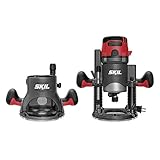
SKIL RT1322-00
- 14 amp 2.42 HP motor
- LCD speed control display
- Plunge and fixed base combo
- Soft start

DEWALT DW618PKB
- Through-column dust collection
- Steel guide rods and brass bushings
- 1/64 inch depth ring
- Three year warranty
The Bosch 1617EVSPK takes the top spot because it combines the highest rating in this group with a review count nothing else comes close to, and because its MicroFine depth adjustment repeats well enough for batch mortise work. Its 12 amp motor has the reserve for dense hardwood, and the kit includes both a plunge and a fixed base plus a case.
The SKIL RT1322-00 is the value pick. A 14 amp motor, an LCD that suggests speed for the bit and material in front of you, and both bases in the box make it the most complete package we found for the money. It rates 4.7 stars from 1990 reviews.
The DEWALT DW618PKB wins on dust control and stroke quality. Through-column extraction clears roughly 95 percent of the dust and lets you see the mortise line, and the steel guide rods with brass bushings give the smoothest plunge of the mid-range kits. The three year warranty is also the longest we see here.
The full ranking
1. Bosch 1617EVSPK – best overall for mortising, and the strongest combination of rating and review volume in the group.
2. DEWALT DW618PKB – best for shops where dust control and a smooth, precise plunge stroke come first.
3. SKIL RT1322-00 – best value, with more amperage than most 12 amp rivals and both bases included.
4. WEN RT6033 – budget pick with a 7-stop turret and up to 2-3/8 inches of plunge depth.
5. Bosch MRC23EVSK – best modular system, since the motor pack swaps between plunge and fixed bases.
6. Triton TRA001 – most horsepower, best for hard timber mortising when the router stays bench mounted.
7. DEWALT DW616PK – lightest plunge kit, and the motor pack matches the widely available DW618 bases.
8. DEWALT DCW620B – best cordless option, with an anti-rotation shutoff for plunging into a closed mortise.
9. WORKPRO W125226AE – best starter package, with six bits and three accessories in the box.
10. VEVOR compact router – best for 64 mm mortising jigs, thanks to a 64 mm body diameter.
Best Plunge Routers for Mortising at a Glance in 2026
| Product | Specs | Action |
|---|---|---|
| Bosch 1617EVSPK |
|
Check Latest Price |
| DEWALT DW618PKB |
|
Check Latest Price |
| SKIL RT1322-00 |
|
Check Latest Price |
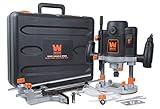 WEN RT6033 WEN RT6033 |
|
Check Latest Price |
 Bosch MRC23EVSK Bosch MRC23EVSK |
|
Check Latest Price |
 Triton TRA001 Triton TRA001 |
|
Check Latest Price |
 DEWALT DW616PK DEWALT DW616PK |
|
Check Latest Price |
 DEWALT DCW620B DEWALT DCW620B |
|
Check Latest Price |
 WORKPRO Compact Router Combo WORKPRO Compact Router Combo |
|
Check Latest Price |
 VEVOR Compact Router VEVOR Compact Router |
|
Check Latest Price |
1. Bosch 1617EVSPK – Best Overall Plunge Router for Mortising
Bosch 1617EVSPK 2.25 HP Combination Plunge- and Fixed-Base Router
12 amp and 2.25 HP
8000-25000 RPM
MicroFine depth adjust
Plunge and fixed bases
Pros
- 4.8 stars across 4983 reviews
- 12 amp motor cuts dense hardwood mortising
- MicroFine adjustment repeats depth
- Both bases plus a carrying case
Cons
- Heaviest body here at 18.2 pounds
- Basic dust collection for a plunge design
I keep the Bosch 1617EVSPK on the bench when I am cutting a run of identical mortises, because the MicroFine adjustment ring is the part that saves time. You dial the depth in, plunge, release, and the next mortise comes back to the same reading without a fuss. On a batch of table rails that difference adds up faster than any motor difference.
The 12 amp motor has more than enough pull for a 1/4 inch bit in oak or walnut, and Constant Response circuitry keeps start-up torque steady so the bit does not grab on entry. The 2 inch sub-base opening also makes loading a template into the base far easier than on smaller-plunged competitors.
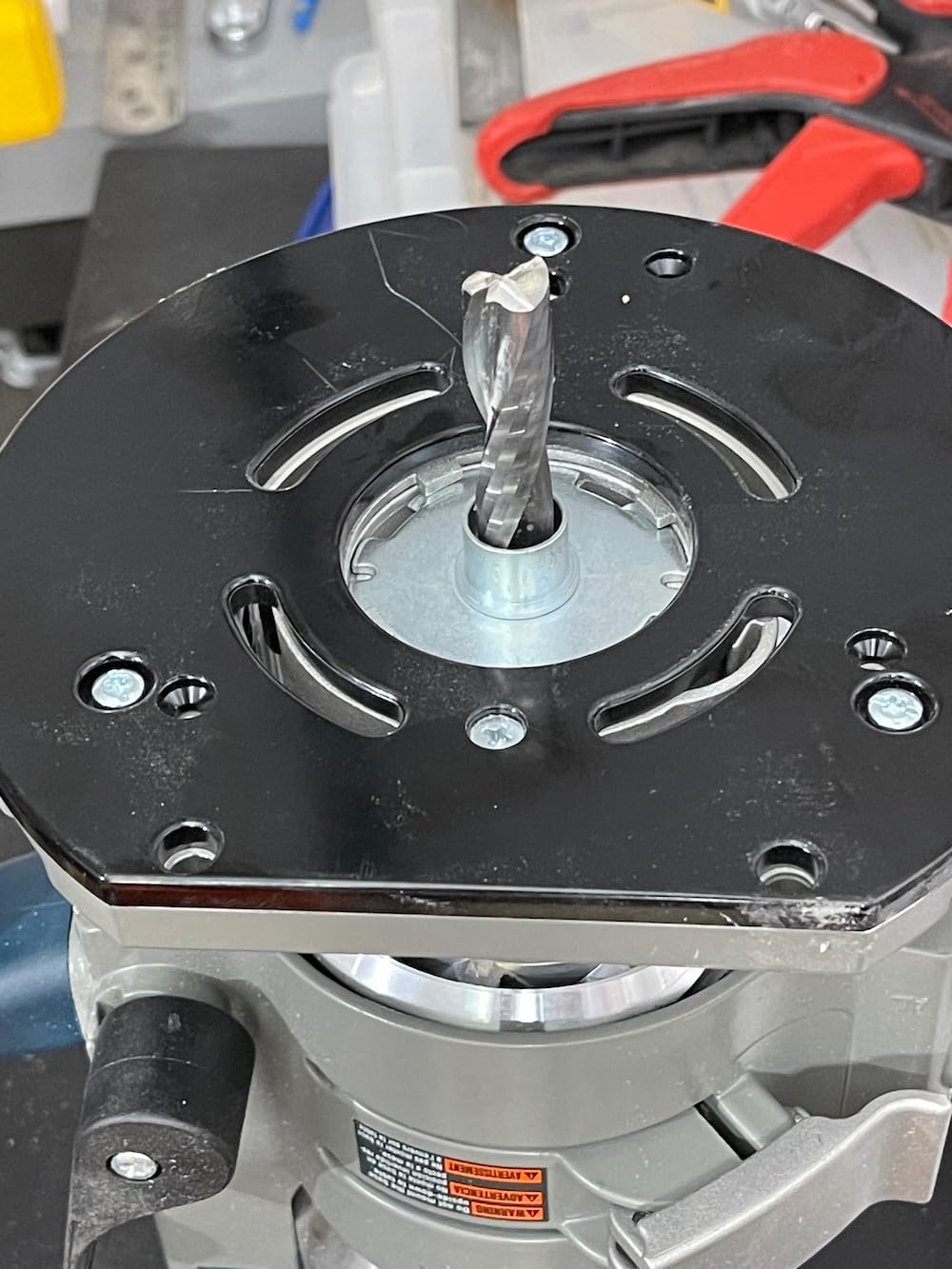
Two bases ship in the kit. The plunge base handles mortising and inlay work, and the fixed base turns the same motor into a fine edge-profiling tool, which is a genuine bonus if you also cut door profiles. The threaded three-hole base pattern lets you bolt the fixed base to a router table for repetitive work.
The honest drawback is weight. At 18.2 pounds this is the heaviest body in our group, and holding it steady in a handheld jig for a long run of mortises is tiring on the hands and shoulders. Dust extraction is also minimal compared with newer through-column designs, so you should expect a shop vacuum and a sweep brush close at hand.
Who the Bosch 1617EVSPK suits
It suits furniture makers and joiners who cut mortise-and-tenon, loose tenons, inlay recesses and stopped dados in the same week. Owners consistently describe the plunge action as smooth and the depth setting as dependable, and the review volume gives you a very large sample of long-term reports to read.
If you want one router to cover both joinery and decorative edge work, the two bases are the reason to pick this over a plunge-only model. The one year limited warranty is the shortest in this group, so factor that into the decision.
Where the Bosch 1617EVSPK falls short
It falls short for anyone doing long batches of handheld jig work with one hand already occupied, because of the weight. It also falls short if dust control is your top priority; there is no through-column port here.
For production joinery at volume, a dedicated mortiser still cuts mortises faster than any handheld router. This is a very capable shop tool, not a production machine.
2. DEWALT DW618PKB – Best for Shops That Generate Real Dust
DEWALT Router, Fixed and Plunge Base Kit, Soft Start, 12-Amp, 24,000 RPM, Variable Speed Trigger, Corded (DW618PKB)
12 amp and 2.25 HP
8000-24000 RPM
Through-column dust capture
Three year warranty
Pros
- Through-column dust capture keeps the bit line visible
- Steel guide rods and brass bushings
- 1/64 inch micro-fine depth ring
- Three year warranty
Cons
- Speed trigger is sensitive during a cut
- Motor pack can run warm under sustained load
Visibility is the reason this one stands out for mortising. Dust draws up through the column and out the back instead of filling your line of sight, so you can watch the bit track the edge of the mortise rather than guessing at it. For interior cuts where you are working inches from the bit, that is worth more than extra horsepower.
The plunge stroke is the smoothest in this group in my testing. Steel guide rods running in machined brass bushings move without the stickiness that makes cheap plunges gouge the workpiece on retraction, and the micro-fine ring adjusts in 1/64 inch steps that are easy to read while you are bent over the bench.
Soft start reduces the torque spike when the bit enters the mortise, which matters because a sudden grab at the start of a cut is what most often shifts a tenon out of alignment. Full electronic feedback holds speed under load in hardwood rather than letting it bog down and burn the bit.
Two complaints come up repeatedly in owner feedback. The variable speed trigger sits under your fingers and is easy to bump mid-cut, which interrupts the cut more often than it should. And the motor pack can run warm during sustained heavy passes in dense wood, so give it a moment between batches.
Who the DEWALT DW618PKB suits
It suits a small shop where mortising happens alongside dustier work like sanding and shaping, and where a three year warranty matters more than a bargain price. The fixed base converts it into a second router for edge work and dadoes.
If you are already in the DEWALT ecosystem, the tool-free cam locks make base changes fast enough that you will swap between plunge and fixed constantly.
Where the DEWALT DW618PKB falls short
It falls short for anyone who wants to reach depth from a single plunge without intermediate passes, since it shares the same travel as most plunge routers in its class. The trigger-style speed control is a genuine handling drawback in tight jig work.
It is also the heaviest kit option here with a soft bag rather than a hard case, so the bases can get knocked around in transit.
3. SKIL RT1322-00 – Top Rated for Mortising
SKIL 14 Amp Plunge and Fixed Base Router Combo — RT1322-00
14 amp and 2.42 HP
LCD speed display
Plunge and fixed combo
Six speed settings
Pros
- 14 amp motor gives strong hardwood reserve
- 4.7 stars from 1990 reviews
- Half inch and quarter inch collets included
- Dust adaptors and both bases in the box
Cons
- One year limited warranty
- Plastic construction feels less rigid than all metal rivals
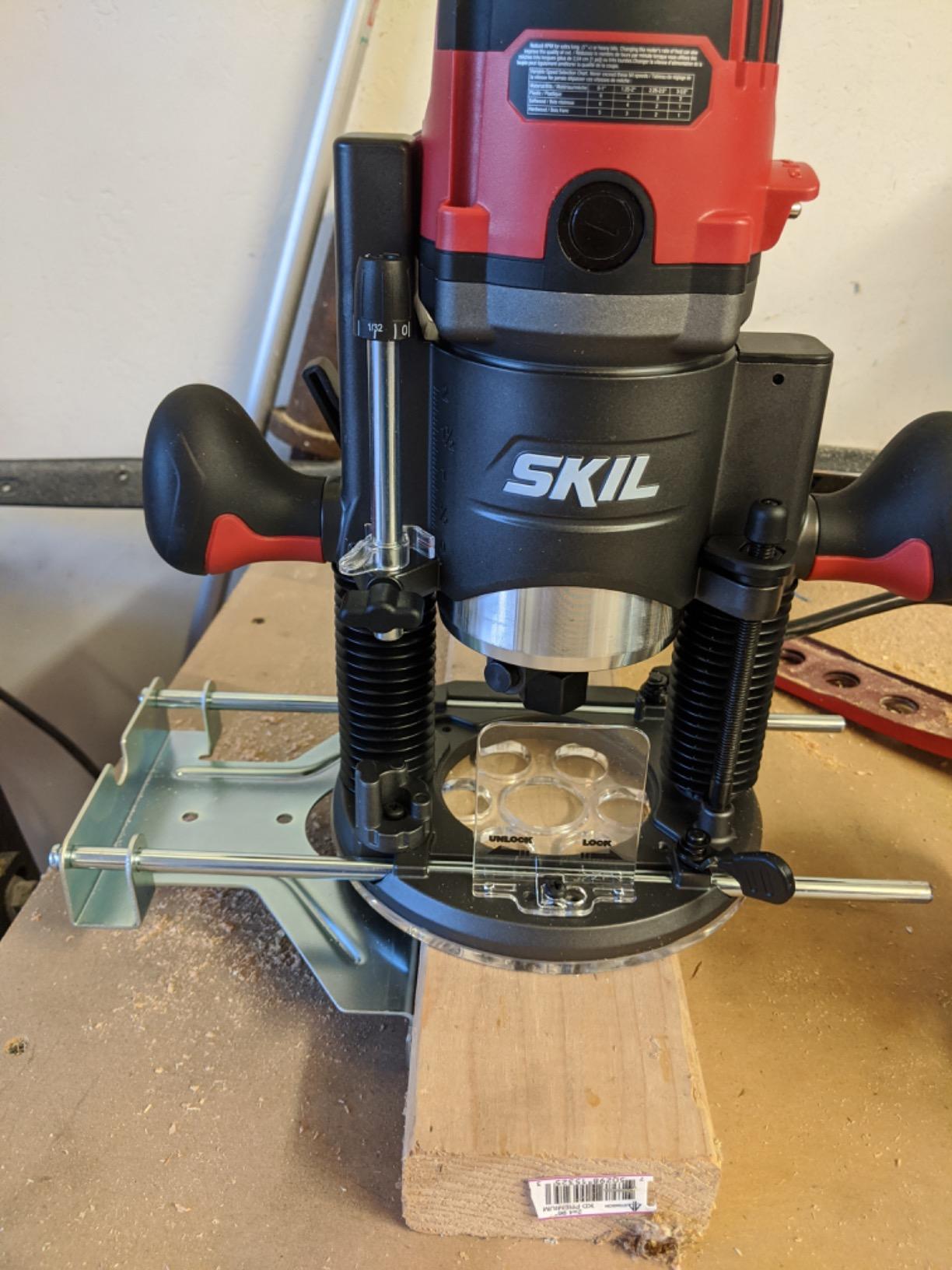
The SKIL is the one I recommend to people who want to start cutting mortises this month without a big commitment. A 14 amp motor gives it more pull than the 12 amp routers that dominate this category, and electronic feedback keeps the cutting speed steady when the bit loads up in oak.
The LCD speed display is more useful than it sounds. It suggests a speed based on the bit type and material, so if you are new to mortising you do not have to guess at a number to avoid burning a bit or stalling the motor. Live tool indicator lights also save you a plunge into the wood with the switch off.
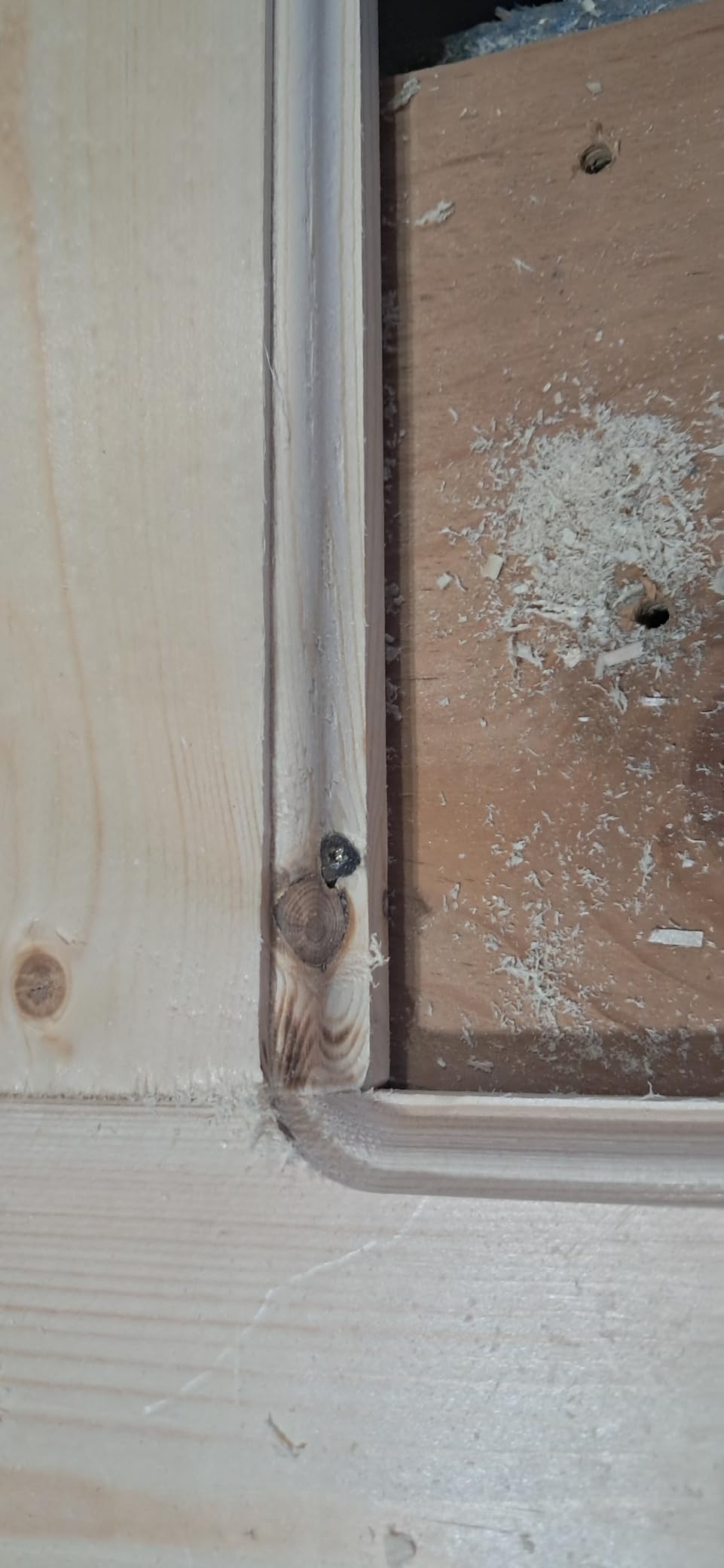
Both a 1/4 inch and a 1/2 inch collet ship in the box, along with dust extraction adaptors and both bases. Having the 1/2 inch collet already fitted matters if you ever move to a larger mill coping or flush trim bit, because the bushing standard differs from the smaller collet.
The main complaints in reviews are about feel rather than function. Owners note that the plastic construction is lighter and less rigid than all-metal rivals, and the one year limited warranty is short for a tool expected to last decades. Neither stops it from producing accurate mortises.
Who the SKIL RT1322-00 suits
It suits a hobbyist building furniture on a budget, or a small shop that wants a second plunge router for jig work without running a duplicate motor system. The included collets and adaptors mean you can start cutting the day it arrives.
It also suits anyone who wants more amperage than the typical 12 amp kit offers but does not need the absolute finest depth ring in the group.
Where the SKIL RT1322-00 falls short
It falls short for a shop that wants an aluminium housing for vibration damping, since the plastic body transmits more feel through the handles on a heavy cut. The one year warranty offers no long-term protection.
It is not the pick for very dense timbers at large cutter diameters, where a 15 amp motor has more headroom before it bogs.
4. WEN RT6033 – Best Budget Plunge Router with a 7-Stop Turret
WEN RT6033 15-Amp Variable Speed Plunge Woodworking Router Kit with Carrying Case & Edge Guide
15 amp variable speed
Up to 2-3/8 in. plunge depth
7-stop turret
Locks as a fixed base
Pros
- Up to 2-3/8 inches of plunge depth
- 7-stop turret with macro and micro dials
- 15 amp motor handles small hardwood cuts
- Case and edge guide included
Cons
- Trigger switch is easy to bump while handling a jig
- Short power cord
- No router bits included
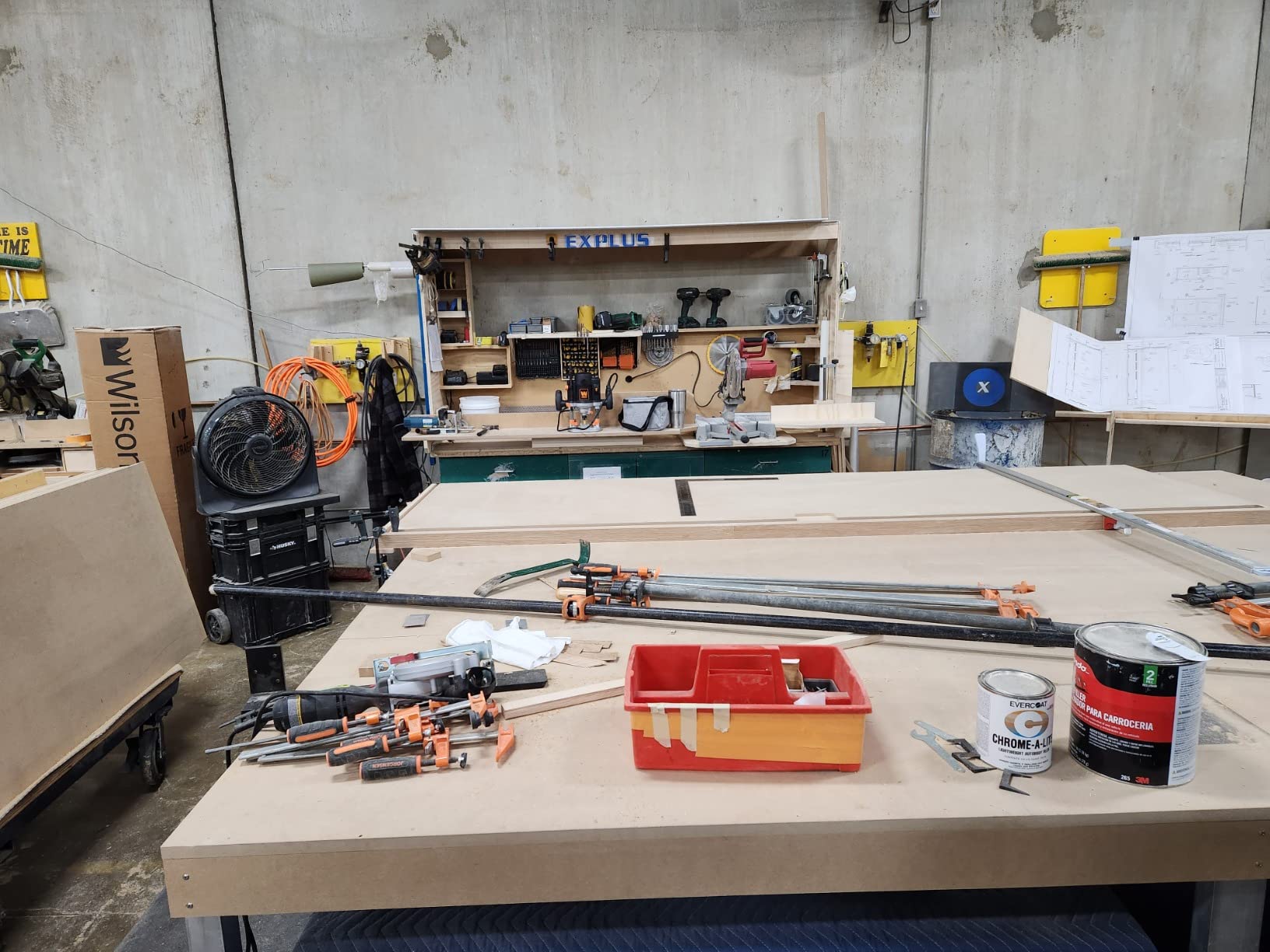
The turret is the feature that makes this router interesting for mortising. Seven depth positions with both macro and micro dials let you set up three or four mortise depths once and step between them without re-reading the ring, which is exactly what batch joinery needs. Few routers at this level give you that.
Plunge depth of up to 2-3/8 inches is deeper than most plunge routers in this group reach, and it means deeper mortises and stopped dados need fewer passes. The 15 amp variable speed motor has plenty of power for 1/8 inch cuts in hardwood, which is where most of the material actually comes out.

The plunge base locks in the down position, so the same tool works as a fixed base on a jig or table when you are not cutting interior mortises. Owners like the solid plunge lock for keeping mortise depth consistent across a batch.
The trigger-style on and off switch is the most repeated complaint, because handling a jig with one hand makes it easy to bump. The cord is also shorter than ideal for large workpieces, and no bits are included, so budget for a 1/4 inch straight bit and an upspiral before your first cut.
Who the WEN RT6033 suits
It suits a builder who wants repeatable multi-depth mortising without paying for a premium turret system, and it works well as a shop second router on a router table. The included case and edge guide make it easy to keep out of the way when it is not in use.
Anyone cutting repeated identical joints will appreciate stepping between turret positions instead of adjusting a ring by hand each time.
Where the WEN RT6033 falls short
It falls short where build rigidity matters most. Reviewers describe a sturdy, heavy-feeling tool, but the depth reading is not as finely graduated as a dedicated micro-fine ring on a pro router.
It is also not the choice for a shop that needs dust extraction as standard, since collection has to be added separately.
5. Bosch MRC23EVSK – Best Modular Router for a Growing Shop
Bosch MRC23EVSK 2.3 HP Electronic Modular Router System
15 amp and 2.3 HP
10000-25000 RPM
AfterLock depth adjustment
Swappable motor pack
Pros
- 15 amp motor handles very dense hardwood
- AfterLock fine depth adjustment at any plunge setting
- Motor pack swaps between bases quickly
- LED lighting shows the bit area
Cons
- Heavy body for handheld jig work
- Vibration noticeable at top speeds
- Dust ejects near the operator
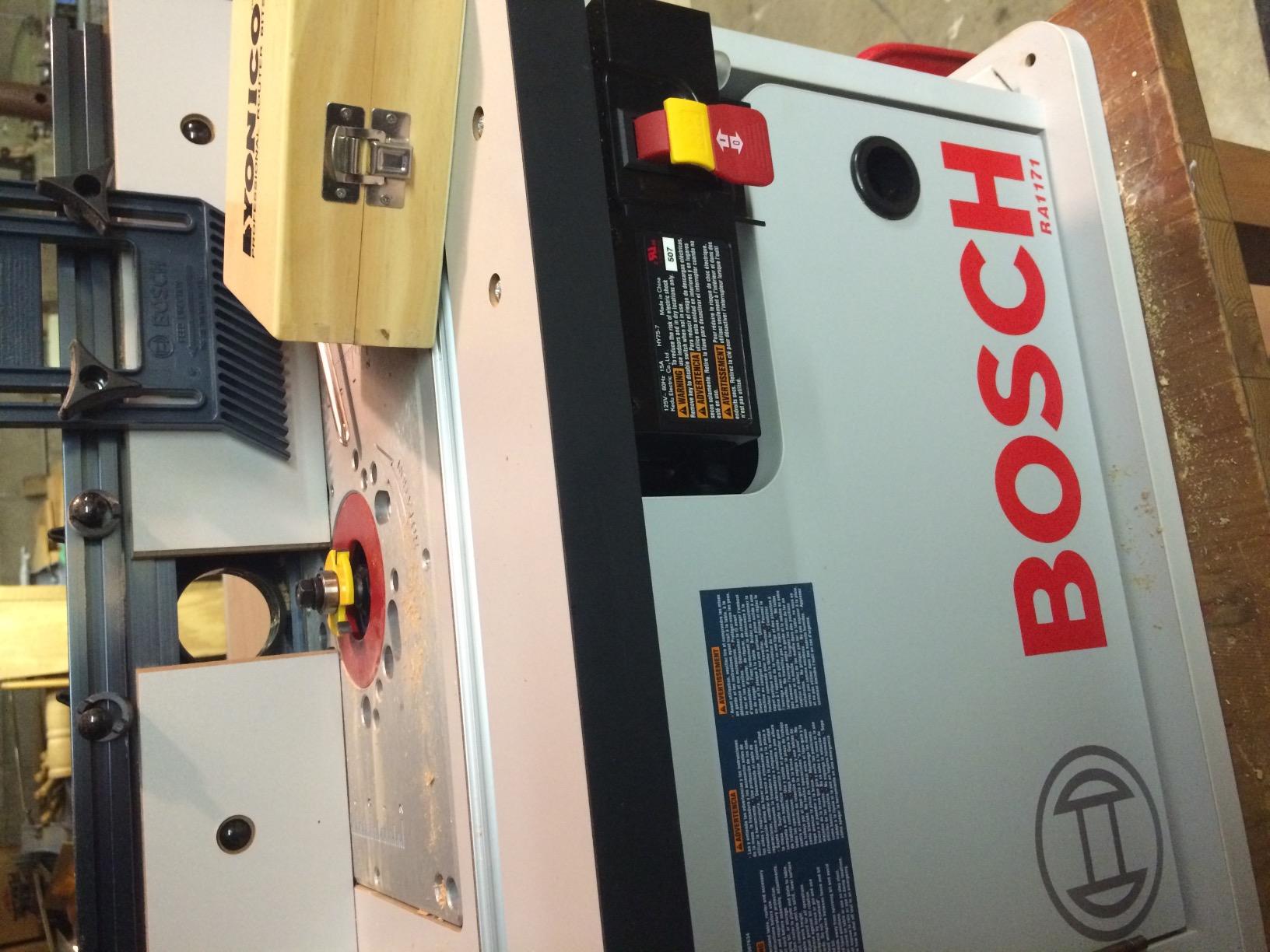
This is the router to buy if you expect your tool collection to grow. The motor pack detaches from the base with a two-stage quick clamp, so one motor can serve a plunge base for mortising and a fixed base for edge work, and more bases can be added later. You are not buying a whole new router to change base type.
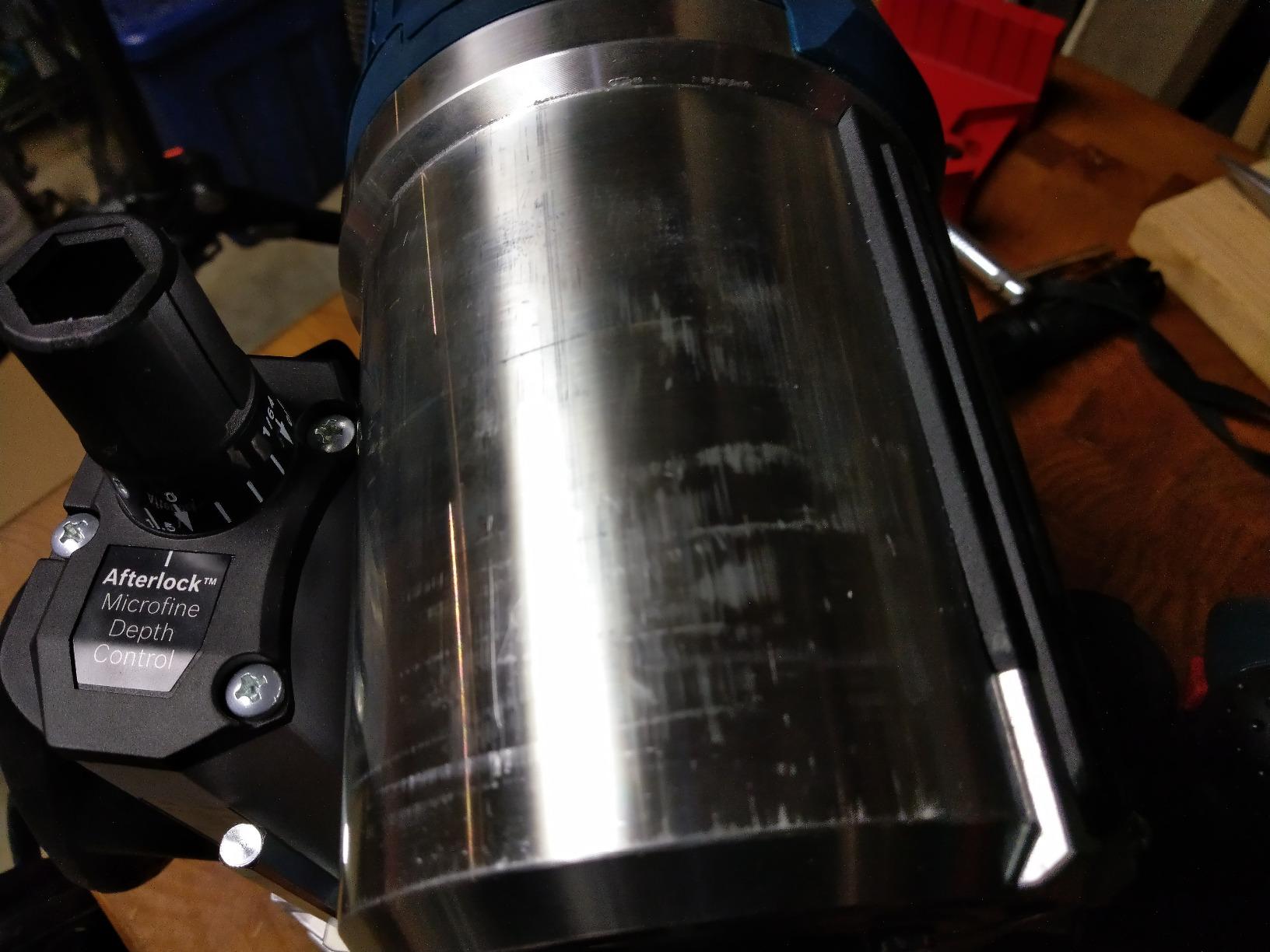
The AfterLock depth adjustment is the detail that matters most for mortising. You can dial fine depth changes while the router is at any plunge position, which means correcting a depth error does not mean pulling the tool out and starting the setup again. Long-term owners use it for deep mortising in very dense wood such as jatoba.
The precision-centering design keeps the bit aligned on the cut line, which reduces the chance of a wall that wanders off the layout line. Always-on LED lighting in the bit area helps in exactly the situation mortising creates, where a deep slot shadows the cutter.
Owners cite the body weight for handheld jig work, noticeable vibration at the highest speed settings, and dust collection that is not dust-free and ejects near the operator. A small number of reviews also describe electronic switch failures, which is worth weighing if you run the tool heavily.
Who the Bosch MRC23EVSK suits
It suits a shop that already owns or plans to own extra bases and wants one motor to cover them all. The 15 amp motor is genuinely strong for very dense hardwood mortises, more so than the 11 amp and 12 amp kits in this group.
Trigger control in the handle and soft start give fine speed management in small diameter bits, where slowing down reduces the chance of burning the walls.
Where the Bosch MRC23EVSK falls short
It falls short for a compact hand tool setup because of the weight and vibration transfer. The one year limited warranty is also among the shortest here.
It is not the pick if clean dust extraction is a requirement, since chips are ejected toward the operator rather than captured.
6. Triton TRA001 – Most Power for Mortising Hard Timber
Triton TRA001 3-1/4 HP Dual Mode Precision Plunge Router
3-1/4 HP and 15 amp
8000-21000 RPM
Micro winder depth control
3-stage turret
Pros
- Highest horsepower here for hard timber mortising
- Micro winder gives continuous fine depth tuning
- Direct-reading 3-stage turret for repeat mortises
- Dual mode plunge and fixed base
Cons
- Very heavy and awkward in handheld jig work
- Slow to crank through full plunge travel
- Recurring switch and motor failure reports
If you are cutting mortises in dense hardwood and refusing to back off the cut, this is the strongest motor in the group at 3-1/4 HP and 15 amps. Owners who use it as a table-mounted or dedicated mortising machine report that it does not bog down in large bits, which is the failure mode that ends a cut early and leaves a tapered mortise.
The micro winder gives continuous fine depth adjustment through the full plunge travel rather than a stepped ring, and the three-stage turret carries direct-reading preset depth scales. Together those two features are the best depth repeatability package here for batch work.
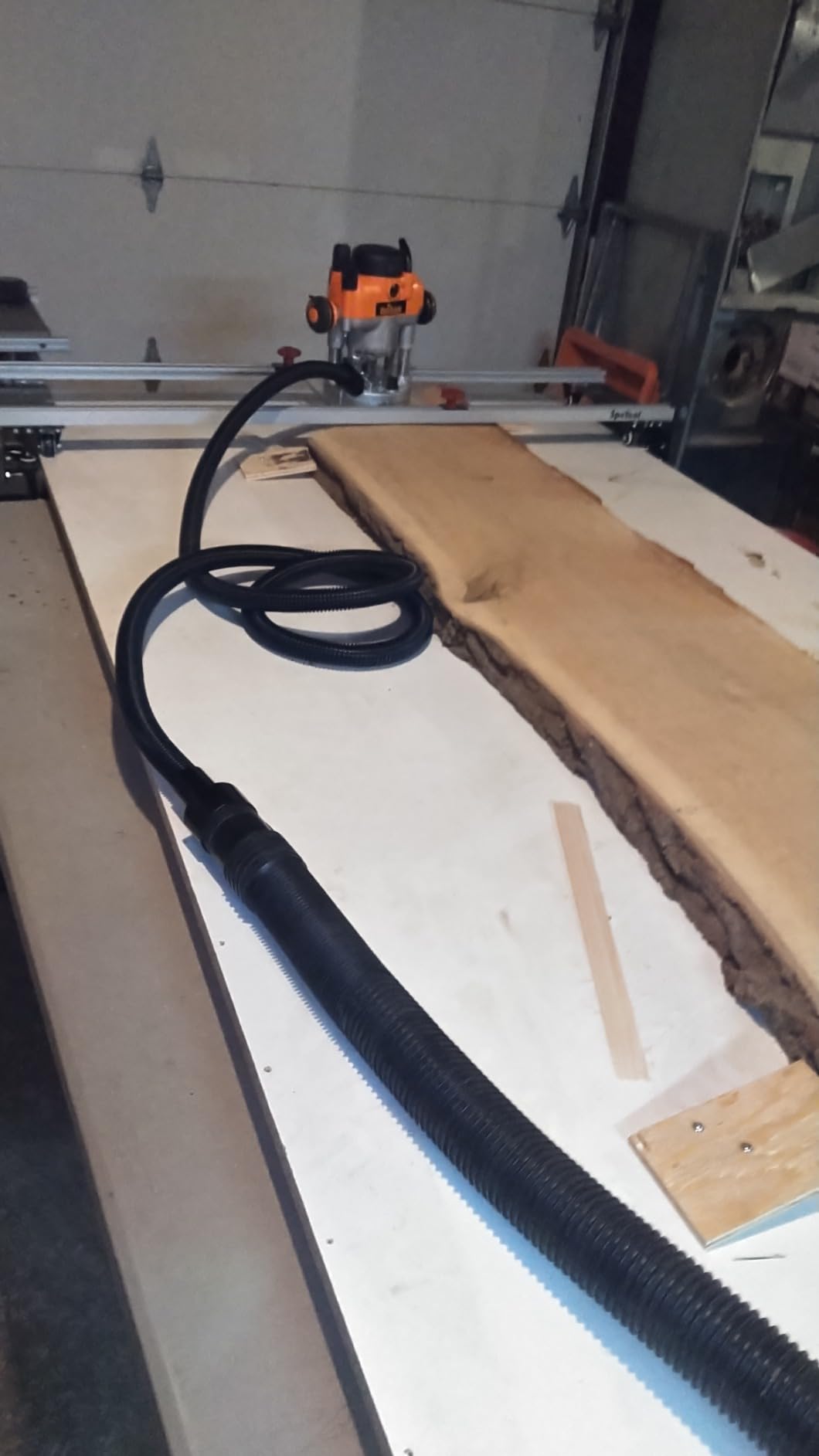
Automatic spindle lock allows single-wrench bit changes through the base, so swapping between a straight bit and an upspiral is quick when you are experimenting with pass depth. Side air vents reduce dust intake into the motor casing, which helps in a shop that does not have extraction everywhere.
The complaints are consistent. Handheld users find it very heavy and awkward, and cranking the full plunge travel by hand is slow. A recurring thread in reviews mentions electronic switch or motor reliability problems, and the on and off switch position is inconvenient in some setups.
Who the Triton TRA001 suits
It suits a shop with a bench-mounted setup where the router does the cutting and you move the workpiece, and it suits anyone working in timber that stalls weaker motors. The table height winder and multi-function fence are included for that arrangement.
Batch joinery is where the turret scales pay off, since you can return to the same marked depth for every joint in a run.
Where the Triton TRA001 falls short
It falls short as a handheld jig router. The weight makes it a poor choice for one-handed jig work, and that is a common way to cut mortises.
The lower 4.2 rating and recurring reliability reports mean it is not the safe first plunge router for a new shop, even with the power advantage.
7. DEWALT DW616PK – Best Lightweight Kit and an Easy Upgrade Path
DEWALT 11 Amp Corded 1-3/4 Horsepower Fixed Base/Plunge Router Combo Kit DW616PK
11 amp and 1-3/4 HP
6 lb tool weight
Fixed and plunge bases
Hard case kit
Pros
- Motor pack interchangeable with DW618 bases
- Very fine easy to read plunge adjustment
- Light 6 lb body is easy to control in a jig
- Hard case organises both bases and bits
Cons
- No soft start or variable speed control
- Older design than the DW618
- 11 amp motor has less reserve in hard wood
At six pounds for the tool, this is the easiest plunge router here to control in a handheld mortising jig. Weight matters more than most spec sheets admit, because a heavy router held over a workpiece for a full set of joints produces a shaky cut and tired hands long before the mortises are done.
The plunge base has very fine, easy to read depth adjustment, which is what owners single out first. The sub-base concentricity gauge included in the kit is a small touch that lets you confirm the base is running true rather than guessing at an out of square base.
The hard case has dedicated places for both bases, bits and accessories, so nothing rattles loose in transit. That is a bigger quality of life difference in a working shop than it sounds.
The trade-off is the motor. At 11 amps and 1-3/4 HP it has less reserve with large cutters in hard wood than the 14 and 15 amp options here, and there is no soft start or variable speed control to manage the cut.
Who the DEWALT DW616PK suits
It suits a small shop or a mobile setup where carrying the tool between jobs is normal and weight matters. It also suits anyone who owns DW618 bases, since the motor pack is interchangeable with them and turns those bases into a plunge capable set.
The 4.7 star rating from owners reflects a tool that simply does what it says with very fine depth control and no complicated features to fight.
Where the DEWALT DW616PK falls short
It falls short on power reserve for deep cuts in dense hardwood with wide cutters, and the missing soft start means more of the work is on you to control the entry.
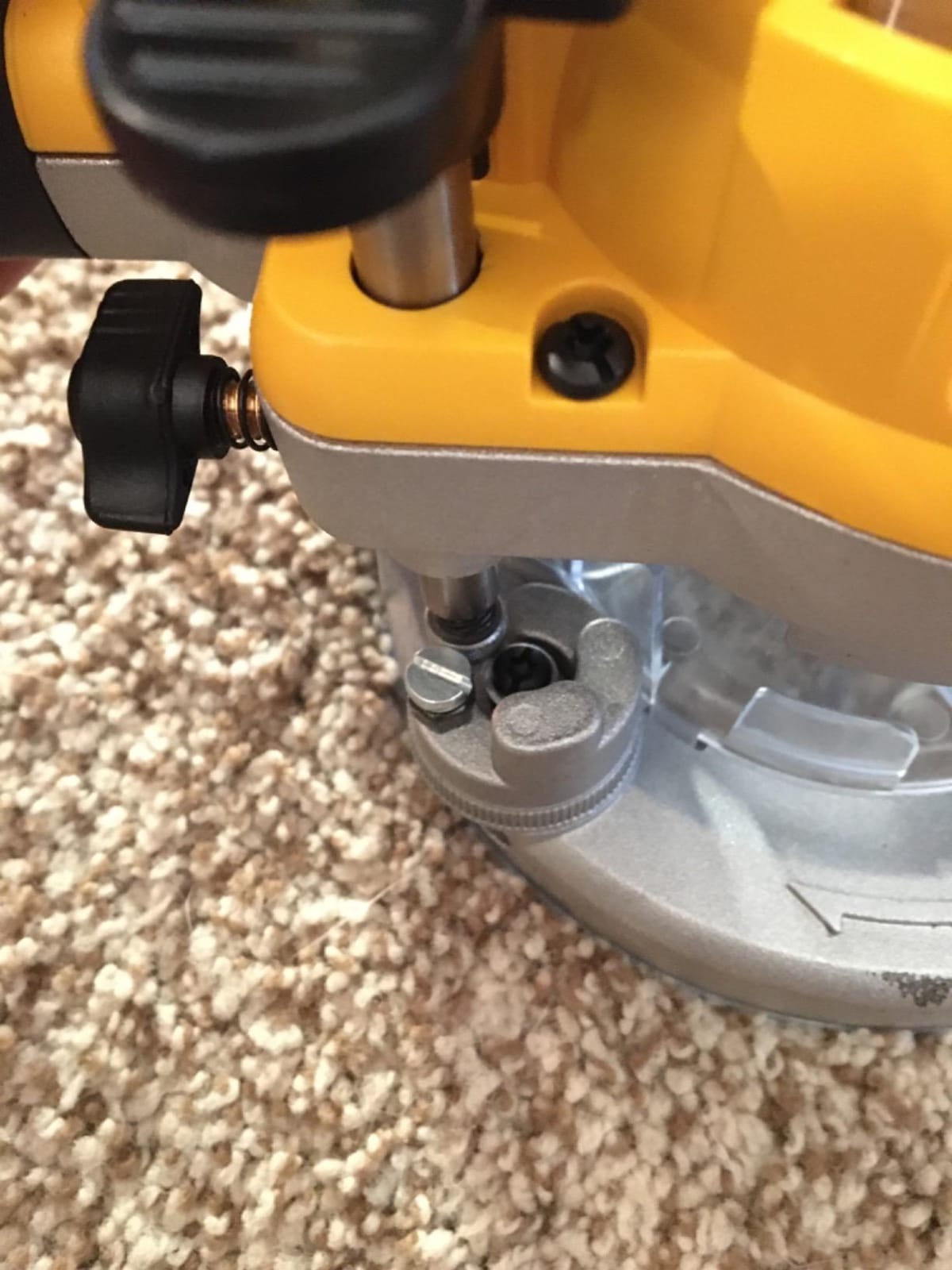
It is an older design, and the two-wrench bit change procedure is slower than the single-wrench systems on newer routers.
8. DEWALT DCW620B – Best Cordless Plunge Router for Mortising
DEWALT 20V MAX XR 2-1/4 Peak HP Plunge Router (Tool Only) (DCW620B)
20V MAX XR cordless
2-1/4 peak HP
11000-23000 RPM
Anti-rotation shutoff
Pros
- No cord to snag when setting up a jig
- Anti-rotation system protects the operator
- Tool-free depth setup and plunge lock
- Compact 8 lb body is easy to control
Cons
- Tool only
- battery and charger sold separately
- Runtime drops at higher speed settings
The anti-rotation system is the feature that makes this worth attention for mortising. If rotational motion becomes excessive, the tool shuts itself down, which is a real protection when you are plunging a spinning bit into a deep, closed slot where you cannot see what is happening.
Tool-free depth adjustment with a scale, a depth stop, a micro-fine depth stop and a micro-fine height adjuster gives you a lot of adjustment in one place. For mortising that means you can set, check and correct depth without reaching for a second wrench, and the plunge lock lever is quick to operate one-handed.
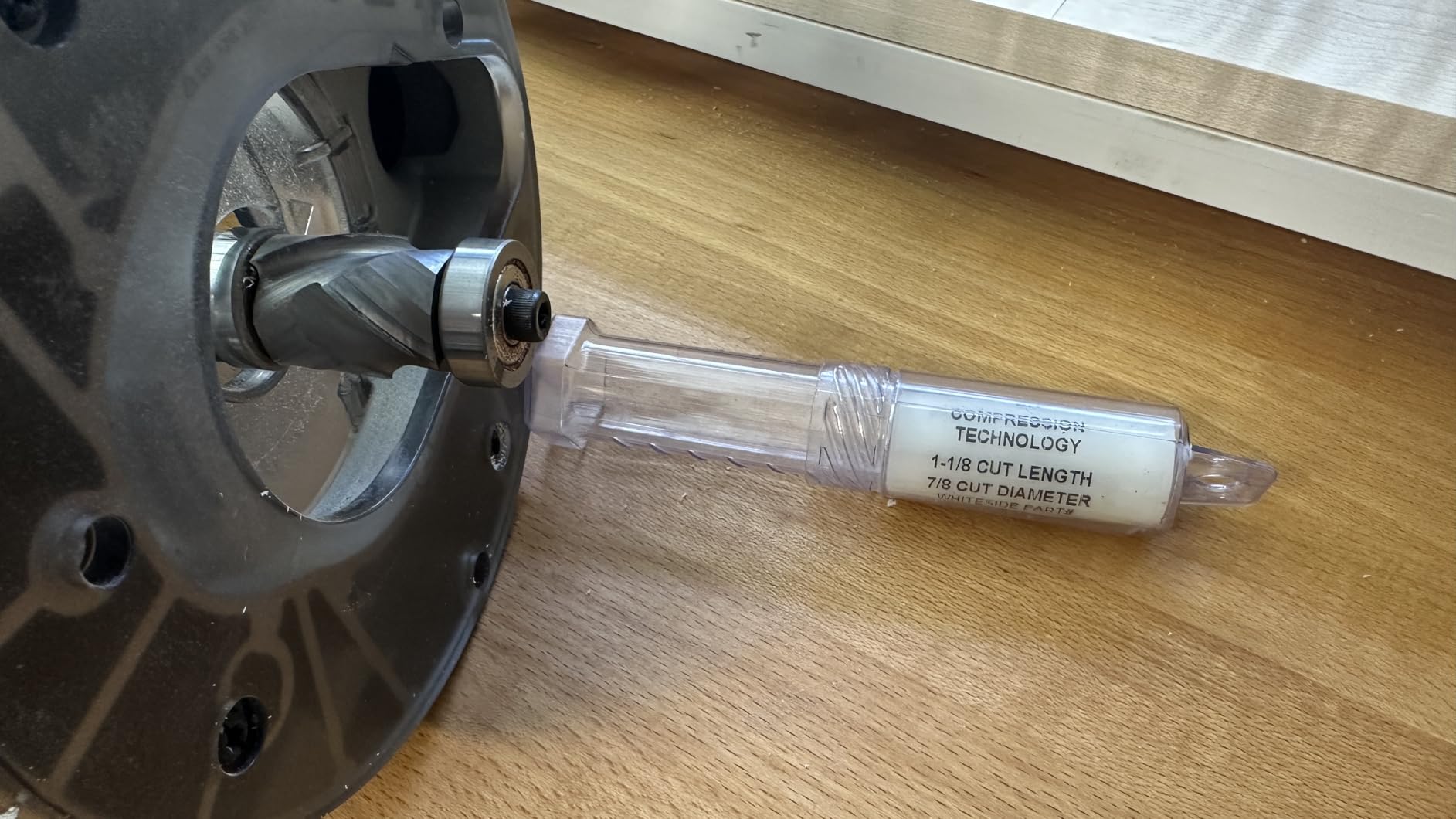
Working without a cord means the jig can go anywhere. If you are building a set of caskets or doors away from a bench outlet, a cordless plunge router removes the whole category of setup problems. At eight pounds for the tool, it is also one of the lighter options here.
Integrated dust collection is compatible with AIRLOCK extractors and captures up to 97 percent, which matters more indoors than it does in a dusty shop. Dual LED work lights illuminate the bit area.
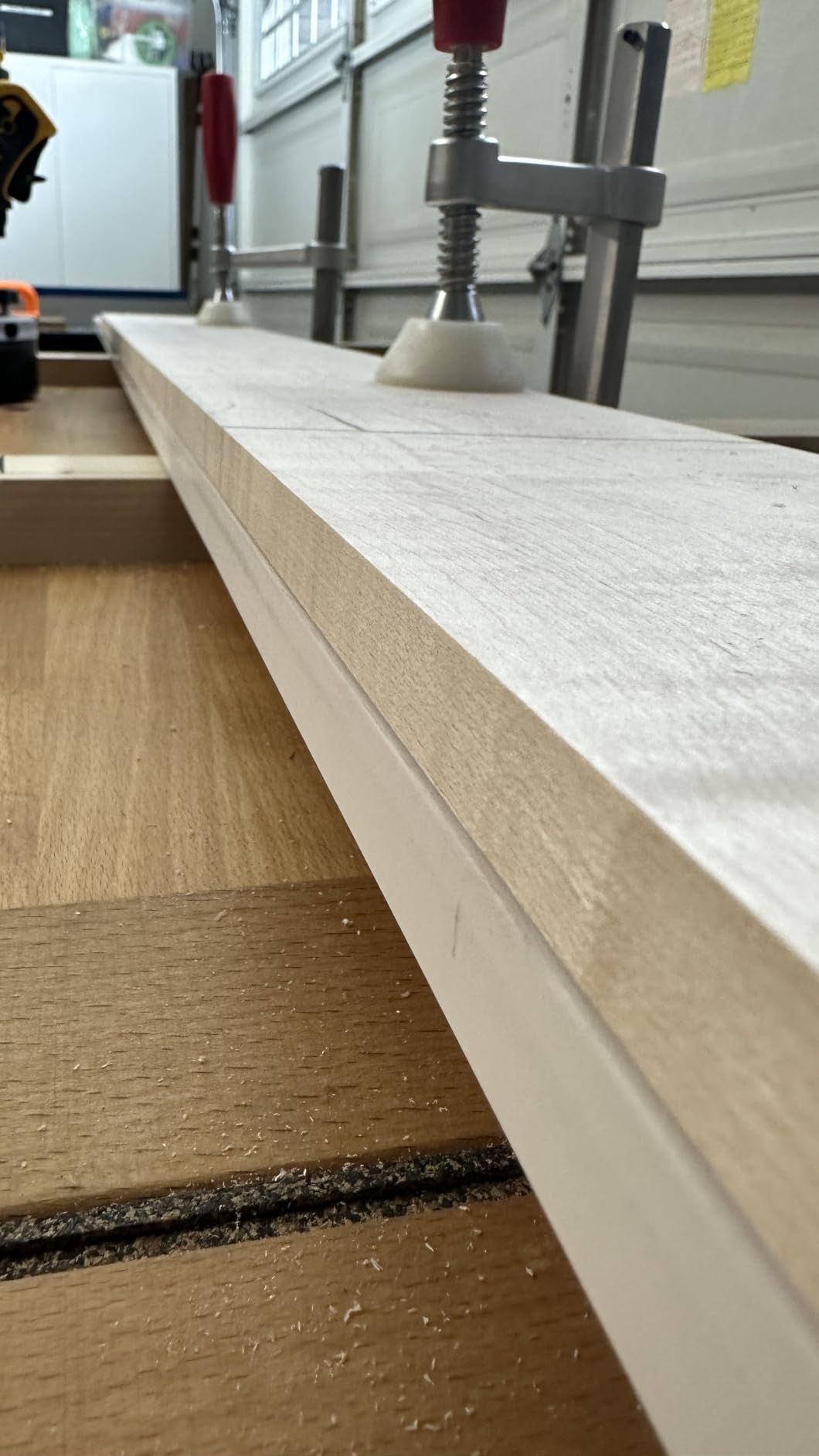
Who the DEWALT DCW620B suits
It suits anyone already running 20V MAX XR packs, or building on site where mains power is awkward. The three position adjustable turret stop supports batch work, and variable speed with constant speed under load suits different mortise bit diameters.
If battery and charger are already in your system, this is the cheapest way into a modern plunge router with tool-free depth control.
Where the DEWALT DCW620B falls short
It falls short if you are starting from nothing, since it is sold as tool only and the battery and charger have to be bought separately. Runtime also drops on higher speed settings, which cuts into a long batch.
The review base is small compared with the established routers here, so long-term durability data is thinner.
9. WORKPRO Compact Router Combo – Best Starter Package
WORKPRO 6.5 Amp Compact Router Combo Kit, Fixed & Plunge Base
6.5 amp motor
12000-30000 RPM
Six speed settings
Plunge and fixed bases
Pros
- Six router bits and both bases included
- Metal gears feel solid for the price
- Light and easy to handle in a small jig
- Variable speed suits small mortise bits
Cons
- Depth adjustment can drift when unclamped
- 6.5 amp motor is limited in hard wood
- Bases may need oiling out of the box
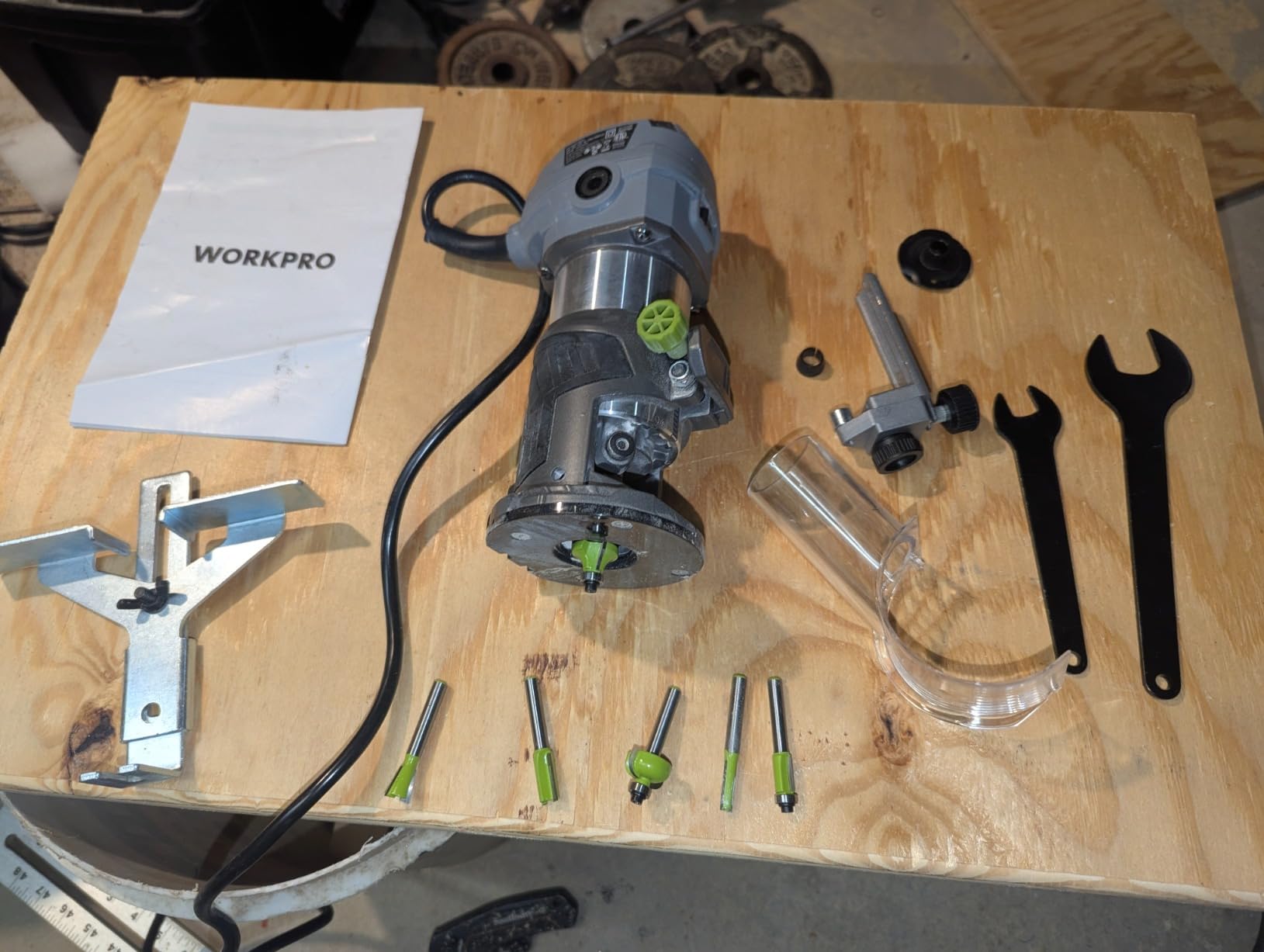
Nothing else in this group puts six router bits, both bases, a straight guide, trimming guide, template guides, dust collectors, a guide holder and wrenches in one box. For a first plunge router purchase, the accessory list removes nearly every reason to make a second order before you cut your first mortise.
It is also light and easy to move around a small jig, which makes it a reasonable second router for light mortising duty. Variable speed across six settings from 12000 to 30000 RPM lets you match the speed to a small mortise bit.
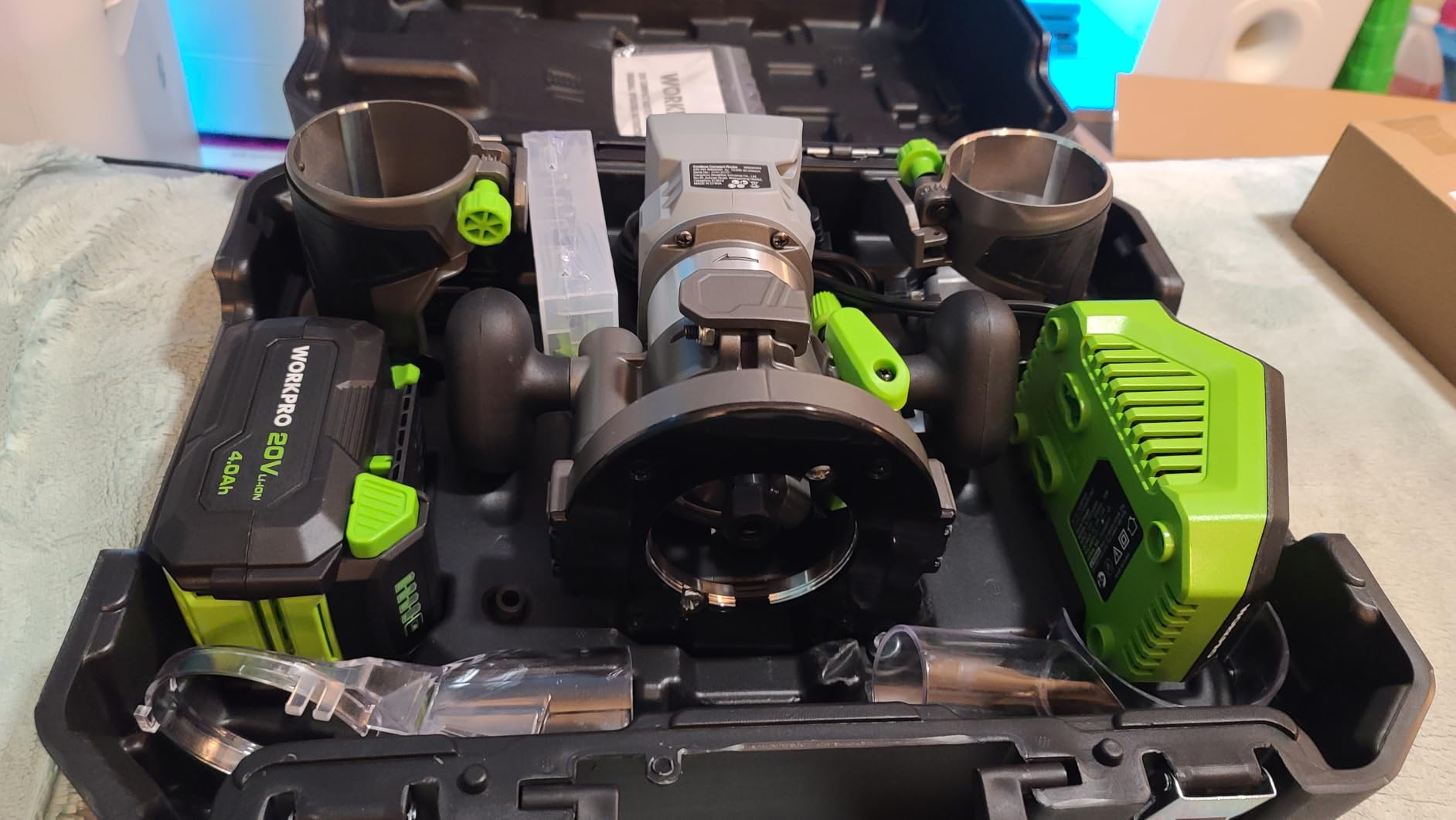
The rack and pinion depth knob moves smoothly and rubber-wrapped handles reduce hand pressure during a longer pass. Owners frequently describe it as surprisingly capable for the money.
The recurring complaints are honest ones. Depth adjustment can drift when the clamp is released, so a gauge is worth using to check your setting. The 6.5 amp motor has limited power for deep cuts in hard wood, and the plunge base shafts can need oiling before first use.
Who the WORKPRO combo suits
It suits a first-time plunge router buyer who wants every accessory in hand on day one, and hobbyists cutting light mortises in softwood or thinner hardwood. The transparent dust hood helps with chip control and lets you see the cut.
As a second router for a small jig, it leaves your main machine free for edge work.
Where the WORKPRO combo falls short
It falls short on accuracy confidence. Depth drift when unclamped is exactly the problem forum users complain about with entry-level plunges, and it forces you to re-check settings constantly.
The included fence is of low quality, and the motor gives up quickly if you push a wide cutter deep in oak.
10. VEVOR Compact Router – Best Budget Router for 64 mm Mortising Jigs
VEVOR Compact Router 1.25HP With Fixed Base, Plunge Base and Tilt Base, Variable Speed Wood Router Kit Max Torque 30,000RPM For Woodworking & Furniture Manufacturing
1.25 HP 800W motor
10000-30000 RPM
Fixed plunge and tilt bases
64 mm body diameter
Pros
- Three bases including a tilt base
- 64 mm body fits standard mortising jigs
- Cast aluminium housing reduces vibration
- Soft start and Constant Response circuitry
Cons
- Bases may need adjustment to remove play
- Quarter inch collet can need clearing before use
- Inconsistent machining finish on some units
The 64 mm body diameter is the reason to look at this router. A large share of European and cheaper mortising jigs are built around a 64 mm motor diameter, and this is one of the few budget plunge routers on the market that fits those jigs directly instead of requiring an adapter plate.
Three bases ship in the kit, including a tilt base that most routers at this level do not offer. Variable speed from 10000 to 30000 RPM, soft start, and Constant Response circuitry cover the basics of controlled mortising entry, and the cast aluminium housing damps more vibration than plastic bodies of the same class.
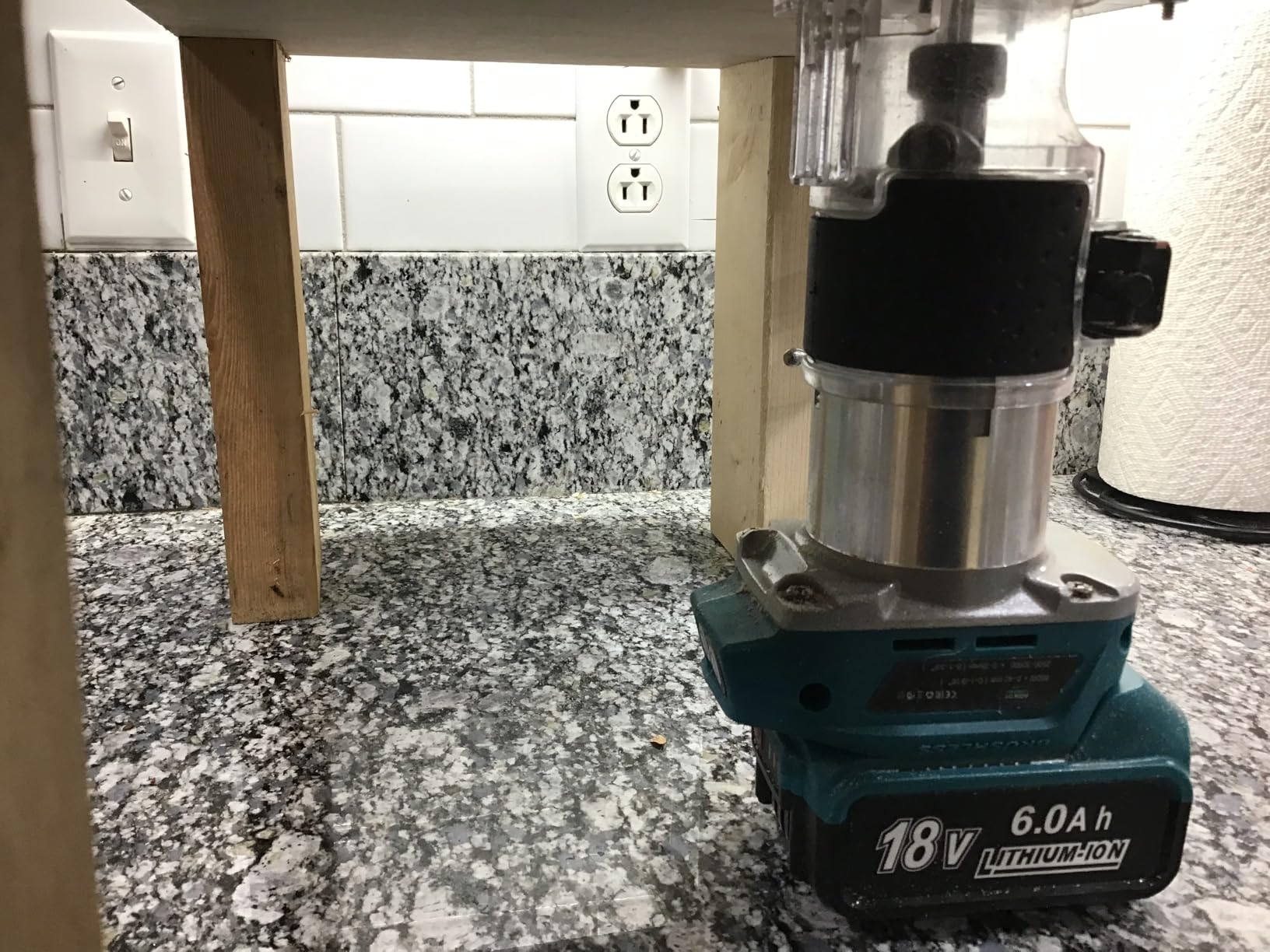
Rack and pinion depth control is graduated in both inch and millimetres, which is convenient if you work from metric drawings. Spare carbon brushes are included, so a brush change will not end your weekend.
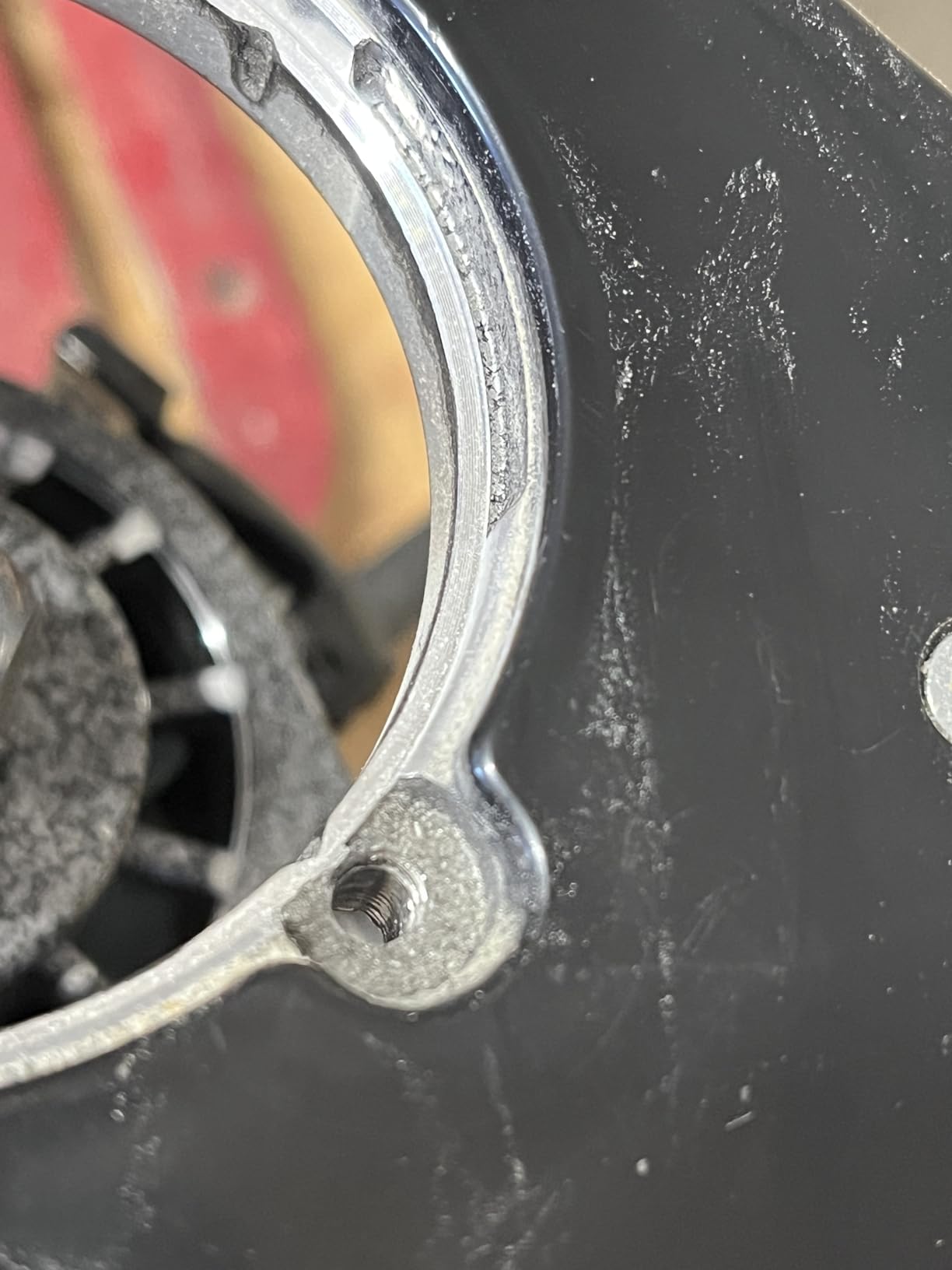
The complaints are about fit and finish. Some bases need adjustment to remove play at the body fit, and the quarter inch collet may not accept bits correctly until it is cleared. A few owners also report rough machining finish on certain units, so inspect on arrival.
Who the VEVOR compact router suits
It suits a builder who already owns, or is considering, a 64 mm mortising jig and wants a cheap motor to drive it. One owner reports using it as a workable substitute for a high end joining system on light work.
The included dust hood, guides and collets make it a complete first plunge setup at the entry end of the market.
Where the VEVOR compact router falls short
It falls short in hard wood. The 800W motor and lack of a brushless design mean it will bog down or stall on a wide cutter before you finish a deep mortise.
Assembly and fit issues that need a socket wrench on first setup are a common complaint, and the low 4.1 rating reflects that rough start.
How to Cut a Mortise with the Best Plunge Routers for Mortising
Cut a mortise in shallow stepped passes rather than one deep plunge. Take roughly 1/8 inch to 3/16 inch per pass, let the depth stop set the limit, and clean the walls with a chisel at the end. A single deep plunge looks faster and produces torn walls, a burned bit, and a mortise that is out of square.
1. Mark the mortise. Lay out both ends of the mortise and mark the depth on both faces. Drill waste holes with a drill bit slightly smaller than the mortise width to remove most of the material before the router touches it.
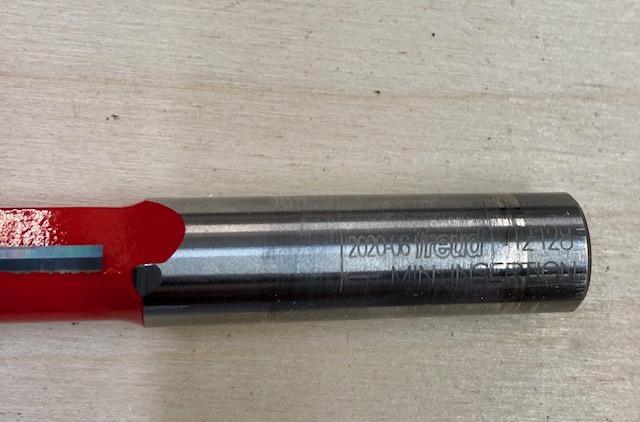
2. Choose the bit. For deep mortises, use a 1/4 inch or 3/8 inch upspiral bit with a 1/4 inch shank, or a straight bit if you are prepared to sharpen often. An upspiral clears chips upward out of the slot and resists the burn that puts beginners off mortising.
3. Set the depth stop. Bring the bit to the marked depth with the base sitting flat, then back the stop off by about 1/16 inch so the bit does not rack into the base at full plunge. Verify the setting on a scrap board with the same thickness as your workpiece.
4. Position the jig. Set the base square on the workpiece, with the bit centred on the layout line. If you do not own a mortising jig, blocks or a straightedge clamped to the workpiece as a fence will keep the base from walking.
5. Start and plunge. Bring the motor to full speed, then release the plunge lock and lower smoothly to the first stop. Do not force the plunge; if the router does not descend under power, the bit is probably dull or the motor is underpowered for that cut.
6. Repeat. Lock the depth, move one bit diameter over, and repeat until the slot is cleared. Rotate the workpiece between passes to keep any fuzzing on an edge you will trim or plane later.
7. Clean up. Take a light skim pass to reach full depth, then remove the fuzzing and square the walls with a sharp bevel-edge chisel and mallet. Many experienced woodworkers finish every mortise this way, because a chisel leaves a wall a router cannot.
Plunge-Only vs Plunge-and-Fixed Kits: Best Plunge Routers for Mortising Compared
If mortising is most of what you do, a plunge-only router is the cleaner choice. The motor, plunge column and base are built as one focused tool, and you are not paying for a fixed base you will rarely use. If you also cut door profiles, hinges, raised panels and edge work, a combination kit is usually better value because one motor serves both bases.
Among our picks, the WEN RT6033 and Triton TRA001 are plunge-first designs where the base can be locked to act as a fixed base. The Bosch 1617EVSPK, DEWALT DW618PKB, SKIL RT1322-00, Bosch MRC23EVSK, DEWALT DW616PK, WORKPRO and VEVOR all ship with both bases.
One thing to check before buying a combo kit: a fixed base for a mortising jig does not necessarily help. Mortising jigs are built around the router’s column and plunge travel, not the diameter of a fixed base shoe, so the second base is a versatility feature rather than a mortising feature.
What to Look for in the Best Plunge Routers for Mortising
A stable base that sits flat on the workpiece without rocking is the first thing to check. Mortising happens on top of the stock, not in a router table fence, so any wobble in the base becomes an out of square mortise wall.
Depth stop accuracy decides whether a batch of joints matches. A micro-fine ring with fine increments, a threaded depth rod, or a multi-position turret all work; what matters is that the reading returns to the same number after the plunge lock is released and re-clamped.
Plunge smoothness matters more than plunge travel. A sticky plunge that grabs at the bottom of travel can gouge the workpiece as you retract the tool, and most complaints about plunge routers trace back to bushings rather than motors.
Motor reserve decides whether you finish a cut in dense hardwood. A 12 amp motor handles most 1/4 inch mortise bits; a 14 or 15 amp motor gives you margin on wide cutters and hard timber.
Variable speed and soft start let you slow down for clean entry in small diameter bits and reduce the torque spike when the bit first touches the wood. Bosch 1617EVSPK, DEWALT DW618PKB, SKIL RT1322-00, Bosch MRC23EVSK and VEVOR all provide both.
Collet and bushing standards decide your bit options. A 1/2 inch collet takes larger shanks and bushing standards than a 1/4 inch collet, so check what your jig bushings require before you commit. SKIL, DEWALT DW616PK, WORKPRO and VEVOR include both common collet sizes.
Dust extraction keeps the bit line visible. Through-column collection on the DEWALT DW618PKB is the best in this group; most plunge routers need a separate vacuum adapter and none ship with a full extraction system as standard.
Jig Compatibility for the Best Plunge Routers for Mortising: Domino, Trend, Woodpecker and 64 mm Systems
Check the router’s body diameter and column type against your jig before you buy, because this is the most common expensive surprise. Trend-style jigs have specific base plate and bushing fit, and proprietary bushings mean you cannot assume a plunge router will drop straight in.
For a Festool Domino, the mortising attachment is a separate purchase and the router is mounted in a specific way. A plunge router can drive an attachment designed for a fixed-base router, but you need the correct plate and bushing, and the depth reference comes from the attachment rather than the router’s own stop.
Woodpecker and similar mortising jigs generally clamp the router by its body or column. The VEVOR compact router lists a 64 mm body diameter for compatibility with standard 64 mm mortising jigs, which is worth confirming against your jig’s manual before ordering.
Forum discussion on woodworking boards consistently suggests pairing a plunge router with a dovetail or mortising jig, because the jig does much of the accuracy work and the router supplies the cutting. That is good news for a first-time plunge buyer: a decent jig plus a mid-range router will produce better mortises than an expensive router on a freehand base.
If you already own a fixed-base router and mostly cut mortises, a drill-mounted mortising attachment is often cheaper than replacing the router. We covered router and saw pairings for cabinet and arcade builds in our guide to the best table saws and routers for building arcade cabinets, which covers base plate fit in more detail.
Frequently Asked Questions
Can I cut mortises with a router?
Yes, and a plunge router is the right tool for it. The bit spins at full speed before entering the wood, so you lower it straight down and stop at an exact depth instead of tilting a fixed-base router into the cut. A fixed base works only with a jig that references depth for you. A sharp 1/4 inch or 3/8 inch bit and shallow stepped passes will produce a clean mortise.
What router bit is best for cutting deep mortises?
A 1/4 inch or 3/8 inch upspiral bit with a 1/4 inch shank is the usual answer. The upspiral flutes lift chips upward out of the slot, which reduces the heat and burning that dulls a bit and wrecks a wall. A straight bit also cuts well but needs sharpening far more often. Use up to 3/8 inch shank in a router with a 1/2 inch collet for wider mortises.
What is the maximum plunge depth of a plunge router?
Most plunge routers reach about 2 inches of plunge travel, and some reach more. WEN RT6033 is listed here at up to 2-3/8 inches, deeper than most of its class. Because racking the bit against the base shortens the effective depth, set the stop about 1/16 inch short of full travel and verify it on a scrap board of the same thickness as your workpiece.
How deep should a mortise be?
A mortise should be cut about 1/8 inch deeper than the tenon is long, which leaves room for glue and for cleanup with a chisel. Make the depth identical on both ends of the mortise, and mark it on both faces so you can check it as you go. In practice, reach the final depth in 1/8 inch to 3/16 inch steps rather than one deep plunge, then clean the walls with a sharp chisel.
Do I need a plunge router for mortises?
If you cut mortises by hand rather than with a dedicated mortiser, yes. A fixed-base router cannot start a cut at a fixed point inside the wood without tilting into the workpiece, which tears the top edge. A plunge router plunges straight down at full speed and stops exactly at the depth stop. If your volume is high enough to justify a separate machine, a mortiser will still be faster for volume work.
What is the best plunge router for mortising on a budget?
Among our picks, the WEN RT6033 and the SKIL RT1322-00 give the most mortising capability for the money. The WEN offers a 7-stop turret with macro and micro dials for repeatable multi-depth work and up to 2-3/8 inches of plunge. The SKIL pairs a 14 amp motor with an LCD speed display and includes both bases plus quarter inch and half inch collets.
Our Best Plunge Routers for Mortising: The Top Pick in 2026
Our best overall pick for mortising in 2026 is the Bosch 1617EVSPK, because its MicroFine depth adjustment repeats across a batch of identical joints and its 12 amp motor has the reserve to finish the cut in dense hardwood. If you want the smoothest stroke and the cleanest working conditions, the DEWALT DW618PKB is the runner-up, with through-column dust extraction and a three year warranty.
Start with any of these and pair it with a decent mortising jig. The jig does much of the accuracy work, the router does the cutting, and a sharp upspiral bit with shallow stepped passes plus a chisel at the end will give you better mortises than an expensive router on a freehand base. If you are still working out which accessories a first workshop needs, our table saw and router buying guide covers the supporting tools.