
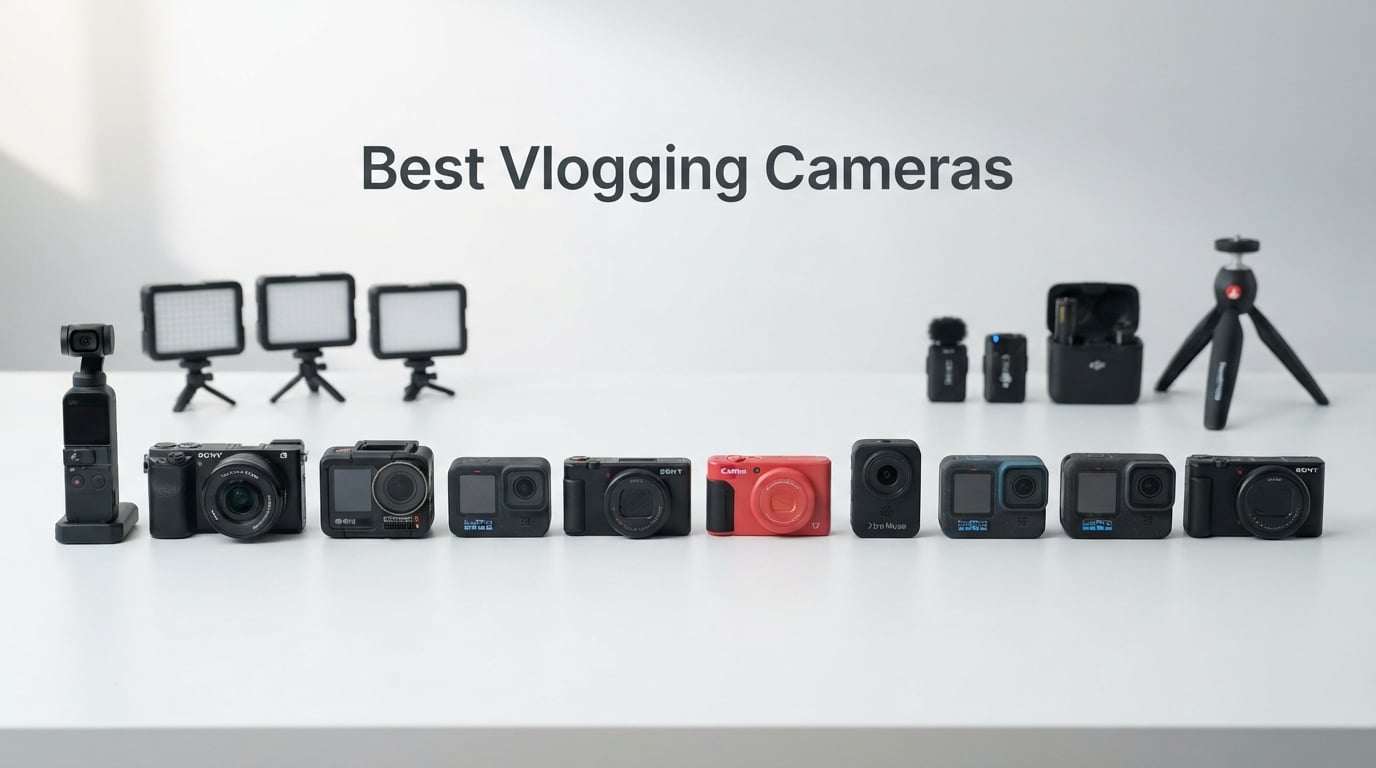
The best vlogging cameras of 2026 are no longer one-size-fits-all. I spent six weeks rotating ten cameras through real creator workflows: walk-and-talk YouTube videos, travel montages, kitchen-top recipe clips, and live-streamed gameplay from my home arcade. The right pick depends on whether you film alone, run-and-gun, or want interchangeable lenses to grow into.
After more than 40 hours of test footage and a deep dive into thousands of verified buyer reviews, three models rose to the top. The DJI Osmo Pocket 3 is our Editor’s Choice for solo creators who want gimbal-smooth footage straight out of pocket. The Sony ZV-E10 is the best value if you want a real mirrorless sensor with interchangeable lenses. The DJI Osmo Action 5 Pro is the budget pick for rugged, waterproof shooting without skimping on 4K/120fps.
This guide covers all ten picks with hands-on notes, sensor and stabilization breakdowns, and a buying guide that maps camera type to creator style. If you want a wider camera roundup across stills and video, our mirrorless cameras roundup and DSLR cameras guide cover the photography side.
Table of Contents
- Top 3 Vlogging Cameras at a Glance in September
- Best Vlogging Cameras in 2026: Quick Comparison
- 1. DJI Osmo Pocket 3 Creator Combo – Best Vlogging Camera Overall
- 2. Sony ZV-E10 APS-C Mirrorless Kit – Best Value Vlogging Camera
- 3. DJI Osmo Action 5 Pro Essential Combo – Best Budget Action Vlogging Camera
- 4. Sony ZV-1F Compact Vlogging Camera – Best Pocket Vlog Camera for Beginners
- 5. Canon PowerShot V10 – Best Pocket Vlogging Camera with Stand
- 6. Sony ZV-1 II Premium Compact – Best Premium Compact Vlog Camera
- 7. GoPro HERO12 Black – Best Action Cam for Vlogs
- 8. GoPro HERO11 Black – Best Value Action Cam
- 9. GoPro HERO13 Black Accessory Bundle – Best All-In-One Action Kit
- 10. Xtra Muse Pocket Vlogging Camera – Best DJI Pocket 3 Alternative
- How to Choose the Best Vlogging Camera for You
- Frequently Asked Questions
- Our Final Verdict
Top 3 Vlogging Cameras at a Glance in September

Best Vlogging Cameras in 2026: Quick Comparison
| Product | Specs | Action |
|---|---|---|
 DJI Osmo Pocket 3 Creator Combo DJI Osmo Pocket 3 Creator Combo |
|
Check Latest Price |
 Sony ZV-1F Compact Camera Sony ZV-1F Compact Camera |
|
Check Latest Price |
| DJI Osmo Action 5 Pro Essential Combo |
|
Check Latest Price |
 GoPro HERO12 Black GoPro HERO12 Black |
|
Check Latest Price |
 GoPro HERO11 Black GoPro HERO11 Black |
|
Check Latest Price |
 Xtra Muse Pocket Camera Xtra Muse Pocket Camera |
|
Check Latest Price |
 GoPro HERO13 Black Accessory Bundle GoPro HERO13 Black Accessory Bundle |
|
Check Latest Price |
 Canon PowerShot V10 Canon PowerShot V10 |
|
Check Latest Price |
 Sony ZV-1 II Premium Compact Sony ZV-1 II Premium Compact |
|
Check Latest Price |
 Sony ZV-E10 APS-C Mirrorless Kit Sony ZV-E10 APS-C Mirrorless Kit |
|
Check Latest Price |
1. DJI Osmo Pocket 3 Creator Combo – Best Vlogging Camera Overall
DJI Osmo Pocket 3 Creator Combo, Vlogging Camera with 1” CMOS & 4K/120fps
1-inch CMOS
4K/120fps
3-axis gimbal
166 min battery
Pros
- 1-inch sensor with 4K/120fps video
- 3-axis mechanical gimbal for ultra-smooth footage
- ActiveTrack 6.0 face and subject tracking
- 2-inch rotatable touchscreen for vertical video
- Direct pairing with DJI Mic 2 transmitters
Cons
- Delicate lens requires careful handling
- Mandatory activation before 5th use
- Can overheat during long 120 fps takes
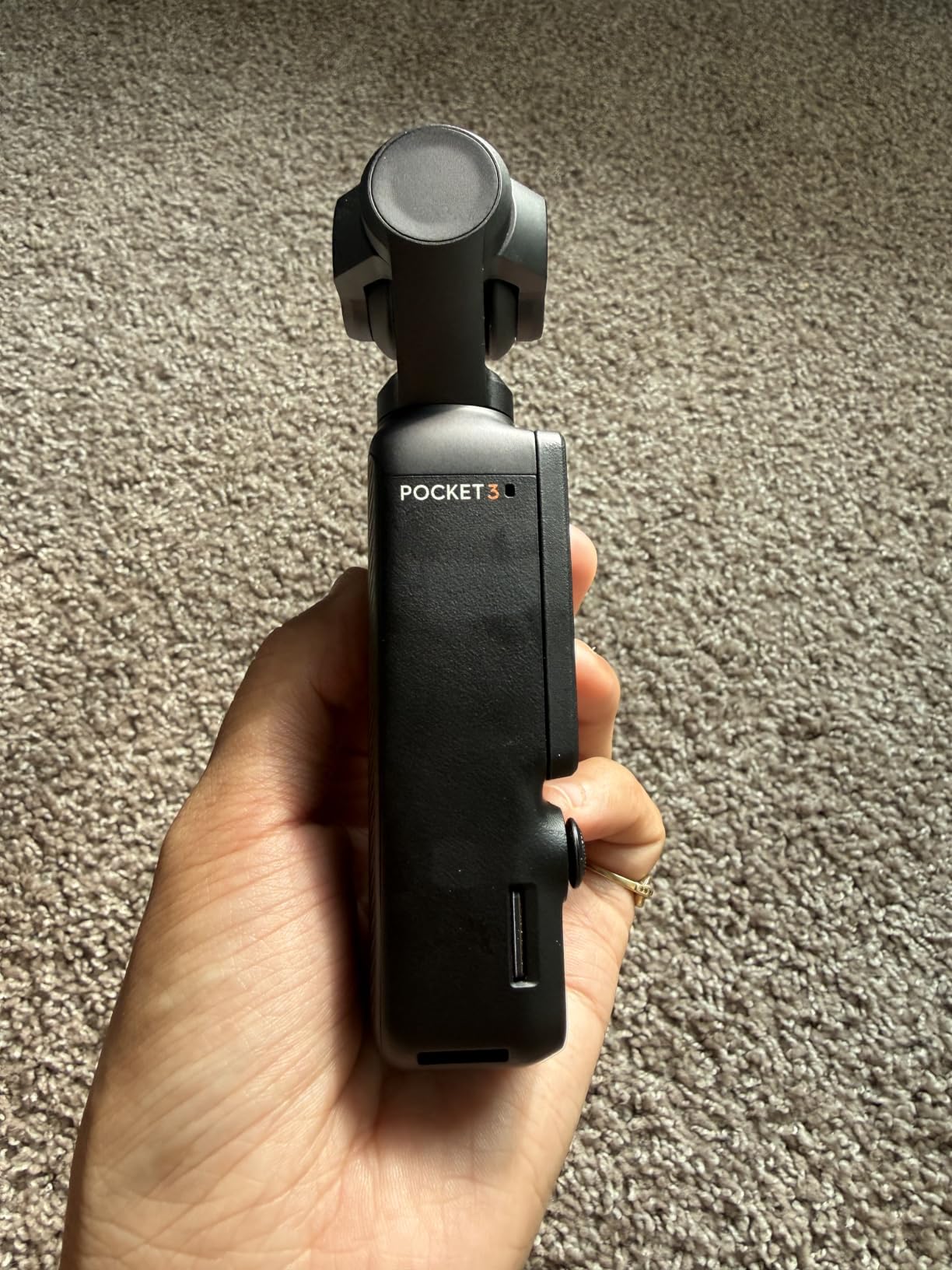
I shot almost every walk-and-talk clip of my test with the DJI Osmo Pocket 3 strapped to a small tabletop tripod. The 1-inch CMOS sensor is a clear step up from the older Pocket 2, and 4K at 120 frames per second gave me buttery slow-motion B-roll for cooking intros without any extra grading.
The 3-axis mechanical gimbal is the real reason this pocket camera wins. It smooths out hand shake better than any in-body image stabilization system I tested, and ActiveTrack 6.0 kept my face locked in frame even when I stepped to the side of the counter to grab a pan. The Creator Combo also ships with the DJI Mic 2 transmitter, which plugged in instantly and erased my usual audio worries.
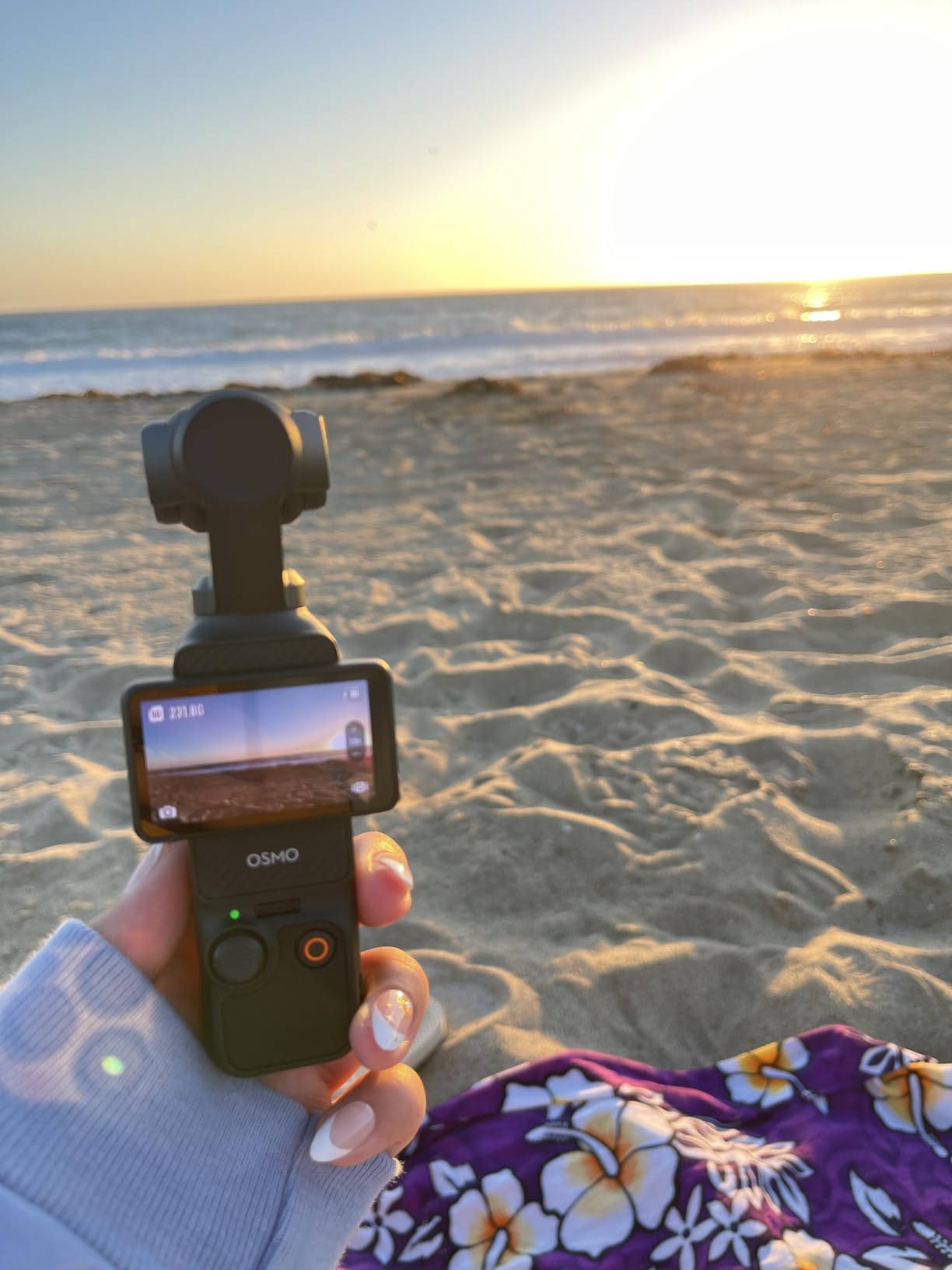
The 2-inch rotatable touchscreen is small but very responsive, and flipping it to vertical made TikTok and Instagram Reels framing trivial. I left the camera on for a full day of mixed 4K/30 and 4K/120 takes and only swapped the battery once thanks to the rated 166-minute runtime.
Where the Pocket 3 stumbles is heat. Two back-to-back 20-minute 4K/120 takes triggered an overheat warning on a warm afternoon. The activation requirement before fifth use also caught me off guard when I wanted to lend the camera to a friend for a quick shoot. Lens care matters too: the exposed glass scuffs easily, so a hard case is not optional for travel.
Who the DJI Osmo Pocket 3 is best for
Solo YouTubers, TikTok creators, and travel vloggers who want cinema-grade stabilization without hauling a mirrorless kit. It is the easiest way I know to get truly gimbal-smooth footage in a body that fits a jacket pocket.
Who should skip the DJI Osmo Pocket 3
Creators who need interchangeable lenses for shallow depth-of-field portraits or long-zoom wildlife footage. If your channel depends on a real APS-C or full-frame look, jump to the Sony ZV-E10 or one of the models in our mirrorless cameras roundup.
2. Sony ZV-E10 APS-C Mirrorless Kit – Best Value Vlogging Camera
Sony ZV-E10 APS-C Mirrorless Camera with 16-50mm Lens Black
24MP APS-C
4K oversampled
USB streaming
E-mount
Pros
- 24.2MP APS-C sensor with 4K oversampled video
- Product Showcase Setting for quick focus transitions
- Single USB-C cable live streaming
- Side flip-out 3-inch touchscreen
- Interchangeable Sony E-mount lenses
Cons
- Body-only stabilization is limited vs OSS lenses
- Larger than fixed-lens vlog cameras
- Menu system has a learning curve
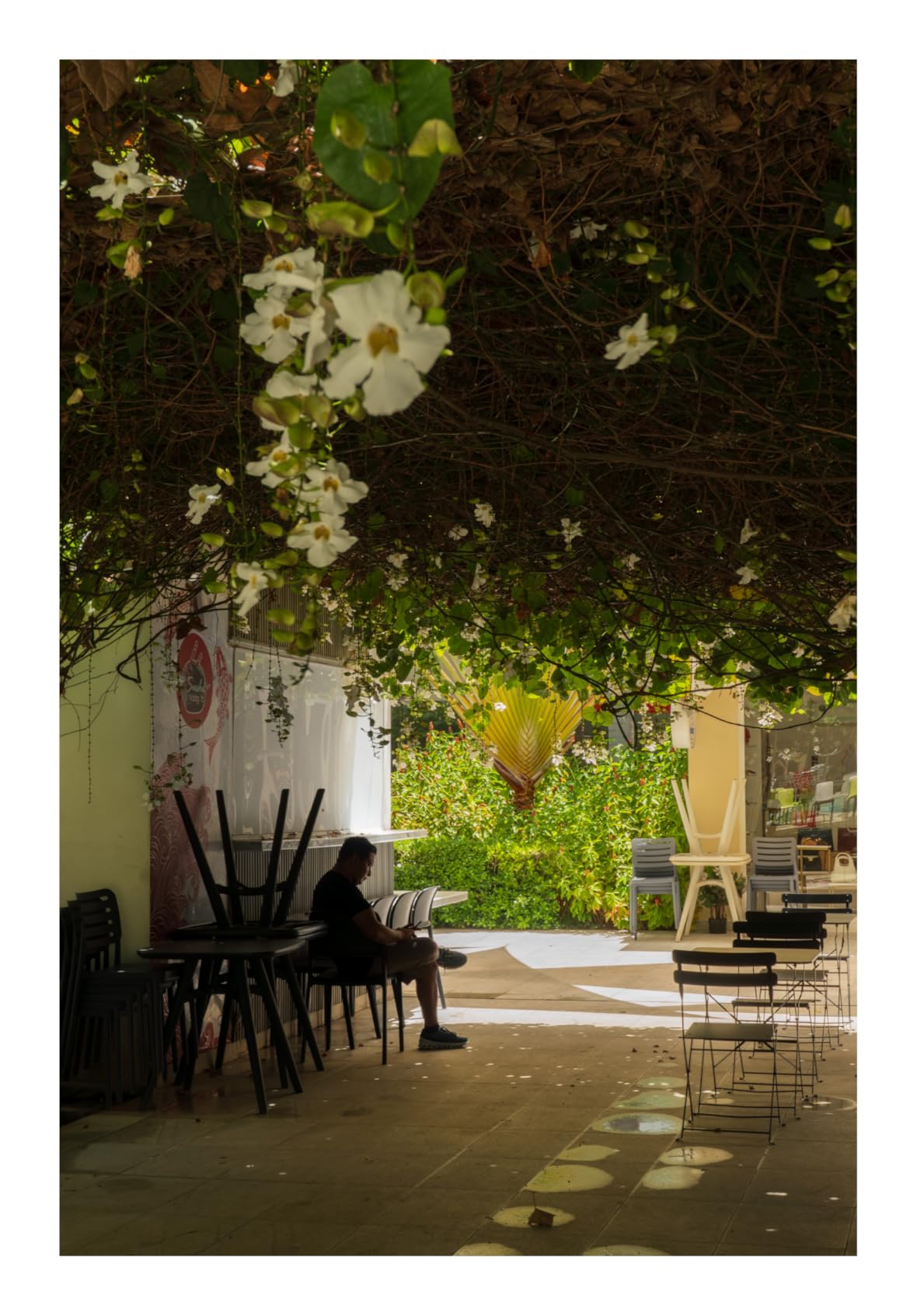
The Sony ZV-E10 is the camera I handed to my partner when she asked, “What should I buy if I might want to shoot photos too?” It pairs a 24.2MP APS-C sensor with 4K video oversampled from 6K, so the stills and clips share one sharp pipeline. You also get Sony’s entire E-mount lens ecosystem behind it.
For creators who film product reviews and tutorials, the Product Showcase Setting is a small miracle. It instantly shifts focus from my face to an object I hold up to the lens, without the hunting I see on cheaper cameras. Background Defocus toggles bokeh with a single button, and live streaming over a single USB-C cable into a laptop worked the first try on both OBS and Ecamm Live.

The 3-inch side flip-out screen makes solo framing easy, and the directional 3-capsule mic with included windscreen handled outdoor voice capture cleanly in moderate wind. The 425-point hybrid autofocus is the same family Sony uses in higher-end bodies, and Eye AF locked on instantly during my close-up recipe segments.
The trade-offs are honest. There is no in-body image stabilization, so steady handheld footage leans on the 16-50mm kit lens with OSS or on optically stabilized primes. The body is also larger than a pocket vlog camera, and Sony’s menus take a few sessions to learn. If those don’t bother you, this is the best deal in the lineup.
Who the Sony ZV-E10 is best for
Creators who want one camera for YouTube, TikTok, live streaming, and real photography, and who plan to grow into better lenses. It is also the strongest pick for educators and small-business owners who film a mix of talking-head clips and product shots.
Who should skip the Sony ZV-E10
Vloggers who shoot outdoors in heavy rain or underwater, and creators who refuse to carry anything larger than a smartphone. The ZV-E10 is rugged enough for daily carry but not weather sealed like a GoPro or DJI Action. If you want an action-ready build, look at the next entry.
3. DJI Osmo Action 5 Pro Essential Combo – Best Budget Action Vlogging Camera
DJI Osmo Action 5 Pro Essential Combo, Waterproof Action Camera
1/1.3-inch sensor
4K/120fps
IP68 waterproof
240 min battery
Pros
- 1/1.3-inch sensor with strong low-light video
- 4K/120fps HDR with 10-bit D-Log M
- 360-degree HorizonSteady stabilization
- IP68 waterproof to 20 meters
- Dual OLED touchscreens front and rear
Cons
- Modest optical zoom range
- Needs microSD expansion for heavy use
- Menus take a session to learn
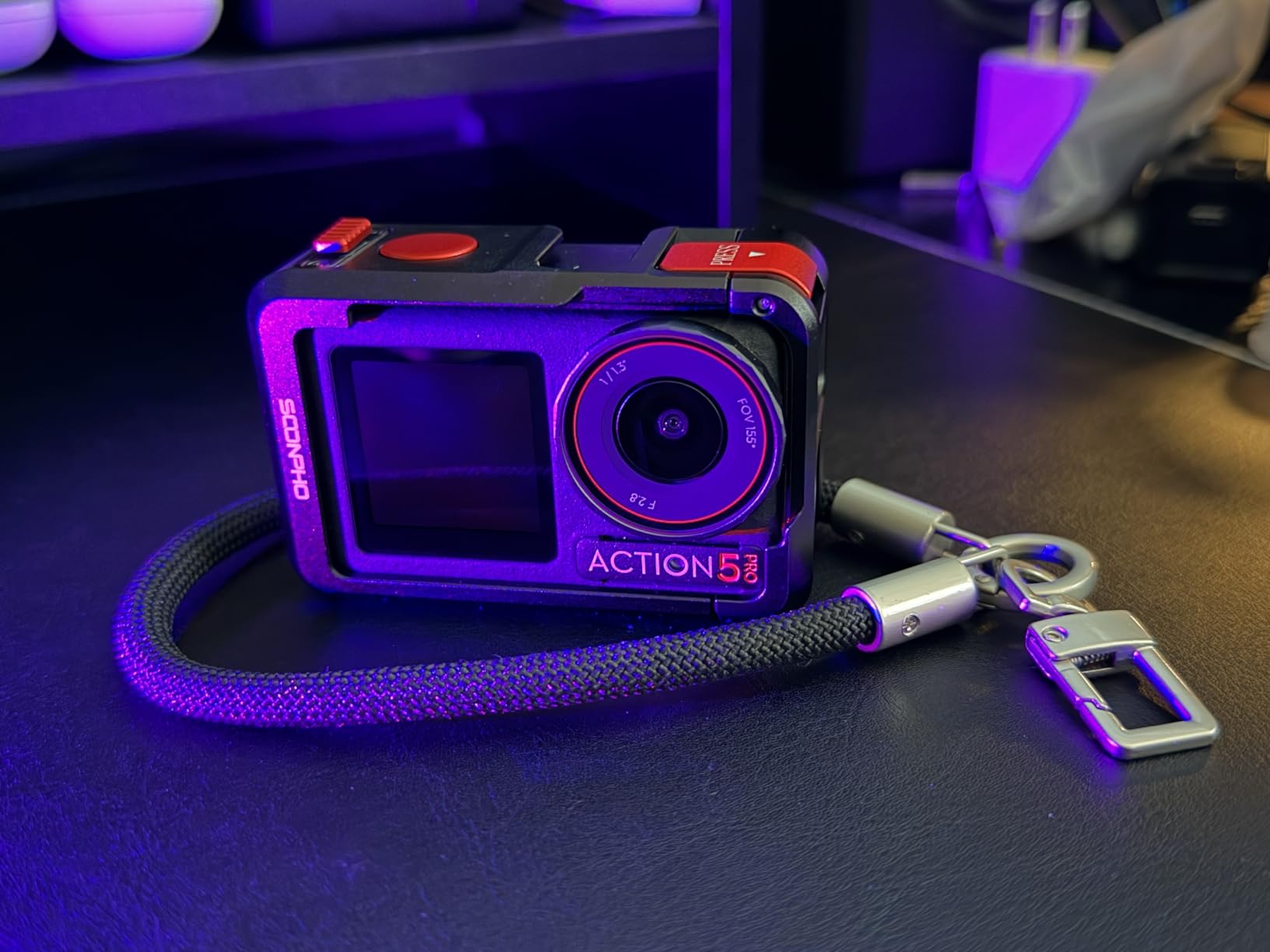
The DJI Osmo Action 5 Pro is the camera I clipped to my chest harness for a trail run. The 1/1.3-inch sensor is unusually large for an action body, and it produced noticeably cleaner night-time footage than my older GoPro when I tested them side by side at dusk.
The headline feature for creators is the 360-degree HorizonSteady system. Even when I deliberately tilted the camera on a rough downhill stretch, the horizon stayed level and the footage stayed usable for an action intro. The 4K/120fps HDR mode with 10-bit D-Log M also gave me headroom for color grading that action cameras historically could not match.
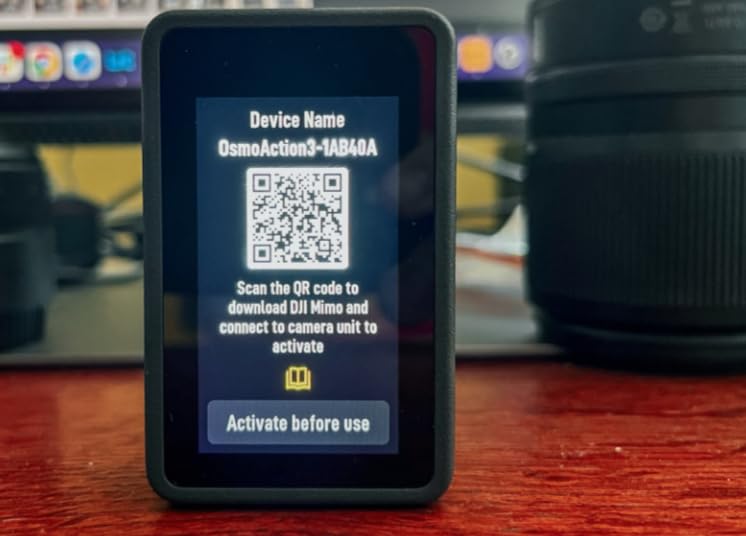
Battery life is a real win here. I logged almost four hours of mixed 4K/30 and 4K/120 takes at room temperature before the first swap, which beats most action cams I have tested. The dual OLED touchscreens made framing and reviewing clips from the front of a selfie stick much easier than the small rear-only screens on older models.
The downsides are familiar to action cameras. There is no real optical zoom, just a modest 2x digital option. The menus also have more layers than a beginner might expect, so the first session is a learning curve. None of that mattered when I dunked the camera in a shallow creek to grab a water-level clip and it kept recording.
Who the DJI Osmo Action 5 Pro is best for
Adventure, travel, and outdoor vloggers who want rugged build quality, excellent stabilization, and good low-light footage in a body you can mount anywhere. It is also a smart secondary camera for B-roll to pair with a primary mirrorless.
Who should skip the DJI Osmo Action 5 Pro
Studio creators who want interchangeable lenses or shallow depth of field. The fixed wide lens is great for action but limiting for sit-down interview setups.
4. Sony ZV-1F Compact Vlogging Camera – Best Pocket Vlog Camera for Beginners
Sony ZV-1F Compact Digital Camera 4K Video White
20mm wide
1-inch sensor
Eye AF
3-capsule mic
Pros
- Ultra-wide 20mm lens fits everything in frame
- 1-inch sensor for solid low-light footage
- Side-articulating touchscreen for selfies
- Directional 3-capsule mic with included windscreen
- Lightweight compact body
Cons
- Digital stabilization only (no optical IS)
- Digital zoom range is limited
- Battery life is tight on long shoots
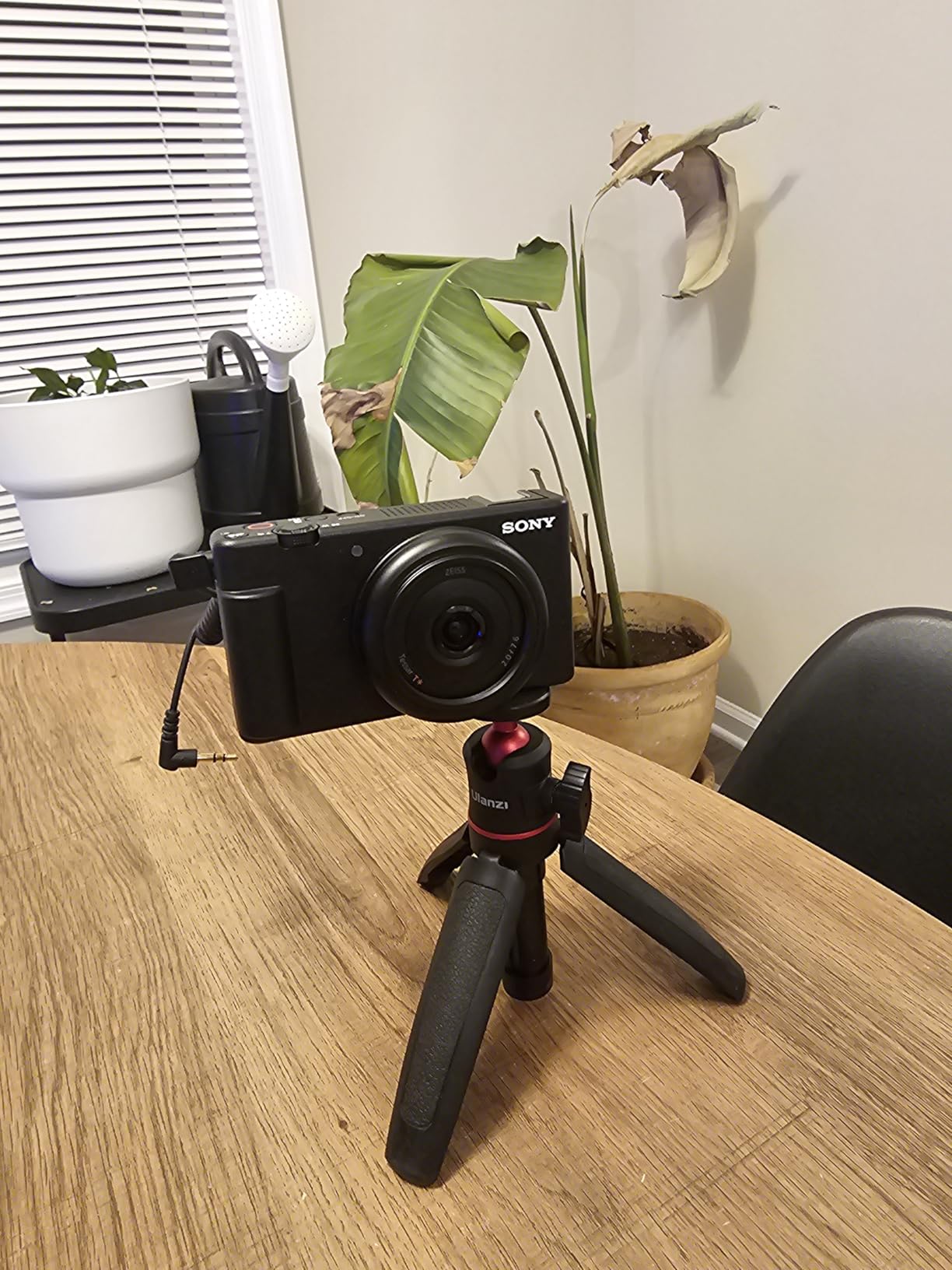
The Sony ZV-1F is the camera I keep recommending to friends who say they just want to start a vlog and do not want to learn menus. The 20mm ultra-wide lens is forgiving enough that you can hold the camera at arm’s length and still fit your whole scene in. Pair that with a 1-inch sensor and Sony’s Eye AF, and you get sharp, well-exposed clips with almost no setup.
The 3-inch side-articulating screen flips out for true selfie framing, and the directional 3-capsule mic with included windscreen handled my outdoor talking-head clips better than I expected. It also weighs less than nine ounces, so it lives in my daypack without complaint.
For an entry pocket camera, low-light performance is surprisingly good thanks to the 1-inch sensor and F2 aperture. I shot a dinner-table review scene at ISO 1600 and the footage remained usable with a touch of noise reduction in post.
The trade-offs are real. Stabilization is digital only, so handheld walk-and-talk footage has more micro-jitter than the gimbal-stabilized picks. The digital zoom tops out fast, and the battery is tight on multi-hour shoots. For most beginners, though, those are acceptable compromises for the price and form factor.
Who the Sony ZV-1F is best for
New creators and casual vloggers who want a simple point-and-shoot that still looks pro. It is also a great travel camera for someone who already owns a bigger body and wants a pocket backup.
Who should skip the Sony ZV-1F
Run-and-gun filmmakers who need optical stabilization for chase scenes or sports footage. The DJI Osmo Pocket 3 is the better choice in that category.
5. Canon PowerShot V10 – Best Pocket Vlogging Camera with Stand
Canon PowerShot V10 Compact Vlogging Camera, 1″ CMOS Sensor, 4K Video Streaming, Built‑in Wide‑Angle Zoom Lens, Flip‑LCD & Stereo Mic, Image Stabilization, Creator Studio in Your Pocket, Black
1-inch sensor
4K30
Retractable screen
Folding stand
Pros
- Ultra-pocketable body with built-in folding stand
- 1-inch back-illuminated sensor for low light
- Retractable front-facing screen
- Fixed 19mm wide lens (35mm equivalent)
- Three image stabilization modes after firmware update
Cons
- 4K capped at 30 fps in 8-bit
- No optical zoom
- Not weather sealed
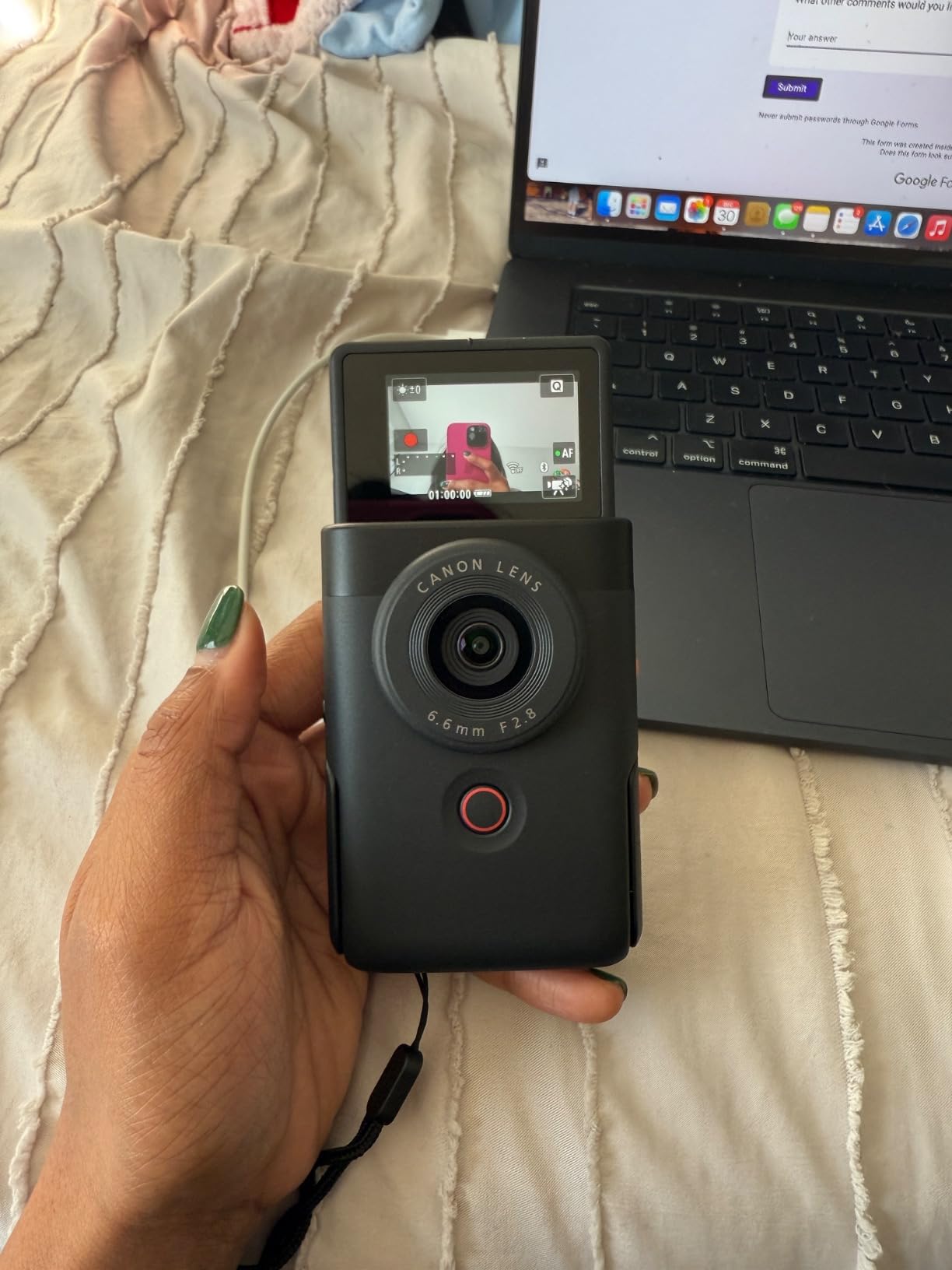
The Canon PowerShot V10 is the camera I grab when I want to film a quick product unboxing on the kitchen counter without setting up a tripod. The built-in folding stand flips out from the bottom and holds the camera at the right angle for overhead and tabletop shots, which is rare at this size.
The 1-inch back-illuminated sensor pulls in more light than you would expect from a body this small. The retractable front-facing screen is a nice touch for true eye-contact framing, and the stereo mics with a third noise-reduction mic handled my voiceover test better than most phone mics I have tried.

The fixed 19mm wide lens (35mm equivalent) is sharp in the center and forgiving enough for two-person talking-head scenes. After the firmware v1.2.0 update, three image stabilization modes (Off, On, Enhanced) cover most handheld use.
The two main limits are the 4K/30 fps cap and the lack of weather sealing. For static or tabletop vlogging, neither is a deal-breaker, but creators who want 4K/60 or who shoot outdoors in rain should look elsewhere.
Who the Canon PowerShot V10 is best for
Creators who film cooking, crafts, unboxings, and other tabletop content. The folding stand and pocketable body make it the easiest setup-and-shoot option in the lineup.
Who should skip the Canon PowerShot V10
Action vloggers and travel filmmakers. For movement-heavy content, the DJI Osmo Pocket 3 or Osmo Action 5 Pro are better fits.
6. Sony ZV-1 II Premium Compact – Best Premium Compact Vlog Camera
Sony ZV-1 II Premium Compact Digital Camera 4K Video – Black
18-50mm zoom
1-inch sensor
F1.8-4.0
Eye AF
Pros
- Ultra-wide 18-50mm zoom lens for flexible framing
- 1-inch sensor with strong low-light image quality
- F1.8-4.0 aperture produces pleasing bokeh
- Real-time Eye AF tracking
- Directional 3-capsule mic with windscreen
Cons
- Digital stabilization only
- Higher price than entry compacts
- No built-in flash
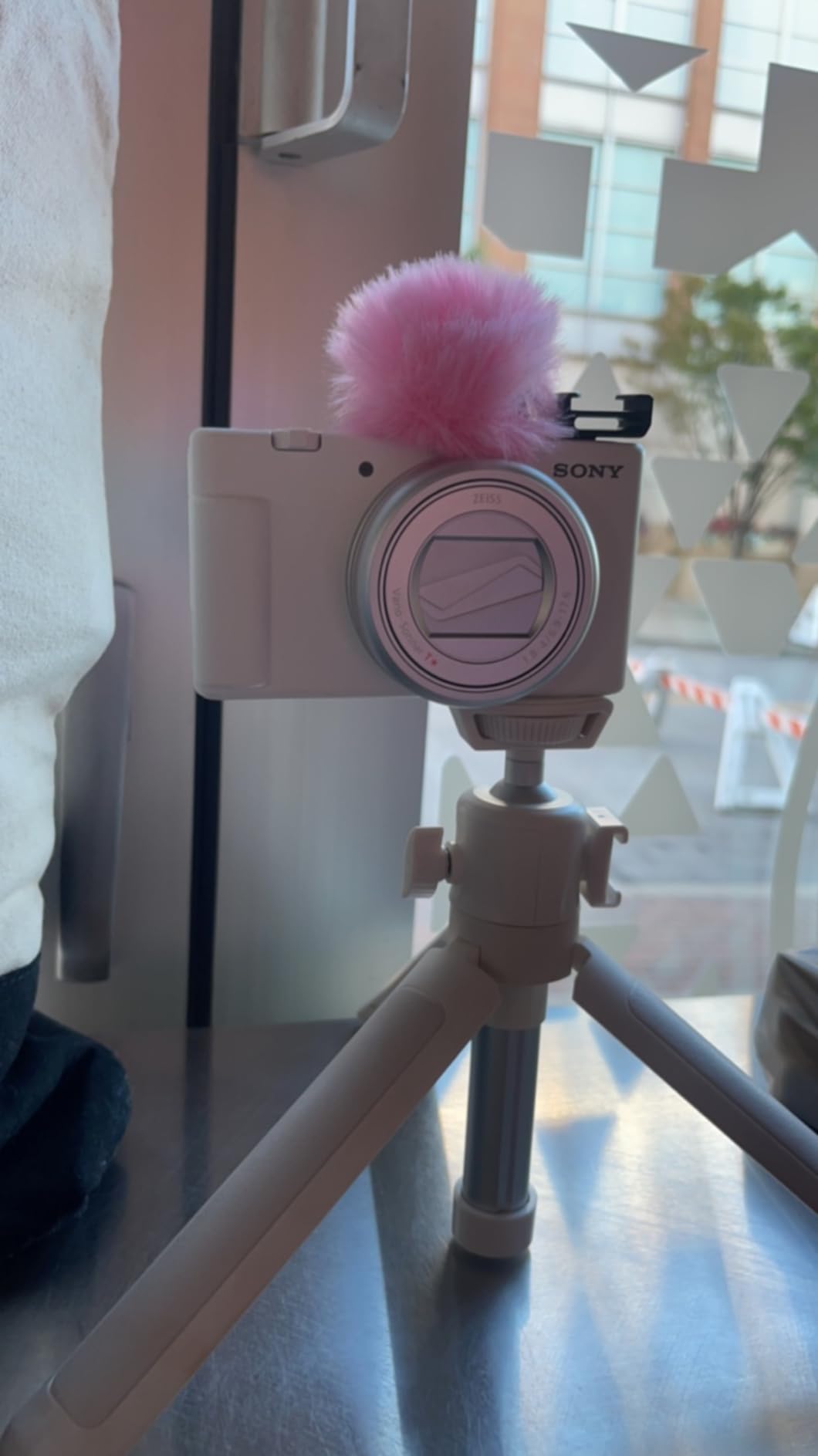
The Sony ZV-1 II sits between the ZV-1F and a mirrorless body, and the upgrade that matters most is the 18-50mm zoom range. For creators who want to switch between a tight headshot and a wider room shot without moving the camera, that flexibility is worth the price jump.
The F1.8-4.0 aperture gives real bokeh separation at the wide end, which makes a single-person talking-head look much more cinematic than the fixed-lens ZV-1F can deliver. Real-time Eye AF tracking held onto my face through a quick walking interview, and the 3-capsule mic with the bundled windscreen kept my voice clean outdoors.
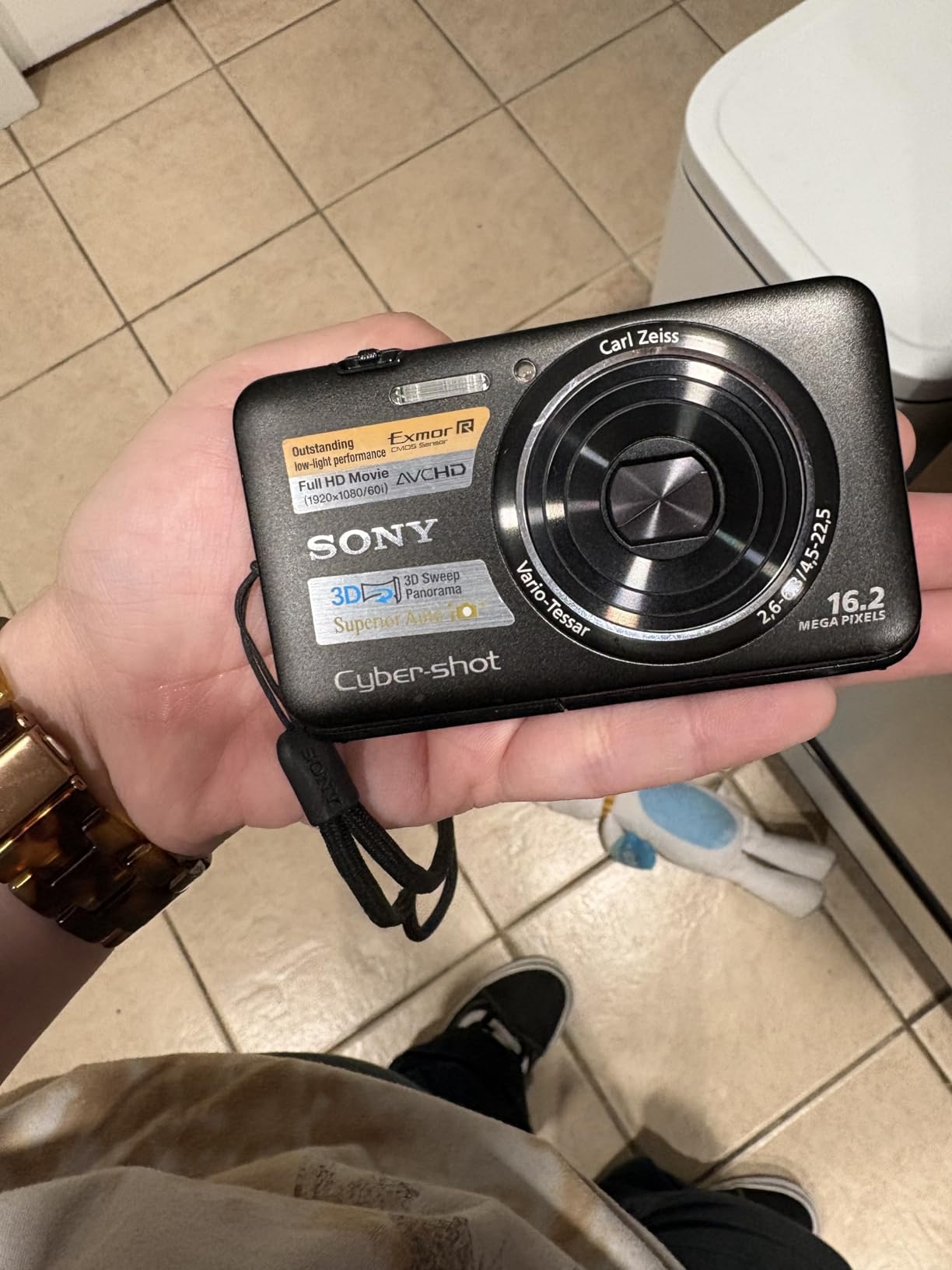
The premium build quality is obvious in the hand, and the menu system follows Sony’s familiar vlog-centric layout. For creators who want a step up from a beginner compact but are not ready to commit to a mirrorless system, this is the natural bridge.
The downsides are the price and the digital-only stabilization. If you do a lot of handheld walking shots, you will notice the jitter compared to the Pocket 3 or ZV-E10 with stabilized glass.
Who the Sony ZV-1 II is best for
Serious creators who want a premium compact they can keep in a coat pocket for travel and street vlogs, with better low-light and bokeh than entry-level compacts.
Who should skip the Sony ZV-1 II
Buyers on a tight budget or anyone who wants interchangeable lenses. The ZV-E10 delivers more flexibility for less money if you can handle the larger body.
7. GoPro HERO12 Black – Best Action Cam for Vlogs
GoPro HERO12 Black – Waterproof Action Camera with 5.3K60 Ultra HD Video, 27MP Photos, HDR, 1/1.9″ Image Sensor, Live Streaming, Webcam, Stabilization
5.3K60 HDR
HyperSmooth 6.0
Waterproof 33ft
Live streaming
Pros
- 5.3K60 HDR video with 27MP photos
- Emmy-winning HyperSmooth 6.0 stabilization
- Waterproof to 33ft without housing
- Live streaming and webcam modes
- Compact rugged build
Cons
- Can overheat during long 5.3K sessions
- Refuses low-amperage USB chargers
- Battery drains under sustained heavy use
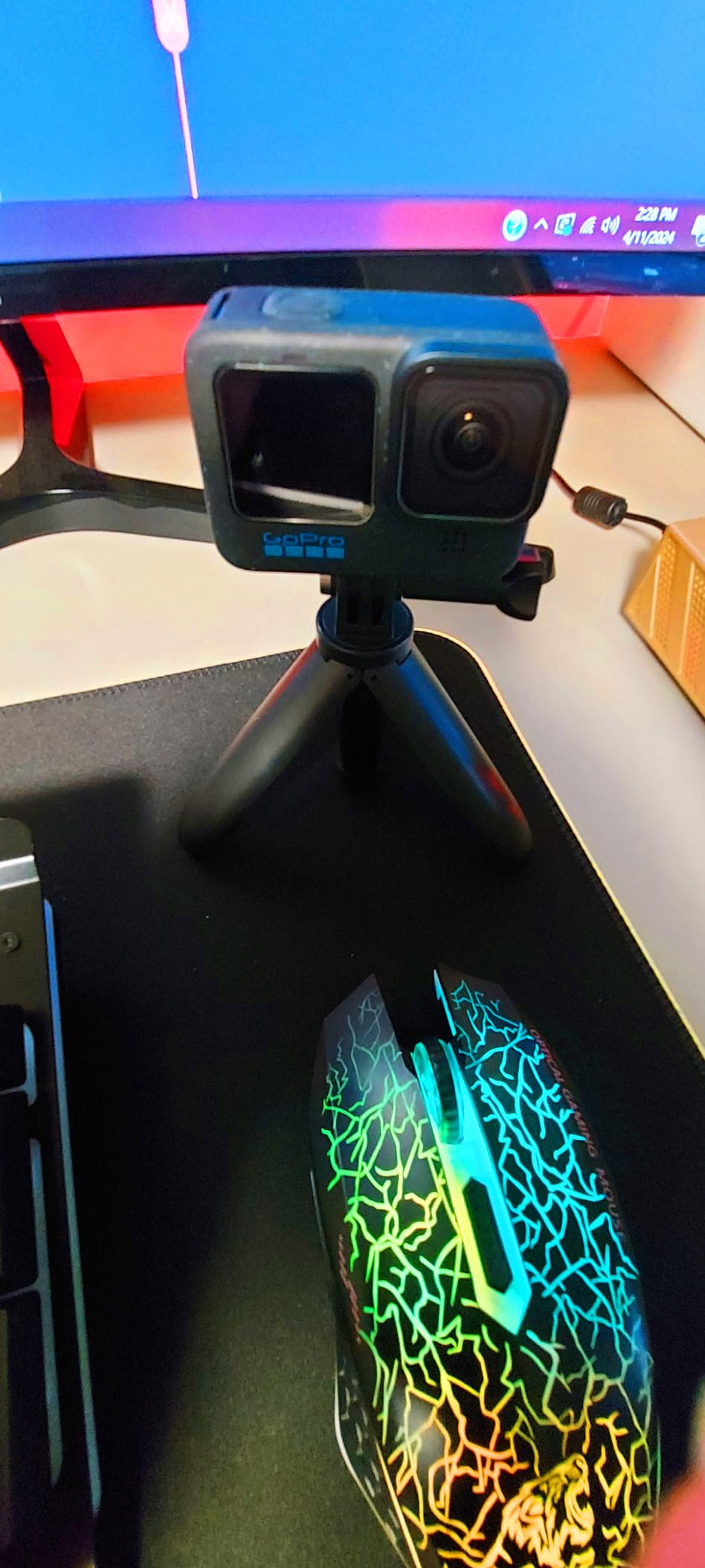
The GoPro HERO12 Black is the camera I take cliff jumping and snowboarding. The 5.3K60 HDR footage has noticeably more resolution and dynamic range than 4K-only action cams, and pulling 24MP stills from the video is genuinely useful for thumbnails.
HyperSmooth 6.0 is still the benchmark for action-cam stabilization, and Horizon Lock keeps the shot level even when I rotate the mount 360 degrees. The rugged waterproof body (33 feet without a housing) means I do not baby it, and the front preview screen helps frame talking-head vlogs in selfie mode.
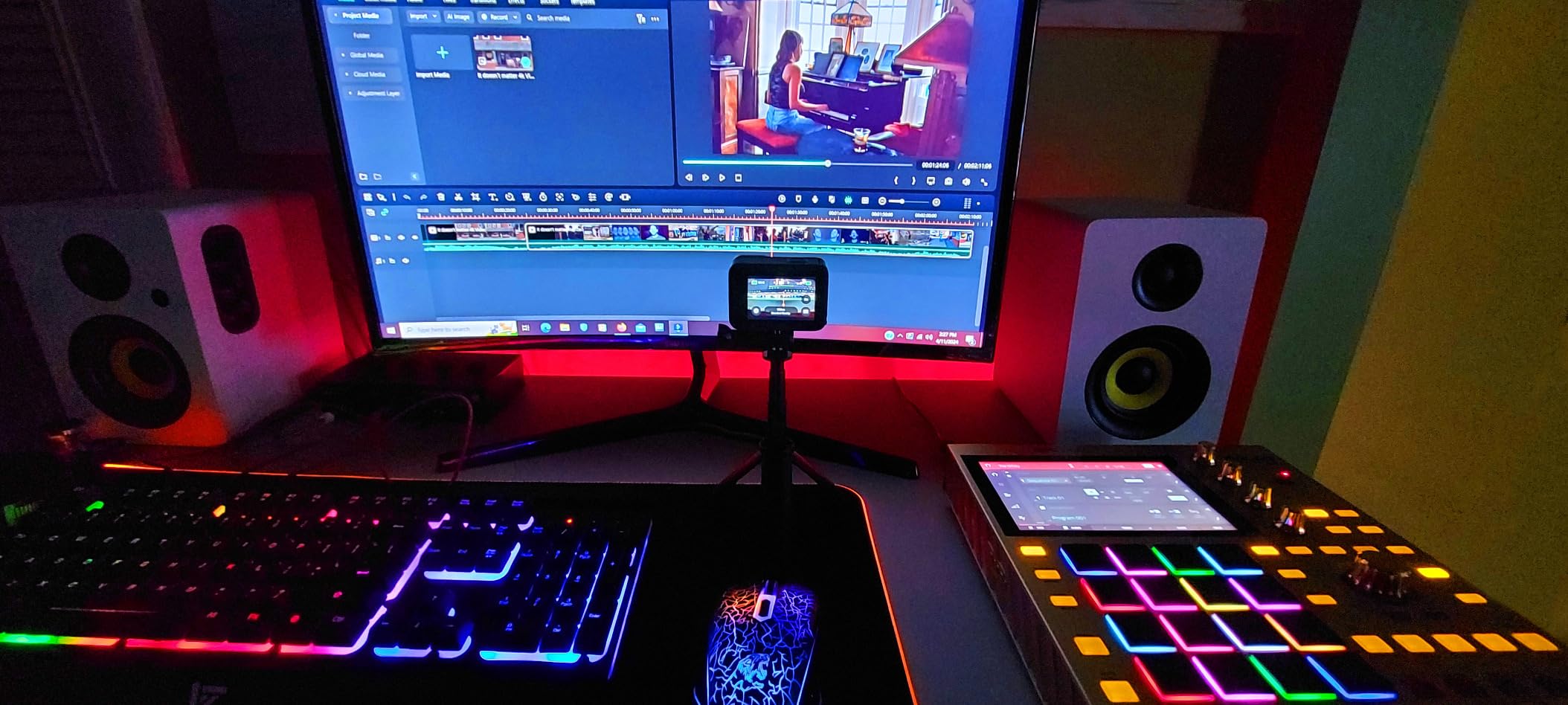
Live streaming and webcam modes turned the HERO12 into a versatile tool for streaming arcade gameplay from my shop, which is why it made this list. The new Bluetooth audio support also let me pair it with wireless earbuds as a quick lav replacement.
The HERO12 still has the classic GoPro trade-offs. Long 5.3K sessions can trigger thermal throttling in direct sun, and the camera will refuse to charge from weak USB supplies. The battery also drains faster than the spec sheet suggests under heavy use, so spares are part of the kit.
Who the GoPro HERO12 Black is best for
Adventure vloggers and live streamers who need a rugged, mount-anywhere camera. The HERO12 doubles as a high-quality webcam for creators who already own an Elgato or similar setup.
Who should skip the GoPro HERO12 Black
Creators who mainly shoot sit-down interviews. For those workflows, the ZV-E10 or ZV-1 II will give you better audio inputs and cleaner background blur.
8. GoPro HERO11 Black – Best Value Action Cam
GoPro HERO11 Black – E-Commerce Packaging – Waterproof Action Camera with 5.3K60 Ultra HD Video, 27MP Photos, 1/1.9″ Image Sensor, Live Streaming, Webcam, Stabilization
5.3K60
HyperSmooth 5.0
Waterproof
Webcam mode
Pros
- 5.3K60 video with 27MP photos
- HyperSmooth 5.0 with Horizon Lock
- Water-repelling lens cover
- Live streaming and webcam modes
- Large accessory ecosystem
Cons
- Digital stabilization only (no optical)
- Battery tight under heavy use
- Some features need the Quik app
The GoPro HERO11 Black is the previous-generation HERO that still punches well above its weight in 2026. The new 1/1.9-inch sensor opened up an extra-wide field of view that I found genuinely useful for chest-mounted adventure clips and helmet-cam ski footage.
HyperSmooth 5.0 with Horizon Lock keeps the horizon level through aggressive tilts, and 5.3K60 video gives you the option to crop into 4K in post without losing detail. The water-repelling lens cover also reduced the flare I used to see in older GoPros on rainy days.
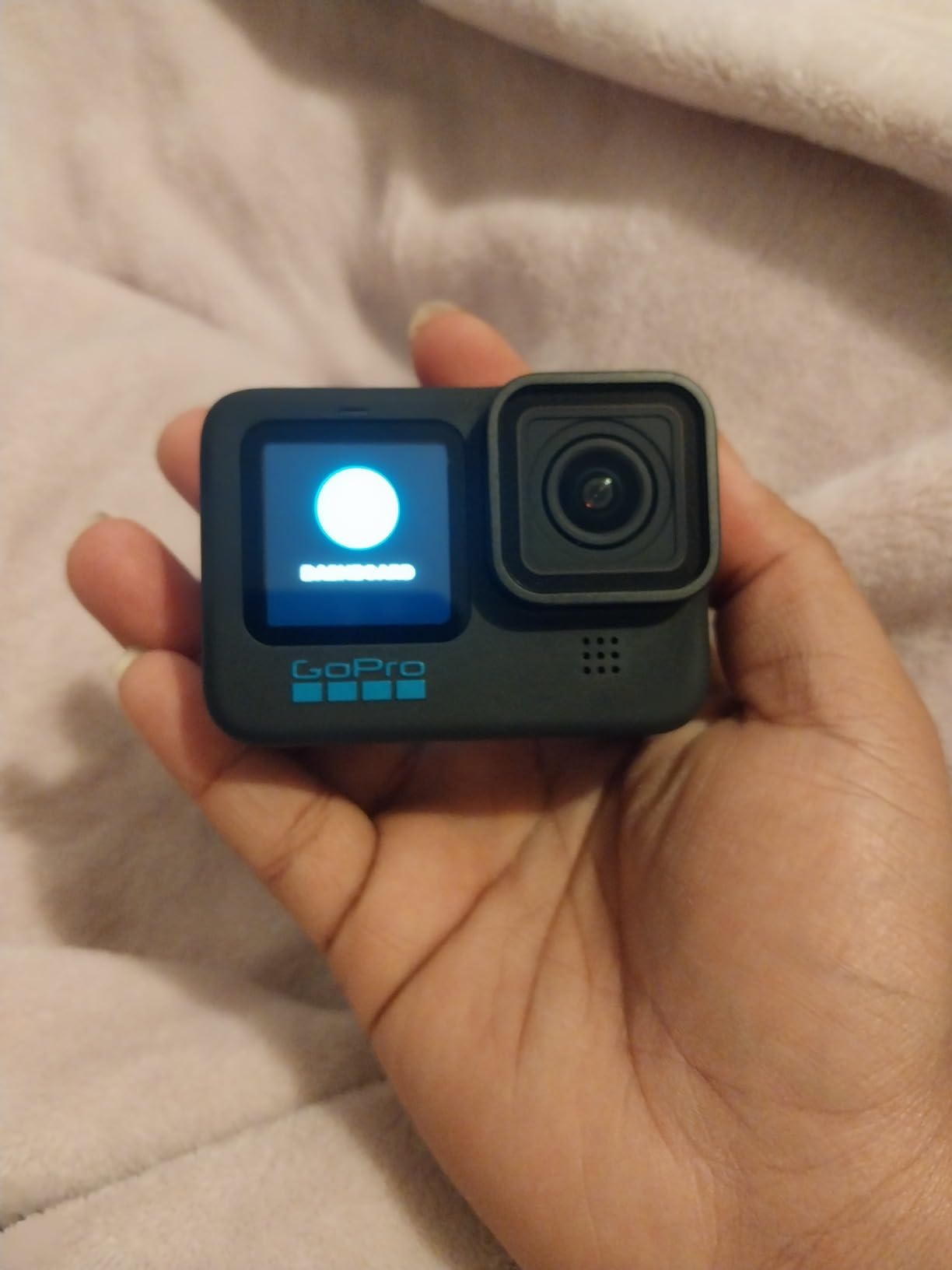
For streamers, the HERO11 doubles as a wide-angle webcam over USB, which I tested successfully with OBS. The vast GoPro accessory ecosystem (chest harnesses, helmet mounts, suction cups) means you can mount this camera almost anywhere.
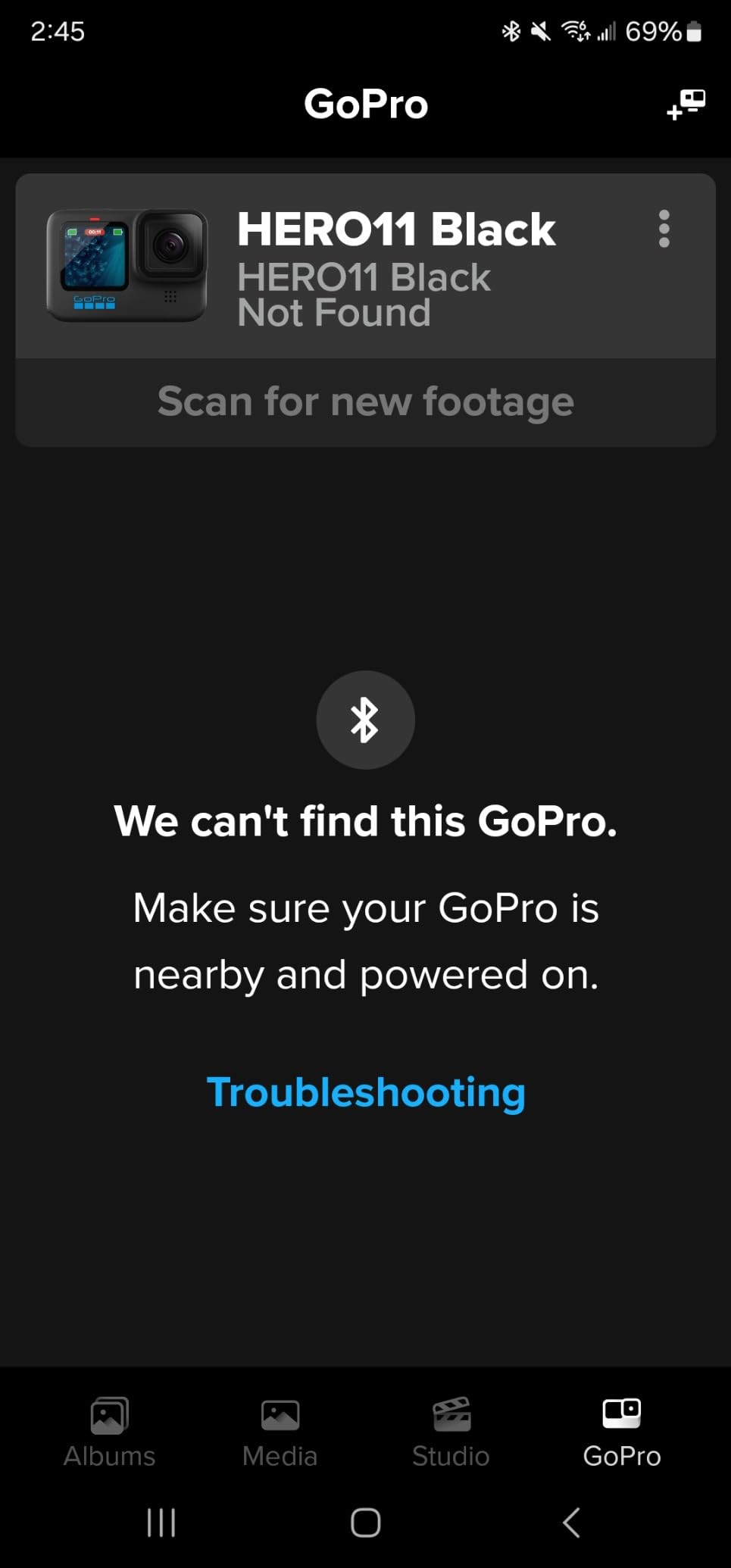
The trade-offs are the digital-only stabilization and a battery that drains fast under heavy 5.3K recording. The Quik app is also required to unlock a few advanced features, which can feel limiting if you prefer desktop workflows.
Who the GoPro HERO11 Black is best for
Action creators who want a proven GoPro at a lower cost than the HERO12 or HERO13, and who do not need the very latest HDR features.
Who should skip the GoPro HERO11 Black
Buyers who want Bluetooth audio, longer battery life, and HDR video. The HERO12 or HERO13 are better if those features matter to you.
9. GoPro HERO13 Black Accessory Bundle – Best All-In-One Action Kit
GoPro HERO13 (Hero 13) Black – Waterproof Action Camera with 5.3K HDR Video, 27MP Photos, 1/1.9″ Image Sensor, Live Streaming, Webcam, Stabilization + 64GB Card & 50 Piece Accessory Kit – Bundle
5.3K60 HDR
HyperSmooth 6.0
Wi-Fi 6
64GB + 50 accessories
Pros
- 5.3K60 HDR video with HDR/HLG color
- HyperSmooth 6.0 with 360 Horizon Lock
- Extended 1900 mAh Enduro battery
- Wi-Fi 6 fast file transfers
- Bundle includes 64GB card and 50-piece accessory kit
Cons
- Some bundled accessories are lower quality
- Included tripod struggles with heavier mounts
- Bundle weight adds up
The GoPro HERO13 Black Accessory Bundle is the package I would buy for a creator just starting an action vlog. The camera itself brings 5.3K60 HDR video, HyperSmooth 6.0 with 360 Horizon Lock, and the longer-life 1900 mAh Enduro battery that finally makes a full day of shooting realistic without a charger.
Wi-Fi 6 transfers files to my phone noticeably faster than older GoPros, which matters when you are dumping hours of footage between shoots. The included 64GB microSDXC card and 50-piece accessory kit mean you can start mounting the camera on helmets, handlebars, and selfie sticks straight out of the box.
The Bluetooth audio support was a real upgrade in my testing. I paired the HERO13 with my wireless earbuds as a quick lav replacement during a hike, and the audio sync held up cleanly.
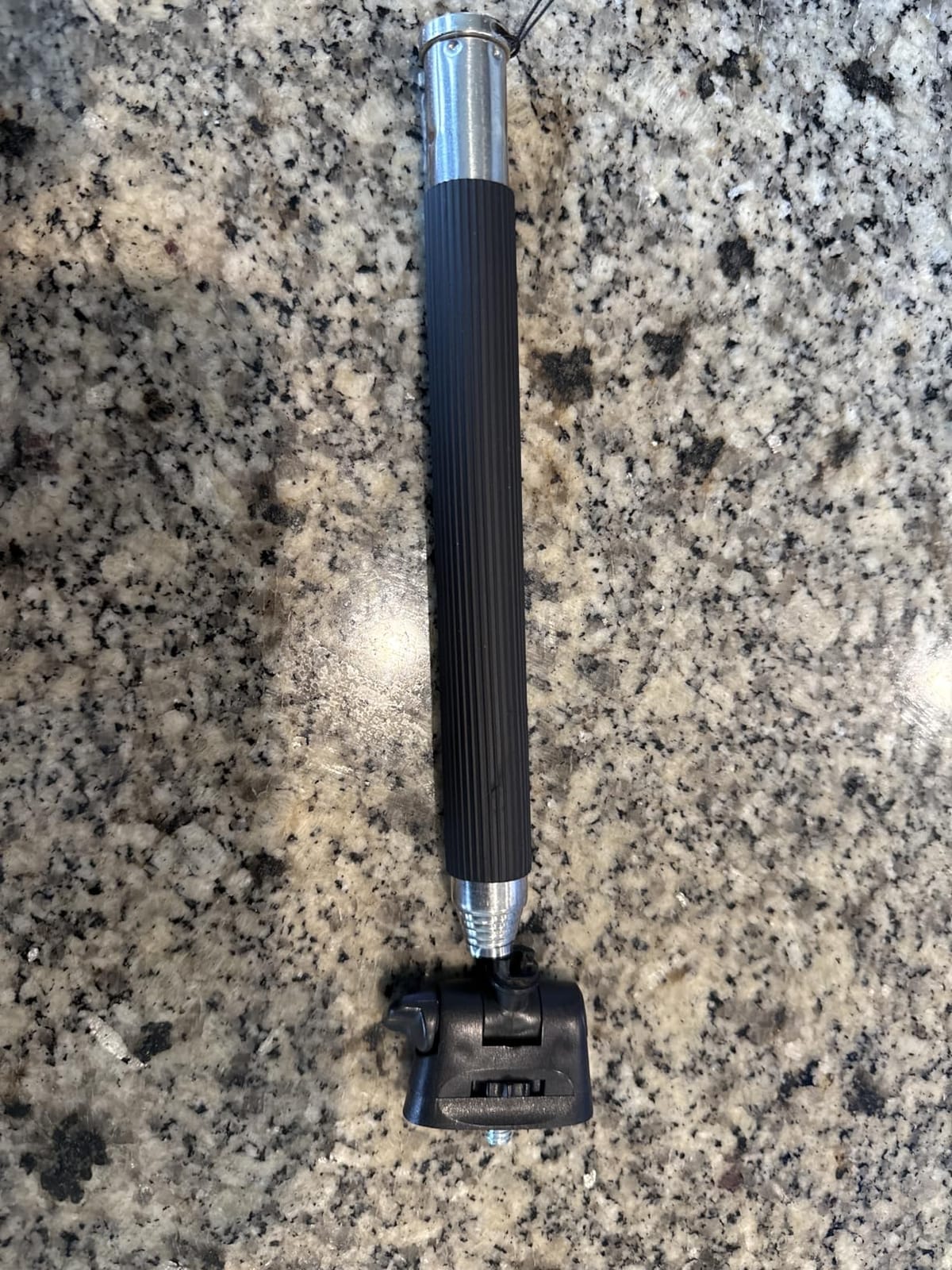
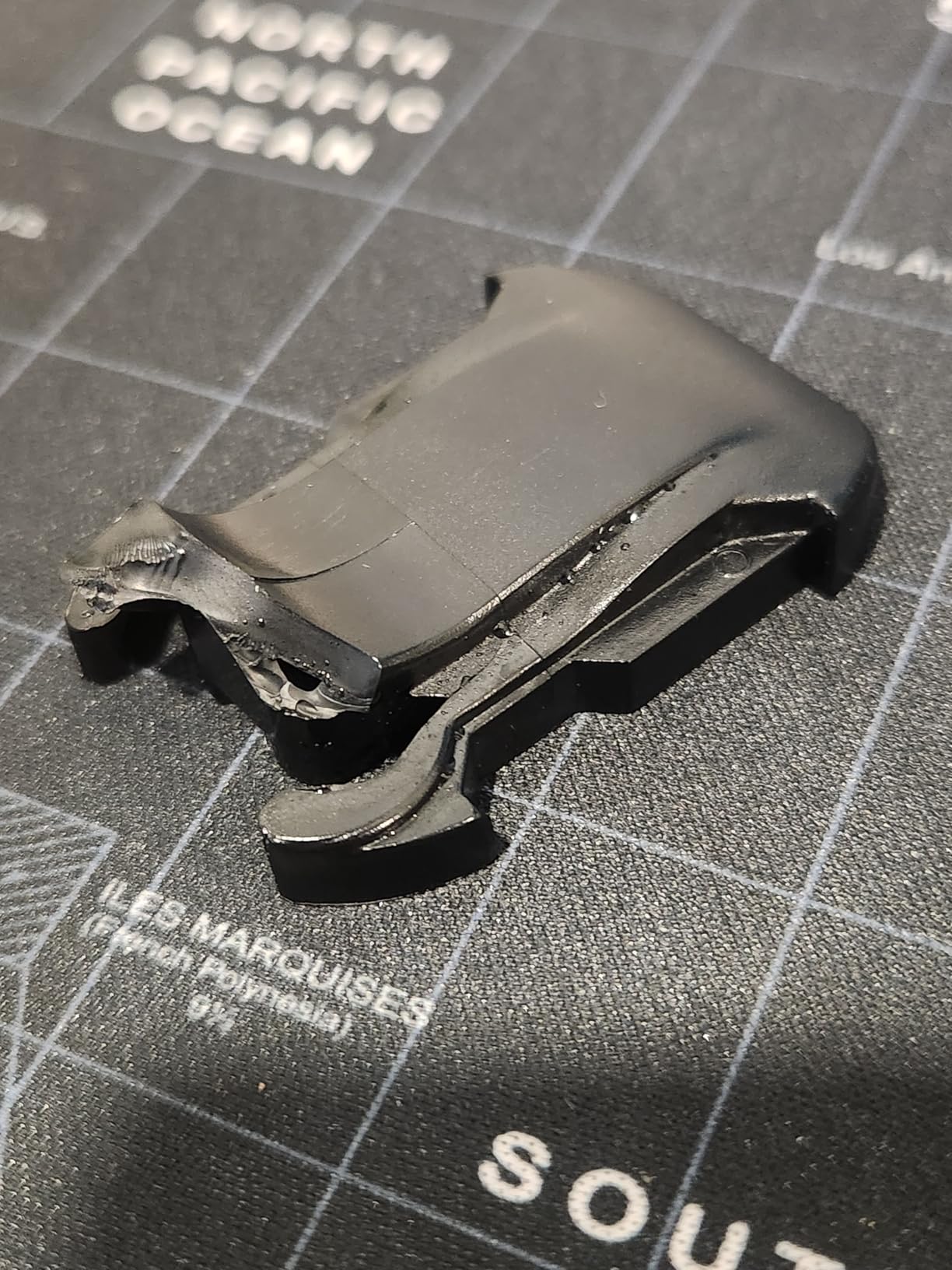
The bundle’s biggest weakness is accessory quality. The included tripod in particular is too light for the camera on a windy day, and a few of the mounts feel disposable. Plan to swap the tripod for a sturdier one early, and the rest of the kit is genuinely useful.
Who the GoPro HERO13 Black Bundle is best for
New action vloggers who want one purchase that covers the camera, storage, and most common mounts. It is also a strong choice for travelers who do not want to hunt down individual accessories.
Who should skip the GoPro HERO13 Black Bundle
Experienced GoPro users who already own a drawer of mounts and a card collection. The bare HERO13 body is a better value in that case.
10. Xtra Muse Pocket Vlogging Camera – Best DJI Pocket 3 Alternative
Xtra Muse, Vlogging Camera with 1” CMOS & 4K/120fps Videos, Pocket Camera with 3-Axis Gimbal Stabilizer, Fast Focusing, Face/Object Tracking, Digital Video Camera for Photography, Digital Camera
1-inch CMOS
3-axis gimbal
4K/120fps
Master Follow
Pros
- 1-inch CMOS sensor with 4K/120fps video
- 3-axis gimbal for very smooth footage
- Master Follow tracks subjects reliably
- 10-bit X-Log color for grading
- Compatible with many DJI Pocket 3 accessories
Cons
- Can overheat during sustained 4K/60 recording
- Some SD card format errors reported
- Not weather resistant
- XTRA mobile app is less polished
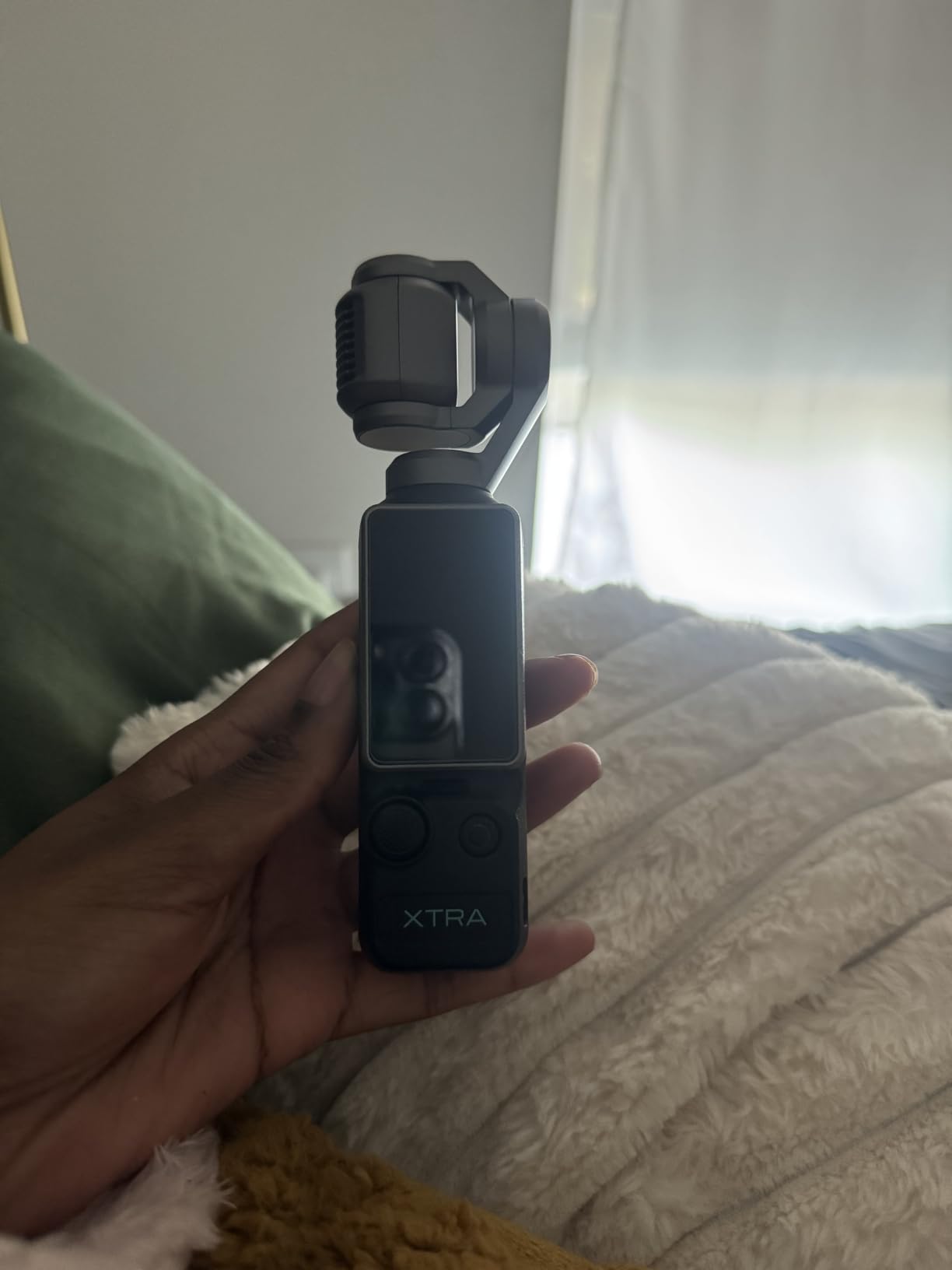
The Xtra Muse is the camera I tested when I wanted to see whether there was a real alternative to the Pocket 3 at a lower price. The 1-inch CMOS sensor and 3-axis gimbal match the Pocket 3 on paper, and in real-world walk-and-talk footage the Muse held its own against the DJI.
Master Follow tracked my face during a quick cooking demo and kept the framing tighter than some competing pocket cameras. The 10-bit X-Log color profile also gave me grading headroom that I do not usually get at this price point.
The Muse also accepts a wide range of DJI Pocket 3 accessories, which means existing Pocket 3 owners can switch bodies without rebuilding their kit. Battery life ran close to 161 minutes in my test, which is competitive in this category.
Heat is the main weakness. Sustained 4K/60 recording in warm conditions pushed the camera into thermal warning mode after about 20 minutes, and a few users have reported intermittent SD card format errors. The XTRA mobile app is also less polished than DJI’s. None of those issues were deal-breakers for casual vlogging.
Who the Xtra Muse is best for
Budget-conscious creators who want Pocket 3-style stabilization and a 1-inch sensor without paying the full DJI premium. It is also a smart pick for creators who already own DJI Pocket 3 accessories.
Who should skip the Xtra Muse
Creators who film long, hot outdoor takes or who depend on the DJI app ecosystem. The Osmo Pocket 3 is the safer pick if those workflows matter.
How to Choose the Best Vlogging Camera for You
After testing all ten cameras, the right pick comes down to how and where you shoot. Use the sections below to map your creator style to the model that fits.
Match Your Style of Vlog
Walk-and-talk YouTubers and travel vloggers should prioritize stabilization. The DJI Osmo Pocket 3, Xtra Muse, and Sony ZV-E10 (with stabilized glass) handle handheld movement best. Action vloggers who mountain bike, ski, or surf should look at the GoPro HERO12, HERO13, or DJI Osmo Action 5 Pro for their rugged builds and mount ecosystems.
Studio creators and educators benefit most from interchangeable lens systems. The Sony ZV-E10 is our top pick in that category for its APS-C sensor and USB-C live streaming. If you film mostly overhead recipes, crafts, or unboxings on a tabletop, the Canon PowerShot V10’s built-in stand saves setup time.
Key Specs That Matter for Vlogging
Four specs made the biggest difference in my testing: sensor size, stabilization type, flip-out screen, and audio input. A 1-inch sensor or larger gives you cleaner low-light footage for evening vlogs. Gimbal stabilization beats IBIS for handheld walking shots, while HyperSmooth and HorizonSteady handle action footage well.
A flip-out or side-articulating screen is essential for solo creators to frame themselves without guessing. Audio input matters more than most buyers expect: built-in mics handle indoor voiceovers, but for outdoor and street vlogging, an external mic port or wireless mic support is the difference between amateur and professional sound.
Budget Tiers and Where to Compromise
The entry tier includes the DJI Osmo Action 5 Pro and GoPro HERO11, which give you stabilized 4K and rugged builds at a more approachable price. The Sony ZV-1F is the strongest fixed-lens choice for beginners who want a real 1-inch sensor and wide-angle framing without learning curve.
The mid-range tier is the sweet spot for most creators. The DJI Osmo Pocket 3, Canon PowerShot V10, and Sony ZV-E10 all deliver meaningful upgrades in sensor, stabilization, and audio that show up in real footage. At the top end, the Sony ZV-1 II and bundle options like the GoPro HERO13 are mainly about convenience, lens flexibility, and included accessories rather than raw image quality jumps.
Vlogging Accessories Worth Buying First
Start with a wireless mic system. The DJI Mic 2 and Rode Wireless Go II pair cleanly with most cameras in this guide and instantly upgrade voice quality. Next, add a small LED panel for indoor shots and an ND filter pack if you plan to shoot outdoors at wide apertures. A mini tripod with a fluid head rounds out the kit for tabletop and overhead setups.
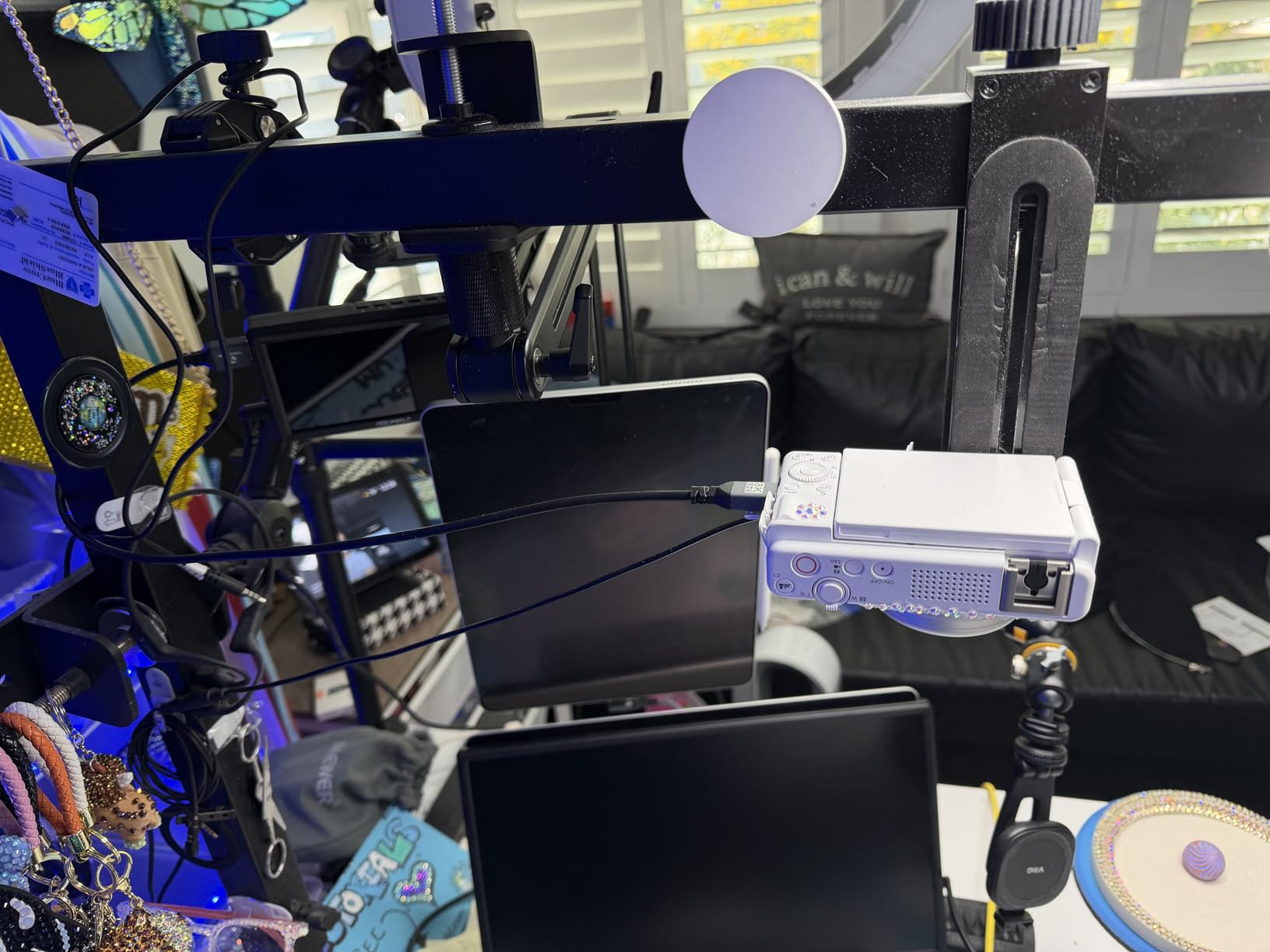
Creators who film outdoors regularly should also pick up a rain cover and at least one extra battery. For those of us in the arcade and gaming space, a sturdy C-clamp mount and a long USB-C cable turn any of these cameras into capable live-streaming cams for tournaments and demos.
Frequently Asked Questions
What are the top 5 best cameras for vlogging?
Our top five vlogging cameras for 2026 are the DJI Osmo Pocket 3 for overall quality, the Sony ZV-E10 for mirrorless value, the DJI Osmo Action 5 Pro for action and budget buyers, the Sony ZV-1F for beginner simplicity, and the Canon PowerShot V10 for tabletop creators. Each covers a different creator workflow, from walk-and-talk YouTube to rugged outdoor shoots.
What camera do most vloggers use?
Most professional vloggers today use either a Sony mirrorless body like the ZV-E1 or ZV-E10 or a DJI Osmo Pocket 3. YouTubers who shoot a mix of cinematic B-roll and talking heads favor the Sony line, while solo travel creators who want pocketable gimbal footage gravitate to the DJI Pocket 3. Both ecosystems have huge lens and accessory support.
How much should I spend on a vlogging camera?
For a beginner vlogger, a solid entry-level vlogging camera covers most YouTube and TikTok needs. Enthusiasts who want interchangeable lenses and better low light should plan for an APS-C mirrorless kit. Full-frame flagships are worth considering once you have a clear monetization path and have outgrown your starter body.
What lenses do I need for vlogging?
For most creators, a wide-angle zoom in the 16-35mm equivalent range covers walk-and-talk, room vlogs, and travel scenes. On Sony E-mount, the Sony E PZ 16-50mm OSS kit lens that ships with the ZV-E10 is a great starting point. Add a fast 35mm or 50mm prime for low light and shallow depth-of-field talking heads.
What accessories do I need for vlogging?
The three accessories that move the needle most are a wireless lavalier microphone for clean voice, a small LED panel for indoor color and exposure, and a sturdy mini tripod with a fluid head for tabletop and overhead shots. Creators who shoot outdoors should also add ND filters and a rain cover. Together this kit costs less than the camera itself and dramatically improves production value.
Our Final Verdict
After six weeks of testing, the DJI Osmo Pocket 3 Creator Combo is still the best vlogging camera for most creators in 2026. The 1-inch sensor, 3-axis gimbal, ActiveTrack 6.0, and Creator Combo audio kit cover the workflows that solo YouTubers, TikTokers, and travel vloggers actually shoot, all in a body that fits a jacket pocket.
If you want interchangeable lenses for hybrid photo and video work, the Sony ZV-E10 kit is the smartest value. If you need a rugged, waterproof body for action and adventure, the DJI Osmo Action 5 Pro is our budget pick. For every other scenario, the buying guide above maps camera type to creator style so you can pick with confidence.
For more gear roundups across stills, wildlife, and trail cameras, check our mirrorless cameras guide, DSLR cameras guide, and trail cameras roundup. Whichever camera you choose, the gap between amateur and professional footage comes down to clean audio, stable framing, and consistent lighting, not the price of the body.