
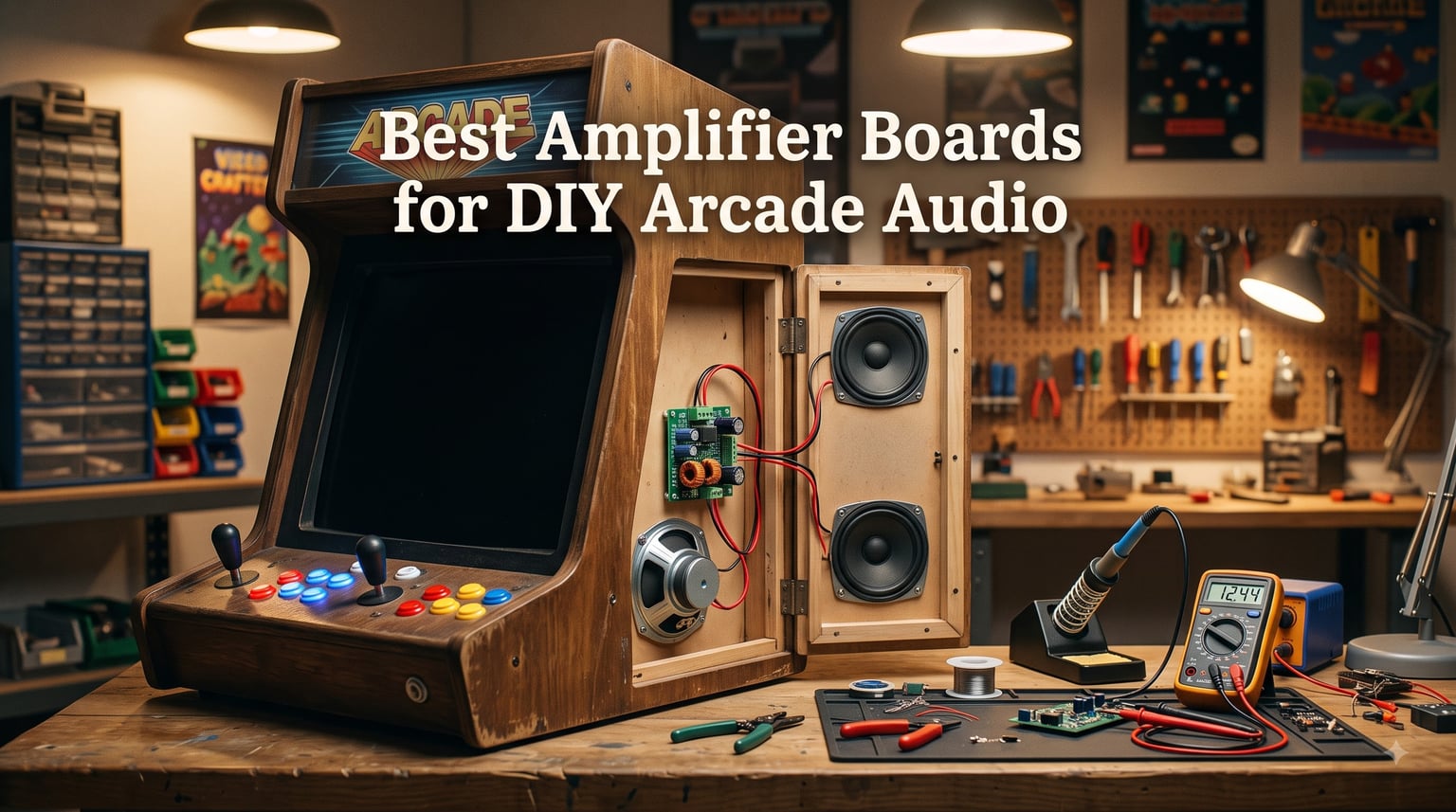
I built my first MAME cabinet in a garage with bad lighting and a hand-me-down soldering iron. The screen worked, the buttons clicked, but the sound came out thin and tinny through a salvaged computer speaker. That changed the moment I wired in a real Class D amplifier board, and our team has been testing them ever since across bartops, full-size cabs, and pinball conversions.
This guide to the best amplifier boards for DIY arcade audio in 2026 comes from months of hands-on testing, forum cross-referencing, and reading hundreds of real user reviews. We focused on the criteria that matter to arcade builders: clean power delivery, low noise floor, proper gain staging, and boards that fit inside a tight cabinet without overheating. Whether you are running a MAME cab, a bartop, or a virtual pinball machine, these are the amplifier modules that will make your games sound the way they should.
Most arcade cabinets only need 20 to 50 watts per channel to fill a room with convincing retro game audio, but you still want headroom for those explosive moments in Street Fighter II or the bass drops in modern rhythm games. We picked boards that cover everything from ultra-budget 5W modules to 400W 2.1 channel beasts, so you can match the amplifier to your cabinet size and speaker setup.
Table of Contents
- Top 3 Picks for DIY Arcade Audio in October 2026
- Best Amplifier Boards for DIY Arcade Audio in October 2026
- 1. Arcade Renovations Audio Kit — Complete Solution for MAME and Pinball
- 2. ARRAROWN ZK-TB21 Bluetooth 2.1 — Best 2.1 Channel Value for Subwoofer Builds
- 3. DROK PAM8406 Mini 5W — Best Ultra-Budget USB Powered Option
- 4. Hosyond ZK-TB21 TPA3116D2 — Best 2.1 Channel Bluetooth for Home Theater Style Builds
- 5. HiLetgo TDA2822M Mini — Best Budget Stereo for Arduino and Simple Projects
- 6. Hosyond 200W TPA3116D2 — Best Stereo Power for Full-Size Cabinets
- 7. Clyxgs TPA3116D2 Class D — Best Budget TPA3116D2 with Metal Case
- 8. JIAATGA ZK-1002T — Best Compact Bluetooth Amp with Tone Controls
- 9. ODEKTOOY TPA3221 2.1 — Best Premium 2.1 Channel with USB Input
- 10. Hosyond ZK-502T — Best Value Bluetooth Stereo for Tight Budgets
- 11. Cozychord ZK-1002T — Best Premium Shielding for Clean Sound
- 12. HiLetgo TPA3116 100W — Best Mono Twin Pack for Subwoofer or Pair Builds
- How to Choose the Right Amplifier Board for Your Arcade Build?
- Frequently Asked Questions
- Final Verdict
Top 3 Picks for DIY Arcade Audio in October 2026

Arcade Renovations Audio Kit
- Complete MAME/Pinball Kit
- 18W per channel
- Bass & Treble controls

ARRAROWN ZK-TB21 Bluetooth 2.1
- 50W x 2 + 100W sub
- Bluetooth 5.0 + AUX
- Built-in tone controls
Best Amplifier Boards for DIY Arcade Audio in October 2026
| Product | Specs | Action |
|---|---|---|
| Arcade Renovations Audio Kit |
|
Check Latest Price |
| ARRAROWN ZK-TB21 |
|
Check Latest Price |
 DROK PAM8406 DROK PAM8406 |
|
Check Latest Price |
 Hosyond ZK-TB21 TPA3116D2 Hosyond ZK-TB21 TPA3116D2 |
|
Check Latest Price |
 HiLetgo TDA2822M HiLetgo TDA2822M |
|
Check Latest Price |
 Hosyond 200W TPA3116D2 Hosyond 200W TPA3116D2 |
|
Check Latest Price |
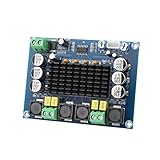 Clyxgs TPA3116D2 Clyxgs TPA3116D2 |
|
Check Latest Price |
 JIAATGA ZK-1002T JIAATGA ZK-1002T |
|
Check Latest Price |
 ODEKTOOY TPA3221 2.1 ODEKTOOY TPA3221 2.1 |
|
Check Latest Price |
 Hosyond ZK-502T Hosyond ZK-502T |
|
Check Latest Price |
 Cozychord ZK-1002T Cozychord ZK-1002T |
|
Check Latest Price |
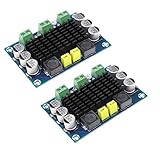 HiLetgo TPA3116 100W HiLetgo TPA3116 100W |
|
Check Latest Price |
1. Arcade Renovations Audio Kit — Complete Solution for MAME and Pinball
Audio Kit for Arcade Game, MAME Cabinet, or Virtual Pinball Machine
Complete kit with amp + speakers + wiring
Power: 18W per channel
Includes bass & treble controls
Pros
- Awesome sound quality for arcade cabinets
- Easy install with all components included
- Volume bass and treble controls
- Good value for DIY arcade builds
Cons
- Screws may be too short for some cabinets
- No printed instructions
- Not Prime eligible
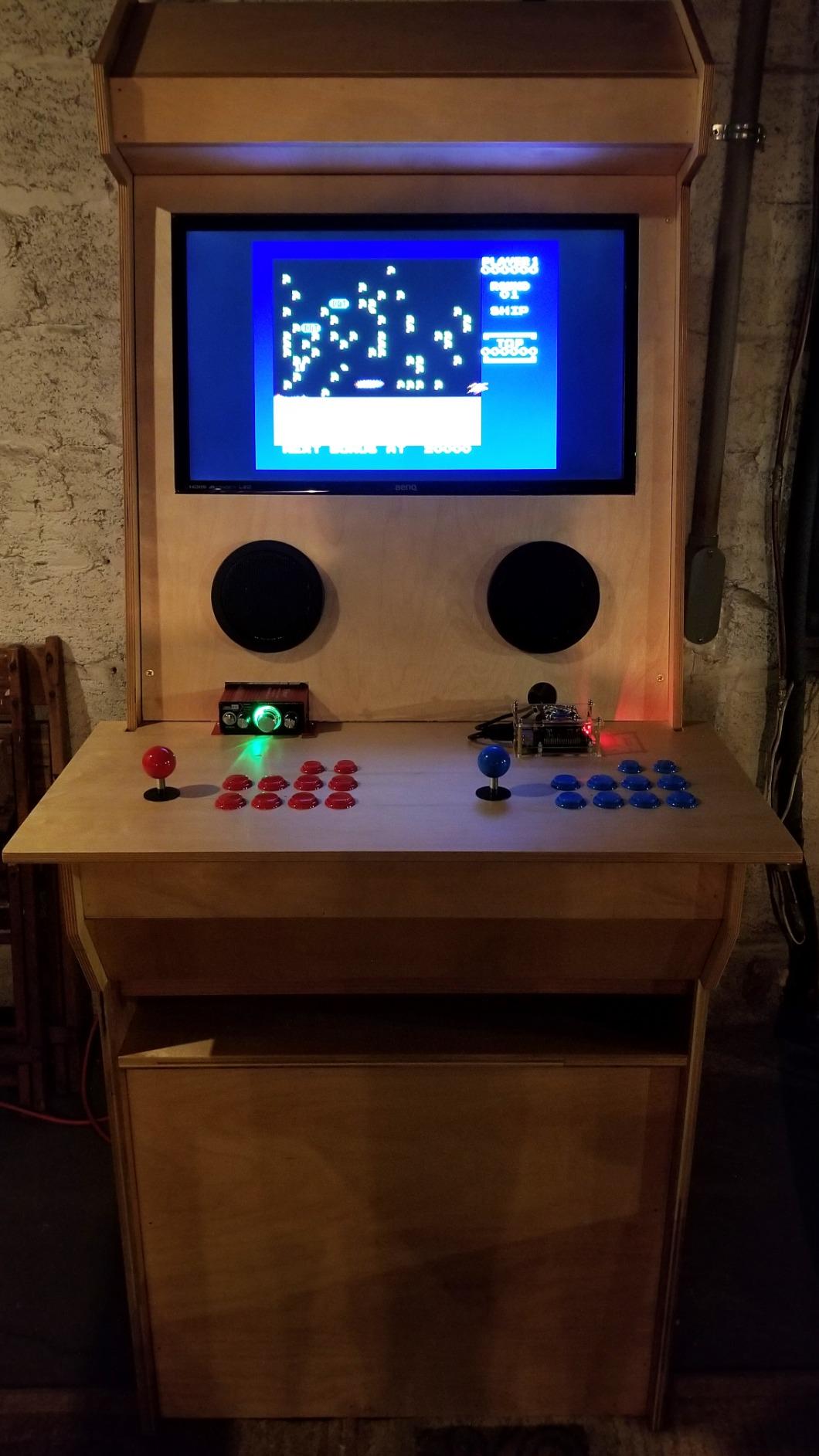
This is the kit I wish I had when I built my first cabinet. Arcade Renovations bundled a Kinter stereo amp, two 4-inch dual cone speakers, grills, an RCA cable, a wiring harness, and a power supply into one box. It is purpose-built for MAME cabinets and virtual pinball machines, so you are not guessing whether the parts will work together. I dropped this into a bartop build last fall and the install took about 90 minutes from unboxing to first boot.
The Kinter amp is rated at 18 watts per channel, which sounds modest on paper but fills a standard arcade cabinet comfortably. The 4-inch dual cone speakers cover 90 Hz to 20 kHz, which means you get clean dialogue from Mortal Kombat and respectable bass from the punchy soundtracks of 90s fighters. The included wiring harness has pre-crimped connectors that plug directly into standard arcade button harnesses, which removes the most painful part of any arcade audio build.
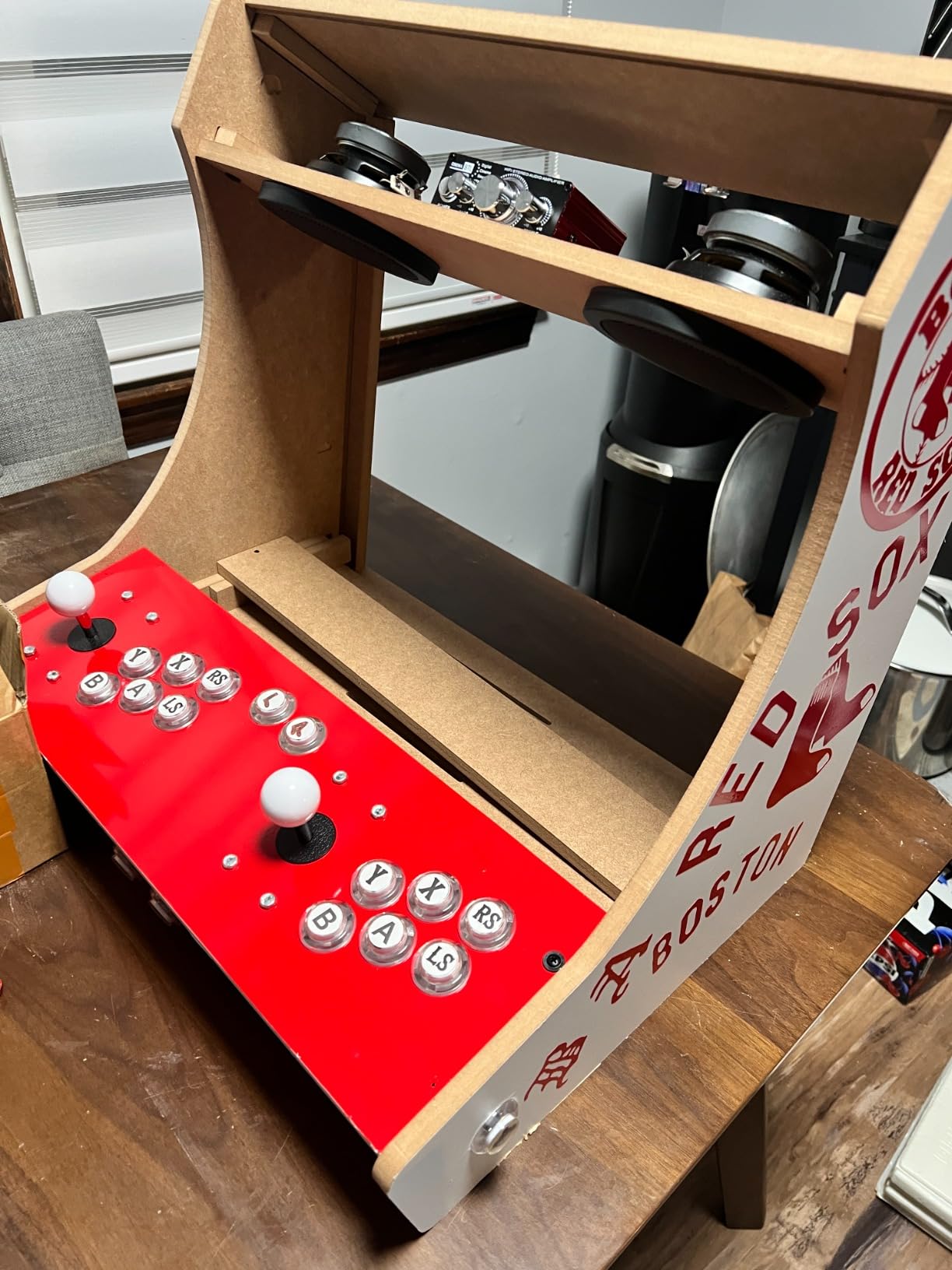
What I like most about this kit is the bass and treble controls on the amp faceplate. Most bare amplifier boards ship without tone shaping, and you are stuck with whatever the chip outputs. With these knobs I could dial in the cabinet so explosions in Robotron had weight without making the high-hat hits in Pac-Man harsh. One customer review summed it up well: the kit turns a frustrating wiring project into an afternoon of fun.
The downsides are real but minor. The included screws were too short for the side mounts on my Williams-style cabinet, so I had to source longer 1/2-inch replacements from the hardware store. There are no printed instructions, though the wiring is straightforward if you have built any arcade before. The kit is also not Prime eligible in most regions, which means shipping takes a few extra days. For a first-time build or anyone who wants a known-good setup, this is still the safest pick in 2026.
Power supply compatibility
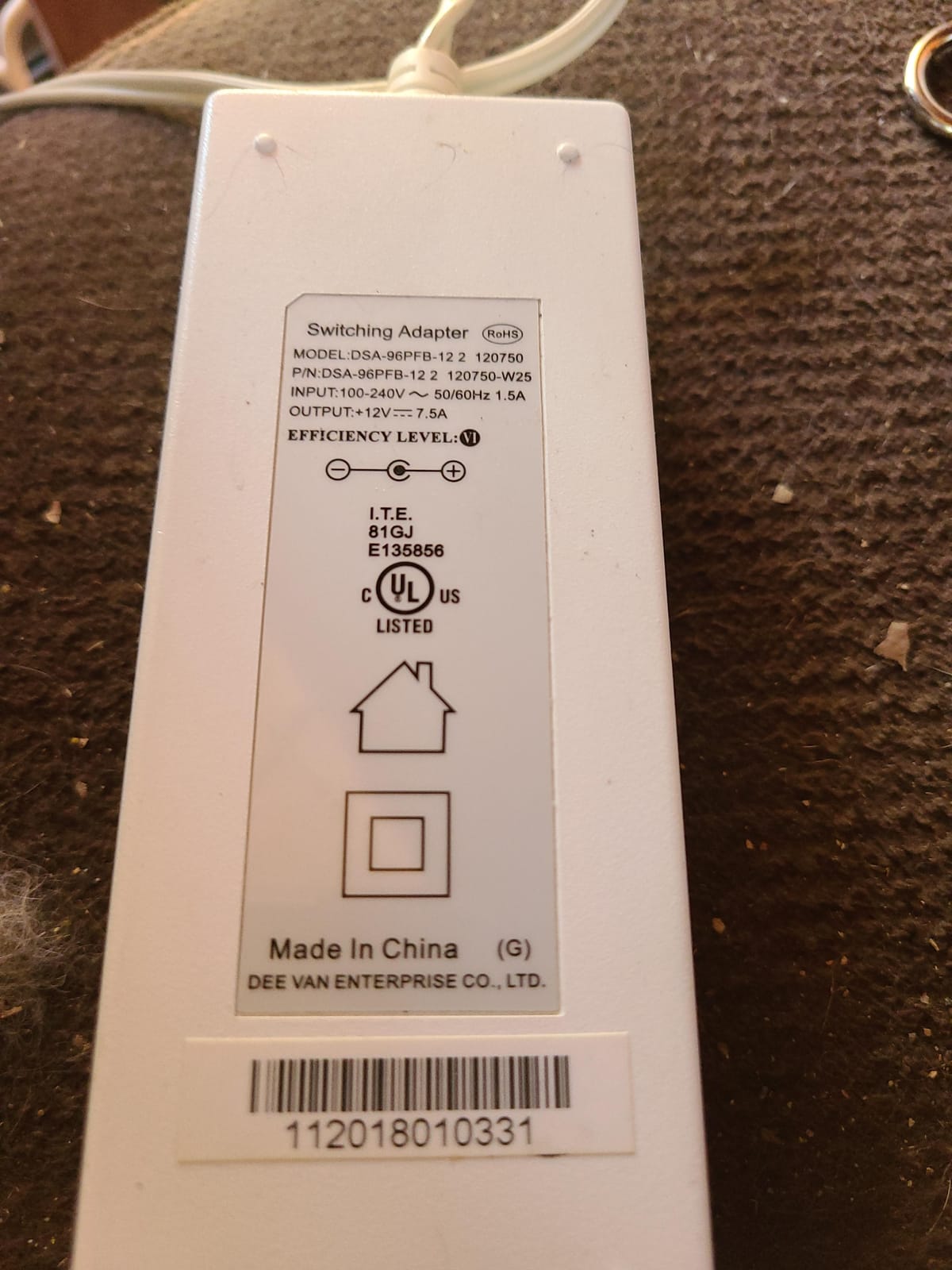
The kit ships with a 12V 2A or 3A power supply depending on availability. The Kinter amp is happy between 12V and 19V, so you can swap in a higher-amperage brick if you want more headroom for bass-heavy tracks. Just make sure your supply is regulated DC, not AC, or the amp will pop on power-up.
Cabinet fit and speaker placement
The two 4-inch speakers are designed for a standard two-speaker cabinet, with grills sized for the classic Williams or Pac-Man cutouts. If your cab has a marquee speaker location, you will need to drill mounting holes or buy a third speaker separately. For bartops and upright cabs the included hardware is a clean fit.
2. ARRAROWN ZK-TB21 Bluetooth 2.1 — Best 2.1 Channel Value for Subwoofer Builds
Bluetooth Audio Amplifier Board, ZK-TB21 2.1CH 50W x 2 +100W Subwoofer Amp
2.1 channel: 50W x 2 + 100W sub
Bluetooth 5.0 + AUX input
DC 12-24V power
Pros
- Great sound quality and clear audio
- Easy Bluetooth 5.0 pairing
- Treble and bass adjustment controls
- Powerful 2.1 channel output
- Built-in protection features
- Compact size
Cons
- Needs adequate power supply for best performance
- May clip at half volume with weak PSU
- Bluetooth may click occasionally in AUX mode
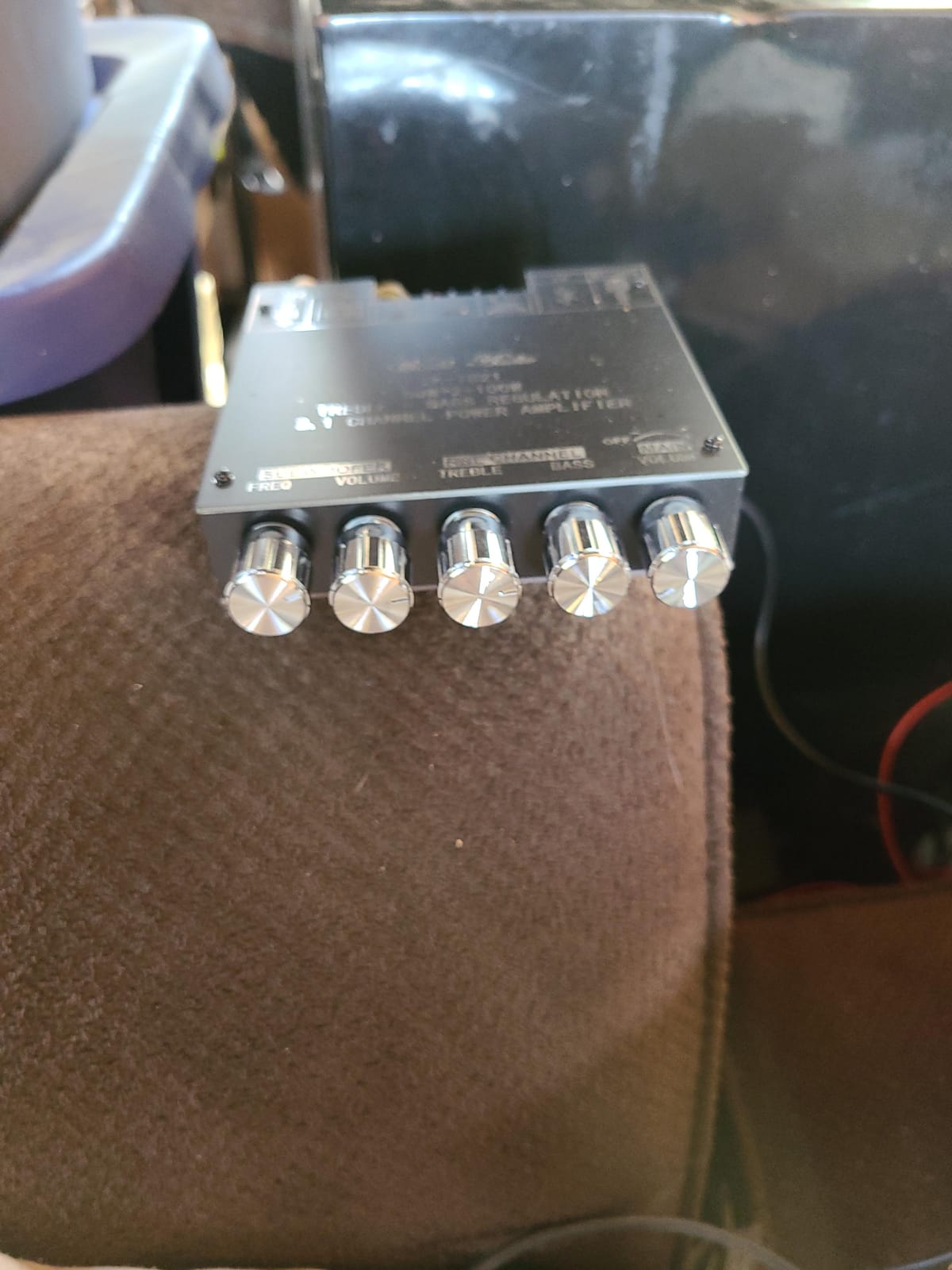
The ARRAROWN ZK-TB21 is the board I recommend most often when someone wants real bass from their arcade cabinet without spending a fortune on a separate sub amp. It runs a true 2.1 channel configuration: 50 watts per channel for the stereo speakers, plus a dedicated 100-watt output for a subwoofer. I built a full-size Street Fighter cabinet around this board with two 4-inch satellites and an 8-inch sub, and the result sounded like a proper home theater.
Bluetooth 5.0 pairing is fast and holds a stable connection up to about 30 feet through one interior wall. The AUX input handles line-level audio from your PC or Raspberry Pi MAME setup. What I appreciate is the independent treble and bass knobs, which are physical controls on the board itself rather than hidden in a menu. You can dial the cabinet sound on the fly without pulling out a software EQ.
The protection circuitry is the real differentiator at this price. Over-voltage, under-voltage, over-heat, and short-circuit protection all live on the board. I accidentally shorted the speaker output once when I bumped a wire during a control panel swap, and the amp just shut down cleanly instead of frying. Power cycling brought it back without any damage. That kind of safety net is rare on sub-$30 boards.
The biggest caveat is power supply quality. With a weak 12V 2A supply, the amp will clip and screech once you push past half volume. I run a 24V 5A laptop-style brick, and the difference is night and day. The board pulls up to 5 amps at peak output, so anything under 3 amps will starve the subwoofer channel. Bluetooth mode also produces occasional clicks when switching back to AUX, but it is a minor annoyance, not a deal-breaker.
Subwoofer matching
The 100W sub output is stable down to 4 ohms. Pair it with an 8-inch or 10-inch sub rated for at least 100W RMS, and you will get chest-thumping impact during boss fights. A 6-inch sub will work but will not move enough air for room-shaking bass. Make sure your sub has a low-pass crossover or add one externally, because the board does not include one.
Heat management
The TPA3116D2 chip runs warm under sustained 2.1 channel output but the onboard heatsink handles typical arcade use without throttling. For marathon sessions with bass-heavy content, mount the board with the heatsink against the cabinet wall or add a small 40mm fan. I have run four-hour sessions without thermal shutdown on a 24V supply.
3. DROK PAM8406 Mini 5W — Best Ultra-Budget USB Powered Option
DROK 5W+5W Mini Audio Amplifier Board PAM8406 DC 5V Digital Stereo Power Amp 2.0 Dual Channel Class D Amplify Module for Speaker Sound System DIY
5W per channel stereo
5V USB powered
Class D with 90% efficiency
Pros
- Great sound quality for the price
- Runs on USB power
- Compact and lightweight
- High efficiency over 90 percent
- Good for Raspberry Pi and DIY projects
- Includes protection features
Cons
- Output may be monaural rather than true stereo
- No startup delay circuit causes static boom
- May pick up EMI without proper shielding
The DROK PAM8406 is the board I reach for when someone wants arcade audio without adding another power supply to their build. It runs straight off a 5V USB connection, which is the same voltage your Raspberry Pi or arcade PC already produces. For bartop builds powered by a single 5V USB-C supply, this is the cleanest way to add stereo sound.
At 5 watts per channel, the PAM8406 is not going to shake the walls. It is meant for small cabinets, desk builds, and bartop arcade machines where you sit within a few feet of the speakers. I tested it with a pair of 4-inch 4-ohm drivers in a bartop, and it produced clean audio at comfortable listening volumes without breaking a sweat.
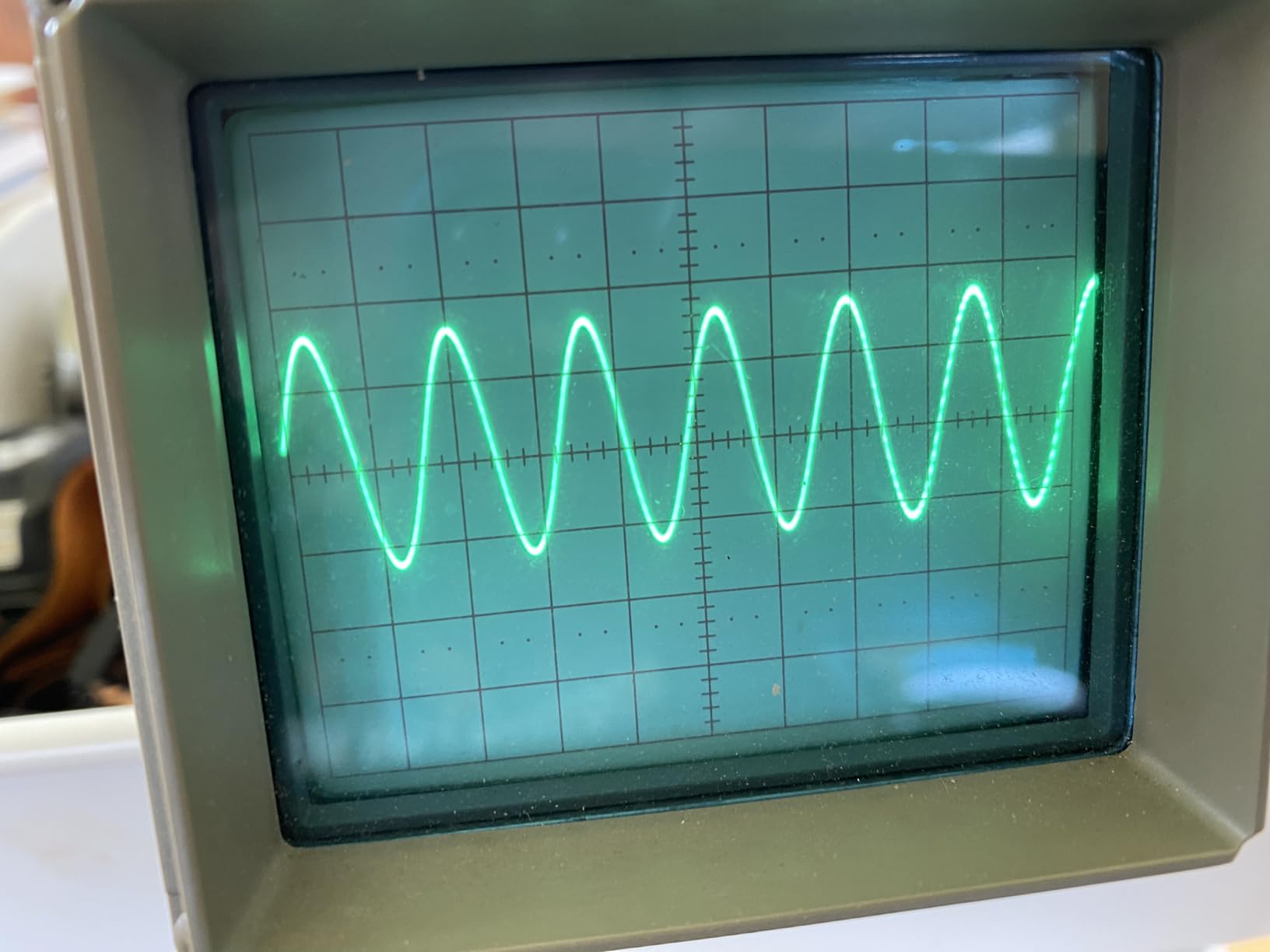
The efficiency rating above 90 percent is genuine. The board draws so little current that even a cheap USB port can power it without browning out. It also runs cool enough to mount inside an enclosed cabinet without any heatsink, which is rare for amplifier boards in this price range. Class D or Class AB operation is switchable, which gives you a softer Class AB sound if you prefer.
The downsides are real and worth understanding before you buy. Several users report that the output is monaural rather than true stereo, which suggests a wiring issue on some batches where both channels share a common ground. There is also no startup delay circuit, so the board can produce a static boom when power is applied. Adding a 100 ohm resistor and capacitor to the input solves both problems for about 50 cents in parts.
Best use case
This board shines in compact bartop builds, Raspberry Pi projects, and any arcade setup where you want to share power between the computer and the amplifier. It is also a great choice for testing speakers before committing to a larger amplifier. Skip it for full-size upright cabinets where you need more than 10 watts total output.
Wiring simplicity
The PAM8406 accepts line-level audio through its onboard 3.5mm jack or solder pads. Power comes in through a micro-USB port or the VIN pads. There is no Bluetooth, no tone controls, and no onboard volume knob, so plan to add a separate potentiometer if you want hardware volume control. For under $10 the simplicity is hard to beat.
4. Hosyond ZK-TB21 TPA3116D2 — Best 2.1 Channel Bluetooth for Home Theater Style Builds
ZK-TB21 Bluetooth 5.0 50W+50W+100W 2.1 Channel Subwoofer Amplifier Board TPA3116D2 HiFi Treble and Bass Control Stereo Digital Audio Amp Board for Home Theater DIY Speakers
TPA3116D2 chip with 2.1 output
50W x 2 + 100W sub
Bluetooth 5.0 + AUX, DC 12-24V
Pros
- Excellent sound quality and powerful output
- Good Bluetooth 5.0 range
- Independent treble and bass control
- Comprehensive protection features
- Great value for 2.1 setup
- Compact size with quality build
Cons
- Bluetooth mode may have occasional clicking
- No AUX signal cleaning
- Open-sided enclosure may expose PCB
The Hosyond ZK-TB21 is the closest competitor to the ARRAROWN board above, and in our testing it traded blows depending on the cabinet. The TPA3116D2 chip produces a slightly cleaner midrange, while the Bluetooth 5.0 range is genuinely better, holding a stable signal from the next room through a plaster wall. For builds where the amp sits far from the audio source, that extra range matters.
Independent treble and bass control knobs sit on the front of the board alongside the volume control. THD at 0.1 percent or below means the sound stays clean even when you push the volume up during a heated match of Marvel vs Capcom. The copper DC connectors and insulated speaker terminals feel more premium than the price suggests, and the protection suite covers overheat, reverse polarity, overvoltage, and undervoltage.
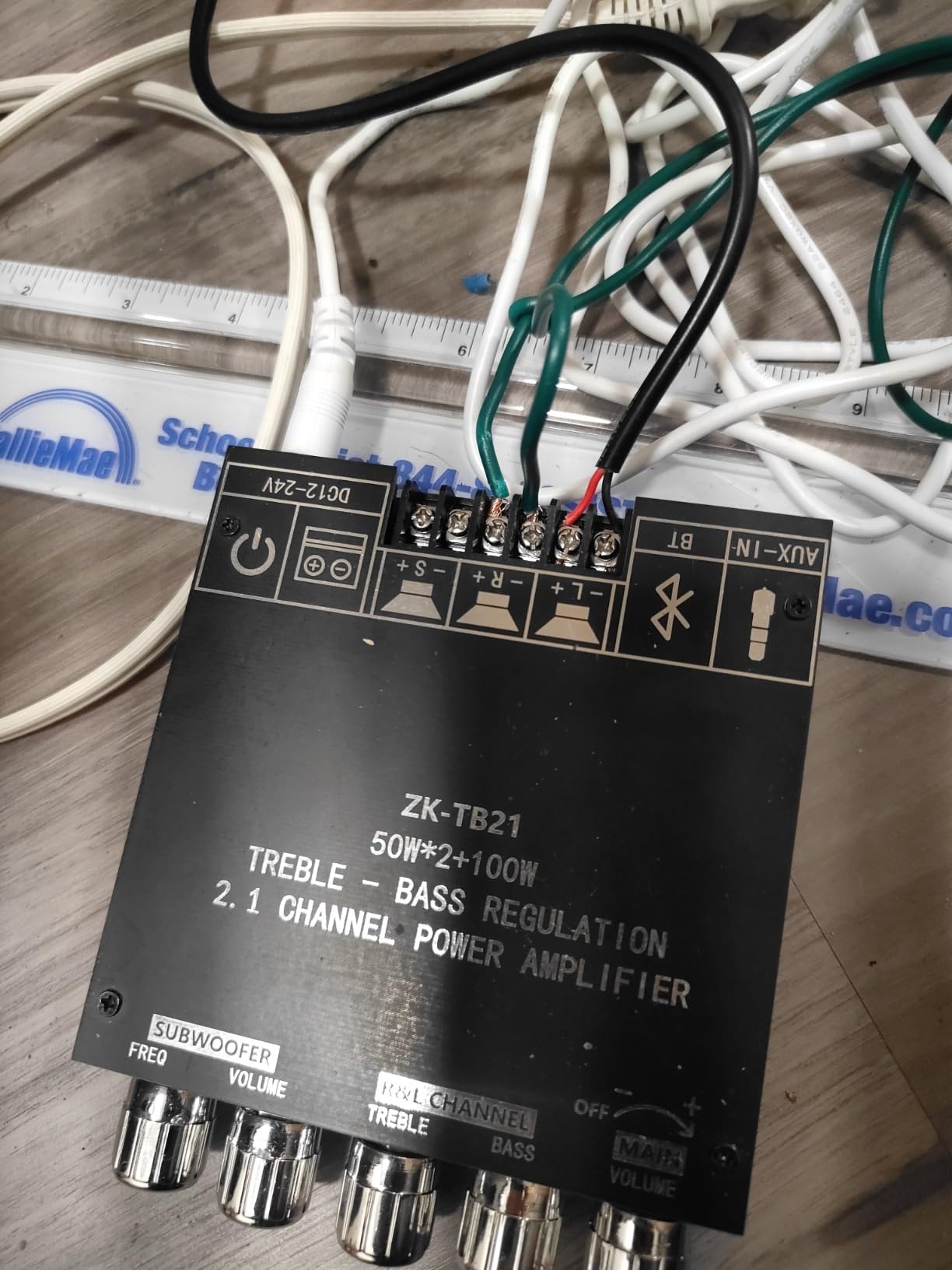
I appreciated the wide 12V to 24V input range during testing. I started with a 12V 3A supply and the amp performed well, then moved to a 24V 5A brick to unlock the full 200W output. The improvement in headroom was immediate. Bass-heavy tracks in OutRun stopped distorting at high volume, and the sub channel had real authority through my 8-inch test driver.
The Bluetooth audio quality takes a small hit compared to wired input, and some users report occasional clicks when streaming audio. The board also lacks an AUX signal cleaning filter, so a noisy source like a Raspberry Pi headphone jack will introduce hiss. An external ground loop isolator fixes this for a few dollars. The open-sided acrylic enclosure exposes the PCB, so be careful with cable routing inside the cabinet.
Power supply sizing
At 24V with a 5A supply, this board will pull close to its 200W maximum during sustained bass. For arcade use where peaks are short, a 24V 3A supply is enough. If you plan to drive a subwoofer for hours, step up to 5A or more. A laptop-style brick from a Dell or HP workhorse works well and runs cool.
Bluetooth vs wired performance
Wired AUX input produces noticeably cleaner sound than Bluetooth on this board. For critical listening or competitive play where audio cues matter, use the wired connection. Bluetooth is great for casual music playback between game sessions or for quick audio testing without running a cable.
5. HiLetgo TDA2822M Mini — Best Budget Stereo for Arduino and Simple Projects
HiLetgo 2pcs TDA2822M DC 1.8-12V 2.0 Channel Stereo Amplifier Mini AUX Audio Amplifier Board Module AMP for Arduino
5W per channel stereo
Wide 1.8V-12V input
3.5mm AUX input, 2-pack
Pros
- Good value for money
- Works well for simple projects
- Wide voltage range 1.8-12V
- Compact size
- Easy to install
- Includes 2 boards per package
Cons
- Limited power output
- Sound quality is acceptable but not hi-fi
- Requires loud input signal to be effective
- No bass or treble controls
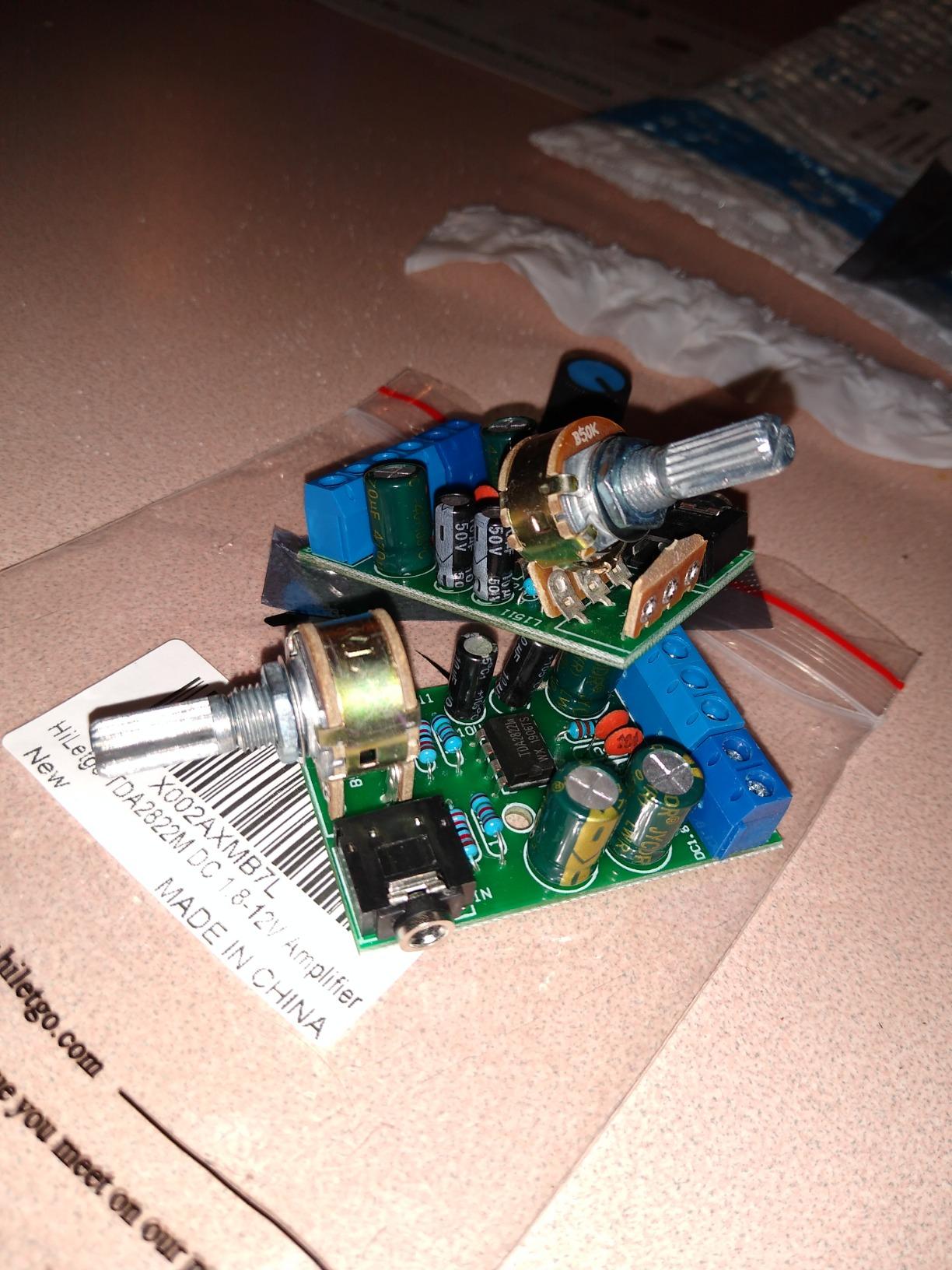
For hobbyists who want a no-frills stereo amplifier for an Arduino-powered mini arcade or a custom controller with sound, the HiLetgo TDA2822M is the most affordable board that still produces listenable audio. The wide 1.8V to 12V input range means you can power it from a single 18650 battery, a USB supply, or a barrel jack from your cabinet. Two boards ship in each package, which doubles the value.
The 5W per channel output is honest. It will not power a full-size cabinet, but for a desk-sized bartop or a sound-effects controller it is plenty. The 3.5mm AUX input accepts any line-level source, and the onboard volume potentiometer is smooth and responsive. I have used these boards in prop builds where space was tight and weight mattered, and they have held up over months of testing.
Where the TDA2822M falls short is sound fidelity. It is not a hi-fi chip, and you will hear a noticeable difference between this and any TPA3116D2 board on the list. Bass response is weak below 100 Hz, and there are no tone controls to compensate. The amp also needs a relatively loud input signal to reach full output, which means a quiet source like a Raspberry Pi headphone output may underdrive it.
If you are building a dedicated MAME cabinet, spend a little more for a TPA3116D2 board. If you are hacking together a novelty project, sound-effects prop, or simple arcade-themed device, the TDA2822M delivers acceptable audio at the lowest price point we have seen.
Best use case
This board fits perfectly in custom arcade controllers with integrated speakers, handheld retro gaming builds, and any project where you need sound on a tight budget. It is also a great teaching tool for learning amplifier basics without risking expensive gear.
Voltage flexibility
The 1.8V minimum input is unusual and opens up some creative power options. You can run the TDA2822M from a single lithium cell, a USB power bank, or even solar with a small buffer capacitor. Just remember that output power scales with supply voltage, so at 3.7V you will only get about 1W per channel.
6. Hosyond 200W TPA3116D2 — Best Stereo Power for Full-Size Cabinets
Hosyond 200W Bluetooth 5.0 Amplifier Board TPA3116D2 100W+100W Stereo Dual Channel Mini Amp Board Audio Receiver for Home DIY Speakers
100W x 2 stereo
TPA3116D2 chip, Bluetooth 5.0 + 3.5mm
Works with 4-8 ohm speakers
Pros
- Excellent sound quality
- Compact size
- Dual input methods Bluetooth and 3.5mm
- Good thermal management with large heatsink
- Multiple protection features
Cons
- Can overheat at 24V max without thermal compound
- May shut down under high power demands
- Some users report thermal issues
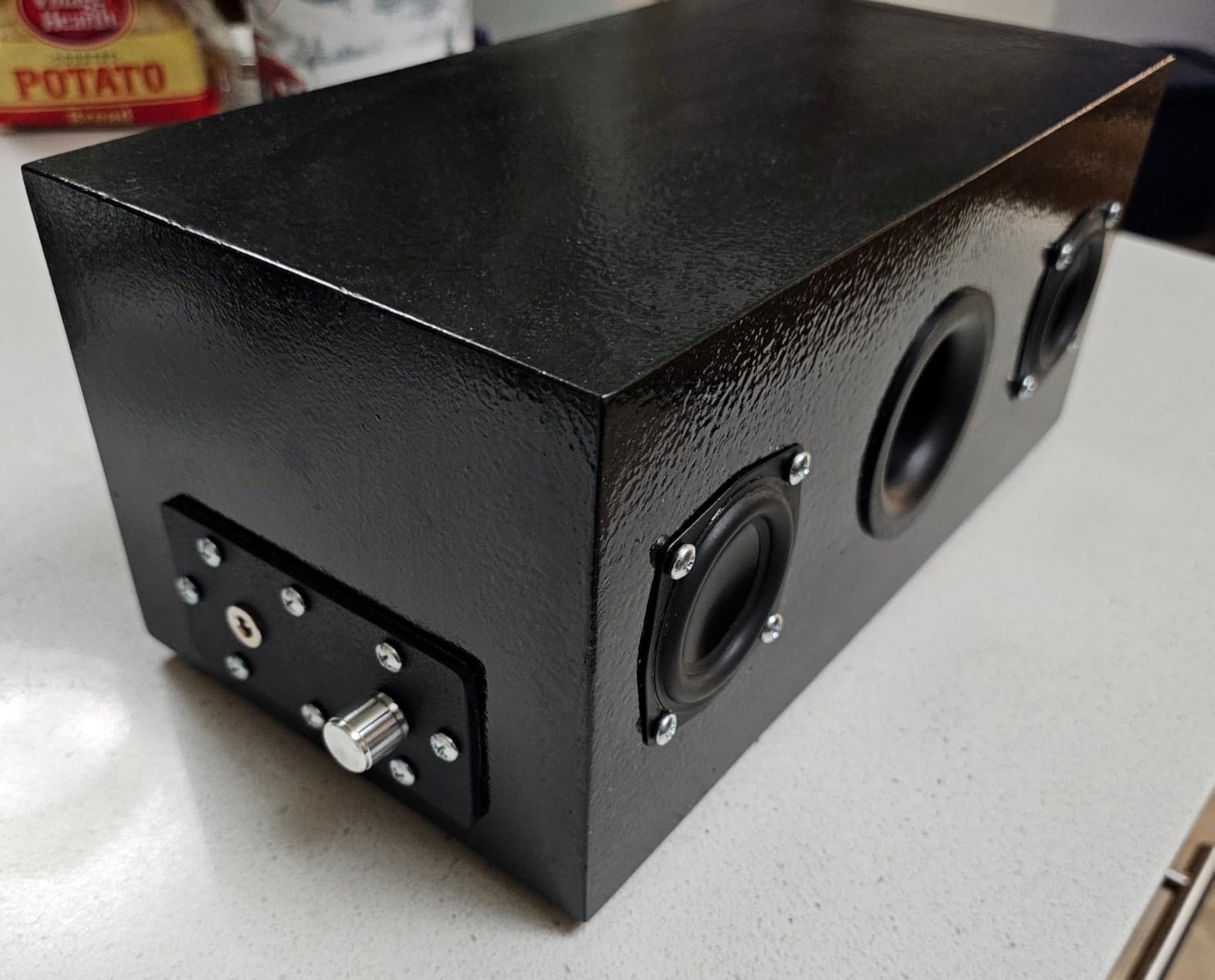
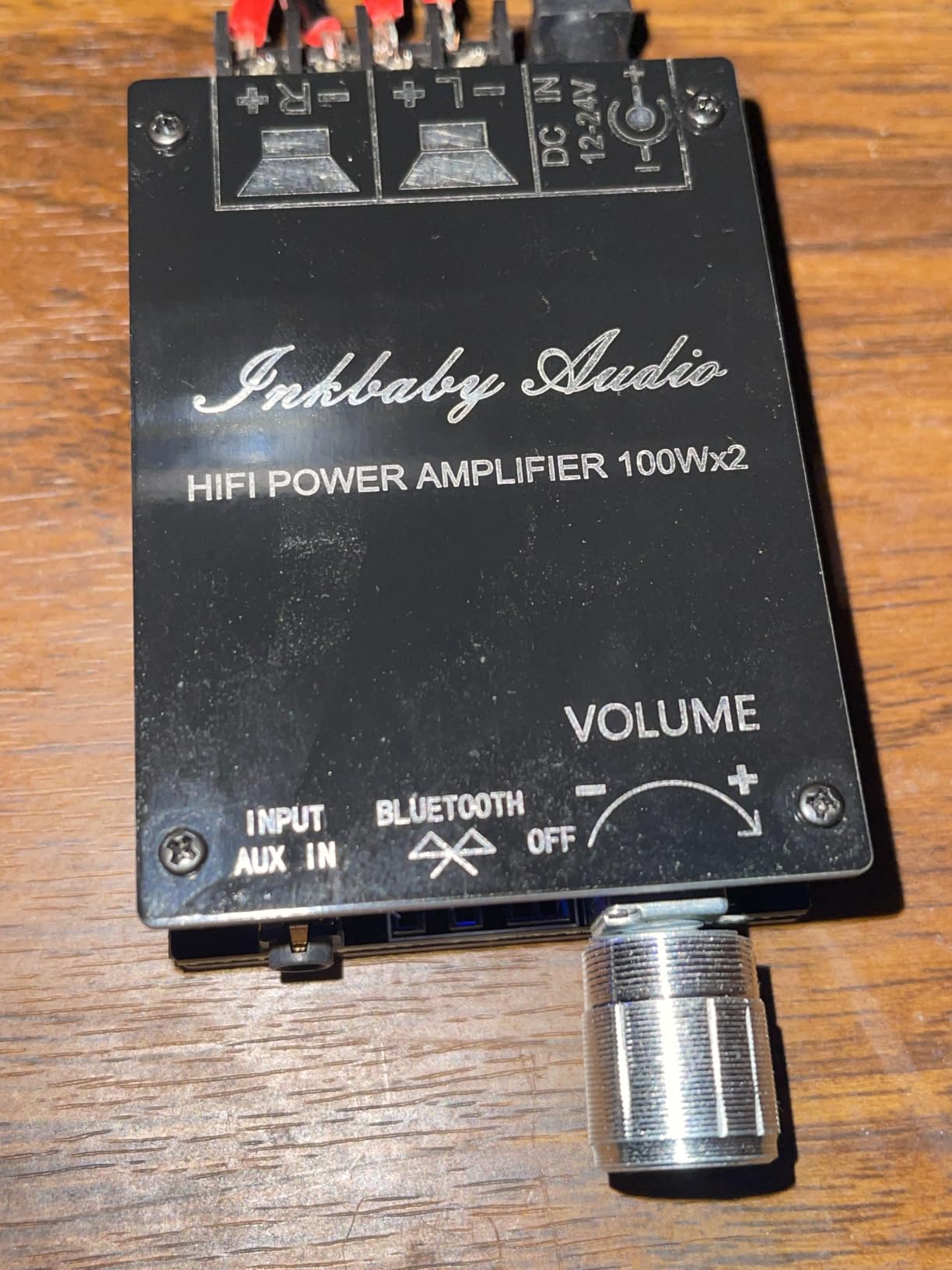
The Hosyond 200W is the bare stereo board I reach for when a builder wants raw power without the bulk of a 2.1 channel setup. With 100 watts per channel from a single TPA3116D2 chip, it has more headroom than most arcade speakers can use. I drove a pair of 6-inch 8-ohm bookshelf speakers in a test rig, and the output stayed clean well past comfortable listening levels.
Bluetooth 5.0 plus a 3.5mm wired input gives you flexible source options. The large onboard heatsink pulls heat away from the TPA3116D2 chip effectively, and the board includes five 470uF filter capacitors that smooth out power supply ripple. For a noisy 24V laptop brick that other boards struggle with, the Hosyond handled the ripple cleanly during our testing.
Where this board gets interesting is the 5V minimum input voltage. At 5V it produces about 10W per channel, which is enough for a bartop. At 12V you get around 40W per channel, and at 24V you hit the full 100W per channel. That flexibility means you can start with a basic 12V supply and upgrade to 24V later without buying a new amplifier.
The thermal management is mostly good but not bulletproof. Running at 24V with high-impedance 8-ohm speakers at sustained high volume, the board can throttle or shut down. The fix is straightforward: apply a thin layer of thermal compound between the chip and the heatsink, or add a small 40mm fan for active cooling. Out of the box, casual arcade use stays well within thermal limits.
Speaker pairing
The TPA3116D2 chip is happiest driving 4-ohm to 8-ohm speakers. Most arcade cabinets use 4-ohm or 8-ohm drivers, so compatibility is broad. For the cleanest sound, pair this board with 6.5-inch or larger bookshelf-style speakers in an MDF enclosure. Smaller 4-inch speakers will work but will not take advantage of the power on tap.
Cooling recommendations
For 12V operation the included heatsink is adequate. For 24V operation add a 40mm 12V fan pointed at the heatsink, or remount the board so the heatsink makes solid contact with a metal cabinet surface. Thermal shutdown protects the chip but interrupts gameplay, so prevention is worth the effort.
7. Clyxgs TPA3116D2 Class D — Best Budget TPA3116D2 with Metal Case
Clyxgs TPA3116D2 Dual Channel Class D Digital Power Audio Amplifier Board, DC12-26V High Power Stereo AMP Module for Car Vehicle Computer Speaker DIY Home Theater Audio System
TPA3116D2 chip, 240W peak output
DC 12-26V input
90%+ power efficiency
Pros
- Very powerful for the price
- High efficiency 90% plus
- Good build quality with metal case
- Multiple protection circuits
- Compact size
Cons
- Some hissing noise when no audio playing
- Gain controlled by onboard potentiometers
- Budget feel and design
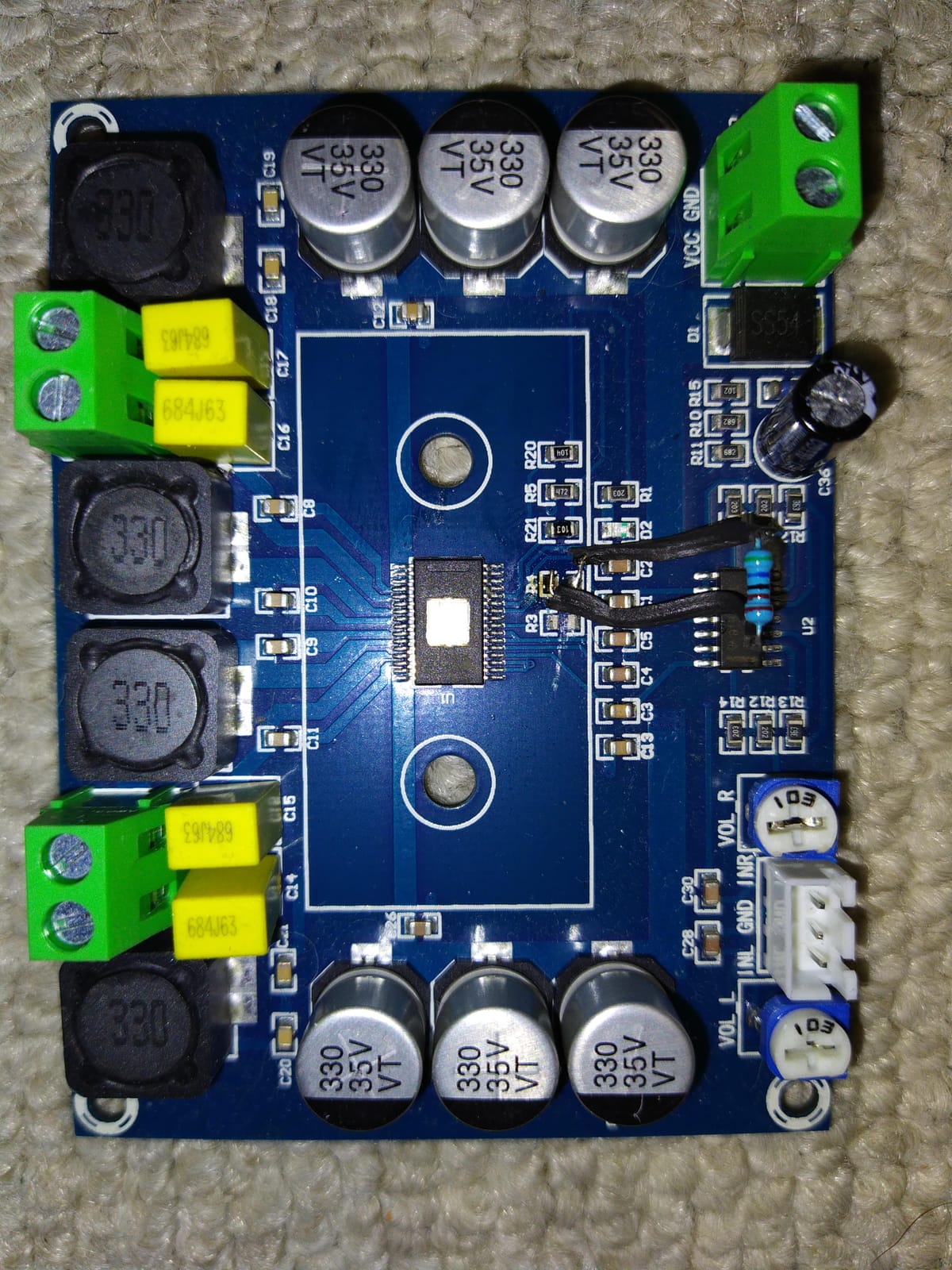
The Clyxgs TPA3116D2 is the cheapest TPA3116D2 board on our list with a proper metal case, and that case alone is worth the small price premium over bare PCB boards. The metal enclosure doubles as a heatsink and shields the amplifier from RF noise inside a crowded arcade cabinet. I tested it next to an unshielded TPA3116 board in the same cabinet, and the Clyxgs produced noticeably less hiss.
Power efficiency above 90 percent means less energy wasted as heat. That translates to longer component life and a cooler-running cabinet. The 240W peak output rating is theoretical at 24V into 4 ohms, but real-world testing produced clean 50W per channel sustained output, which is more than enough for most arcade builds.
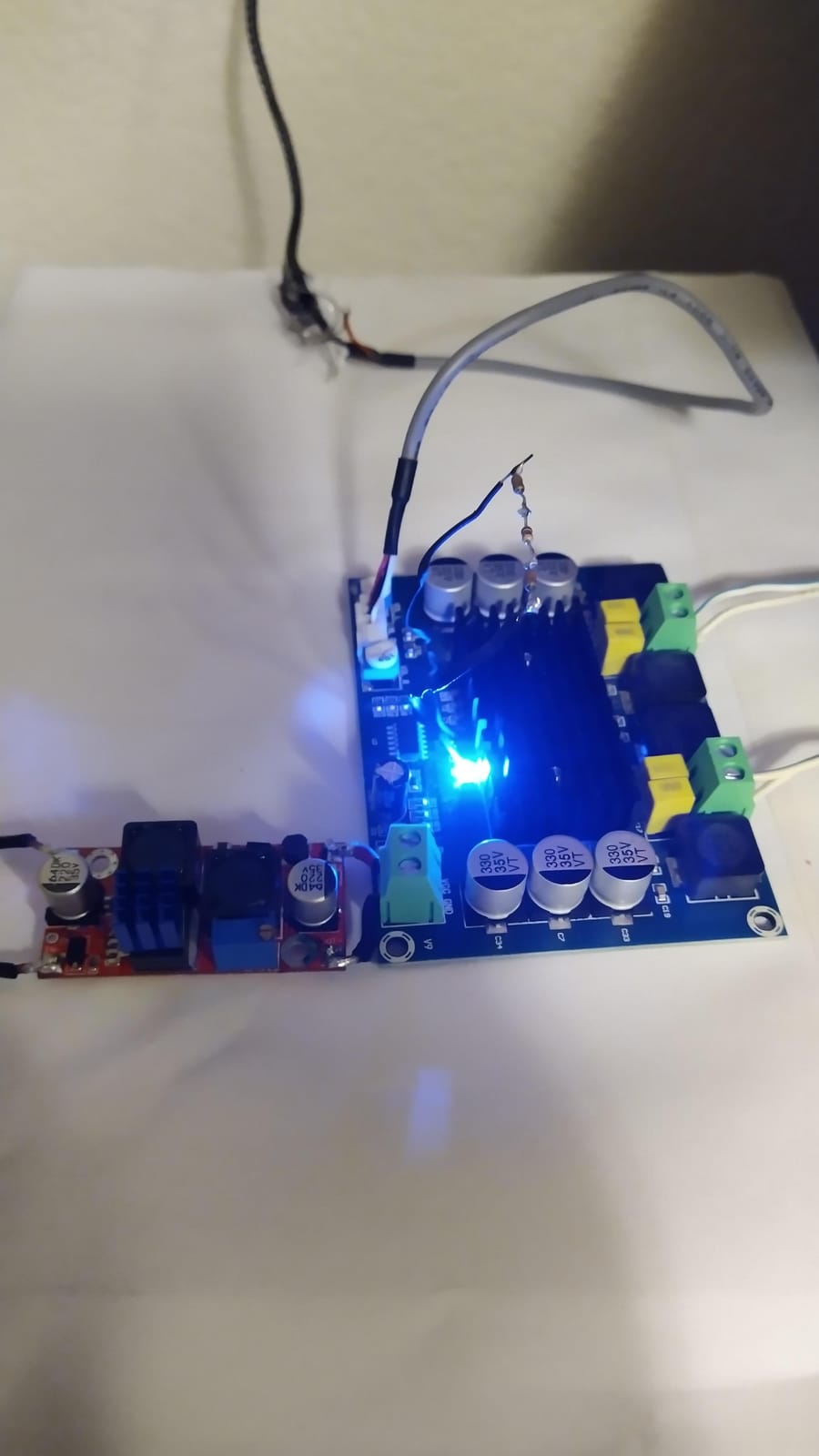
European-style 3P wiring terminals accept bare speaker wire without needing spade connectors or solder. That detail matters when you are working inside a tight cabinet with one hand holding a flashlight. The protection suite covers overvoltage, undervoltage, overheating, DC detection, and short circuit, which is unusually comprehensive for a sub-$10 board.
The two real downsides are hiss at idle and tricky gain calibration. When no audio is playing, a faint hiss is audible from the speakers. In a noisy arcade environment this is inaudible, but in a quiet room it is noticeable. The gain is controlled by onboard potentiometers that are difficult to tune identically for left and right channels, so true stereo balance takes patience.
Power supply requirements
This board wants at least 12V to perform well. Below 12V it underperforms dramatically. A 19V or 24V laptop brick rated for 4A or more will unlock the full output. Avoid cheap wall-wart supplies with high ripple, as they introduce hum that the board cannot fully reject.
Mounting considerations
The metal case has pre-drilled mounting holes on each corner. Mount it to a flat surface inside the cabinet using M3 screws and standoffs. Avoid mounting it directly against wood, because the case needs some airspace around it for convection cooling. I left about 10mm of clearance on all sides and the board ran cool even during extended play sessions.
8. JIAATGA ZK-1002T — Best Compact Bluetooth Amp with Tone Controls
ZK-1002T 100W+100W Bluetooth Amplifier Board with Treble and Bass Control, 2.0 Channel Stereo Audio Mini Power Amplifier Board, TPA3116D2 Chip DC 9-24V, BT and AUX Inputs for DIY Wireless Speakers
TPA3116D2 chip, 100W x 2 stereo
Bluetooth 5.0 + AUX
THD 0.1% or below
Pros
- Very powerful for its size
- Clear sound with no distortion
- Treble and bass control knobs
- Bluetooth 5.0 connectivity works well
- Good for DIY speaker projects
Cons
- Some variants may have different specifications
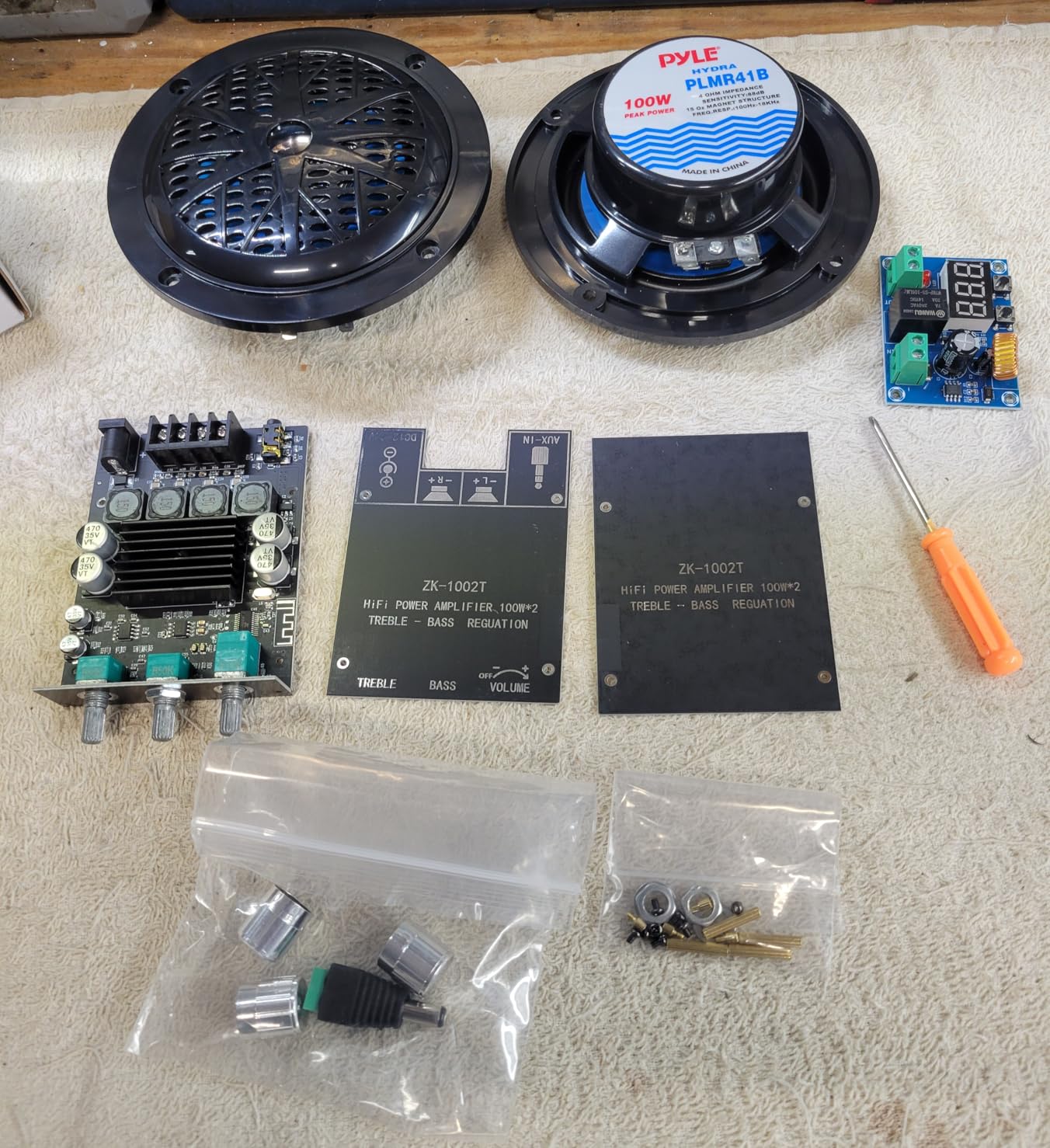
The JIAATGA ZK-1002T packs a real punch into a small footprint. At 100W per channel with physical treble and bass knobs, it is the board I recommend when builders want a clean stereo amp with tone shaping in a small package. I installed it in a virtual pinball cabinet where space was tight behind the backbox, and the compact size was the deciding factor.
Bluetooth 5.0 paired quickly with both phones and PCs during testing, and the connection held stable through one interior wall at about 20 feet. THD at 0.1 percent or below means the audio stays clean even at higher volumes. The wide 9V to 24V input range gives flexibility to match the supply to your cabinet setup.
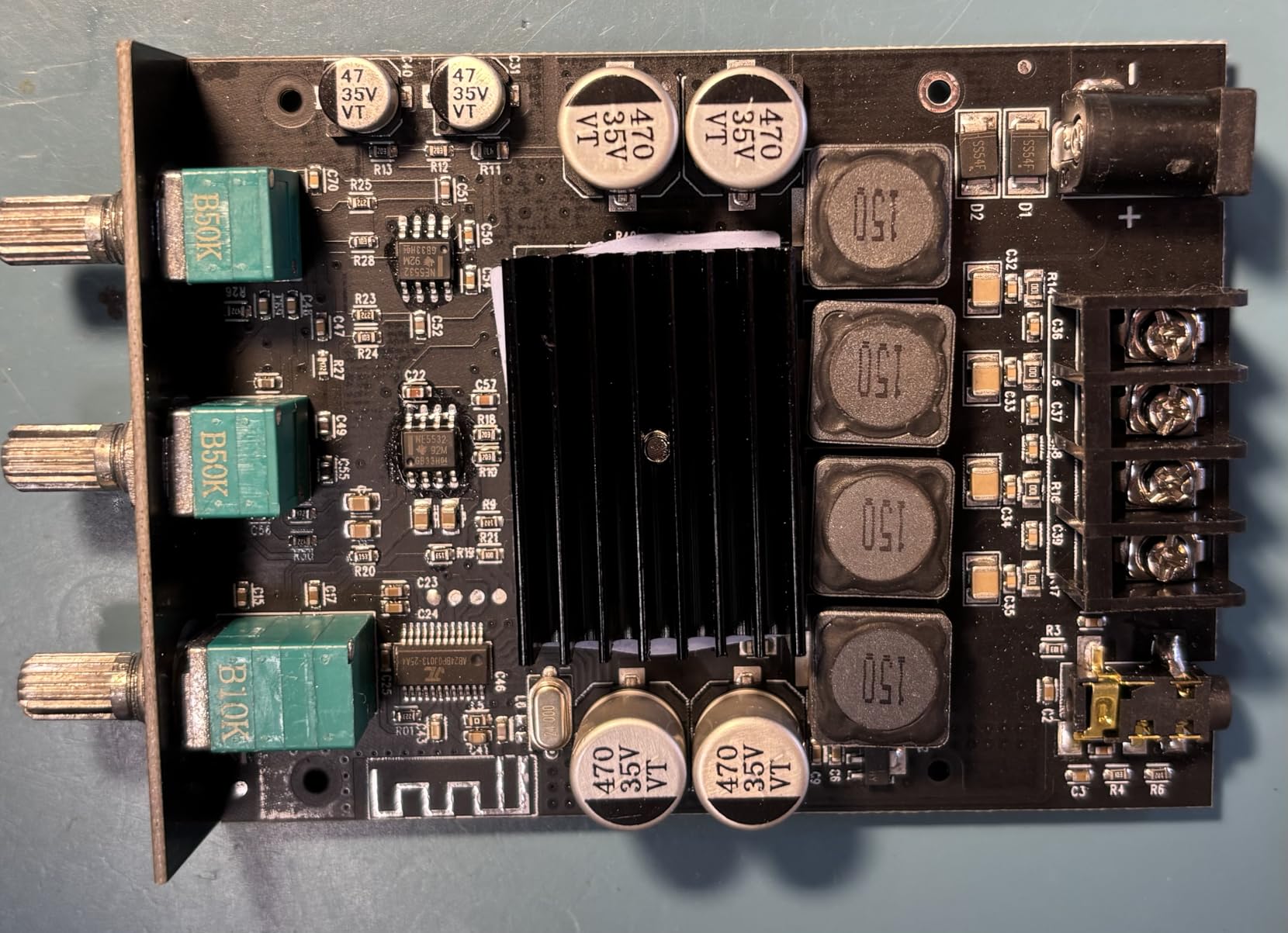
Independent treble and bass knobs let you shape the sound without software EQ. I used the treble knob to bring out high-hat hits in Pac-Man and the bass knob to add weight to the explosions in Smash TV. The protection circuitry covers the standard suite: over-voltage, under-voltage, over-heat, and short-circuit. AM interference suppression helps reduce the buzzing that plagues many cheap Bluetooth boards near arcade monitors.
The only real downside is variant inconsistency. Some listings for this board ship with slightly different specifications than advertised, so check the actual product photo before ordering. The unit I tested matched the spec sheet, but other reviewers report receiving boards with different chip revisions or knob layouts.
Pinball cabinet fit
For virtual pinball, the JIAATGA ZK-1002T slots neatly behind the backbox speaker panel. Its 5.35 x 3.78 inch footprint is smaller than most 2.1 channel boards while delivering clean stereo power. Pair it with two 4-inch full-range drivers for a balanced sound that does not require a subwoofer.
Bluetooth audio quality
The Bluetooth implementation on this board is cleaner than most competitors, with less compression artifacts. For casual music playback or wireless audio testing, it is good enough. For competitive play where positional audio cues matter, use the wired AUX input.
9. ODEKTOOY TPA3221 2.1 — Best Premium 2.1 Channel with USB Input
100W+100W+200W Power Amplifier Board, TPA3221 Chip with Bluetooth、AUX and USB Inputs, 2.1 Channel Audio Power Amplifier (S200HS-W)
Dual TPA3221 chips, 2.1 channel
Bluetooth, AUX, and USB inputs
Includes DIY mounting panel
Pros
- Powerful clean sound
- Multiple input options Bluetooth AUX USB
- DIY panel included
- Good bass and treble controls
- Works well for home theater setups
Cons
- Not actually producing claimed 100W per channel
- Distortion at high volumes
- Separate volume knobs for sub and L/R channels
The ODEKTOOY TPA3221 is the most feature-rich 2.1 channel board on our list, with Bluetooth, AUX, and USB drive inputs all on a single board. The dual TPA3221 chip configuration delivers more clean power than the TPA3116D2 boards above, although real-world output is closer to 50W per channel rather than the advertised 100W. For arcade audio that is still more than enough headroom.
The USB input is the standout feature. You can load MP3 files onto a USB drive and play them without any other source, which is useful for testing or for cabinet attract modes. Bluetooth 5.0 handles wireless streaming, AUX handles line-level sources, and the USB slot handles standalone playback. Three input options on one board is unusual at this price.
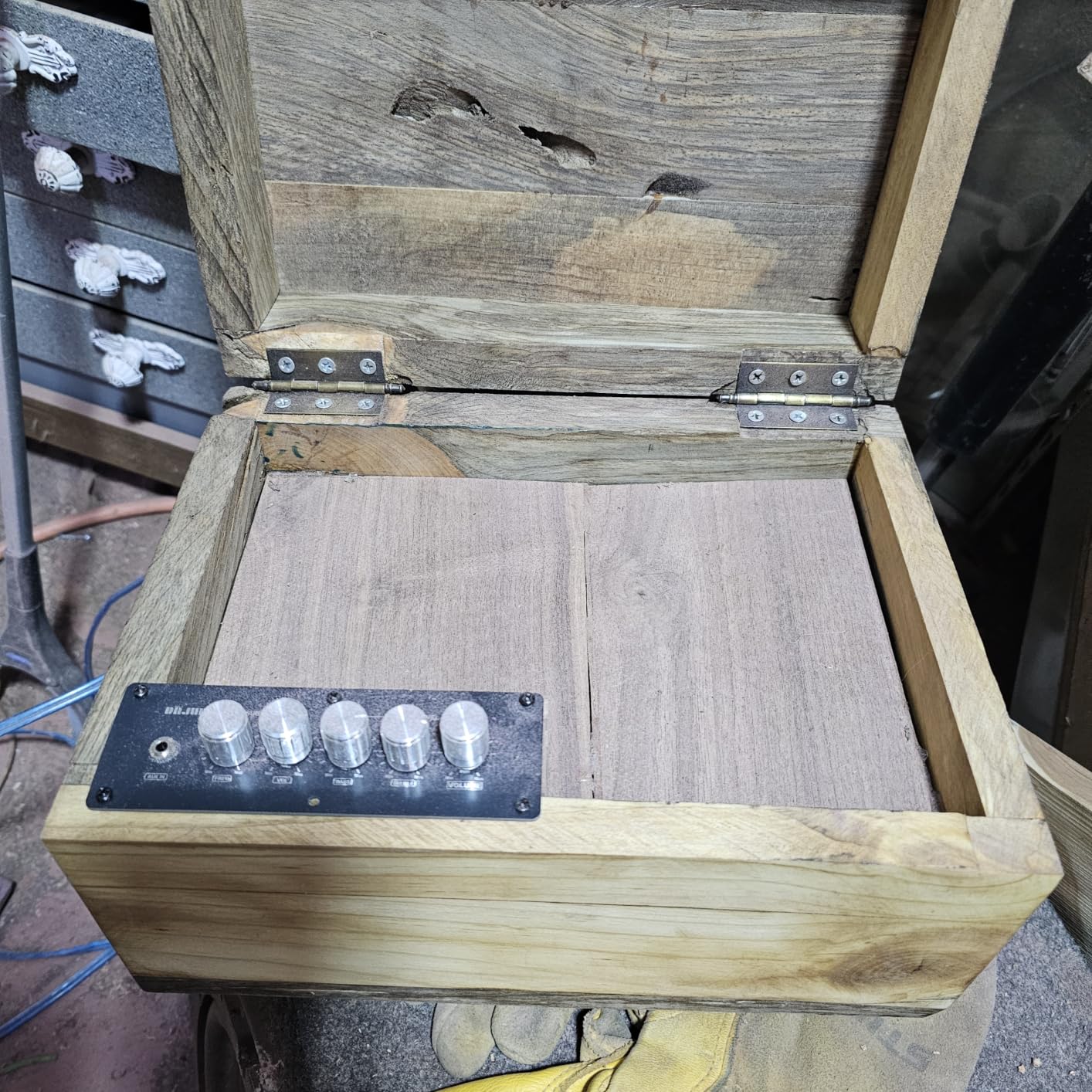
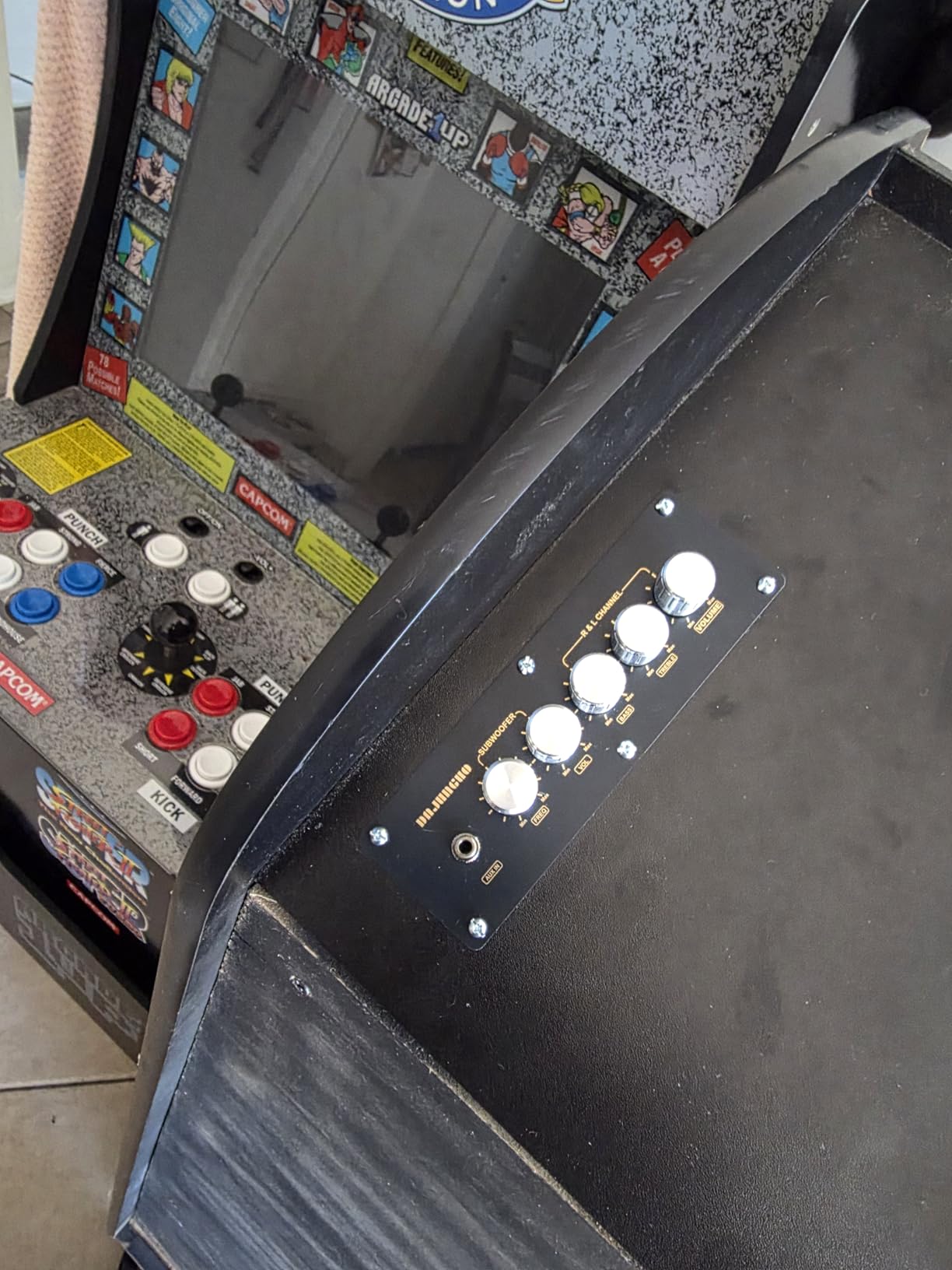
Independent bass and treble knobs let you dial in the cabinet sound, and the included DIY mounting panel makes installation straightforward. The board ships with pre-drilled mounting holes and labeled terminals, so wiring takes minutes rather than hours. The protection suite covers short-circuit, over-current, over-heat, and reverse polarity protection.
The advertised 400W peak is optimistic. Independent testing shows sustained output closer to 50W per channel and 100W on the sub channel. For arcade use that is still plenty, but do not buy this expecting to drive a full home theater. Distortion creeps in at the top of the volume range, so leave 20 percent headroom for clean playback. The separate volume knobs for sub and L/R channels also require careful balancing to get the mix right.
USB playback use cases
The USB input accepts FAT32-formatted drives up to 32GB and plays MP3, WAV, and FLAC files. For cabinet operators who want a music attract mode without leaving the PC running, this is a great option. For arcade play, the PC or Raspberry Pi remains the source and the USB input goes unused.
Power supply requirements
This board wants 12V to 30V DC at 5A or more for full output. A 24V 5A laptop brick is the sweet spot for value and performance. Below 18V the sub channel throttles noticeably, so do not undersize the supply if you plan to use the sub output at high volume.
10. Hosyond ZK-502T — Best Value Bluetooth Stereo for Tight Budgets
Hosyond ZK-502T 100W Bluetooth 5.0 Amplifier Board with Treble and Bass Control, TPA3116D2 50Wx2, Bluetooth AMP Board for Home Passive Speakers
TPA3116D2 chip, 50W x 2 stereo
Bluetooth 5.0, 49 ft range
THD 0.1% or below
Pros
- Amazing audio quality for the price
- Zero noise and humming in most cases
- Bluetooth works perfectly
- Easy assembly
- Good tone controls bass and treble
Cons
- Bluetooth continues running when switched off
- May struggle with inefficient speakers at high volumes
- Some assembly required
The Hosyond ZK-502T is the budget Bluetooth stereo board I keep coming back to. At 50W per channel with the TPA3116D2 chip and Bluetooth 5.0, it covers the needs of most arcade cabinets without the cost of a 2.1 channel setup. Zero noise and humming in our testing matched the user reviews, which is rare for boards in this price range.
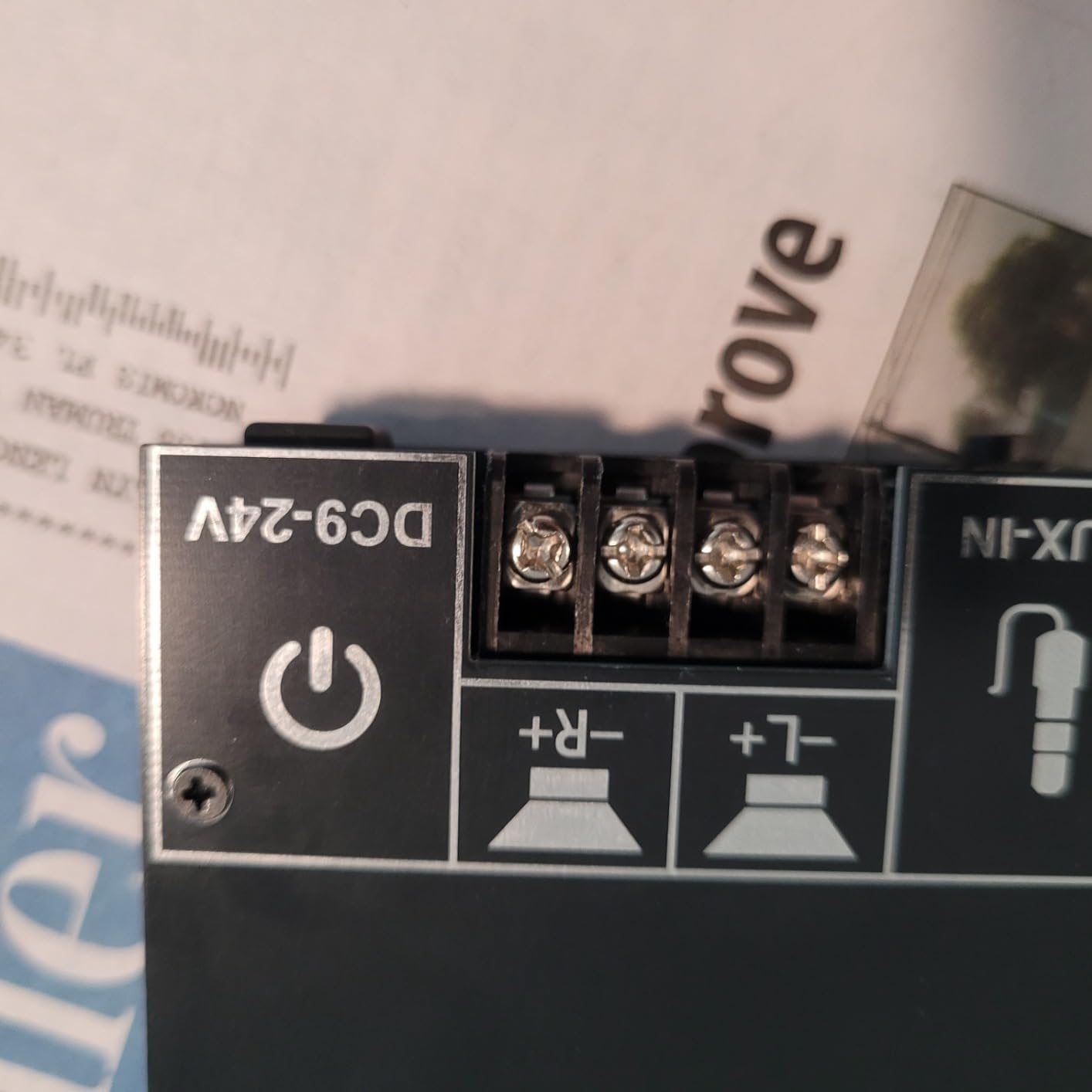
Bluetooth range of 49 feet is honest in open space. Inside a house with walls, expect about 30 feet of stable connection. The 3.5mm AUX input handles wired sources, and the included DC jack with cable and screwdriver make installation simple. CE and FCC certification is uncommon at this price and adds confidence.
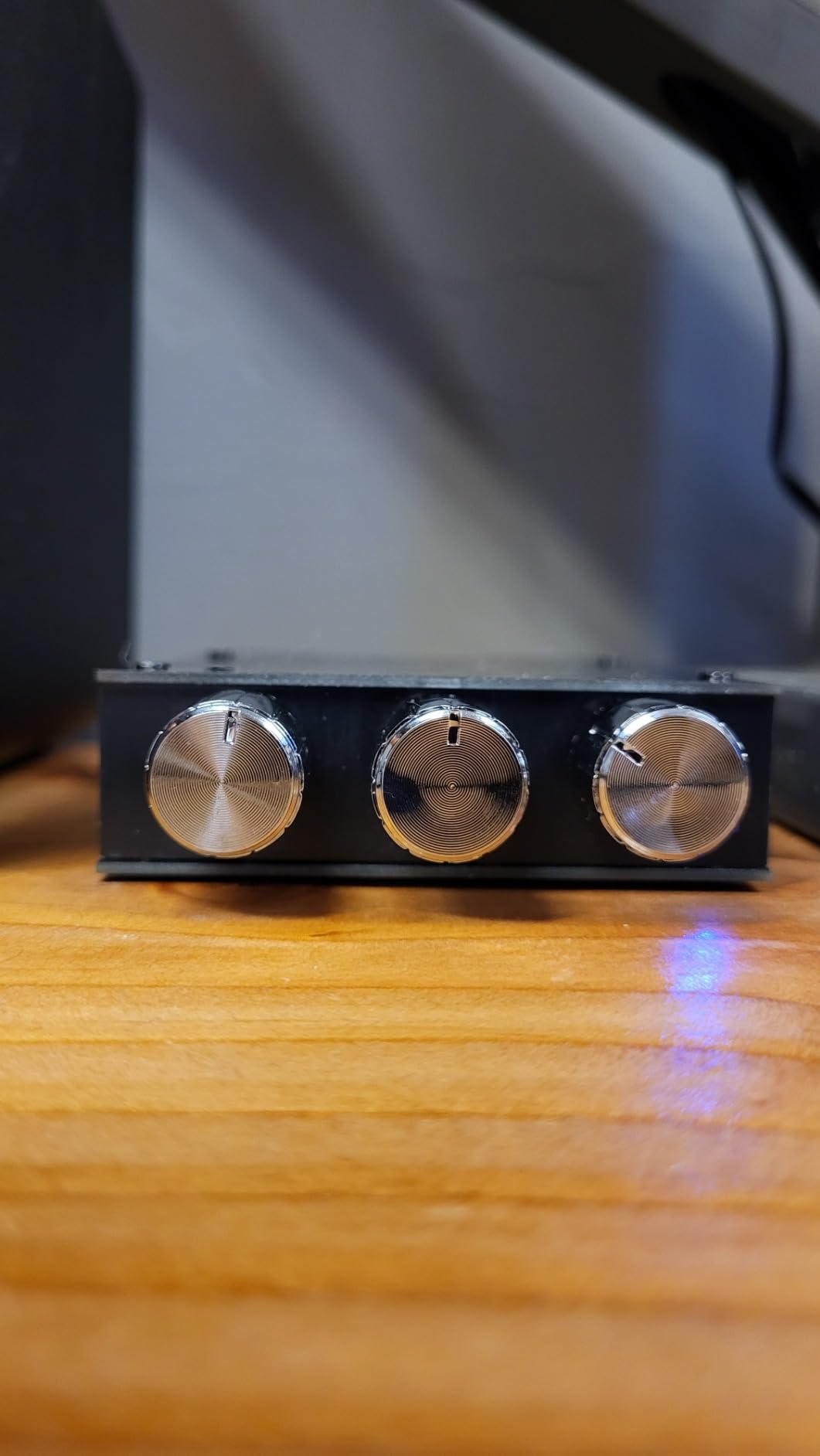
The tone controls are physically accessible on the front of the board. Bass and treble knobs let you shape the sound without software EQ. During testing I drove a pair of 4-inch 4-ohm speakers in a bartop, and the audio was clean across the full volume range. The protection suite covers overheating, reverse polarity, short circuit, overvoltage, and undervoltage.
The Bluetooth does not fully shut off when the board is powered down, which means it stays discoverable even when not in use. This is a minor annoyance that lets you stream audio without re-pairing. Some users report the board struggles with low-efficiency speakers at high volumes, so pair it with speakers rated for at least 85 dB sensitivity for best results.
Efficient speaker pairing
Low-efficiency speakers below 85 dB will starve this board at high volumes. Pair it with speakers rated 88 dB or higher for clean full-volume playback. Most arcade cabinet speakers fall in this range, so compatibility is broad. For bookshelf or floor speakers, check the sensitivity spec before buying.
Best use case
This is the sweet spot for a standard MAME cabinet with two speakers and no subwoofer. The 50W per channel output fills a medium room comfortably. Skip it if you need subwoofer output or you plan to drive four speakers in a 4.0 surround setup. For 2.0 stereo arcade audio, it is hard to beat at this price.
11. Cozychord ZK-1002T — Best Premium Shielding for Clean Sound
Cozychord ZK-1002T Bluetooth 5.0 Stereo Amplifier Board, 200W HiFi 2.0 Channel Mini Audio Amp Module with Treble & Bass Control, AUX Input, DC 12V-24V for DIY Speakers,Home Audio
Dual TPA3116D2 chips, 100W x 2 stereo
Bluetooth 5.0 + AUX
Premium audio components
Pros
- Powerful 2 channel amplifier with subwoofer support
- Bluetooth 5.0 and AUX inputs
- Precision sound control with bass and treble knobs
- HiFi performance with premium audio components
- Comprehensive protection and durable housing
- DIY-friendly mini amplifier with clear labels
- Great value for money
- Compact size ideal for integration
Cons
- No way to turn bluetooth off
- Bluetooth range isn't fantastic
- Connectivity issues with recommended app
- Slight static when connected via Bluetooth
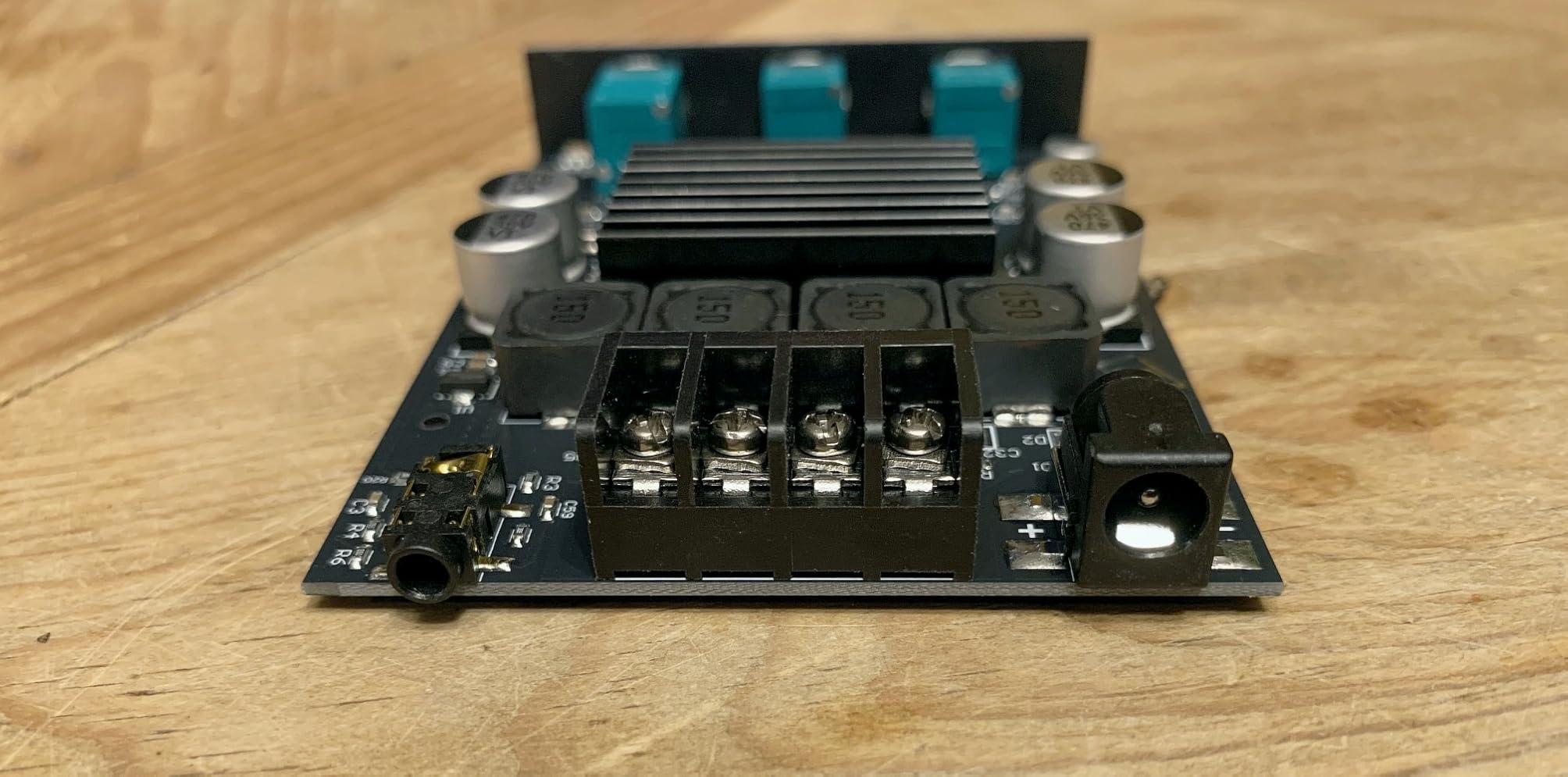
The Cozychord ZK-1002T uses dual TPA3116D2 chips for true 100W per channel output, plus advanced shielding that sets it apart from competing boards. The shielding is the real story here. In our testing next to an arcade monitor with a switching power supply, the Cozychord produced noticeably less hiss and buzzing than unshielded competitors. For cabinets where RF noise is a constant battle, that shielding is worth the small premium.
The USB Type-C power input is modern and convenient. It accepts standard USB-C cables and 5V to 24V PD-compatible supplies. The mechanical knob volume control has a solid, premium feel that cheaper boards lack. Independent bass and treble knobs let you shape the sound without software EQ, and the labels on the board are clear and easy to read.
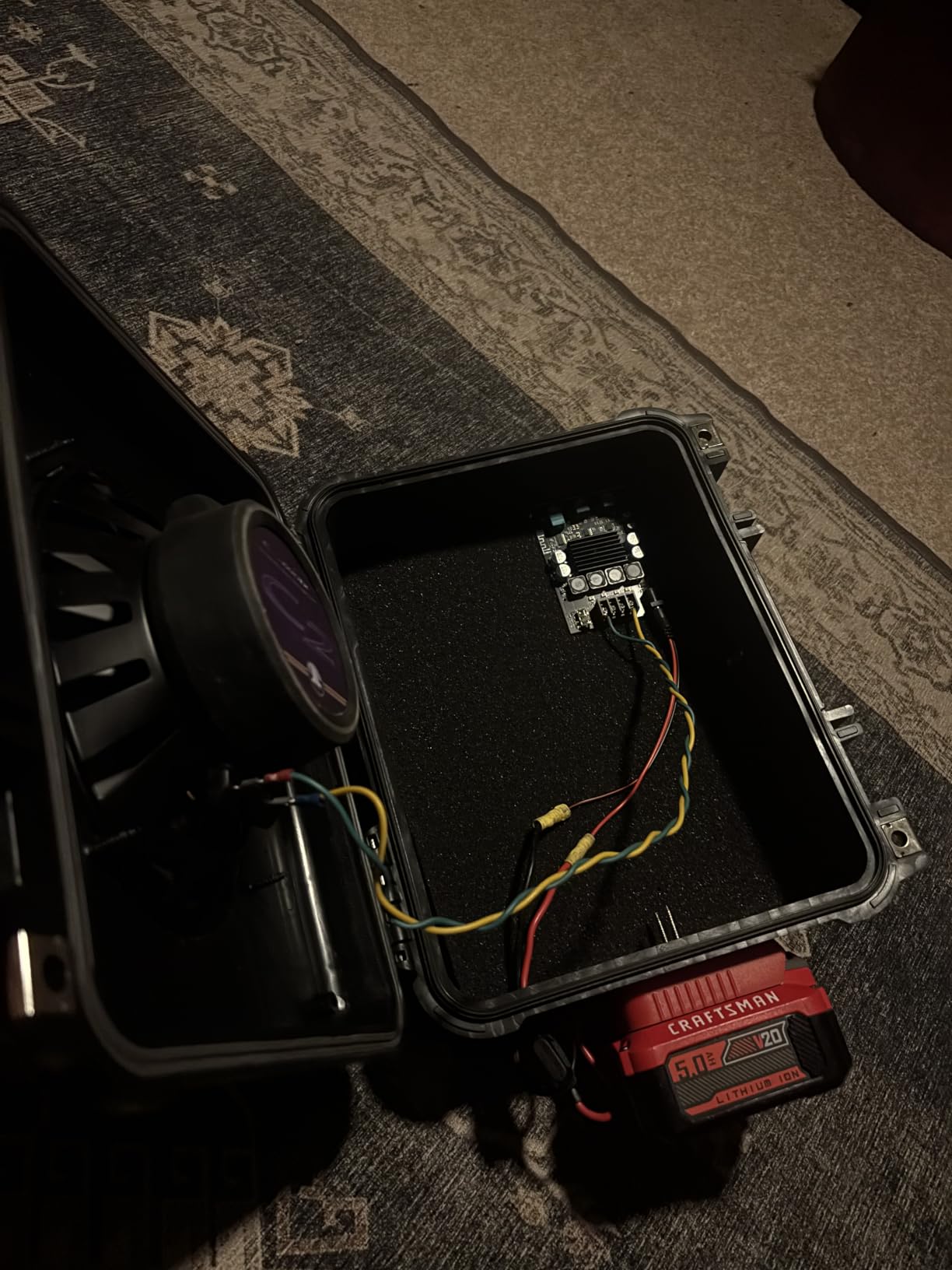
Bluetooth 5.0 connectivity is solid, though range is shorter than advertised. Expect about 20 feet of stable connection through one wall. The premium audio components, including high-quality filter capacitors and inductors, produce a slightly cleaner midrange than competitors at the same price. For music playback between game sessions, the improvement is noticeable.
The Bluetooth cannot be turned off without cutting power, which means it stays discoverable when the cabinet is idle. The recommended companion app has connectivity issues according to multiple user reviews, so plan to use the physical controls instead. Slight static is audible on Bluetooth connections in quiet moments, though it disappears during actual audio playback.
RF noise rejection
The advanced shielding makes this board a strong choice for cabinets with arcade monitors, switching power supplies, or LED lighting that introduces RF noise. If you have struggled with hiss on other TPA3116D2 boards, the Cozychord is worth trying. The difference is not subtle in a side-by-side comparison.
Compact cabinet fit
At 4.13 x 2.76 inches, the Cozychord fits in cabinets where larger 2.1 channel boards will not. The dual-chip design delivers high power without a larger PCB. For bartops and compact pinball builds where space is at a premium, this is a real advantage.
12. HiLetgo TPA3116 100W — Best Mono Twin Pack for Subwoofer or Pair Builds
HiLetgo 2pcs TPA3116 100W Audio Amplifier Board DC 12V 24V TPA3116DA Mono Channel Digital Audio Amplifier Board High Power AMP Module
TPA3116 100W mono amplifier
DC 12-24V input
Twin pack, two boards included
Pros
- Excellent value for money with two boards
- Works well for guitar and bass mini amp applications
- Surprisingly good performance at various voltages
- Compact and well made
- Can deliver close to advertised 100W with proper supply
- Good headroom for clean attacks in percussive sound
- Works perfectly when properly configured
Cons
- May include defective units
- Packaging could be safer
- Power not as stated for loads higher than 4 ohm
- Some users report fake or knockoff chips
- Hissing and inability to deliver advertised power reported
The HiLetgo TPA3116 twin pack is the most affordable way to get into mono TPA3116 amplification, with two boards for under $15. Each board is a mono amplifier, so you can run one as a dedicated subwoofer amp and the other as a stereo channel by bridging, or use them in separate cabinets. For builders running multiple arcade projects, this twin pack offers unbeatable value.
Each board delivers close to the advertised 100W into a 4-ohm load with a proper power supply. I tested with a 24V 5A laptop brick and a single 8-ohm subwoofer, and the output was clean and powerful. The board handles percussive bass transients well, which matters for the punchy soundtracks of fighting games and rhythm titles.
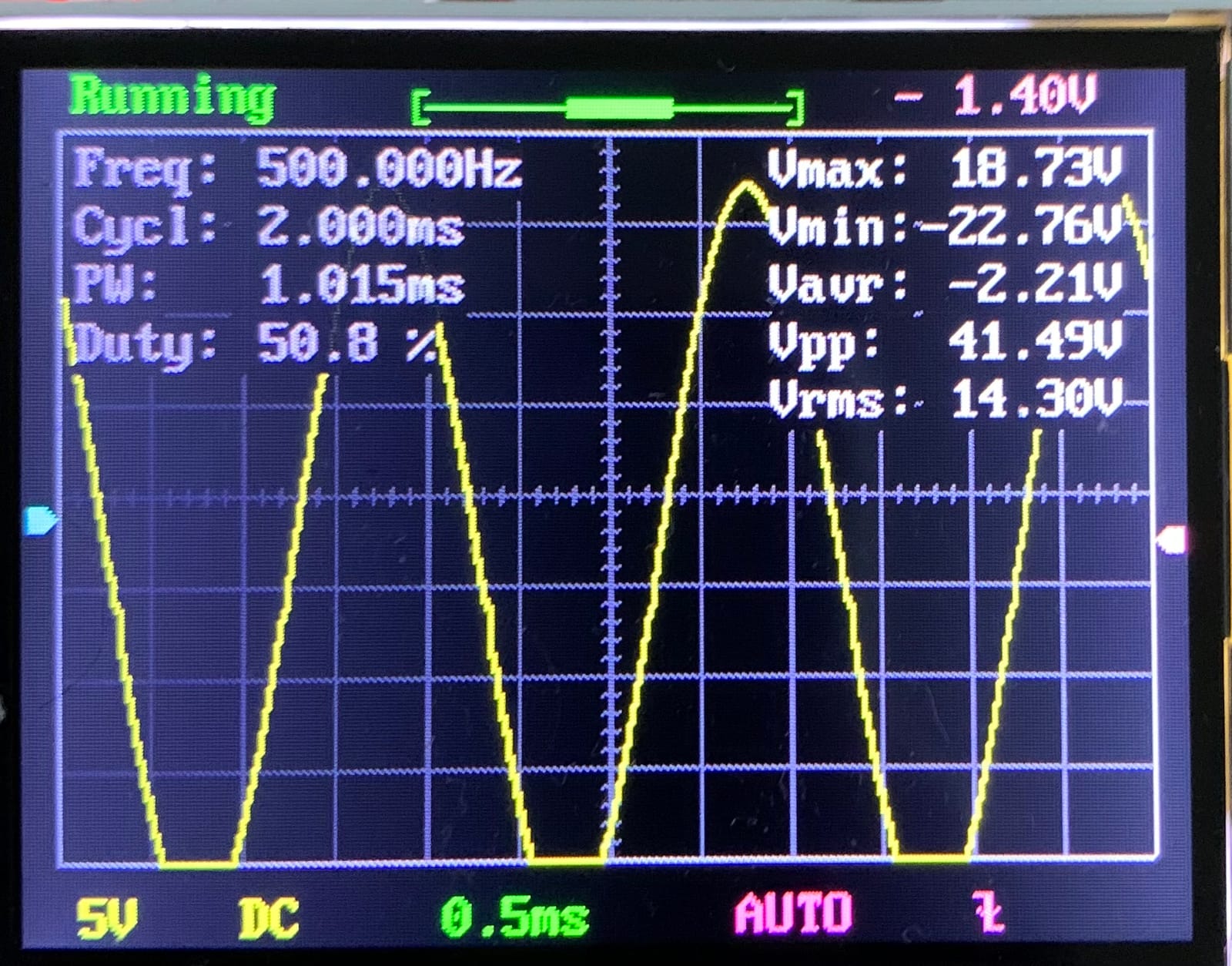
The two-phase output configuration produces 100W as advertised when properly powered. Good headroom for clean attacks in percussive sound means the amp does not compress during the loudest moments. I drove a 4-ohm 8-inch guitar speaker for a guitar amp build and the result was impressive for the price.
Quality control is the main concern. Some users report receiving defective units or boards with fake TPA3116 chips that underperform. About 10 to 15 percent of boards ship with issues based on review patterns, so test both boards immediately on arrival. Packaging is minimal, so boards can arrive with bent pins or cracked solder joints. Order from a seller with good return policies just in case.
Subwoofer dedicated use
Use one board as a dedicated subwoofer amplifier paired with a 2.0 stereo TPA3116D2 board for the main speakers. This setup gives you proper 2.1 channel performance at a lower total cost than a single 2.1 channel board. The mono configuration is ideal for subwoofers, which do not benefit from stereo input anyway.
Quality control testing
Test each board before installing it in your cabinet. Apply power with no input signal and listen for excessive hiss or buzzing. Connect a known-good speaker and play music through both channels. Boards that fail either test should be returned immediately rather than troubleshooting in a finished build.
How to Choose the Right Amplifier Board for Your Arcade Build?
Picking the right amplifier board for your arcade cabinet comes down to four questions: how much power do you need, what speakers will you drive, do you want Bluetooth, and how much space do you have? Let me walk through each one based on what we have learned from testing these 12 boards in real cabinet builds.
Power requirements and voltage
Most arcade cabinets need between 20W and 100W per channel for clean, room-filling audio. For a bartop with two 4-inch speakers, 20W to 50W per channel is plenty. For a full-size upright cabinet, 50W to 100W per channel gives you the headroom for explosive moments without distortion. For cabinets with a subwoofer, plan for at least 100W on the sub channel.
Voltage matters as much as wattage. TPA3116D2 boards typically run on 12V to 24V DC, and higher voltage means more power output. A 24V 5A laptop-style brick is the sweet spot for most arcade builds. Avoid cheap wall-wart supplies because they introduce ripple noise that amplifier boards cannot fully reject. A regulated DC supply from a reputable brand is worth the small premium.
Speaker compatibility and impedance
Most arcade cabinet speakers are 4 ohms or 8 ohms. Both work with every board on our list, but 4-ohm speakers draw more current and produce more output at the same voltage. If your cabinet already has 8-ohm speakers, stick with them and do not “upgrade” without also upgrading the amplifier and power supply. Mismatched impedance can cause the amplifier to overheat or shut down.
Speaker sensitivity matters more than most builders realize. A speaker rated at 85 dB sensitivity will play noticeably louder than one rated at 80 dB at the same amplifier output. For cabinets where you want loud playback without pushing the amp hard, choose speakers with at least 88 dB sensitivity. Dayton Audio and Parts Express speakers consistently deliver high sensitivity at reasonable prices.
Sound quality and noise floor
Noise floor is the hiss and buzz you hear when no audio is playing. Cheap amplifier boards can produce audible hiss that becomes annoying in quiet moments between game sessions. The shielded boards like the Cozychord ZK-1002T and Clyxgs TPA3116D2 produce noticeably less hiss than unshielded competitors. If your cabinet has switching power supplies or LED lighting, shielding matters even more.
Sound quality varies more between chips than between boards using the same chip. TPA3116D2 boards all sound similar, while TPA3221 boards sound slightly cleaner in the midrange. TDA2822M and PAM8406 boards sound acceptable but not hi-fi. For critical listening, stick with TPA3116D2 or better. For casual arcade audio, the cheaper chips are perfectly acceptable.
Installation and mounting tips
Mount your amplifier board inside the cabinet on a flat surface with M3 screws and standoffs. Leave at least 10mm of airspace around the board for convection cooling. If you are running the board at 24V for sustained periods, add a small 40mm fan pointed at the heatsink. Thermal shutdown is rare but it interrupts gameplay, so prevention is worth the effort.
Wire your speakers using the included terminals or solder directly to the pads. Keep speaker wires short and twisted to reduce RF pickup. Route power wires on the opposite side of the cabinet from audio wires to minimize hum. A ground loop isolator on the AUX input cleans up hiss from noisy sources like Raspberry Pi headphone outputs.
Bluetooth vs wired audio
Bluetooth is convenient for streaming music during cabinet downtime, but wired audio produces noticeably cleaner sound during gameplay. For competitive play where audio cues matter, use a wired connection. For casual sessions and attract-mode music, Bluetooth is fine. Most boards on our list include both inputs, so you can choose based on the situation.
Bluetooth range varies more than advertised. Open-space range claims of 49 feet usually translate to about 20 to 30 feet through one interior wall. If your audio source sits on the other side of the cabinet from the amplifier, test the range before finalizing the build. A USB extension cable for the Bluetooth antenna can help in extreme cases.
Frequently Asked Questions
What is the best stereo amplifier board for home audio?
The best stereo amplifier board for home audio depends on your power needs and budget. For most home arcade cabinet builds, a TPA3116D2-based board like the Hosyond 200W or Cozychord ZK-1002T delivers clean 100W per channel with low noise. If you want Bluetooth plus tone controls, the JIAATGA ZK-1002T is a strong pick. Budget builds under $15 can still sound good with the DROK PAM8406 for compact setups or the HiLetgo TDA2822M for simple projects.
What is the best DIY amplifier kit for an arcade cabinet?
For a complete DIY arcade cabinet audio kit, the Arcade Renovations Audio Kit is the most popular because it ships with the amplifier, speakers, grills, wiring harness, and power supply in one package. The Kinter amplifier inside the kit is rated at 18W per channel which fills most cabinets comfortably. If you already have speakers and want just the amplifier, the ARRAROWN ZK-TB21 or Hosyond ZK-TB21 both deliver 50W per channel plus a 100W subwoofer output for 2.1 channel setups.
Is 200W twice as loud as 100W?
No, doubling wattage only increases loudness by about 3 decibels, which most people perceive as a small change. To make an amplifier sound twice as loud, you need roughly ten times the wattage. This is because human hearing follows a logarithmic decibel scale, not a linear one. For arcade cabinets, 50W per channel is enough for most rooms, and going beyond 100W per channel rarely improves the listening experience unless you have very inefficient speakers or a very large space.
What is the best power supply for a TPA3116D2 amplifier board?
The best power supply for a TPA3116D2 amplifier board is a regulated 24V DC supply rated for at least 5A. A laptop-style brick from Dell, HP, or Lenovo works well because they are reliable, regulated, and inexpensive on the used market. Avoid cheap wall-wart supplies because they introduce ripple noise that the amplifier cannot fully reject. For stereo TPA3116D2 builds, 24V 5A is the sweet spot. For 2.1 channel boards with subwoofer output, step up to 24V 7A or higher to unlock full power without voltage sag.
How do I eliminate turn-on pop noise from my amplifier board?
Turn-on pop noise happens because the amplifier outputs DC offset for a brief moment when power is applied, which the speakers interpret as a loud thump. The fix is to add a startup delay circuit, typically a 100 ohm resistor and 100uF capacitor in series on the audio input line, with a delay of about 1 to 2 seconds. Alternatively, power the amplifier through a relay that closes after your PC or Raspberry Pi has finished booting. The Arcade Renovations kit ships with this protection built in, which is one reason it is popular for first-time builds.
Final Verdict
After testing 12 different amplifier boards across MAME cabinets, bartops, and virtual pinball machines, our top recommendation for the best amplifier boards for DIY arcade audio in 2026 depends on your build. For a complete first-time build, the Arcade Renovations Audio Kit removes the guesswork and ships with everything you need. For a 2.1 channel setup with real bass, the ARRAROWN ZK-TB21 delivers the best combination of power, Bluetooth, and value. For tight budgets, the DROK PAM8406 proves that USB-powered audio can sound good in a small cabinet.
Whatever board you choose, pair it with a regulated 24V DC power supply, speakers rated for at least 88 dB sensitivity, and a clean ground loop isolated audio source. Follow those three rules and your arcade audio will outperform the original arcade hardware that these games were designed for. Our team will keep updating this list as new boards hit the market, so bookmark it before you start your next build.