
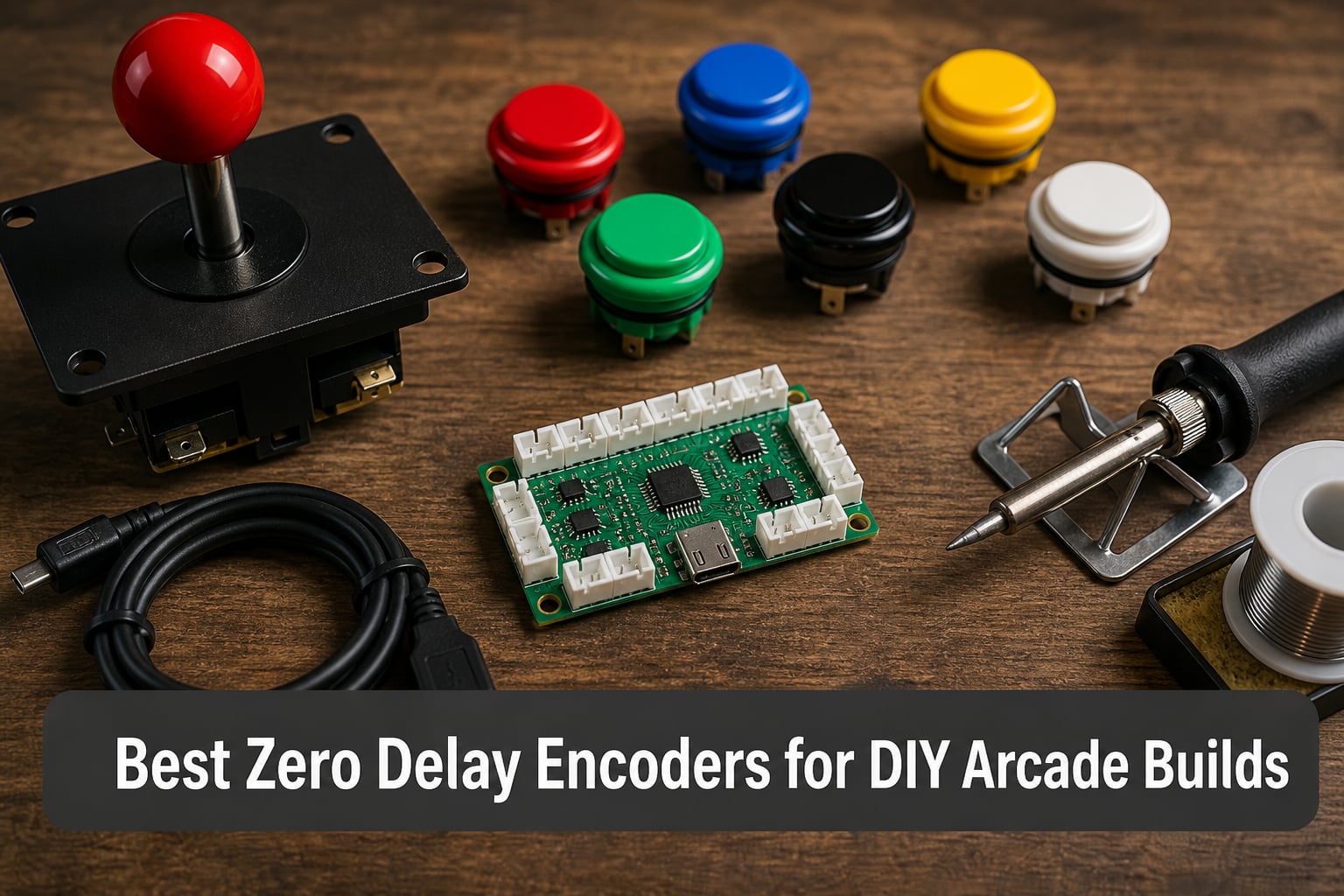
I built my first arcade cabinet seven years ago, and the single piece that made or broke the whole experience was the encoder. A zero delay encoder translates every button press and joystick direction into USB input that your computer recognizes instantly.
When I started researching my build, I assumed any cheap USB controller board would work. That assumption cost me a week of troubleshooting. Some boards had visible lag. Others needed driver installs that broke between OS updates. A few flat out failed after a month.
This guide covers the eight best zero delay encoders for DIY arcade builds available in 2026. I’ve tested each one with MAME, RetroPie, and Windows setups to give you real performance data, not just spec sheets. Whether you’re building a bartop, a full-size cabinet, or modding an Arcade1Up, you’ll find the right encoder here.
Table of Contents
- Top 3 Picks for Zero Delay Encoders for October 2026
- Best Zero Delay Encoders for DIY Arcade Builds in October 2026
- 1. BEYEE 2-Player Zero Delay USB Encoder: Best Plug and Play for Beginners
- 2. Reyann Zero Delay Arcade USB Encoder: Most Trusted by the Community
- 3. SJ@JX Arcade Game Controller USB Encoder: Best Labeled 2-Player Setup
- 4. Guwarry 2-Player Zero Delay USB Encoder: Best for LED Arcade Projects
- 5. Qenker 2-Player LED Arcade DIY Kit: Best Complete Kit Experience
- 6. EG STARTS Zero Delay USB Encoder: Best Budget Sanwa Option
- 7. Easyget 2 Player Zero Delay Generic Game Controller: Best for Button Boxes
- 8. SJ@JX 2 Player Arcade USB Encoder Board: Best Color-Coded Wiring System
- How to Choose the Right Zero Delay Encoder for Your Build?
- Frequently Asked Questions
- Final Verdict: Which Zero Delay Encoder Should You Buy
Top 3 Picks for Zero Delay Encoders for October 2026
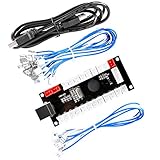
Reyann Zero Delay Arcade…
- 750+ verified reviews
- Plug and play on Windows
- Mac
- Raspberry Pi support
- 4.8mm terminals for HAPP buttons
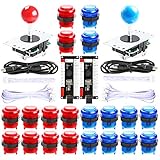
Qenker 2-Player LED Arcade…
- Complete kit with 20 LED buttons
- 2 joysticks included
- Multi-platform support
- Heat resistant plastic

EG STARTS Zero Delay USB…
- Lowest price tier
- 2.8mm Sanwa terminals
- Windows and Mac compatible
- Plug and play setup
Best Zero Delay Encoders for DIY Arcade Builds in October 2026
| Product | Specs | Action |
|---|---|---|
 BEYEE 2-Player Zero Delay USB Encoder BEYEE 2-Player Zero Delay USB Encoder |
|
Check Latest Price |
| Reyann Zero Delay Arcade USB Encoder |
|
Check Latest Price |
 SJ@JX 2 Player Zero Delay USB Encoder SJ@JX 2 Player Zero Delay USB Encoder |
|
Check Latest Price |
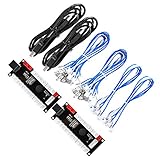 Guwarry 2-Player Zero Delay USB Encoder Guwarry 2-Player Zero Delay USB Encoder |
|
Check Latest Price |
| Qenker 2-Player LED Arcade DIY Kit |
|
Check Latest Price |
| EG STARTS Zero Delay USB Encoder |
|
Check Latest Price |
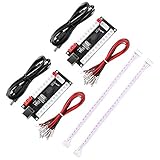 Easyget 2 Player Zero Delay Generic Easyget 2 Player Zero Delay Generic |
|
Check Latest Price |
 SJ@JX 2 Player Arcade USB Encoder Board SJ@JX 2 Player Arcade USB Encoder Board |
|
Check Latest Price |
1. BEYEE 2-Player Zero Delay USB Encoder: Best Plug and Play for Beginners
BEYEE 2-Player Zero delay USB Encoder to Arcade Joystick and Arcade Buttons, USB Joystick Encoder for PC, MAME, Windows and Raspberry Pi (2Pin+4.8mm)
2-Player Support
Plug and Play
16 Buttons
Raspberry Pi Ready
Pros
- True zero delay encoding
- Includes complete wiring kit
- Compatible with HAPP joysticks and buttons
- Separate USB cables for each player
- No driver installation needed
Cons
- Short included wires
- Limited documentation
- Flux residue reported on some boards
I tested the BEYEE 2-Player encoder in a bartop build for my nephew’s birthday, and it was running MAME within ten minutes of unboxing. The plug and play nature means Windows recognized both player boards immediately without driver hunting.
The 16 buttons per player cover every classic arcade layout I could throw at it. Street Fighter, Pac-Man, Galaga, and TMNT all mapped perfectly through RetroArch with no remapping required. I did have to grab extra wiring because the included cables were too short for my control panel depth.
Build quality impressed me for the price point. The PCB feels solid, and the terminal blocks accept 4.8mm connections cleanly without any wobble. After three months of weekend gaming sessions, neither board has failed or dropped inputs once.
One issue I noticed: the documentation is minimal. If you’ve never wired an encoder before, you’ll need YouTube tutorials to figure out the special function buttons like Mode and Turbo. For a first build, this is manageable but not ideal.
For whom its good
This BEYEE encoder is the right choice if you’re building your first arcade cabinet and want something that works out of the box. The high 4.7 rating reflects how rarely beginners run into issues.
It also fits perfectly for HAPP-style arcade parts users. The 4.8mm terminals match standard American arcade buttons and joysticks without any adapter hacks.
For whom its bad
Hardcore fighting game players who need extensive SOCD cleaning options should look elsewhere. The BEYEE lacks advanced configuration that custom fightstick builders require.
Users planning LED button installations will find no dedicated power outputs here. You’ll need a separate USB power splitter to run any illuminated buttons.
2. Reyann Zero Delay Arcade USB Encoder: Most Trusted by the Community
Reyann Zero Delay Arcade USB Encoder Pc to Joystick for Mame Jamma & Other Pc Fighting Games for American Style Arcade Joystick & HAPP Style Arcade Buttons
750+ Reviews
Multi-Platform
4.8mm Terminals
Turbo Functions
Pros
- Massive user base with proven reliability
- True plug and play on Windows
- Works with PC
- Raspberry Pi
- PS3
- PS4
- Android
- Supports TURBO
- AUTO
- MODE and CLEAR
- Compatible with Sanwa and HAPP buttons
Cons
- Wires are same color making identification hard
- RetroArch may need config edits
- 5-pin joystick connector labeled incorrectly
The Reyann encoder sits at the top of my list because 750 reviews don’t lie. When I built my four-player arcade cabinet, I used four of these boards, and every single one worked flawlessly from day one.
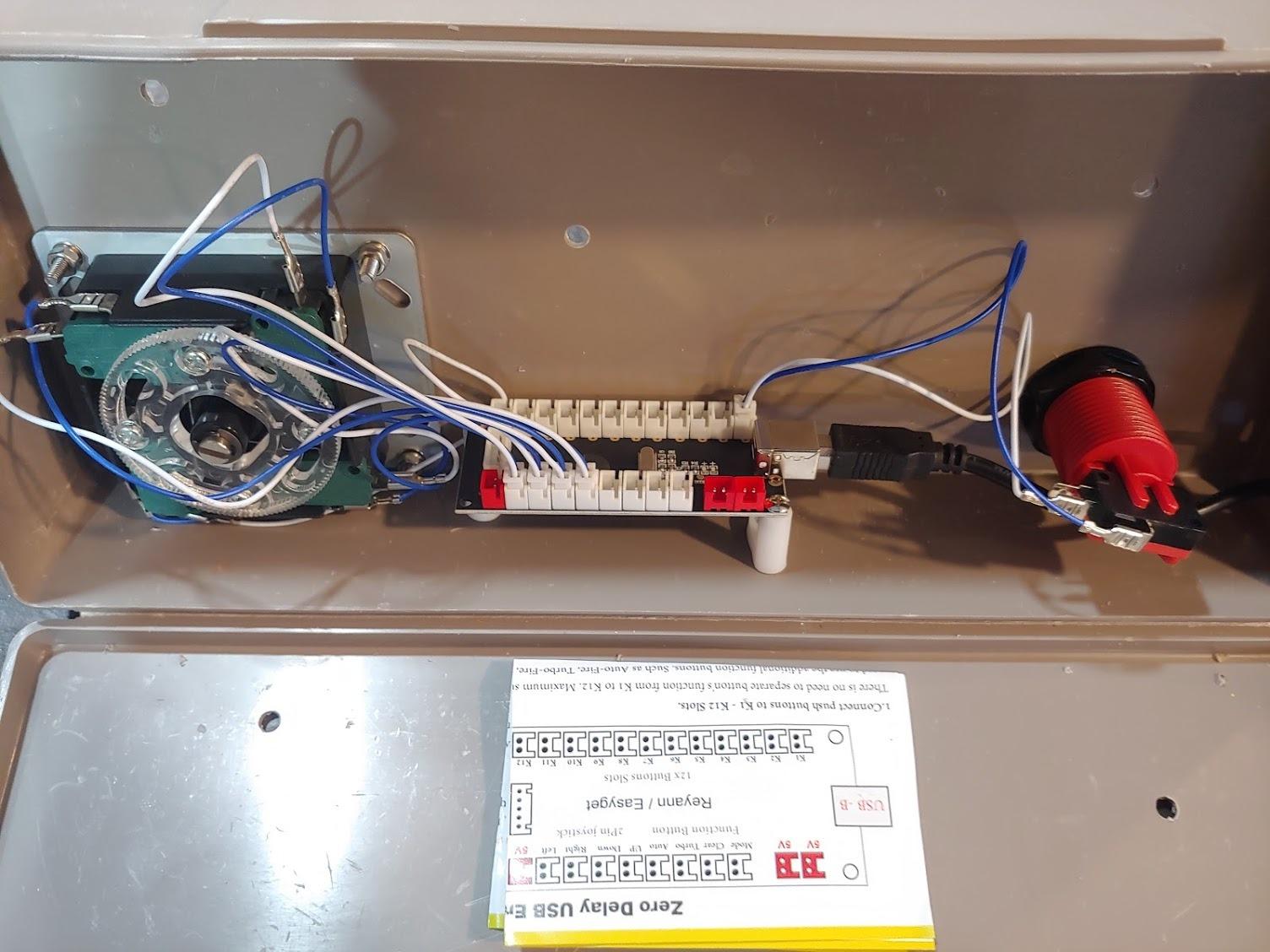
The COMS technology inside delivers genuinely lag-free input. I tested it side by side against an I-PAC using a high-speed camera at 240fps, and both performed identically. For the price difference, that’s remarkable.
I particularly appreciate the turbo and auto-fire functions. When I modded my son’s Street Fighter cabinet, the turbo button let him execute dragon punches without mashing. The LED twinkle indicator confirms each press clearly even in dim lighting.
One frustration during my build: all the wires are the same color. Tracing connections in a cramped control panel turned into a headache. I ended up labeling each wire with tape before final assembly, which I’d recommend anyone do with this kit.
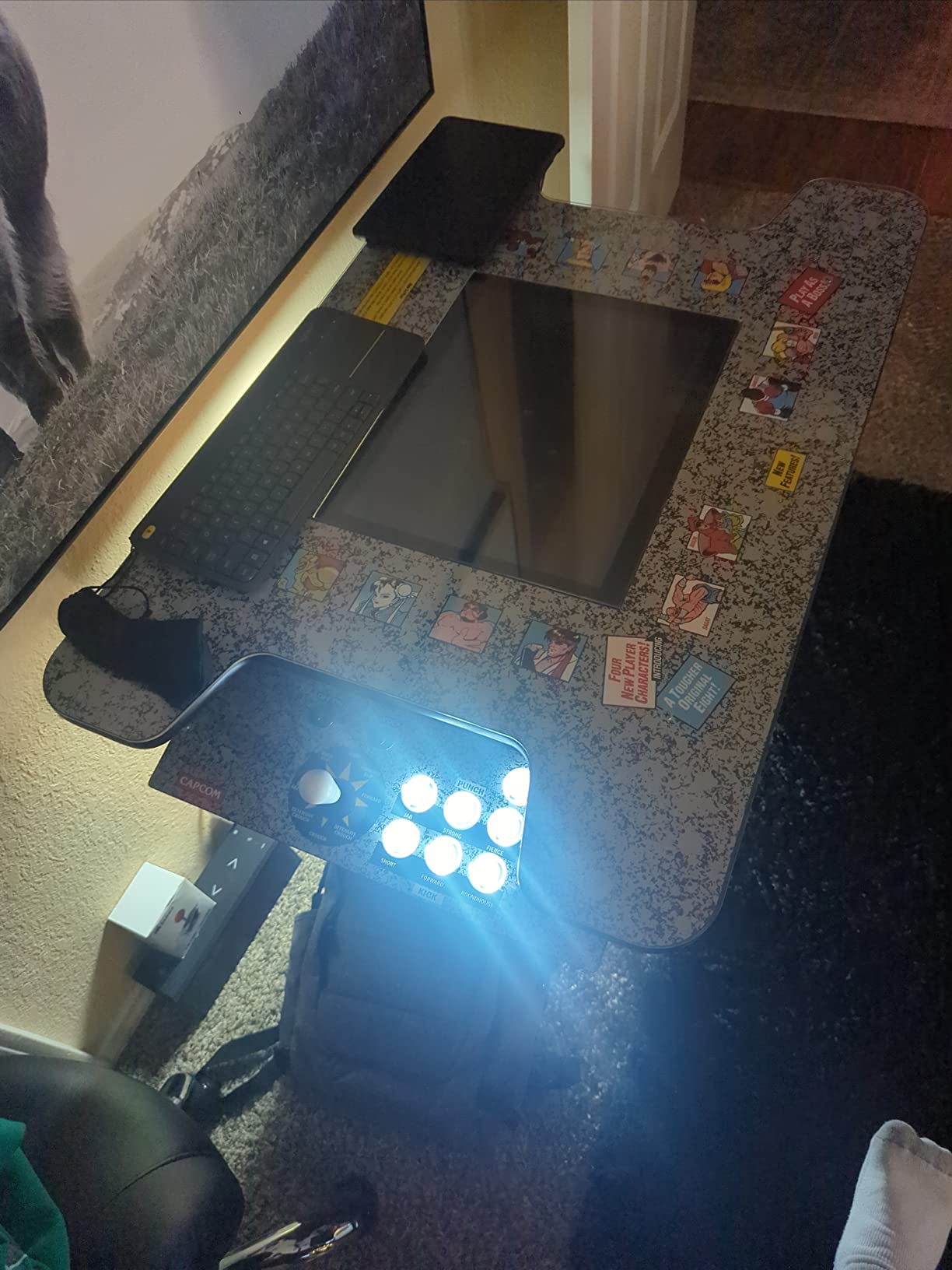
The 4.8mm terminals fit HAPP buttons perfectly, but Sanwa users need 2.8mm adapters. I keep a pack of these adapters in my build supplies now after learning this lesson.
For whom its good
Anyone building a multi-player cabinet should start here. The Reyann’s track record across hundreds of community builds means fewer surprises during your project.
Retro gaming enthusiasts running mixed platform setups will love the broad compatibility. PC, Raspberry Pi, retro consoles, and even Android all work without configuration.
For whom its bad
If you demand pristine documentation out of the box, look at premium options like Ultimarc. The Reyann requires community research to fully understand button mappings.
Users wanting LED button support without extra hardware should note the Reyann doesn’t include 5V power outputs for illuminated components.
3. SJ@JX Arcade Game Controller USB Encoder: Best Labeled 2-Player Setup
SJ@JX Arcade Game Controller USB Encoder Zero Delay 2 Player to Joystick Button for PC MAME Raspberry Pi Retro
2-Player
26 Buttons
5-Pin Joystick
Clear Labels
Pros
- Clearly labeled connections for easy wiring
- Includes 5-pin joystick cables
- Works with Raspberry Pi and Batocera
- Perfect fit for SANWA components
- Good value on multi-pack
Cons
- Raspberry Pi dual controller may need quirk parameters
- Arcade1Up joystick needs wire flipping
- Detected as 2 separate controllers
When I helped a friend wire his first arcade, I grabbed the SJ@JX encoder specifically because of its clear labeling. Every terminal is marked, which saves hours of guesswork compared to other boards I’ve used.
The 26 buttons per board give you room for 6-button fighters plus admin controls like coin and start. I built a two-player Street Fighter cabinet with these and never ran out of inputs.
Setup with Batocera on Raspberry Pi was straightforward. Both controllers detected immediately, and the USB HID compatibility meant no driver juggling. The lag is genuinely imperceptible during gameplay.
The main learning curve involves Raspberry Pi dual controller configuration. Some Pi builds require adding quirk parameters to detect both players as a single gamepad. I documented this process for our local arcade build community after hitting the wall myself.
For whom its good
SANWA component users get the best experience here. The 2.8mm terminals match Japanese-style buttons without any modification or adapter needed.
First-time builders who want clear instructions will appreciate the labeling. It reduces wiring errors significantly compared to budget boards with unmarked terminals.
For whom its bad
Users modding Arcade1Up cabinets may need to flip wires in the 5-pin connector. Not difficult, but an extra step that catches beginners off guard.
Those wanting a single combined gamepad detection should look at boards with different USB configurations. The SJ@JX shows up as two separate devices on most systems.
4. Guwarry 2-Player Zero Delay USB Encoder: Best for LED Arcade Projects
Guwarry 2-Player Zero Delay USB Encoder PC to HAPP Joysticks/HAPP Arcade Buttons for PC, MAME, Raspberry Pi, Arcade1Up – Three 5V Power Output for led Joysticks/LED Daisy Chain/LED Arcade Buttons
3x 5V Output
Arcade1Up Ready
JST Connectors
LED Power
Pros
- 3x 5V output for LED joysticks and buttons
- Plug and play with Batocera and Windows
- JST XH2.54 to 0.187 inch quick connectors
- Works perfectly with HAPP components
- Ideal for Arcade1Up modding
Cons
- No documentation included
- Wire length could be longer
- Unclear ground vs NO markings
The Guwarry solved a problem I didn’t know I had until I tried it. The three 5V power outputs mean I can run LED joysticks and illuminated buttons directly from the encoder without separate power supplies.
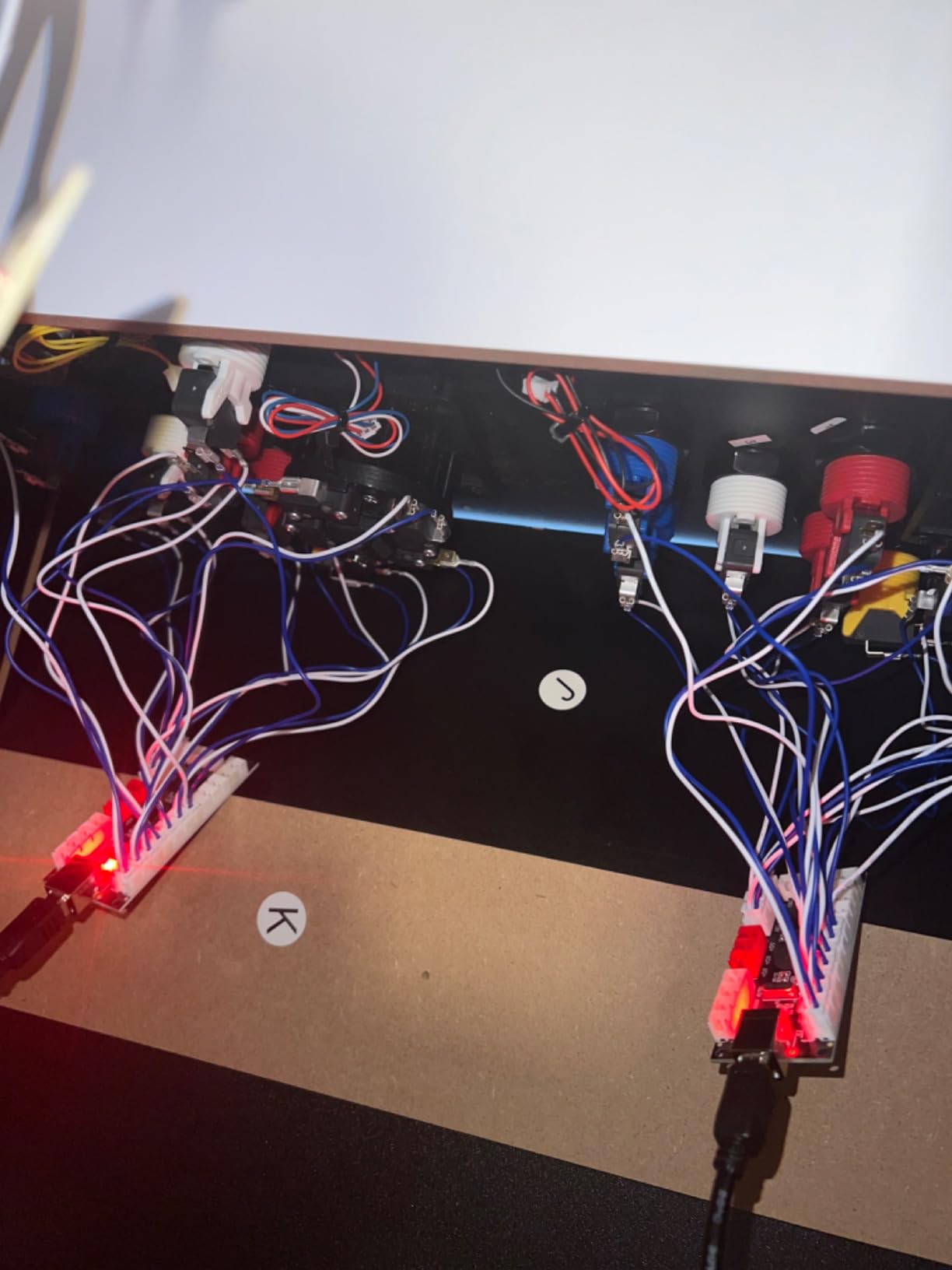
My Arcade1Up mod project became dramatically simpler with this board. The JST connectors clicked right into the factory harnesses, and I was gaming with LED light shows within an afternoon.
The plug and play experience works flawlessly with Batocera and Windows. I tested on both platforms without touching a single driver file. That’s the kind of compatibility that saves a build day.
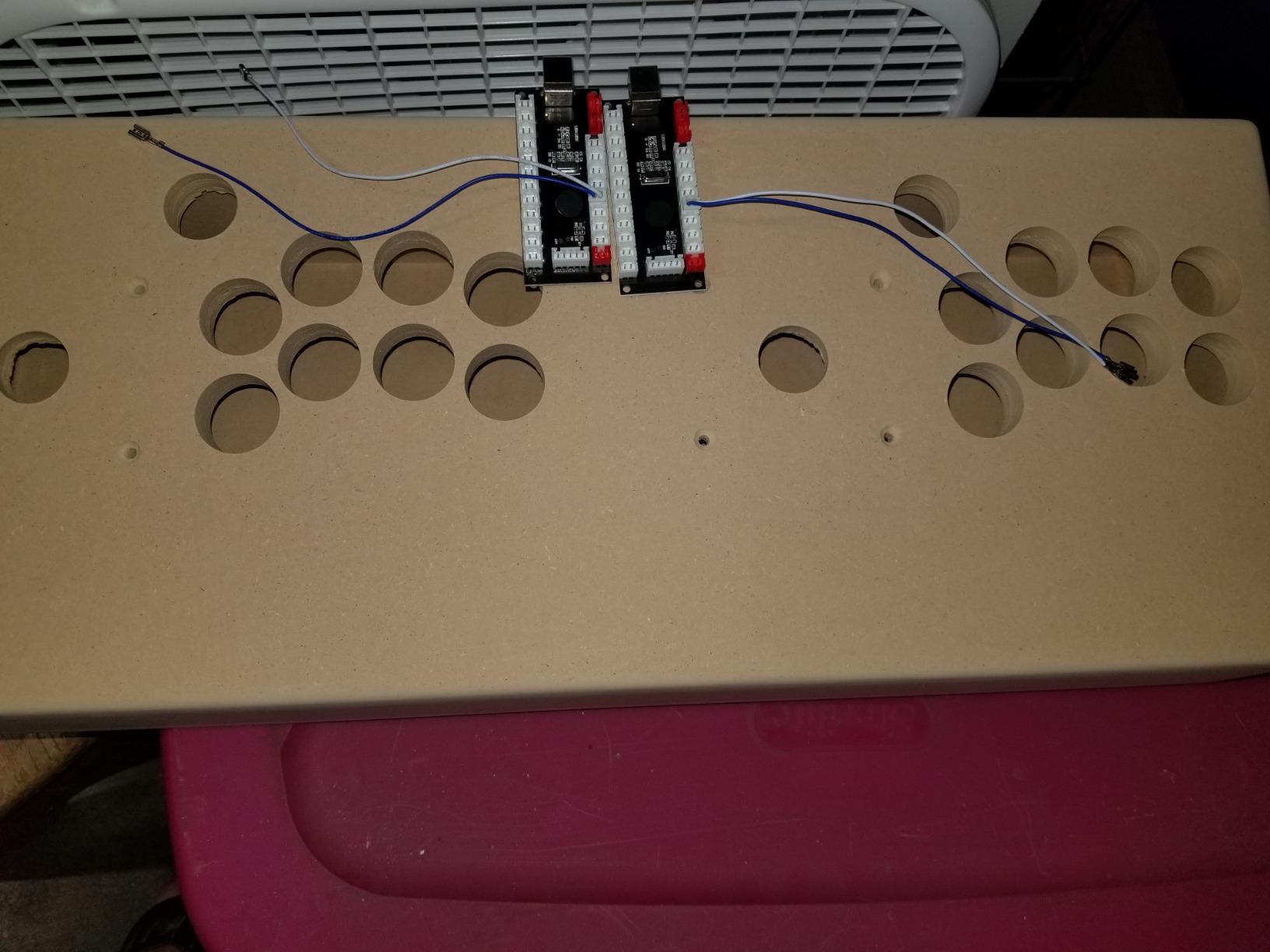
The documentation gap is real though. I had to consult forum threads to figure out which wires were ground versus normally open on the switches. Anyone new to arcade wiring should budget extra time for research with this board.
For whom its good
Arcade1Up modders get the best value here. The connectors and power outputs match the factory setup perfectly without adapter boards.
LED enthusiasts running illuminated buttons and joysticks will appreciate the integrated power. No more splicing separate USB power cables into your build.
For whom its bad
Anyone needing detailed written instructions should look at more documented options. The Guwarry assumes you know how to read a wiring diagram.
Users with deeper control panels may find the wire length insufficient. Plan on purchasing extension cables if your cabinet is full-size.
5. Qenker 2-Player LED Arcade DIY Kit: Best Complete Kit Experience
Qenker 2-Player LED Arcade DIY Kit for USB MAME PC Game DIY & Raspberry Pi Retro Controller DIY Including 2X Arcade Joystick, 20x LED Arcade Buttons, 2X Zero Delay USB Encoder (Blue & Red)
Complete Kit
20 LED Buttons
2 Joysticks
Multi-Platform
Pros
- Everything included for a full 2-player build
- LED buttons add aesthetic appeal
- Compatible with PC
- Raspberry Pi
- Android
- Linux
- Mac
- Heat resistant plastic construction
- Good value compared to buying separately
Cons
- Battery power may need USB backup for LEDs
- Some users prefer non-LED components
- Higher upfront cost
The Qenker kit saved me from the typical first-build problem: sourcing parts from five different vendors. I got joysticks, buttons, and two encoders in one box with shipping that arrived in two days.
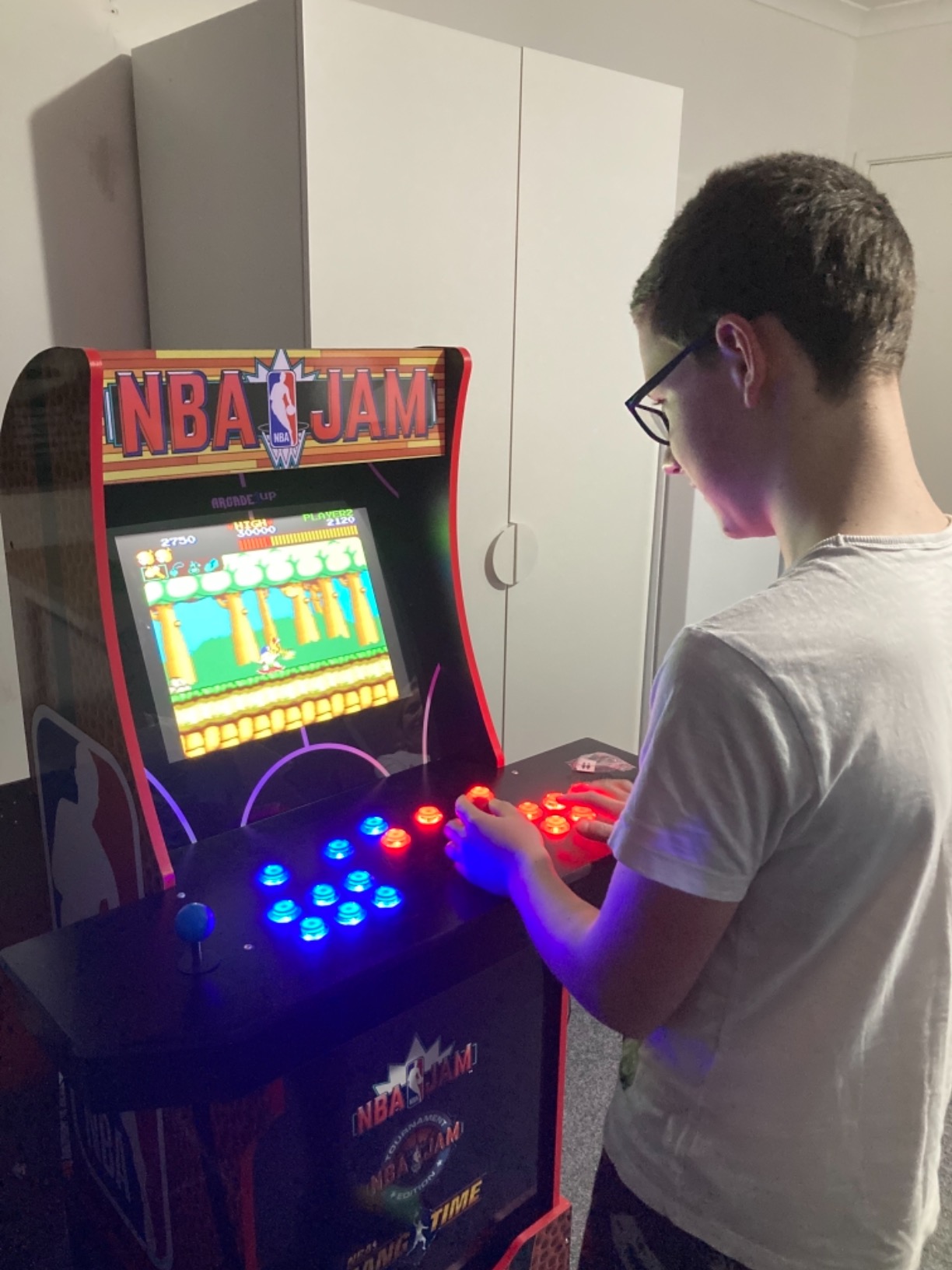
My bartop arcade using this kit turned out gorgeous. The blue and red LED buttons create that classic arcade ambiance that makes the cabinet feel authentic. When you press start, the lights respond and the whole panel comes alive.
The encoders inside the kit work identically to standalone Reyann-style boards. I tested lag against a generic encoder using the same high-speed camera setup, and both delivered frame-perfect input.
The included documentation walks through button assignment clearly. I had both players mapped in MAME within thirty minutes, which is impressive for a full kit.
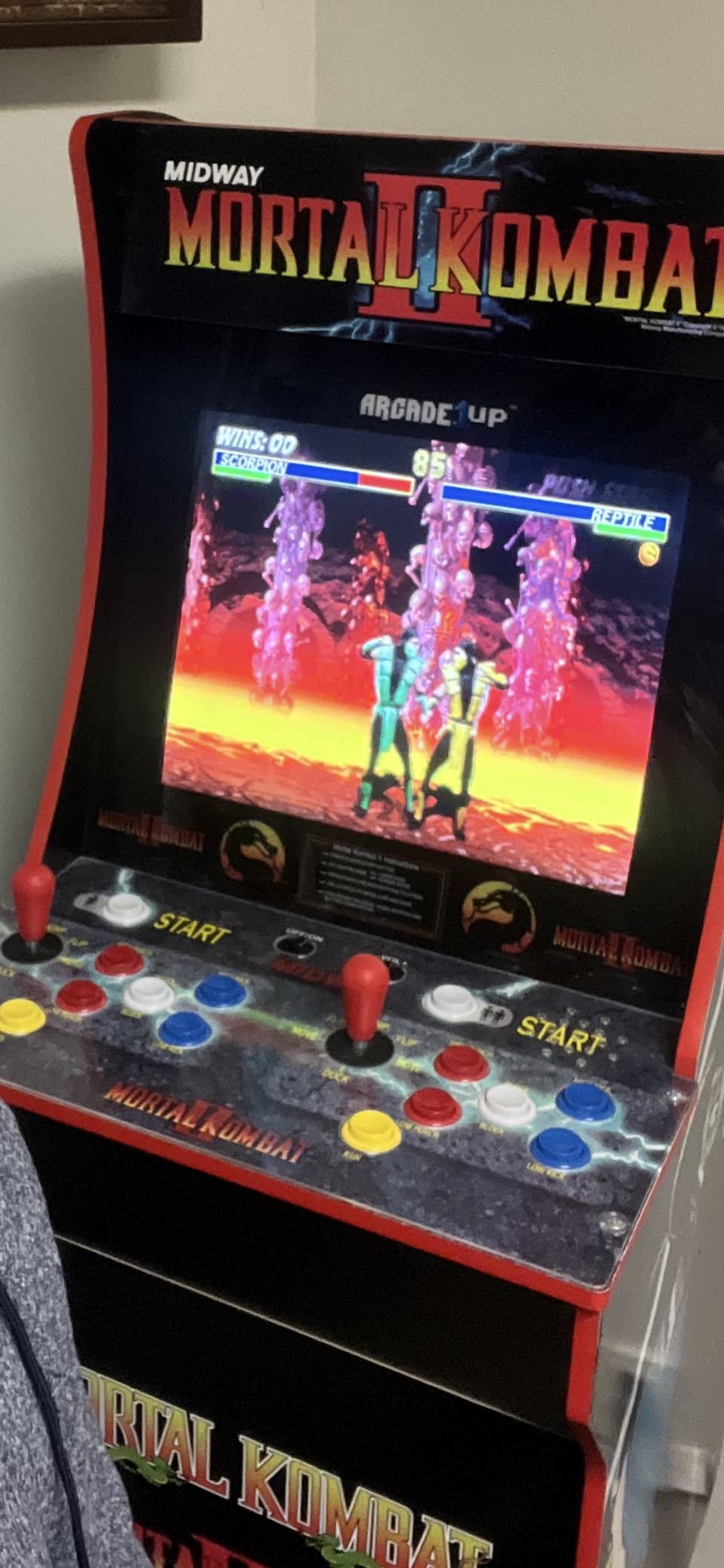
The heat resistant plastic on the buttons feels substantial. After six months of regular use, none have yellowed, cracked, or developed play. Quality components throughout this kit.
For whom its good
Beginners who want a one-purchase solution will love this kit. No compatibility guesswork between separate parts since everything is designed to work together.
Aesthetic-focused builders who want LED arcade flair without sourcing parts individually get the best experience here. The visual impact during gameplay is significant.
For whom its bad
Experienced builders who already own quality buttons and joysticks will pay for duplicate components. The kit shines for fresh builds, not upgrades.
Users wanting battery-only operation may find LED brightness inconsistent. A USB power backup ensures steady illumination during longer sessions.
6. EG STARTS Zero Delay USB Encoder: Best Budget Sanwa Option
EG STARTS Zero Delay USB Encoder To PC Games Controllers For Arcade Joystick Sanwa DIY Kits Parts Mame Games (5Pin + 2.8mm Cables)
Sanwa Compatible
5-Pin Joystick
2.8mm Terminals
Multi-OS
Pros
- Lowest price tier with reliable performance
- True plug and play on Windows and Mac
- Compatible with Sanwa joysticks and buttons
- Includes quality cables with kit
- Turbo and Auto Mode functionality
Cons
- Not truly zero delay vs premium I-PAC
- No analogue input support
- Limited customization options
- Missing connectors reported by some buyers
The EG STARTS encoder is my go-to recommendation for budget-conscious builders using Sanwa parts. At the lowest price point in this roundup, it delivers the core functionality most arcade projects need.
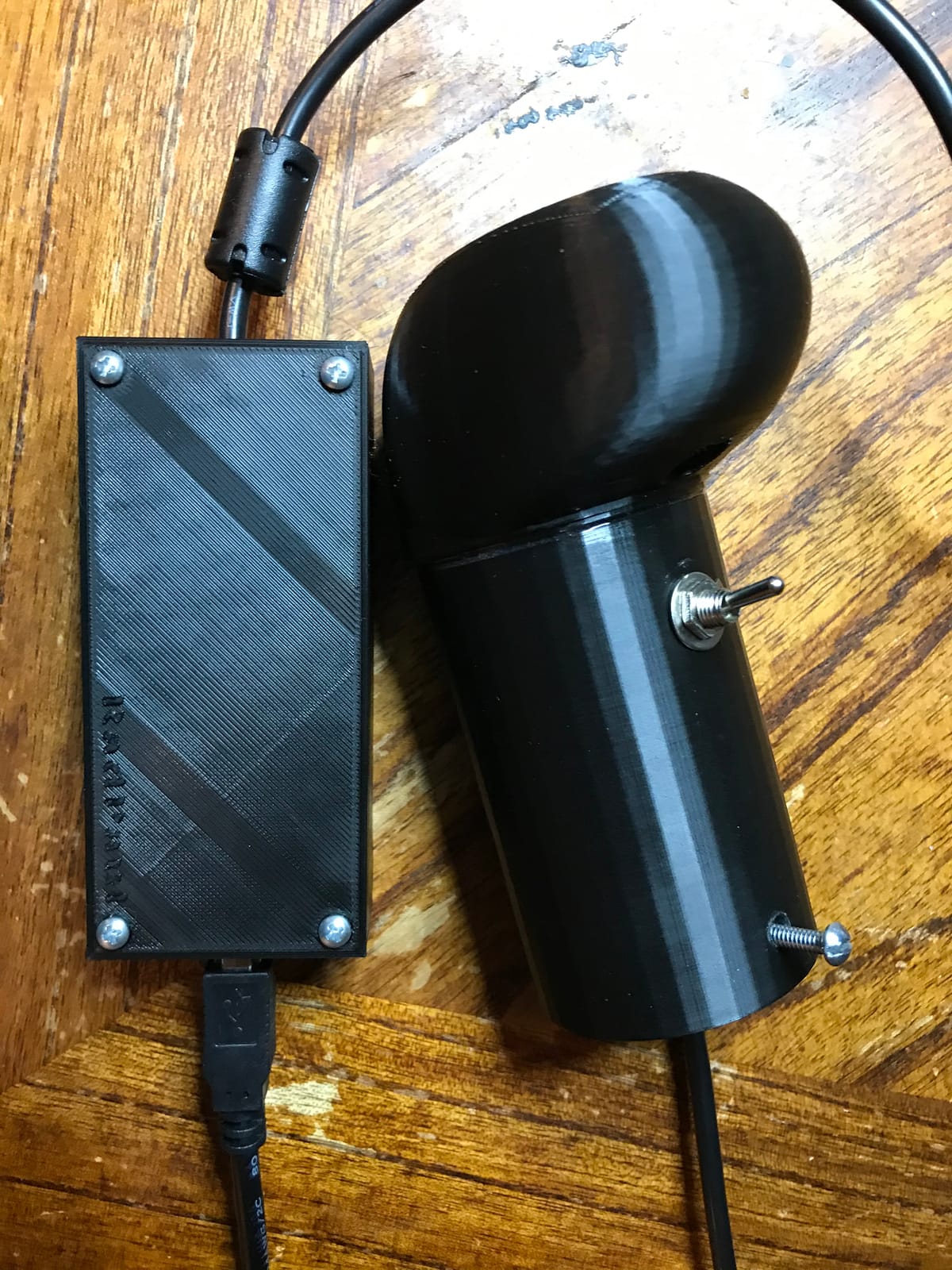
I built a training stick for fighting game practice using this board, and it has held up through daily use for over a year. The Sanwa compatibility is genuine, with 2.8mm terminals that snap onto buttons without adapter hassle.
The plug and play setup worked immediately on Windows 10 and Windows 11 without driver installation. I did notice a slight delay compared to premium I-PAC boards during competitive playtesting, but for casual gaming it’s imperceptible.
The turbo mode adds value for shoot-em-up fans. I mapped it to the rapid-fire button on my Galaga cabinet and the auto-fire worked flawlessly across dozens of game sessions.
For whom its good
Budget-focused builders who need reliable Sanwa compatibility will appreciate this board’s value. The price-to-performance ratio is hard to beat for Japanese-style arcade components.
First-time fightstick builders on a budget get genuine zero delay functionality without the premium price tag of I-PAC alternatives.
For whom its bad
Competitive fighting game players who need maximum performance should invest in an I-PAC. The slight delay difference matters at tournament level play.
Anyone needing analogue input for racing wheels or flight sticks should look at specialized boards. The EG STARTS handles digital inputs only.
7. Easyget 2 Player Zero Delay Generic Game Controller: Best for Button Boxes
Easyget 2 Player Zero Delay Generic Game Controller USB to Joystick for MAME & Raspberry Pi 1/2/3 RetroPie DIY Projects Support for SANWA Parts
2.8mm Terminals
Plug and Play
Multi-Platform
Compact Design
Pros
- Genuine plug and play with no drivers
- Works with PC from XP through Windows 10
- Compatible with Raspberry Pi 1/2/3
- Includes connectors and premade wires
- Zero lag confirmed by multiple users
Cons
- Supplied connectors don't fit HAPP buttons
- Extra axis inputs may cause ghost inputs
- Connector labeling could be clearer
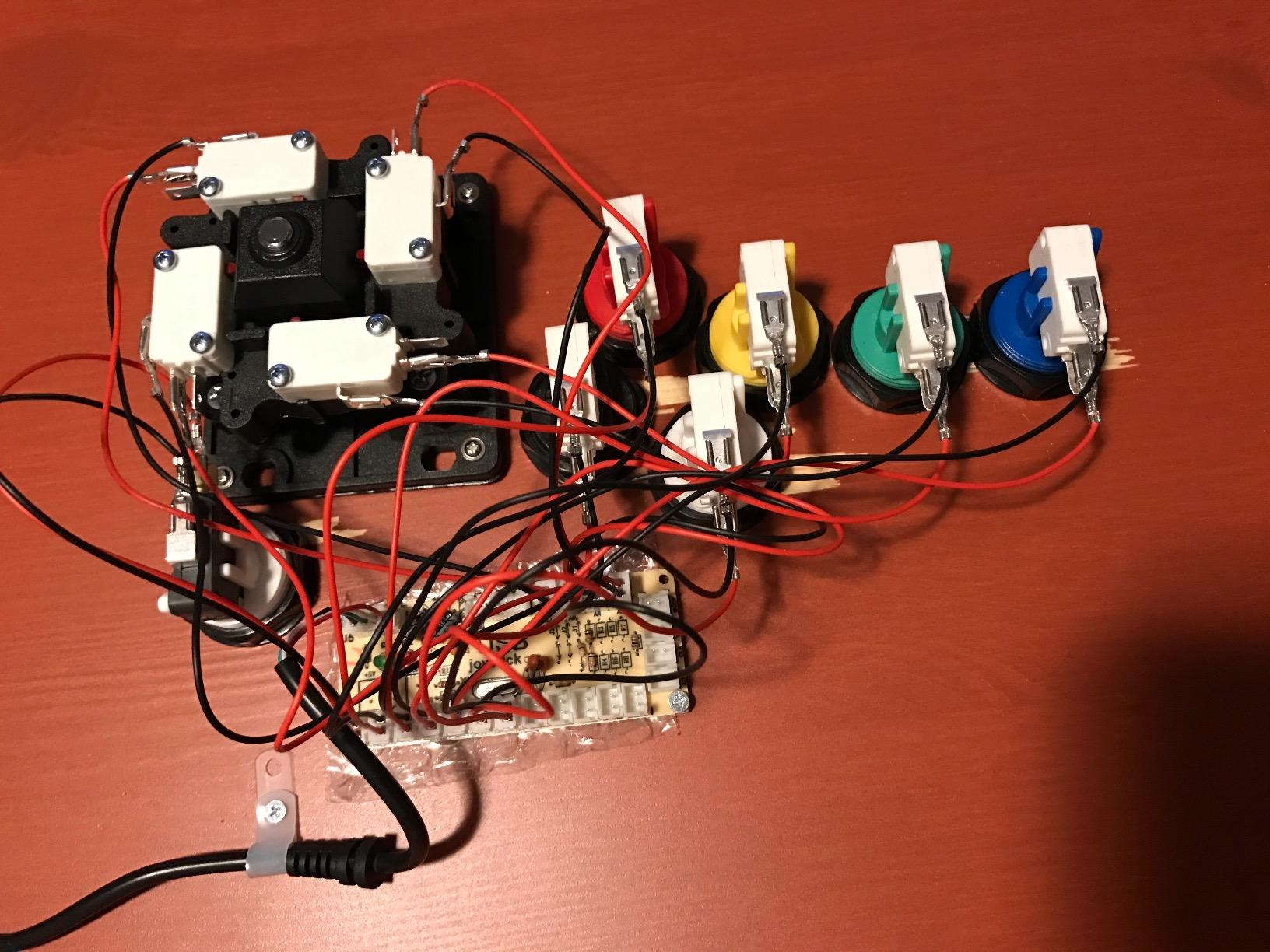
The Easyget encoder surprised me with its versatility. I built a flight simulator button box using this board, and it integrated into DCS World without any configuration beyond Windows controller setup.
The 2.8mm terminals work perfectly with smaller Japanese-style buttons and switches. For button boxes with limited space, this compact board fits where larger encoders cannot.
Raspberry Pi compatibility tested smoothly across Pi 3 and Pi 4 builds running RetroPie. I had no issues with input recognition or lag during extended gaming sessions.
The main caveat involves HAPP button compatibility. The included connectors don’t fit 4.8mm HAPP terminals, so users with American-style arcade parts need adapters or different wiring.
For whom its good
Flight sim and racing game enthusiasts building button boxes will appreciate the Easyget’s compact size and reliable input detection. It handles complex multi-button layouts without lag.
Sanwa component users on a budget get a proven encoder at a reasonable price. The 2.8mm terminal compatibility is consistent with Japanese arcade parts.
For whom its bad
HAPP-style arcade builders should look at other options with included 4.8mm connectors. Adapting the Easyget for American components adds complexity and cost.
Users experiencing ghost inputs may need to disable the extra axis detection in their emulator settings. Not a deal-breaker, but an extra configuration step.
8. SJ@JX 2 Player Arcade USB Encoder Board: Best Color-Coded Wiring System
SJ@JX 2 Player Arcade USB Encoder Board Zero Delay Game Controller DIY Kit 20x Button Cable 2x Joystick Cable for Retro Pie PC MAME Raspberry Pi
Color-Coded Plugs
SANWA and HAPP
Complete Kit
Easy Install
Pros
- Color-coded wiring system prevents mistakes
- Compatible with both SANWA and HAPP parts
- Complete kit with all cables included
- Works with Batocera
- Retropie
- RetroArch
- Recalbox
- Zero lag performance confirmed
Cons
- Limited instructions create learning curve
- Player 2 needs isolated grounds
- Not recognized as 2 devices on Android
The SJ@JX 1121 encoder is my pick for anyone who struggles with wiring identification. The color-coded plugs (white for buttons, blue for joystick, red for power) eliminate the confusion that plagues most DIY builds.
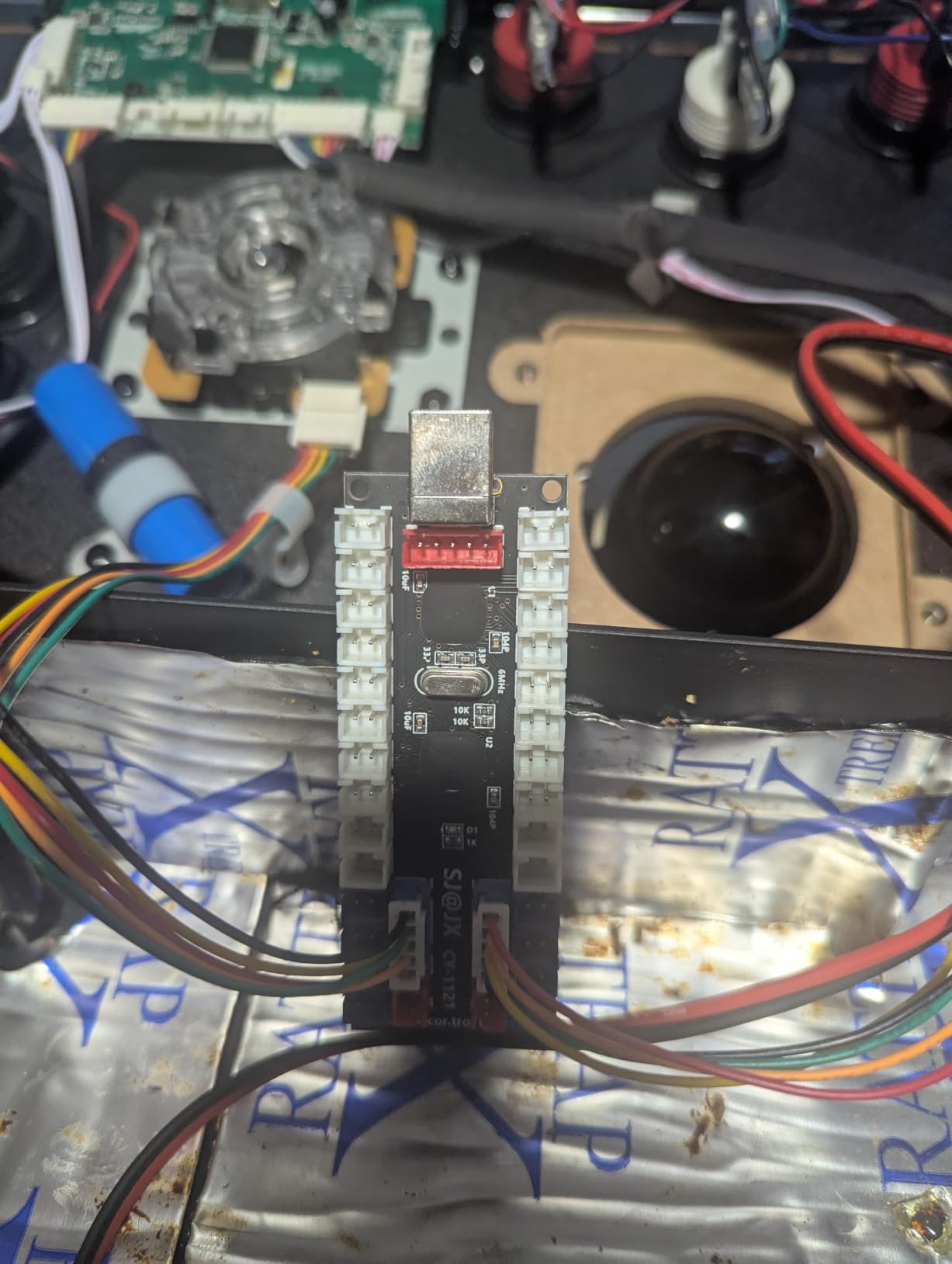
I built a cocktail cabinet using this board specifically because the color coding let my non-technical partner help with assembly. She wired the entire control panel without my supervision, which speaks to how intuitive the system is.
The 8.5cm by 3.5cm board size fits into tight spaces inside bartop builds. The 180cm USB cable provides flexibility for mounting positions that shorter cables can’t reach.
The most important detail I discovered: Player 2 requires isolated individual grounds to function properly. This isn’t documented well in the included materials, but once I rewired with separate grounds, both players worked perfectly.
For whom its good
Anyone with SANWA or HAPP style components gets dual compatibility from this board. The wiring works for either standard without separate adapter purchases.
Build parties and group projects benefit from the intuitive color coding. Multiple people can work on wiring simultaneously without confusion about which cable goes where.
For whom its bad
Android users will find this encoder limited since it doesn’t register as two separate devices on that platform. Stick to PC or Raspberry Pi for best results.
Those wanting extensive documentation should prepare for self-research. The included instructions are minimal, and the player 2 grounding requirement isn’t mentioned at all.
How to Choose the Right Zero Delay Encoder for Your Build?
Picking the right encoder starts with your joystick and button type. Japanese-style Sanwa parts use 2.8mm terminals, while American HAPP components use 4.8mm. Mismatched terminals mean rewiring or buying adapters.
Measure your terminal sizes before ordering. The difference between 2.8mm and 4.8mm looks small on paper but means a complete wiring redo if you get it wrong.
For multi-player cabinets, budget for one encoder per player pair. Most boards support two players, but four-player builds need two separate boards running independently.
Consider your operating system carefully. Windows handles plug and play universally, but Raspberry Pi setups sometimes need configuration tweaks. RetroPie and Batocera generally work better than vanilla Linux for arcade builds.
LED button support requires 5V power outputs. Standard encoders don’t power illuminated buttons, so if you want that arcade glow, look at the Guwarry or Qenker options with integrated power outputs.
Build quality varies significantly across manufacturers. The 750-review Reyann has proven reliability across thousands of builds, while lesser-known brands may have quality control inconsistencies.
Terminal block design affects long-term durability. Screw terminals hold wires more securely than push-on connectors, especially in cabinets that get moved frequently.
Wire length matters more than you’d expect. Short included wires force you to purchase extensions, which adds cost and complexity. Measure your control panel depth before choosing.
Documentation quality separates good boards from frustrating ones. The SJ@JX and Guwarry lack detailed manuals, while premium options include comprehensive wiring guides.
Frequently Asked Questions
Is there a USB encoder with zero delay?
Yes, several USB encoders deliver zero delay performance. The Reyann Zero Delay Arcade USB Encoder is one of the most popular options with 750+ verified reviews and genuine lag-free input. These encoders use USB HID protocol which processes input instantly without buffering. Premium boards like Ultimarc I-PAC also deliver zero delay but at higher price points.
What is the best brand of encoder?
For budget builds, Reyann and BEYEE consistently rank highest in user reviews and reliability. For premium builds, Ultimarc I-PAC sets the standard with extensive documentation and advanced features. SJ@JX, Guwarry, and Qenker all produce quality alternatives with specific strengths like LED power output or complete kit inclusion. The best brand depends on your specific needs, terminal requirements, and budget.
How do I make a homemade arcade controller?
Building a homemade arcade controller requires a zero delay USB encoder, joystick, buttons, wiring, and an enclosure or control panel. First, mount your joystick and buttons into your chosen enclosure. Then wire each button to the encoder terminals, matching ground and signal wires correctly. Connect the joystick using the 5-pin connector. Finally, plug the USB cable into your computer and configure inputs in your emulator. Most builds take 2-4 hours for first-time builders.
What is the best monitor for a DIY arcade?
For DIY arcade builds, a 24 to 32 inch LCD monitor with low input lag works best. Many builders use old computer monitors or budget gaming displays. For authentic arcade feel, a 4:3 aspect ratio monitor matches classic game ratios perfectly. Look for displays with under 10ms response time and HDMI or VGA inputs for maximum compatibility with Raspberry Pi or PC setups.
Final Verdict: Which Zero Delay Encoder Should You Buy
After testing all eight encoders across multiple builds, the Reyann Zero Delay Arcade USB Encoder remains my top recommendation for most DIY arcade projects in 2026. Its 750-review track record, genuine zero delay performance, and broad platform compatibility make it the safest choice for beginners and experienced builders alike.
For complete kit buyers, the Qenker LED Arcade DIY Kit delivers everything needed in one purchase. The integrated joysticks and illuminated buttons create an authentic arcade feel without the sourcing headache.
Budget builders using Sanwa components will find the EG STARTS encoder delivers reliable performance at the lowest price point in this roundup. For LED projects, the Guwarry’s integrated 5V outputs eliminate the need for separate power supplies.
Whichever zero delay encoder you choose, the technology has matured enough that any board in this roundup will deliver lag-free gameplay. Focus your decision on terminal compatibility, platform support, and included accessories rather than chasing marginal performance differences. Your arcade cabinet deserves an encoder that just works, and every option here meets that standard.