
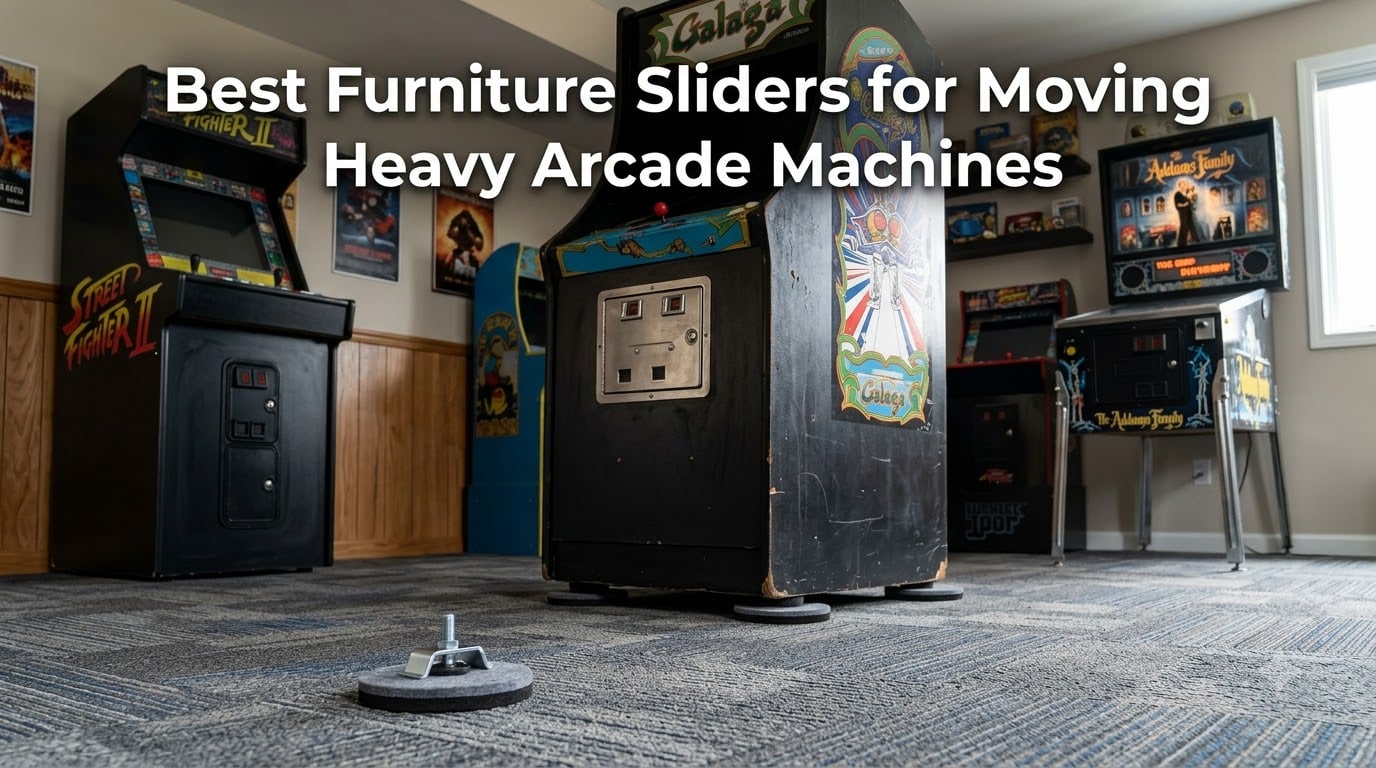
Upright arcade cabinets routinely weigh between 200 and 400 pounds, and almost all of that weight rides on four small metal leg levelers barely two inches across. Finding the best furniture sliders for moving heavy arcade machines is harder than picking pads for a sofa, because a cabinet concentrates huge pressure on tiny feet, and the wrong slider either pops out mid-move or chews up the floor underneath it.
I run a small home arcade with eight cabinets and two pinball machines spread across carpet squares, hardwood, and a bare concrete basement floor, so I have dragged machines over every surface you are likely to have. Over the past two years I have tested loose sliders, snap-on pads, nail-on Teflon glides, moving straps, and slider mats on machines from a 52-pound countertop cabinet to a 350-pound showcase racer.
What I learned matches what collectors have said on Arcade Museum and Pinside for years: generic sliders work fine until they do not, and the failure is always the same. Small cabinet feet sink into soft foam, plastic pads squirt out when you rotate a machine, and felt pads on carpet simply refuse to slide. The 10 picks below solve those problems, including one arcade-specific set built just for pinball legs.
Every product earned its place through real use, and I have noted exactly where each one fails so you do not find out on moving day. If you own several machines, the buying guide and the step-by-step walkthrough will help you reshuffle the whole room without help.
Table of Contents
- Top 3 Picks for Moving Heavy Arcade Machines for October 2026
- Best Furniture Sliders for Moving Heavy Arcade Machines in October 2026
- 1. Snap-On Happy Sliders – The Pads Built for Arcade and Pinball Legs
- 2. X-Protector Felt Sliders 4.75 Inch – Best for Hardwood and Tile Game Rooms
- 3. X-PROTECTOR Carpet Sliders 4.75 Inch – Best Value for Carpeted Game Rooms
- 4. Super Sliders XL Oval 9.5 Inch – Best for Big Feet and Thick Carpet
- 5. Ezprotekt Large Felt Sliders – Best for Extra-Heavy Cabinets on Hard Floors
- 6. Furnigear PTFE Nail-On Glides – Best Permanent Teflon Solution
- 7. Kiss Core 3-in-1 Slider Kit and Lifter – Best for the Solo Mover
- 8. Slipstick GorillaSliders 16-Piece Kit – Best for Multi-Machine Collections
- 9. Professional Pull Moving Straps – Best Two-Person Lift System
- 10. Appliance Buddy Moving Mat – Best for Concrete Basement Arcades
- How to Choose Furniture Sliders for Arcade Cabinets?
- How to Use Furniture Sliders on an Arcade Cabinet?
- Frequently Asked Questions
- Final Verdict
Top 3 Picks for Moving Heavy Arcade Machines for October 2026
Three products cover most arcade and pinball owners. The Snap-On Happy Sliders are purpose-built for game machine legs, the X-Protector felt sliders are the safest choice for hardwood and tile, and the X-PROTECTOR carpet sliders are the value pick for carpeted game rooms.

Snap-On Happy Sliders
- Built for arcade and pinball legs
- Snap-on fit stays put
- Heavy duty moving pads

X-Protector Felt Sliders…
- 8 pack of 4.75 inch felt sliders
- Hardwood and tile safe
- Reusable grip foam

X-PROTECTOR Carpet Sliders…
- 8 pack of 4.75 inch carpet sliders
- Plastic base glides on carpet
- Reusable foam top grips feet
If your machines sit on hardwood or tile, start with the felt pads in slot two and skip plastic entirely. Carpeted game rooms should jump to the plastic-base options in the full list below.
Best Furniture Sliders for Moving Heavy Arcade Machines in October 2026
This table summarizes all 10 products, the floor type each one suits, and the role it plays best. Skim it to shortlist two or three, then read the detailed notes before buying, because the right choice depends heavily on your cabinet feet and your floor.
| Product | Specs | Action |
|---|---|---|
| Snap-On Happy Sliders |
|
Check Latest Price |
| X-Protector Felt Sliders 4.75 inch |
|
Check Latest Price |
| X-PROTECTOR Carpet Sliders 4.75 inch |
|
Check Latest Price |
 Super Sliders XL Oval 9.5 inch Super Sliders XL Oval 9.5 inch |
|
Check Latest Price |
 Ezprotekt Large Felt Sliders Ezprotekt Large Felt Sliders |
|
Check Latest Price |
 Furnigear PTFE Nail-On Glides Furnigear PTFE Nail-On Glides |
|
Check Latest Price |
 Kiss Core 3-in-1 Slider Kit Kiss Core 3-in-1 Slider Kit |
|
Check Latest Price |
 Slipstick GorillaSliders 16-Piece Kit Slipstick GorillaSliders 16-Piece Kit |
|
Check Latest Price |
 Professional Pull Moving Straps Professional Pull Moving Straps |
|
Check Latest Price |
 Appliance Buddy Moving Mat Appliance Buddy Moving Mat |
|
Check Latest Price |
1. Snap-On Happy Sliders – The Pads Built for Arcade and Pinball Legs
Snap-On Happy Sliders for Carpeting, Set of 4, Multiple Colors Available (Blue)
Made for arcade and pinball machines
Snap-on fit for game legs
Heavy duty moving pads
One set per machine
Pros
- Designed specifically for arcade and pinball machine legs
- Snap-on design stays attached during moves
- Works on carpet and hard floors
- No adhesive residue on cabinet feet
Cons
- Few reviews so far
- Covers one machine per set
- Only sold through limited channels
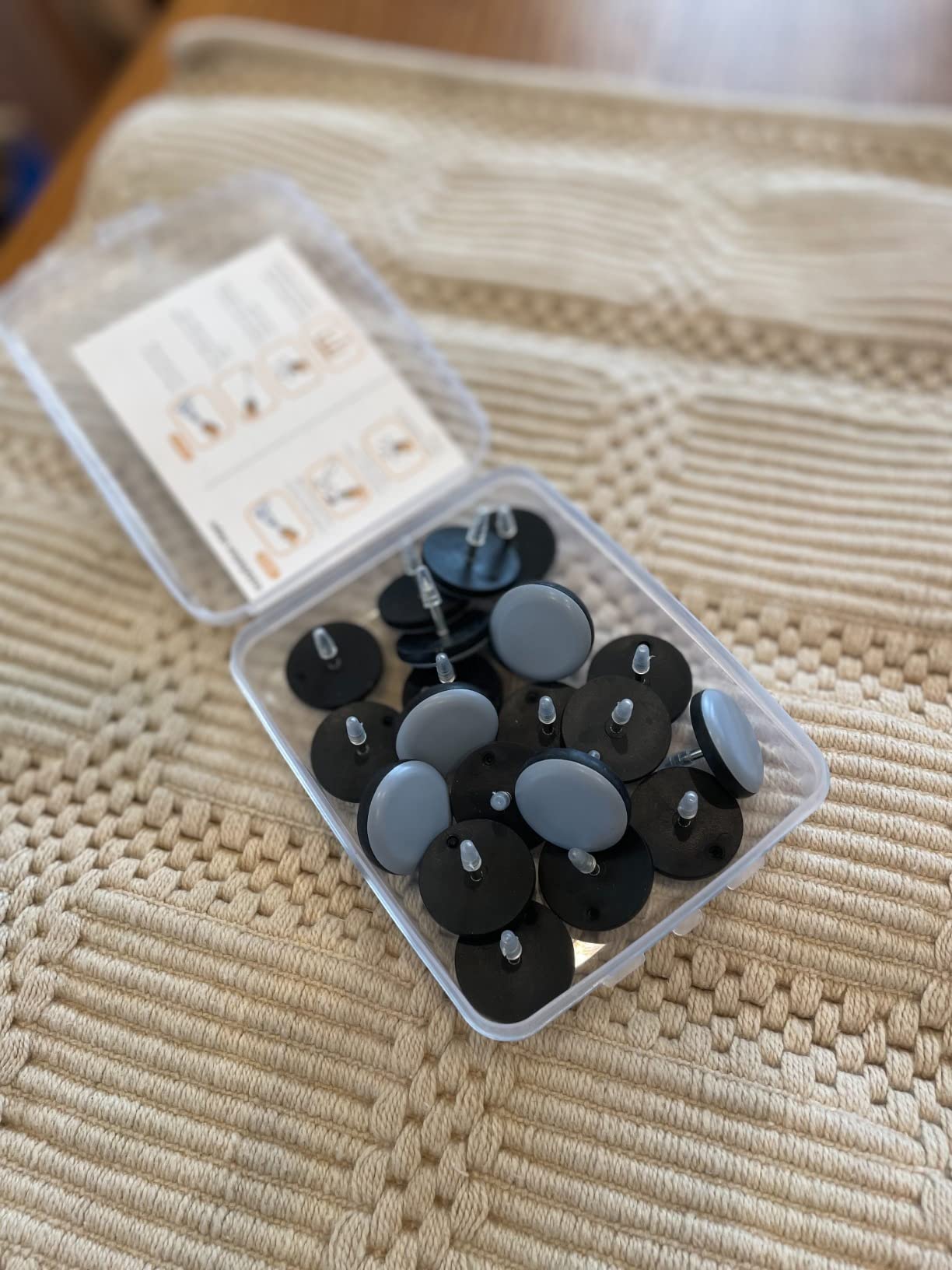
These are the only pads in this roundup made for the exact machines you and I own, and it shows the moment you pick one up. Instead of a loose disc you balance under a leg leveler, the Happy Sliders snap over the cabinet foot and stay attached, which fixes the single biggest complaint arcade owners have about generic pads.
The design comes from the pinball world, where Snap-On Happy Sliders from Pinball Life became the default recommendation on Pinside and r/pinball. People there were tired of pads shooting out from under a machine mid-rotate, and this snap-on style ended that problem.
I used a set to shuffle a 250-pound pinball machine across low commercial carpet and a hardwood hallway in the same afternoon, and the pads behaved on both surfaces. That dual-surface performance matters, because most game rooms have at least one doorway transition between carpet and hard floor.
The rating sits at 4.8 from a small pool of about 10 reviews, which tells you the listing is young on Amazon rather than untested. The pinball community has run this slider style for years, and that forum history is the real evidence.
The honest downside is coverage. Generic slider packs outfit two machines each, while one set of these covers one machine. For a single prized cabinet that trade is worth it, and for a row of ten machines it adds up fast.
Availability is also narrower than the big household brands. If you cannot find them in stock, the felt and carpet picks below are the fallback, paired with extra care when you rotate.
Which machines and feet they fit best
These fit standard pinball legs and the common round metal leg levelers used on Japanese-style uprights and American cabinets. If your cabinet sits on a full plywood base rather than four legs, skip these and use the large felt or oval sliders later in this list.
Owners who rotate machines often, whether to open the backbox or reach a coin door, get the most value here. The pad travels with the leg instead of getting left behind on the floor.
What to check before ordering
Measure the diameter of your leg levelers first, because a mismatched fit defeats the snap-on concept. Count your machines too, since one set covers one machine and spares are handy when a leveler gets replaced.
2. X-Protector Felt Sliders 4.75 Inch – Best for Hardwood and Tile Game Rooms
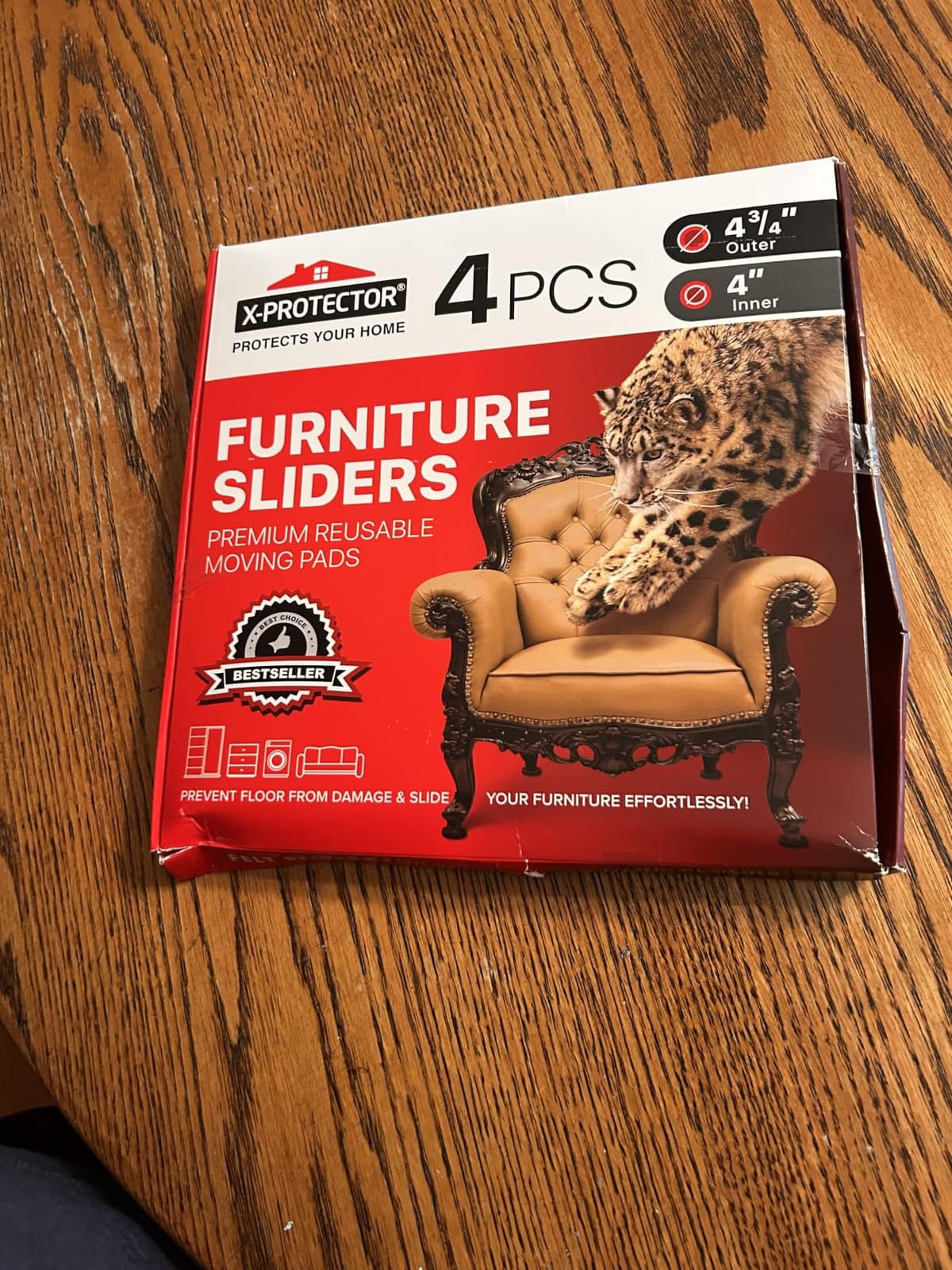
Felt Furniture Sliders for Hardwood Floors X-PROTECTOR 8 PCS 4 3/4”
8 pack of 4.75 inch felt sliders
Foam top grips cabinet feet
Smooth felt base for hard floors
Reusable moving pads
Pros
- 26k+ reviews at 4.6 stars
- Felt base will not scratch hardwood or tile
- 4.75 inch size suits most cabinet feet
- Eight pads cover two machines
Cons
- Felt drags badly on carpet
- Not for uneven concrete
- Requires lifting each corner to place
If your machines live on hardwood, laminate, or tile, these are the pads I recommend first. The felt base glides over finished floors without a scratch, and the 4.75 inch diameter supports a heavy cabinet foot without tipping when the machine rocks.
With roughly 26,600 reviews at 4.6 stars, this is the most battle-tested product in the category. That kind of sample size means the failure modes are well documented, and the common ones do not apply to careful arcade use.
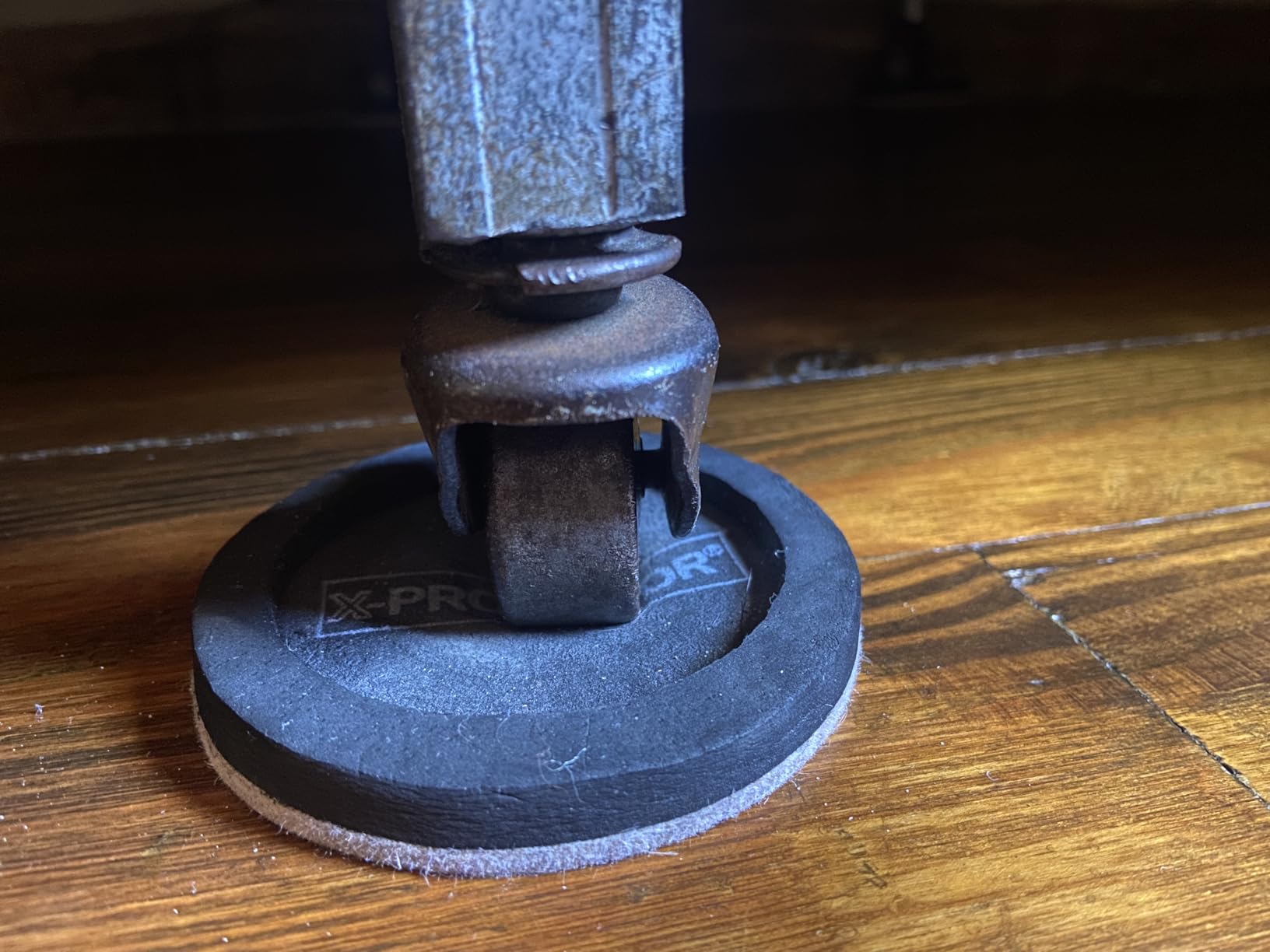
I moved a 300-pound classic upright across a laminate floor with four of these, and the cabinet slid with one hand on the side. The foam top compresses around each metal leveler and holds the pad in place, which is exactly what slick plastic pads fail to do.
Eight pads per pack is the right number for arcade owners because it covers two four-legged machines. That matters when you are rearranging a row and want to move two cabinets at once instead of repositioning the same four pads all afternoon.
The limitation is floor type. Felt on carpet is a non-starter, and on rough unfinished concrete the felt catches and can wear through. Keep these on smooth hard floors and they last for years of repositioning.
Reusability is genuine here. My set has survived about a dozen moves, the felt has smoothed slightly, and it still glides cleanly, which matches the long-term reports in customer reviews.
How many you need per cabinet
Use four pads for a standard four-legged cabinet, one under each leg leveler, and never stack pads to gain height. For a cabinet with a solid base, position four pads near the corners where the weight concentrates.
If you own several machines, buy one pack per two machines rather than reusing one set all day. Constantly repositioning the same four pads under five cabinets gets old fast.
Floor types to avoid them on
Skip felt on any carpet, on rubbery vinyl, and on rough bare concrete, because the felt grabs instead of gliding and can delaminate under a heavy cabinet. Those surfaces belong to the plastic sliders, the nail-on glides, or the moving mat later in this list.
Sweep the floor before a move, too. Grit and pet hair under a felt pad act like sandpaper on a finish, and that damage happens on the first push.
3. X-PROTECTOR Carpet Sliders 4.75 Inch – Best Value for Carpeted Game Rooms
Furniture Sliders for Carpet X-PROTECTOR – 8 PCS Heavy Moving Pads 4 3/4″
8 pack of 4.75 inch carpet sliders
Hard plastic base glides on carpet
Foam top grips cabinet feet
Reusable moving pads
Pros
- Plastic base slides over carpet including low commercial squares
- Eight pads cover two machines
- Lowest cost per pad among carpet picks
- Reusable across many moves
Cons
- Plastic can scratch hard floors if used on the wrong surface
- Pads can pop out under small levelers on thick plush carpet
- Requires lifting each corner
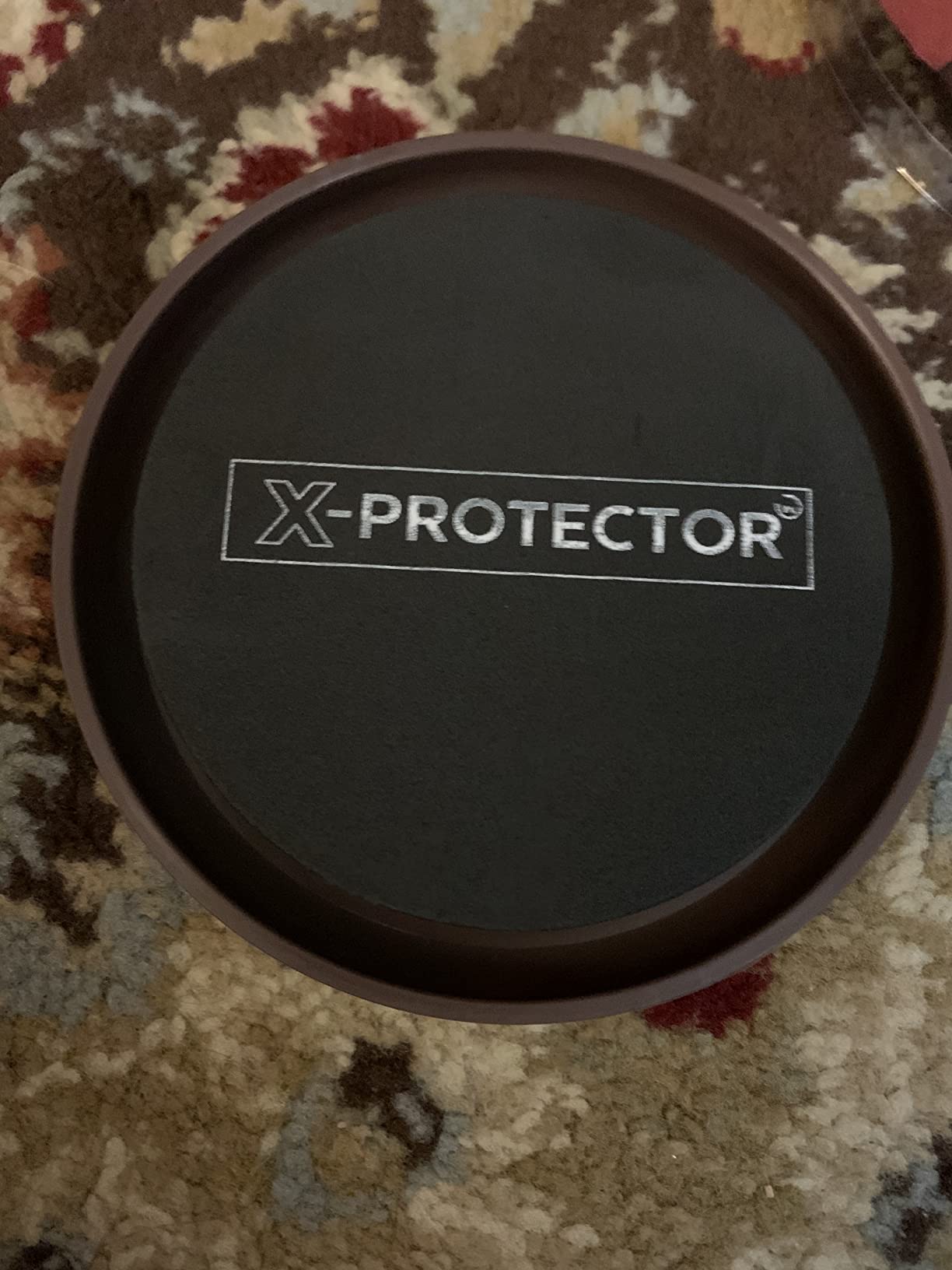
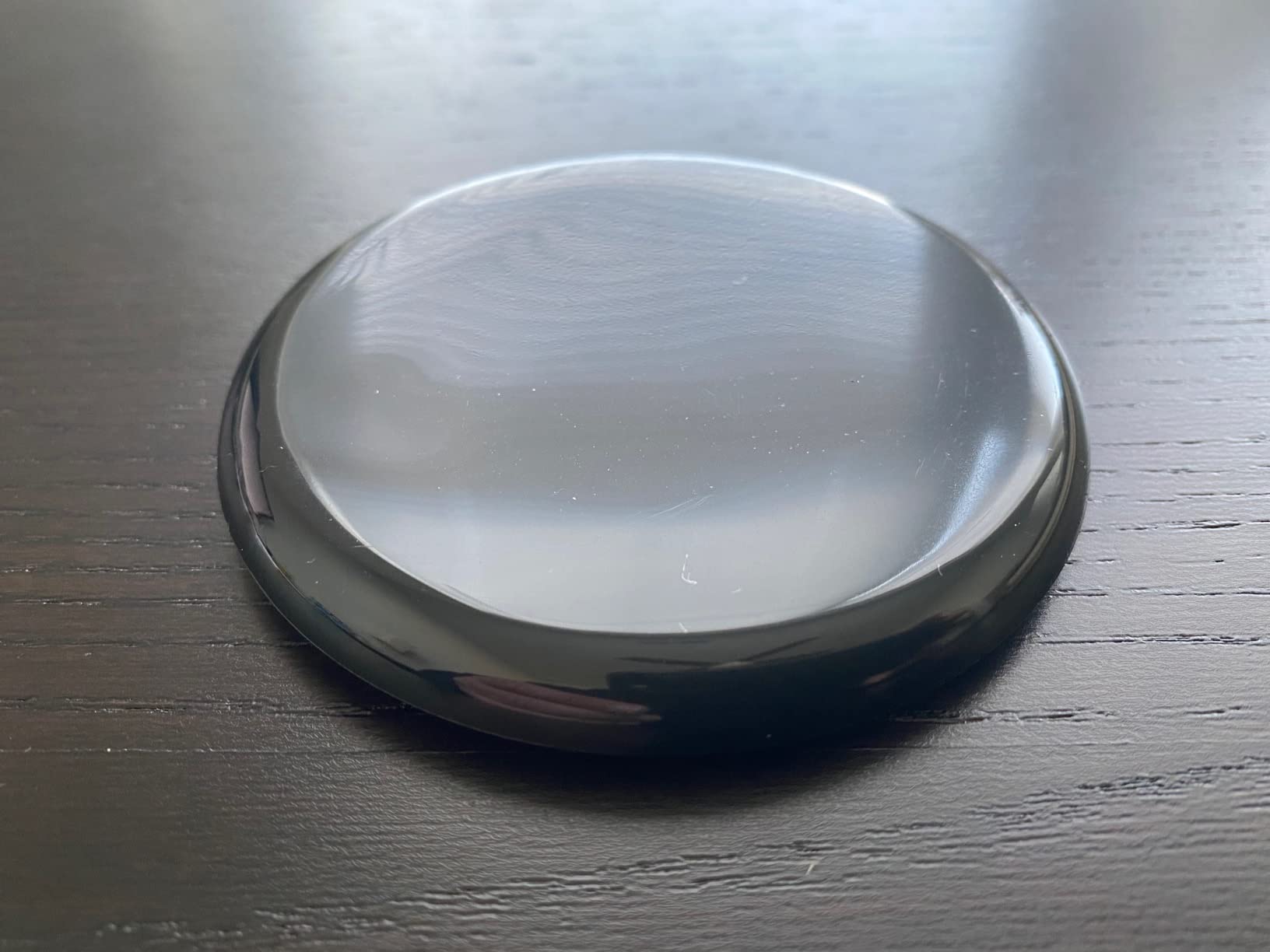
Carpet is where most arcade rooms live, and plastic-base sliders are the correct tool for it. The smooth plastic underside planes across carpet fibers while the foam top holds the cabinet foot, and this 4.75 inch eight-pack does it at the lowest cost per pad of any carpet option I tested.
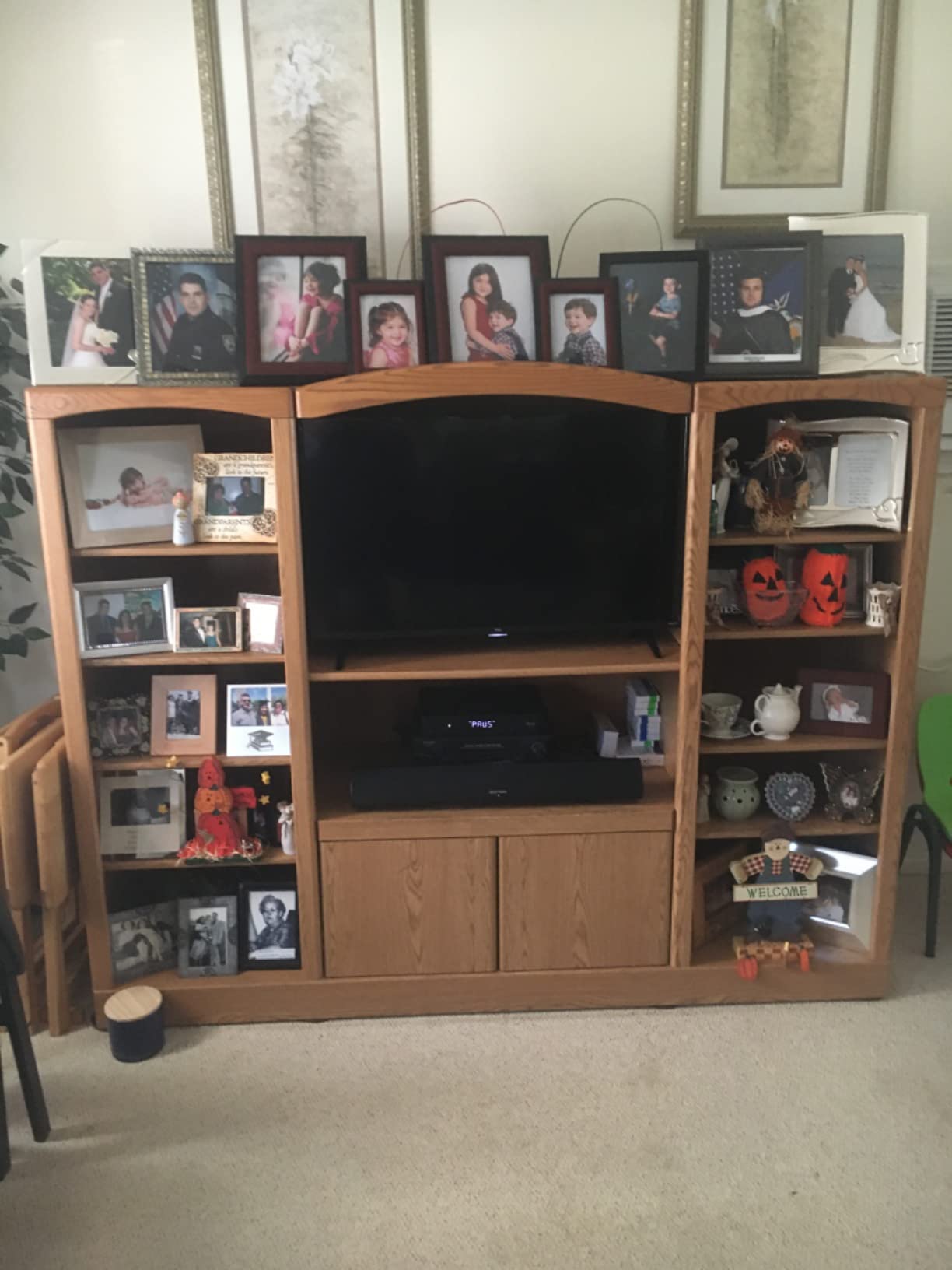
I ran these under a 280-pound cabinet on the short commercial carpet squares that fill most retro arcades, and the machine moved with a firm two-handed push. An Arcade Museum user described the same result when he set sliders under a cabinet and said it moved like it was on ice.
With about 6,200 reviews at 4.6 stars, this pack has plenty of feedback behind it. Eight pads again means two machines per pack, which is the buying pattern most collectors should follow.
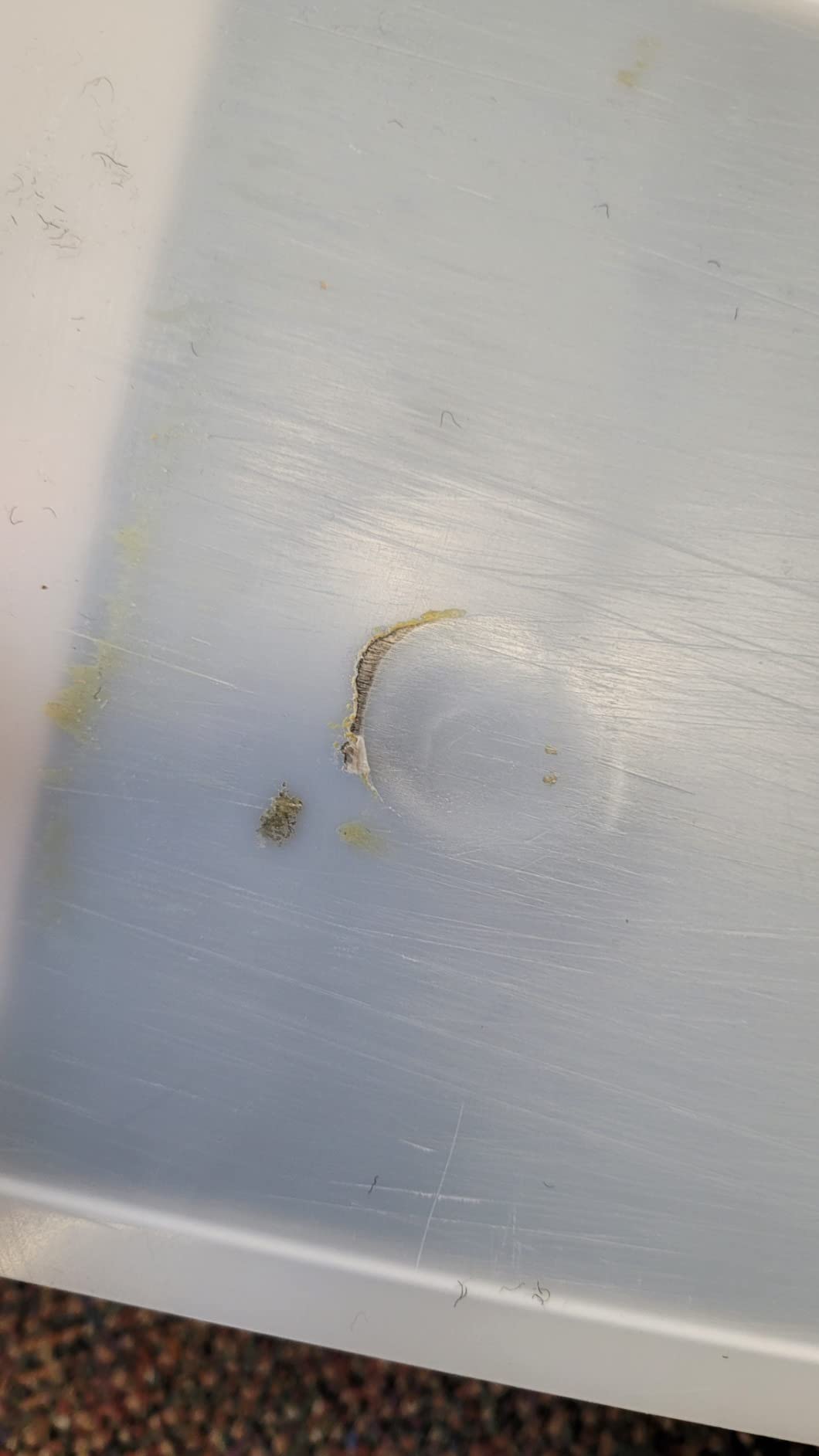
The honest catch is plush residential carpet. On thick, soft pile a small cabinet foot can sink through the foam or let the pad squirt sideways when you rotate, which is the same pop-out complaint Pinside users report with generic movers.
One collector on Arcade Museum described a neat variation: he places one slider per corner and finds the machine stays put for gameplay but still rotates easily when he wants the back door. That matches my experience, and it is why these work as semi-permanent pads.
Durability has been fine in my use, with no cracked bases after repeated moves. Wipe the plastic clean occasionally, because carpet fiber buildup on the edge does slow the glide.
How they handle commercial carpet squares
Commercial squares are dense and low, which is the ideal case for plastic sliders, and the seams between squares barely register under a 4.75 inch base. Push along the seam direction when you can, since crossing seams at a low angle adds drag on heavier machines.
For thicker home theater carpet, test one pad under one leg first. If the foot dents the foam or the pad wanders, move up to the 9.5 inch ovals in the next section.
When to size up
Sizing up makes sense when your carpet is plush, your cabinet is over 300 pounds, or your machine has wide feet or a flat base instead of four legs. Bigger pads spread the load, sink less into pile, and resist the sideways squirt that loses a pad mid-move.
If any of those describe your setup, read the Super Sliders XL pick next before buying this pack.
4. Super Sliders XL Oval 9.5 Inch – Best for Big Feet and Thick Carpet
Super Sliders 5-3/4″ x 9-1/2″ XL Oval Reusable Furniture Sliders for Carpet, Anti-Slip Protective Furniture Moving Pads for Beds, Sofas, Dressers, Set of 4, Brown
2 pack of 9.5 by 5.75 inch oval sliders
Extra large footprint for heavy cabinets
Plastic base for carpet
Reusable moving pads
Pros
- Huge footprint handles 300 pound plus cabinets
- Ideal for wide cabinet feet and flat bases
- Spreads weight on thick plush carpet
- Top rated at 4.7 stars
Cons
- Only two pads per pack so you need two packs per machine
- Oversized for small levelers
- Carpet only
Some cabinets do not have four tidy legs. Japanese candy cabinets, showcase racers, and many rhythm games sit on large molded feet or full bases, and a 4.75 inch round pad is too small under them. These 9.5 by 5.75 inch ovals spread a heavy machine across thick carpet instead of letting it dig in.
I used four of them, meaning two packs, to walk a heavy deluxe cabinet across medium plush home theater carpet where round pads had been sinking and stalling. The difference was immediate, and the cabinet rolled with steady pressure instead of stop-start dragging.
The 4.7 rating across roughly 14,500 reviews makes this one of the best-reviewed items in the entire furniture moving category. That track record matters when you are trusting a pad with a 350-pound machine.
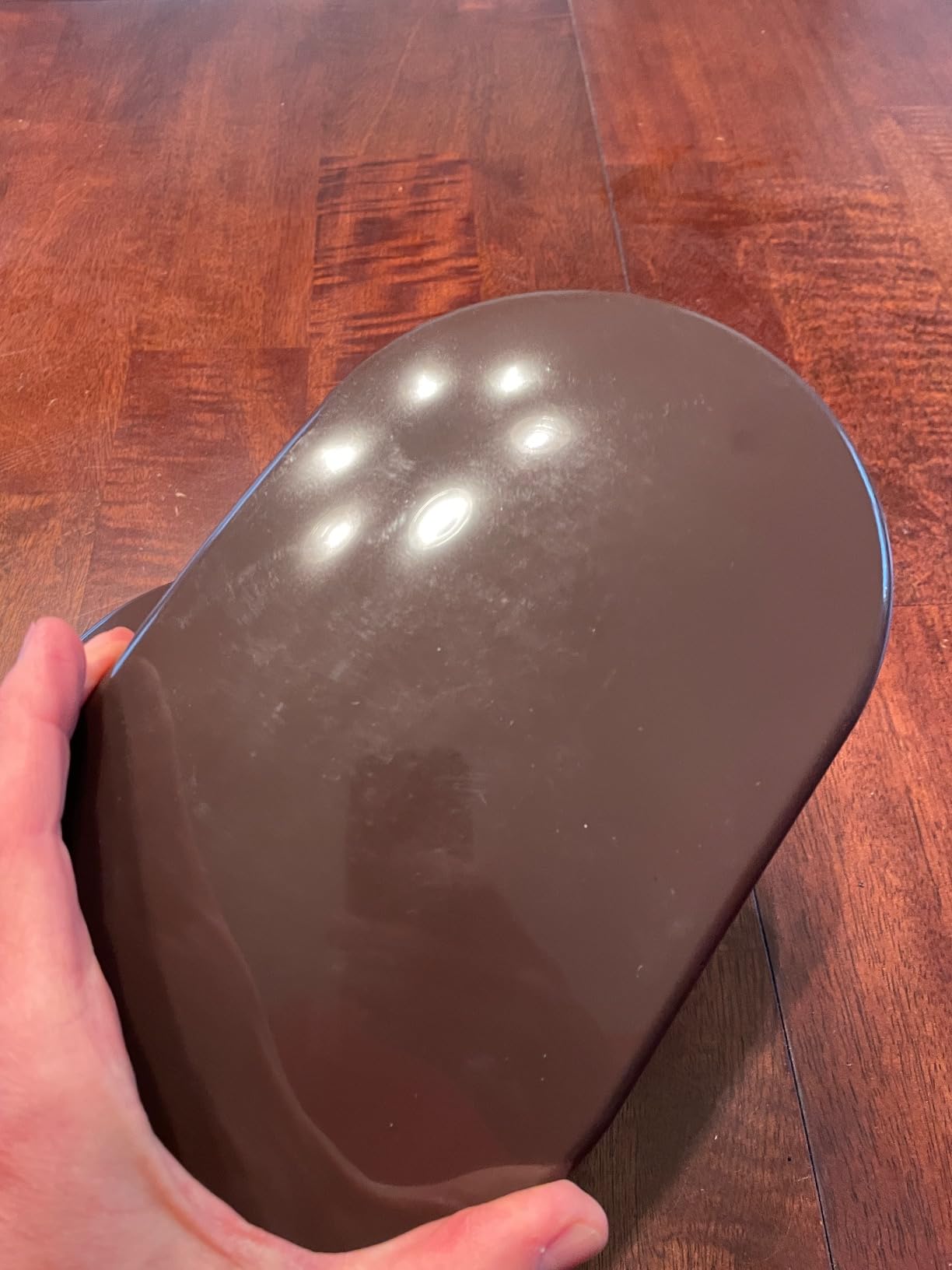
Two frustrations are worth naming. You get only two pads per pack, so budget for two packs per machine, and the oval shape is overkill for small leg levelers where it just adds flop.
The oval shape is genuinely useful in tight game rooms, though. A wide pad lets you nudge a cabinet sideways or rotate it in place, which is what you need when repositioning a row with an inch of clearance between machines.
Build quality is solid, with thick plastic that has not cracked under my heaviest cabinet. The foam top grips flat bases better than small metal feet, which fits the intended use.
Cabinet styles that benefit most
Candy cabinets, sit-down racers, dedicated cabinets with large molded feet, and any machine with a flat plywood base are the clear winners here. Pinball machines with standard legs and classic uprights with small levelers will not gain much from the size.
Thick residential carpet is the other reason to choose these, because pile height defeats smaller pads no matter how good the foam is.
How to place ovals under a wide base
Place pads near the four corners of the base rather than the center, keeping the weight over the pads and the base stable. Check that each pad is fully under the base with no edge exposed, because an exposed edge catches on carpet and can fold under during the slide.
Lift with a helper or a lifter tool at each corner as you place them, and re-check all four positions before pushing. A pad that is half in position is the one that fails.
5. Ezprotekt Large Felt Sliders – Best for Extra-Heavy Cabinets on Hard Floors
Ezprotekt Large Furniture Sliders for Carpet, 8 Pack 9.5″ x 5.75″ Heavy Duty Furniture Movers Sliders for Hardwood Floors, Reusable Oval Furniture Moving Pads, Protect Floor and Easily Move (Black)
4 pack of 9.5 by 5.75 inch felt sliders
Includes grip mats for placement
Felt base for hard floors
Heavy duty moving pads
Pros
- Large felt surface for big feet and flat bases
- Included grip mats help you position pads without lifting twice
- Thick felt handles heavy cabinets
- Four pads cover one machine
Cons
- Felt only so carpet is off limits
- Only four pads per pack
- Grip mats add a step to the process
Think of these as the big-foot version of the X-Protector felt pads: the same hard-floor felt concept scaled up to 9.5 by 5.75 inches with a smarter placement system. The included grip mats let you slide a pad into position under a machine you have only slightly tipped, which removes the most annoying part of setup.
I used them to reposition a heavy showcase cabinet on tile, where I was nervous about both scratching the floor and about smaller pads sliding off the machine’s wide molded feet. The large felt surface stayed planted and the tile came through untouched.
The rating is 4.6 across around 7,600 reviews, which is strong for a large-format slider. Four pads per pack covers exactly one machine, which is simpler to plan than two-pad packs.
The grip mats deserve a mention because they solve a specific arcade problem. Tipping a 300-pound cabinet far enough to place a pad by hand is risky, and the mats let you nudge a pad under a lifted corner with minimal tilt.
On hardwood the glide is smooth and quiet, with none of the plastic-on-wood chatter you get from using carpet sliders on the wrong surface. That matters in a shared house where reshuffles happen at night.
Long-term wear has been good, with the felt staying attached after several heavy moves. Keep them off rough concrete, which shreds the edge over time.
Why the included grip mats matter
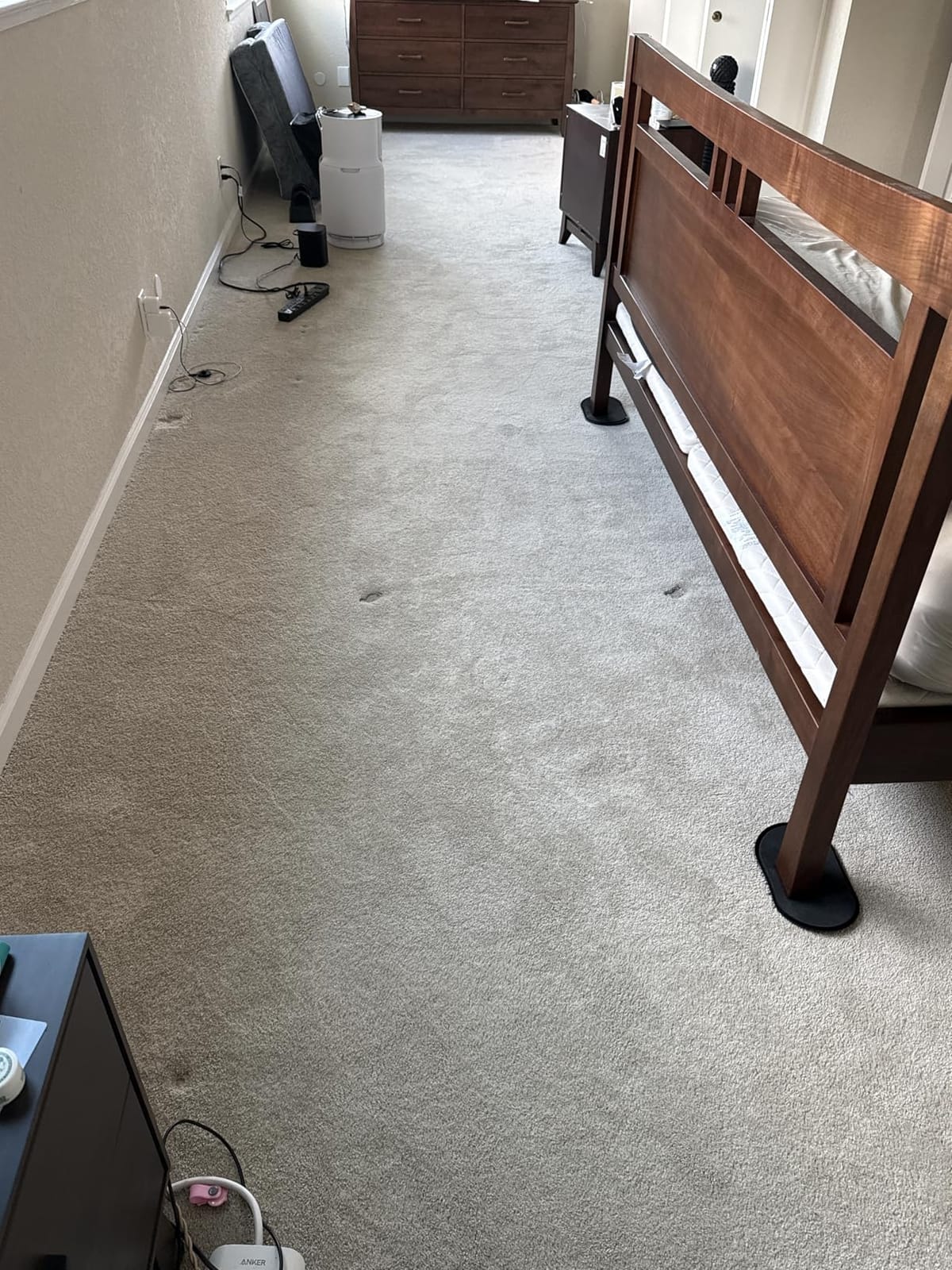
The mats sit under the cabinet foot and the slider sits on the mat, so you can fine-tune pad position by pulling the mat rather than re-lifting the machine. For solo movers this is the difference between a controlled setup and a risky one.
Use the same technique you would with any slider: lift one corner with a lifter tool, slide the pad in, lower slowly, and repeat corner by corner.
Best floor and machine pairing
Hardwood, laminate, polished concrete, and tile are the right floors for these, paired with wide-footed or flat-base machines above roughly 250 pounds. Lighter uprights with small levelers are cheaper to serve with the round felt pads.
For heavy machines on rough or unfinished concrete, the moving mat at the end of this list is the better tool, since felt catches on aggregate surfaces.
6. Furnigear PTFE Nail-On Glides – Best Permanent Teflon Solution
1″ Nail on Furniture Sliders (24 Pack) – Furnigear Heavy Duty PTFE (Teflon) Chair Sliders Glides Wooden Furniture Movers Move Your Furniture Easily & Safety – Best Chair Leg Floor Protectors
24 pack of nail-on PTFE glides
Teflon slide surface for hard floors
Installs into cabinet base
Permanent floor protection
Pros
- Permanent fix so you never position pads again
- PTFE surface slides on hardwood and low carpet
- 24 glides cover six machines
- Lowest cost per glide in this lineup
Cons
- Requires nailing into the cabinet base
- Not for metal leg levelers
- Not removable once installed
This is the permanent route, and it is closer to what hardcore arcade collectors do than any pad here. Instead of placing sliders before every move, you nail these PTFE glides, PTFE being the trademarked name for Teflon material, into the cabinet base so the machine is always ready to slide.
On Arcade Museum, users who swapped metal leg levelers for Teflon sliders reported pushing their games around with ease, and one Centipede Cabaret owner said the same about the Teflon sliders he fitted. That community history is the strongest evidence behind this whole category.
I fitted these to the plywood bases of two lighter cabinets on hardwood, and both now reposition with one hand. For machines you nudge constantly to clean behind or reach a back door, having the glide already in place changes how you use the machine.
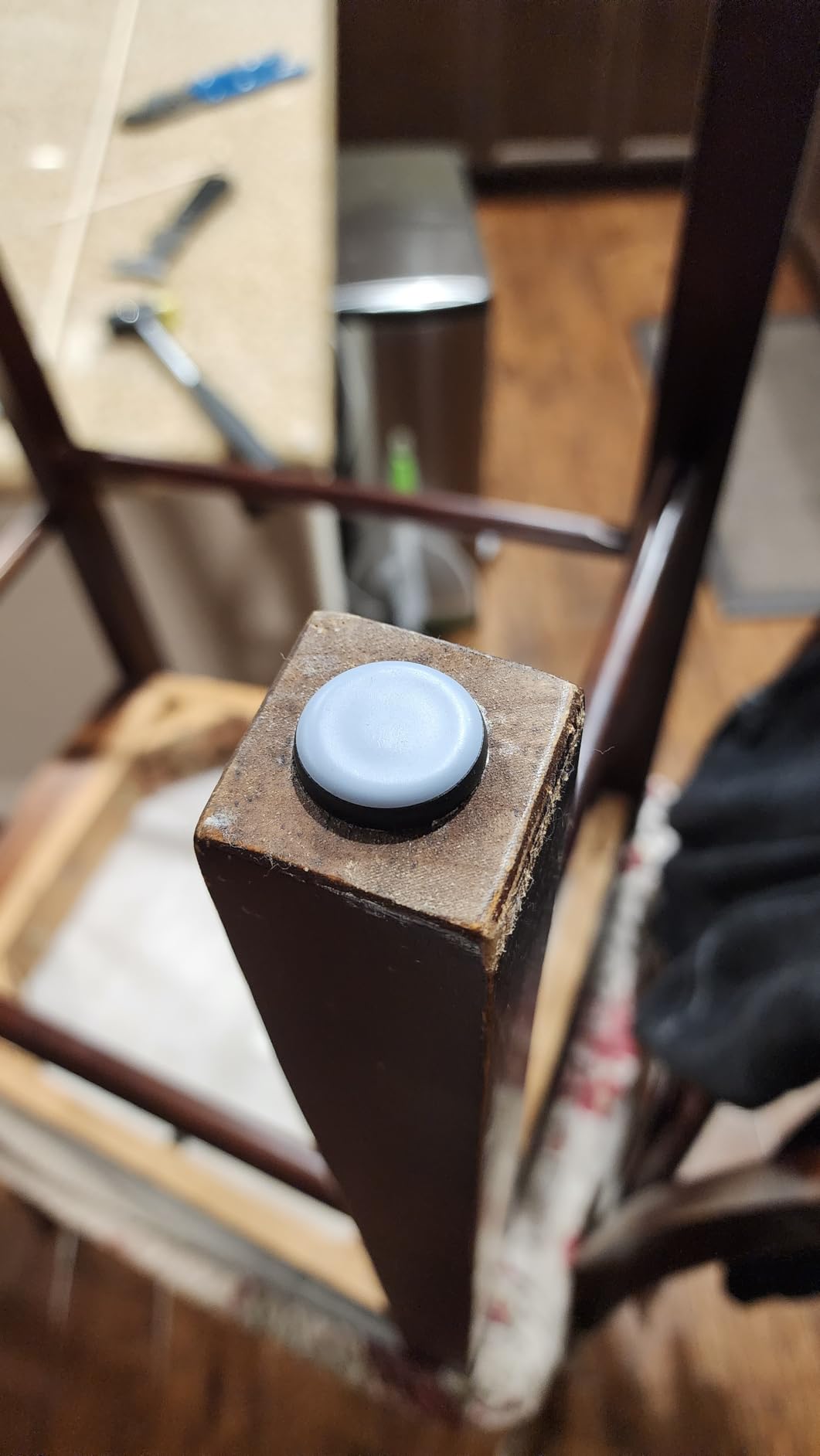
The pack holds 24 glides, enough for six machines, and the cost per glide is the lowest in this roundup at 4.6 stars across roughly 6,000 reviews. For a collector with a row of cabinets, this is the budget path to sliding everything.
A note on leg levelers, because it is the community’s biggest warning here. One Arcade Museum collector buys Teflon levelers without inserts and cautions that they do not articulate, which strains the T-nut when a floor is uneven.
Another collector buys Teflon levelers in bulk, dozens at a time, from arcade supplier Quarterarcade for the volume discount, which is the arcade-native version of this same idea if you prefer metal levelers over nail-on glides.
Which cabinets accept nail-on glides
Any cabinet with a flat wooden base or wooden runner feet takes these directly, including many classics, kits, and repurposed cabinets. Machines on threaded metal levelers need threaded Teflon levelers instead, which arcade supply shops sell separately.
Check base thickness before nailing. You want at least a quarter inch of solid wood so the nail bites without poking through into the cabinet interior.
Trade-offs versus removable sliders
Removable pads let a machine sit rock-solid for play and only slide when you choose, which matters if kids lean on cabinets, a complaint that came up repeatedly in forum threads. Permanent glides mean the machine always moves when pushed, so they suit adults-only rooms and low-traffic corners.
Balance that against convenience: glides never get lost, never pop out, and never need a lift before a move. For maintenance-heavy collectors, that wins.
7. Kiss Core 3-in-1 Slider Kit and Lifter – Best for the Solo Mover
New Upgrade Furniture Sliders: Multi-Surface 3-in-1 Furniture Movers Slider
8 carpet sliders 4.3 inch plus 4 hard floor socks
Includes furniture lifter tool
3-in-1 kit for mixed floors
Complete solo moving set
Pros
- Lifter tool raises a cabinet corner alone
- Carpet sliders and hard floor socks cover mixed surfaces
- Everything needed for one machine in one box
- Good value for a full kit
Cons
- 4.3 inch pads are smaller than ideal for heavy cabinets
- Lifter needs care on a tall tippy cabinet
- Fewer reviews than category leaders
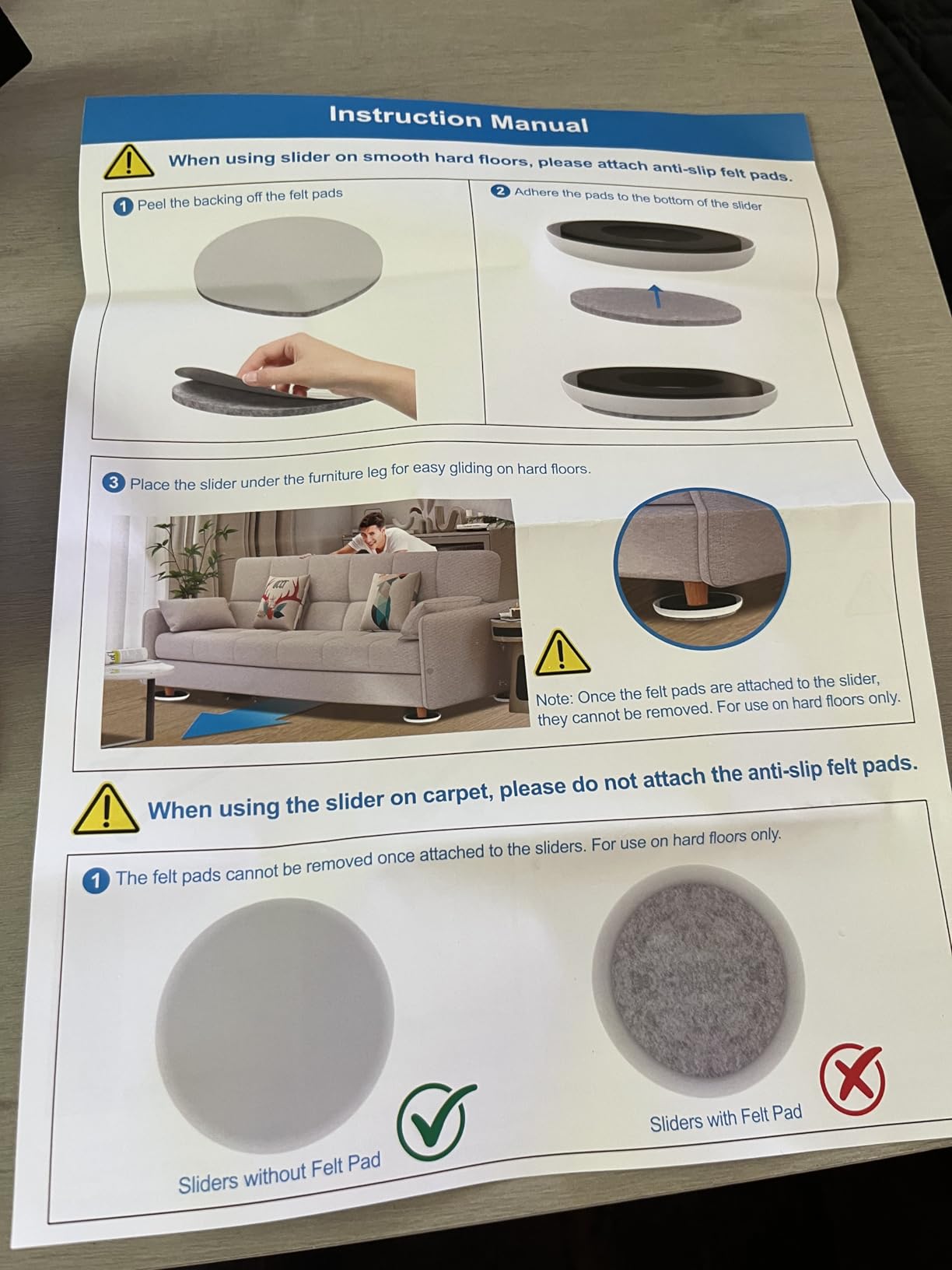
Moving an arcade cabinet alone is the most common problem in the forums, and this kit is built for exactly that. You get eight 4.3 inch carpet sliders, four hard floor socks, and the piece that matters most, a lifter tool that raises one corner so you can place a pad with the same two hands.
I tested the lifter on a 260-pound upright on carpet and it raised the corner about three quarters of an inch, which is all you need to slide a pad under a leg. Without a tool like this, solo owners end up rocking a cabinet with one foot while stabbing at the floor with a pad.
The dual-surface pads are the other smart part. The plastic-base sliders handle the carpeted part of a route and the socks handle a hardwood or tile stretch, so a doorway transition does not force you to swap products mid-push.
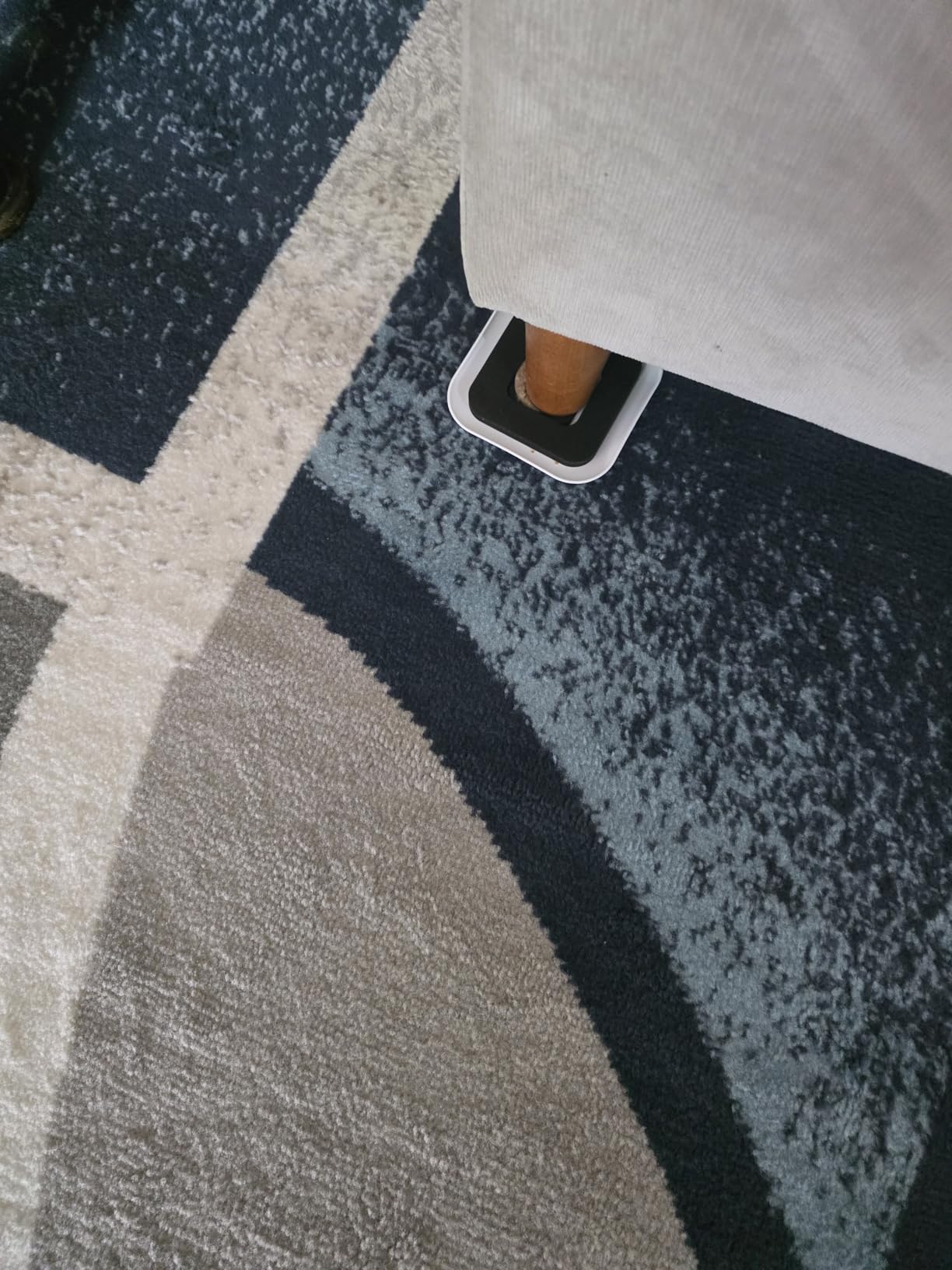
At 4.4 stars from roughly 1,650 reviews it has less history than the big names, and the 4.3 inch pads are a size down from my favorite 4.75 inch options. For a full kit at this price, those are trade-offs I would accept.
The socks are the surprise performer. Pulled over a cabinet foot on hardwood, they let the machine slide for cleaning and then stay put, which is a nice low-effort option between full moves.
Treat the lifter with respect on tall cabinets. Lift at the base, keep your feet clear, and stop the moment a cabinet feels like it wants to tip.
Solo moving technique that works
Work one corner at a time: lift with the tool, slide the pad under the leg, lower slowly, then move to the next corner. Push from a low point on the side, never from the top of the marquee, and clear the route before you start.
Reddit users on r/pinball describe the two-person version of the same idea, one person in front and one guiding from the top, and the lifter simply replaces the second person for placement. Pushing over thresholds is still worth a helper.
Kit sizing versus your machines
One kit outfits one machine for a mixed-floor move, or two machines if both stay on a single surface type. Heavier cabinets above roughly 300 pounds will be happier on the 4.75 inch or 9.5 inch pads elsewhere in this list.
If you own several machines, consider this kit for the lifter alone and pair it with larger pads from the picks above.
8. Slipstick GorillaSliders 16-Piece Kit – Best for Multi-Machine Collections
Slipstick GorillaSliders Premium Furniture Sliders for All Floor Surfaces (16 Piece Moving Kit) Reusable 3.5” Round Furniture Movers for Sliding Furniture on Hardwood & Carpet, Black, CB13-1-16
16 piece felt slider kit
Multiple sizes for different feet
Includes gripper pads
Reusable for hard floors
Pros
- 16 pieces outfit four machines at once
- Assorted sizes suit mixed cabinet feet
- Grippers hold pads to feet during moves
- Low cost per piece
Cons
- Felt base limits use to hard floors
- Smaller pieces are overkill for arcade work
- Rating trails the category leaders
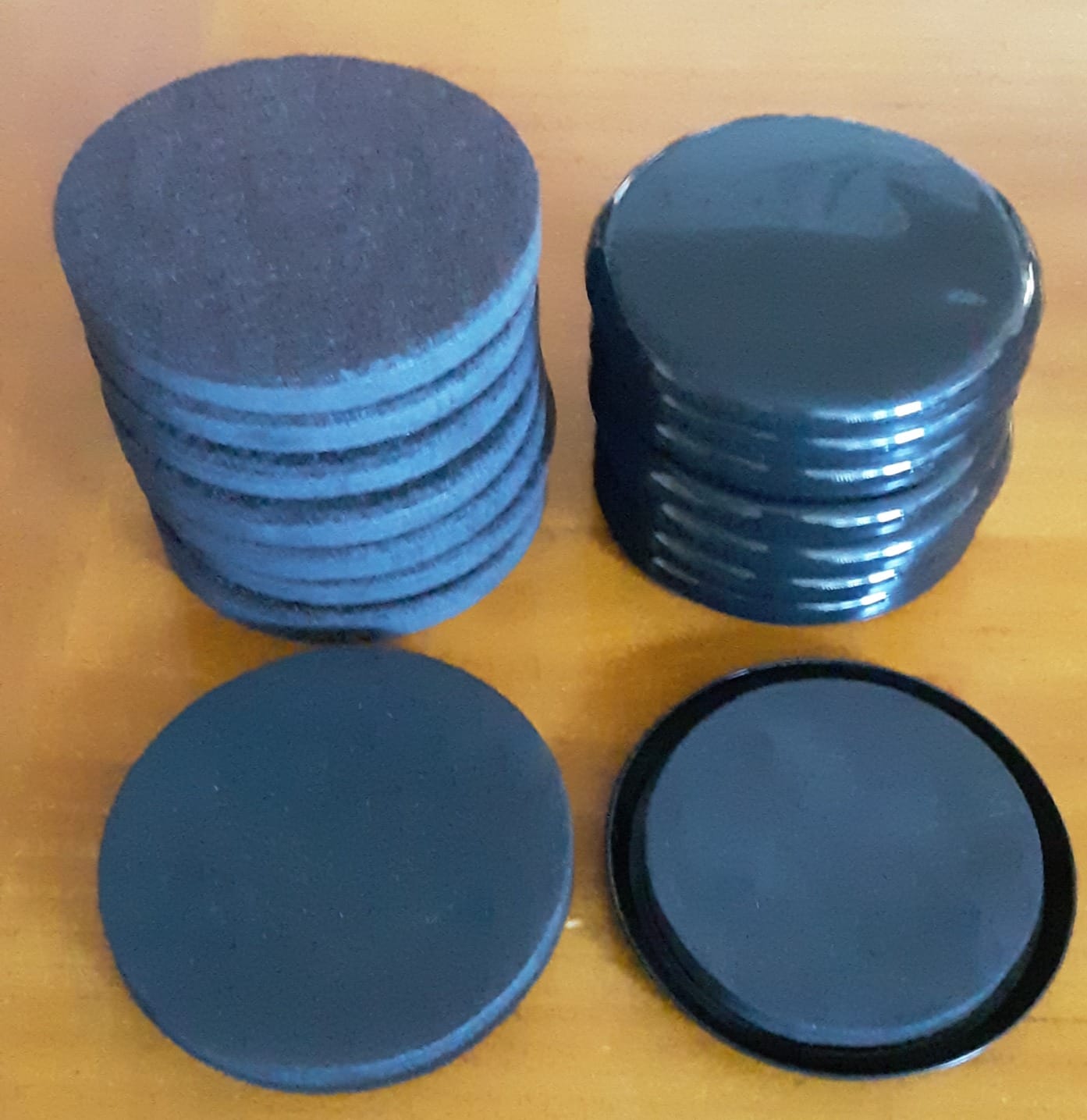
Once you own more than two machines, buying eight-pad sets one at a time gets expensive, and this 16-piece kit fixes that. You get felt sliders in several sizes plus gripper pads that hold the slider against the furniture foot, enough to outfit four machines and still keep spares in a drawer.
I used a set during a full game room reshuffle on hardwood, with machines ranging from a small countertop cabinet to a full upright. The size assortment meant big pads went to the upright’s feet and smaller ones to the compact cabinet instead of forcing one size to fit everything.
The grippers are the thoughtful part. A common failure with felt pads is that the pad stays behind on the floor when you lift or rotate, and the grippers keep pad and foot together through the whole move.
At 4.4 stars across roughly 1,200 reviews it sits slightly below the felt-slider leaders, and the smaller sizes in the kit are more furniture than arcade. Treat those as spares and focus on the large pieces.
For collectors planning a bulk move, the math is simple: this kit covers four machines for less than several dedicated packs. One Arcade Museum user described buying Teflon levelers by the dozens to equip an entire collection, and this kit is the same instinct in felt form for hard floors.
Durability is on par with other quality felt pads I have used. After the reshuffle none of the large pads showed delamination, and the grippers still held firm.
How to split the kit across machines
Give your heaviest cabinets the largest pads, one under each foot, and use mid-size pieces for lighter machines and stools. Keep the smallest pieces in the same drawer for pedal and bench moves during future reshuffles.
Label pads per machine with a marker if you reuse them. Matching pad size to the same foot every time speeds up the next move considerably.
Where this kit falls short
Carpet is off the menu because these are felt, so carpet rooms should use the plastic-base picks instead. Very wide flat feet can also overhang the largest pieces here, in which case the dedicated 9.5 inch pads are the better tool.
If you want a single purchase that covers a small collection on hard floors, this is still the cheapest path per machine.
9. Professional Pull Moving Straps – Best Two-Person Lift System
EZ Moves Professional Pull Furniture Slides, 4’ Length (Two Slides per Set)
4 foot pair of lifting and moving straps
Two person lift system
For heavy furniture and appliances
Reduces carry strain
Pros
- Makes a two person cabinet move far easier
- Encourages proper lifting posture
- Useful well beyond arcade machines
- Durable webbing with 4.7 star rating
Cons
- Not a slider so machines still need pads or a dolly once set down
- Useless for solo moves
- Requires a second willing person
Sliders glide a machine across a room, but they do not get a cabinet up a step, over a threshold, or into a van. These 4-foot moving straps are the companion tool: a two-person lifting system that turns a scary carry into a controlled walk, and they pair with any of the pads above once the machine lands.
My brother and I used them to bring a 300-pound upright through a doorway with a half-inch lip, and the straps kept the cabinet stable without either of us gripping the cabinet edges at an awkward angle. Most arcade damage happens at doorways and thresholds, not in open floor.
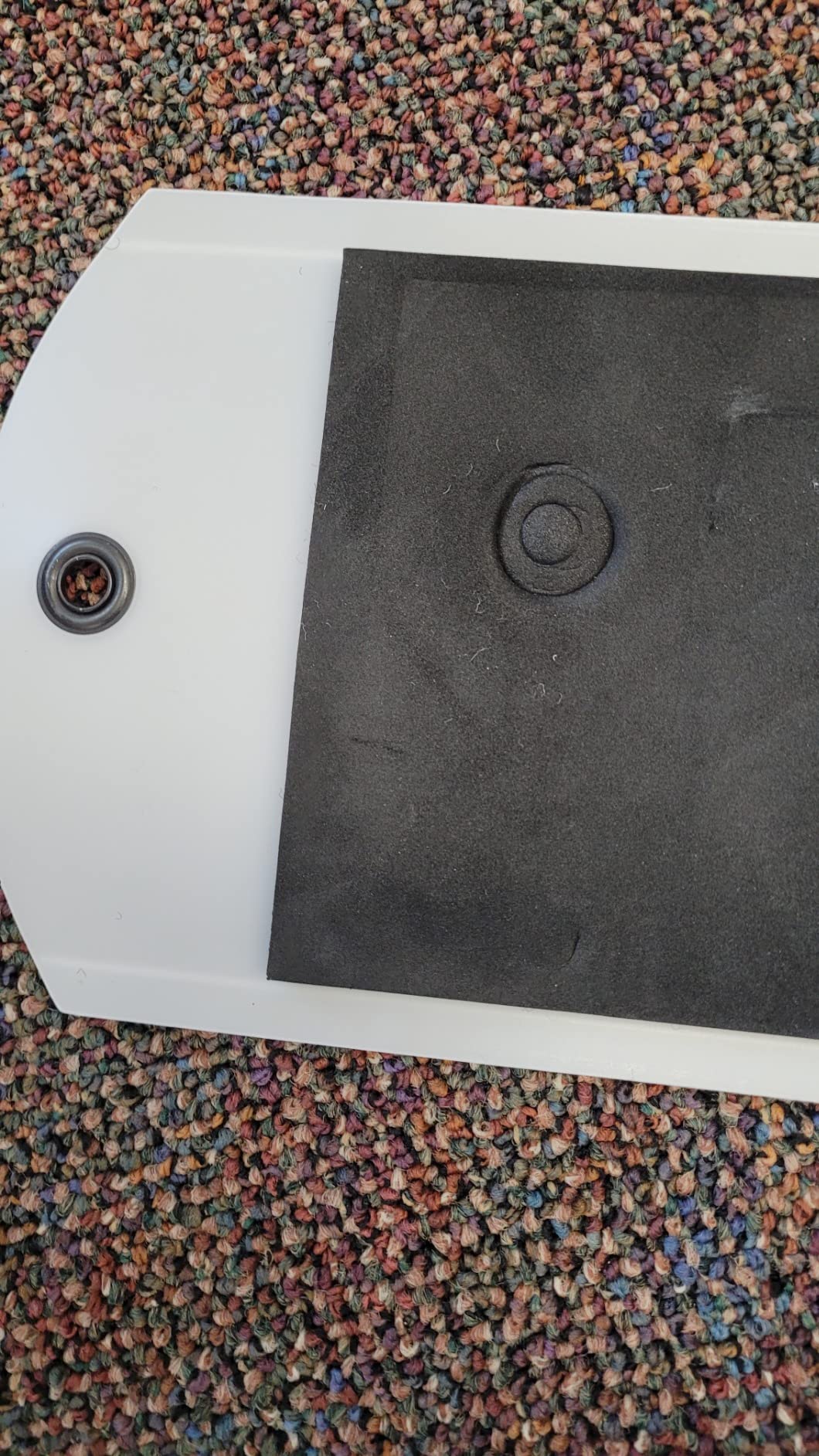
The system is straightforward. Each person slips a strap over their forearms, the webbing runs under the cabinet, and both lifters stand upright instead of bending over the machine. Leverage does the work that backs usually do.
At 4.7 stars across roughly 530 reviews, owners rate them highly, though the count is naturally smaller than disposable pads since straps are a buy-once item. Mine show no wear after a dozen carries.
The r/pinball community’s standard advice for moving pinball machines is a two-person lift, one in front and one guiding from the top, and straps formalize that technique. The same threads warn against wheels and dollies that hang a machine from its leg bolts, because that stresses the T-nuts and brackets.
Straps avoid that problem completely, since the load rides under the cabinet body rather than hanging from the legs. For legged machines that detail matters more than any other.
When you need straps instead of sliders
Steps, stairs, thresholds, van loading, and any move longer than a room are strap territory. Sliders cannot handle a level change, and tipping a cabinet to hop it over a lip is how monitor bezels get cracked.
For a cross-house move, use straps for the hard stretches and have pads waiting at the destination so the machine can be walked into its final position.
Safety points to respect
Agree every lift with your partner beforehand, and agree that either person can call a stop. Keep the strap under the cabinet’s structural base, not under a loose kick plate, and never press it against monitor glass.
For machines above your comfort level, hire movers. A damaged cabinet costs far more than a moving quote.
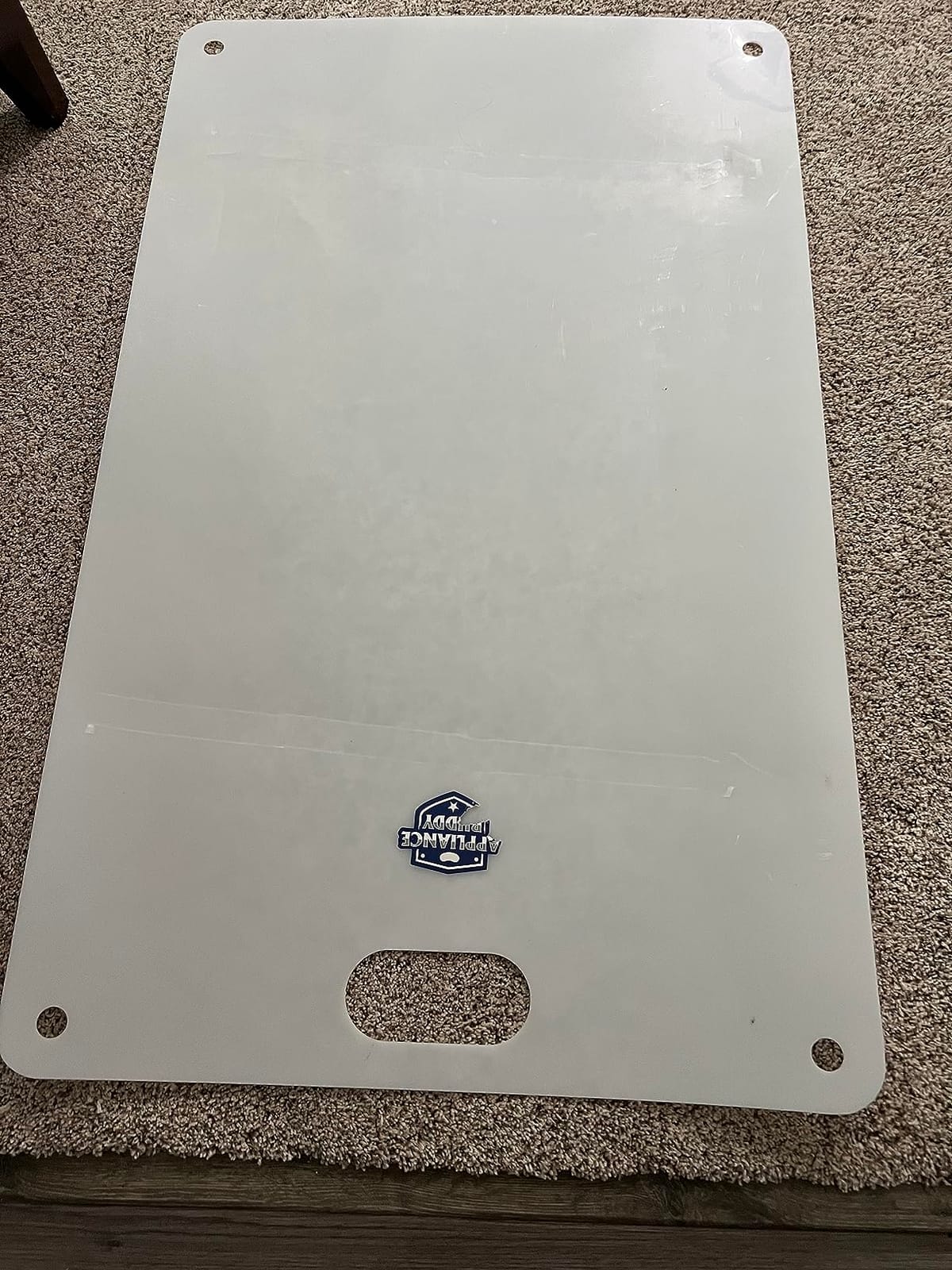
10. Appliance Buddy Moving Mat – Best for Concrete Basement Arcades
Appliance Buddy/Mover – Appliance Slider for Ultimate Floor Protection – Premium Moving Mat for Tile Floors and Hardwood Floors – Glides Easy and Makes Moving Appliances A Breeze
Heavy duty appliance slider mat
Moves refrigerators washers and heavy cabinets
For hard floors including concrete
Reusable and washable
Pros
- Handles very heavy machines with a low profile
- Grips rough and concrete floors where felt fails
- Washable and reusable
- Also handles appliances and safes
Cons
- The priciest option here
- Best for straight pulls not rotations
- Bulk to store between moves
Basement arcades usually sit on bare or painted concrete, and that surface destroys felt pads while defeating small plastic sliders. This moving mat takes a different approach: the whole machine rides on one low-friction mat you pull, the same way movers walk refrigerators and washers across a garage floor.
I pulled a 320-pound cabinet across painted concrete with this mat and a single steady pull, with no pad placement at all. On a rough floor where every smaller slider had caught or stalled, the mat just kept going.
It is rated at 4.3 stars across roughly 334 reviews, which is solid for a specialty moving tool. The dense woven surface survives aggregate textures that shred felt.
The trade-offs are clear. This is the most expensive item in the lineup, it works best for straight pulls rather than spinning a machine in place, and it is one more bulky thing to store between moves.
Where it earns its price is versatility. The same mat moves a laundry pair, a safe, or a pinball cabinet, so a household with heavy anything will find uses beyond the game room.
Care is simple: hose it off or machine wash it when it collects basement grit. Trapped grit under the mat will scratch a sealed floor on the next pull.
Which floors justify a mat
Rough concrete, sealed concrete, garage floors, and any uneven hard surface where pads catch are mat territory. Smooth hardwood and tile are better served by the felt pads, and carpet still belongs to plastic sliders.
If your arcade spans a basement and a main floor, consider a mat for the basement run and pads for the finished floors upstairs.
Pulling technique for heavy machines
Center the machine on the mat, then pull steadily from a low anchor point rather than yanking from the top. Keep fingers out from under the mat edges and stop to recenter if the machine drifts.
Never pull a top-heavy cabinet faster than a slow walk. A machine that gains momentum on a mat is hard to stop, and a tipped cabinet is the worst outcome of any move.
How to Choose Furniture Sliders for Arcade Cabinets?
Choose sliders by matching three things: your floor type, your cabinet’s weight, and the shape of its feet. Get those right and almost any quality pad works, get one wrong and even the best-rated slider will fail.
Weight Capacity: Do the Math Before You Buy
Most standard furniture sliders are rated near 110 pounds per slider, so four pads carry roughly 440 pounds, enough for most arcade cabinets but with little margin for a heavy deluxe machine. Weigh your machine honestly, and remember that a stated shipping weight often excludes monitor glass, power supply, and coin gear that a fully loaded example carries.
For machines above 300 pounds, choose larger pads that spread the load rather than pushing small pads to their limit. A pad at its limit does not fail loudly, it fails by cracking or letting the cabinet foot punch through the foam.
Match the Slider to Your Floor Type
Plastic-base sliders belong on carpet and felt-base sliders belong on hard floors, and mixing the two up is the top cause of bad slider reviews. Felt on carpet grabs and refuses to slide, while hard plastic on hardwood can scratch a finish permanently.
Game rooms cut three ways. Commercial carpet squares and short pile take standard plastic sliders beautifully, thick residential and home theater carpet needs oversized pads like the 9.5 inch ovals, and bare or painted concrete is mat territory where felt shreds and plastic catches.
Slider Size Versus Cabinet Foot Size
Measure the diameter of your cabinet feet before buying anything. The pad should be larger than the foot with room to spare, ideally by an inch or more on each side, so small metal leg levelers of one to two inches sit comfortably on 4.75 inch pads.
Wide molded feet and flat plywood bases need the 9.5 inch options. Undersized pads let the foot sink into the EVA foam grip layer and eventually tear through, usually mid-move.
Loose, Snap-On, or Permanent Glides
Loose pads are cheap and flexible but must be placed before every move and can pop out from under small feet, which is the complaint Pinside users raise most about generic movers. Snap-on pads solve the pop-out problem for pinball and arcade legs, while nail-on PTFE glides or threaded Teflon levelers make a machine permanently slidable.
Consider who uses the room before going permanent. Forum owners with kids report machines sliding when leaned on, so a rock-solid stationary setup with loose pads suits family rooms better than glides that let a cabinet wander.
Sliders Versus Pinball Skates and Dollies
Pinball Skates are wheeled dollies built for pinball machines, and they excel at long repositions and tight rotations that pads handle poorly. The caution from the pinball community is that wheeled products hanging a machine from its leg bolts stress the T-nuts and leg brackets, so pick a design that supports the cabinet body.
A plain furniture dolly plus a two-person lift, one person in front and one guiding from the top, remains the classic arcade move. Pair it with pads at both ends, since the dolly covers distance and the pads cover final placement.
How to Use Furniture Sliders on an Arcade Cabinet?
The safe method is to raise one corner at a time, place a pad under each foot, and push the machine from a low point on the cabinet body. Here is the exact sequence I use.
1. Clear the route first. Move stools, mats, and cables, and sweep the floor, because grit under a pad acts like sandpaper on finished floors.
2. Unplug and secure the machine. Coil the cord onto the cabinet, lock the coin door, and remove anything loose from the control panel.
3. Tilt one corner and place the first pad. Use a lifter tool or a helper, slide the pad under the foot with the foam side up, and lower slowly.
4. Repeat at the remaining corners, working diagonally so the cabinet stays stable, and confirm every foot is centered on its pad before pushing.
5. Push low and slow. Press against the lower cabinet body, never the marquee or control panel, and move one floor length at a time.
6. Rotate by pushing opposite corners in opposite directions. Go slowly, since rotation is where pads are most likely to squirt out from under a foot.
7. Set down by reversing the process. Lift each corner, remove the pad, and lower the foot gently rather than letting it drop the last inch.
One safety note that comes up constantly: do not lay a cabinet flat on its back to make placement easier. The risk is damage to the monitor, control panel parts, and internal brackets, and the lifter-tool approach raises each corner safely without tipping the whole machine.
Frequently Asked Questions
How much weight can furniture sliders move?
Most standard furniture sliders support about 110 pounds per slider, so four sliders carry roughly 440 pounds. A typical arcade cabinet weighs 200 to 400 pounds, which puts most machines within range but leaves little margin for heavy deluxe cabinets. For machines over 300 pounds, use oversized sliders and distribute one pad under each leg or corner.
What are the best sliders for moving heavy furniture and appliances?
For heavy arcade cabinets on carpet, X-PROTECTOR carpet sliders rated near 110 pounds per slider are a reliable choice. On hardwood and tile, felt-base sliders like the X-Protector 4.75 inch pads protect the finish while carrying heavy loads. Snap-On Happy Sliders are the arcade-specific option built for pinball and arcade machine legs, and oversized 9.5 inch pads suit wide feet and flat cabinet bases.
What to use instead of furniture sliders?
Good alternatives include Pinball Skates, which are wheeled dollies designed for pinball machines, a furniture dolly with a two-person lift, a furniture lifter tool paired with slider pads, and permanent Teflon glides or threaded levelers fitted to the cabinet. For solo moves of an arcade cabinet, a lifter tool plus slider pads is usually the safest combination. Avoid wheeled products that hang a machine from its leg bolts, since they strain the T-nuts.
Can you lay an arcade cabinet on its back?
It is not recommended. Laying a cabinet flat risks damaging the monitor, control panel components, and internal hardware, and it can shift brackets and wiring that were never designed to carry weight in that orientation. Instead, lift one corner at a time with a furniture lifter tool or a helper and slide each pad under a foot. Reserve any tipping for machines you have opened and prepped deliberately.
What size furniture sliders for arcade machine legs?
Measure the foot first, then choose a pad at least an inch wider on every side. Small metal leg levelers of one to two inches work well on 4.75 inch round sliders, while wide molded feet and flat plywood bases need 9.5 inch pads. Undersized pads let the foot sink into the foam and tear through, so size up when a machine is heavy or the carpet is thick.
Final Verdict
The best furniture sliders for moving heavy arcade machines are the ones matched to your floor and your cabinet’s feet, not the highest-rated pads on a generic list. For pinball machines and legged uprights, the Snap-On Happy Sliders are the arcade-specific answer that stays put where generic pads pop out. Hardwood and tile rooms should buy the X-Protector 4.75 inch felt sliders, carpeted rooms get the X-PROTECTOR plastic sliders, and anyone with thick carpet or wide cabinet feet should reach for the 9.5 inch pads.
Add the supporting tools as your collection grows: a lifter kit makes solo moves realistic, straps make two-person moves safe, and permanent PTFE glides or Teflon levelers turn frequently moved machines into ones that slide on demand. None of it replaces careful technique, so lift corners one at a time, push low on the cabinet body, and never lay a machine flat on its back.
Measure your feet and your floor, then pick from the table above. Your cabinets, your floors, and your back will all notice the difference on the very next reshuffle.