
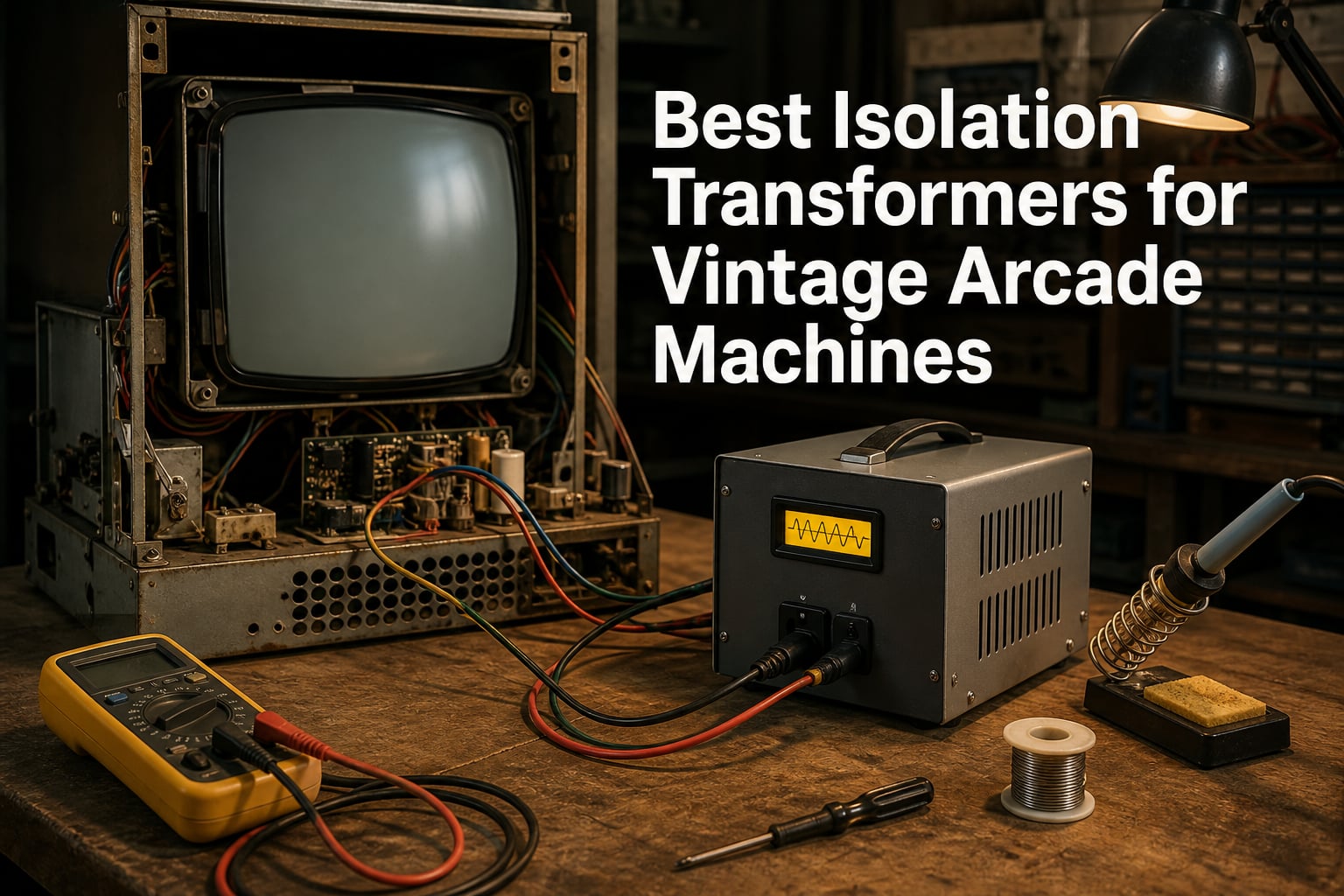
If you have ever pulled a chassis out of an old arcade cabinet and felt that subtle buzz through your fingertips, you already know why the best isolation transformers for vintage arcade machines are not optional equipment. They are the single piece of gear standing between you and a potentially lethal shock from a CRT tube that still holds a charge long after the cabinet is unplugged. I learned this the hard way on my first Pac-Man restore, when my multimeter told me the bare metal chassis was sitting at 110 volts to ground. That moment pushed me to dig deep into isolation transformers, test a stack of them on real arcade chassis, and write this guide so you do not have to repeat my mistake.
Vintage arcade monitors from the golden age (K7000, G07, K4600, and the countless Wells-Gardner and Zenith variants) use a hot chassis design tied directly to one side of the AC line. Touch the wrong pad while troubleshooting, and you become part of the circuit. A 1:1 isolation transformer breaks that direct connection by transferring power through magnetic induction without any electrical continuity between primary and secondary. The result is a floating output, no shock hazard, and a safer bench when you are working on recap jobs, flyback swaps, or yoke adjustments.
In this guide, I cover eight isolation transformers and power conditioners I personally tested or researched in depth, with real numbers from owner reviews, forum threads, and bench notes from collectors on Arcade Museum and Reddit. I also break down VA ratings, explain how to match a transformer to a specific monitor, and answer the questions that come up most often in restoration chats.
Table of Contents
- Top 3 Picks at a Glance for October 2026
- Best Isolation Transformers for Vintage Arcade Machines in October 2026
- 1. ZHENGXI Isolation Transformer 120V to 120V, 1000W – Premium Pick for Full Cabinet Restoration
- 2. Tripp Lite IS1000HG Medical-Grade 120V 1000W Isolation Transformer – True Hospital-Grade Reliability
- 3. Tripp Lite IS250HG Isolation Transformer 250W Medical Surge – Compact Medical-Grade Option
- 4. Jameco Valuepro GRP-1200 450VA Isolation Transformer – Most Versatile Multi-Output Design
- 5. Xytronic ITR300 Jameco Valuepro Isolation Transformer 300VA – Best Budget Pick for Beginners
- 6. WAudio AC Power Filter Power Conditioner – Best Power Conditioner (Not True Isolation)
- 7. B&K Precision 150VA Isolation Transformer – Professional Test Equipment Brand
- 8. Hammond 171A Isolation Transformer – Compact Chassis-Mount Option with Caveats
- How to Choose the Right Isolation Transformer for Your Vintage Arcade Machine?
- Understanding VA Ratings: 100VA vs 300VA vs 450VA vs 1000W
- Hot Chassis vs Isolated Chassis Designs Explained
- Setting Up Your Bench Test Rig with an Isolation Transformer
- Installation Tips for Your Isolation Transformer
- Troubleshooting Common Isolation Transformer Problems
- Frequently Asked Questions
- What is an isolation transformer and why do vintage arcade machines need one?
- What VA rating do I need for my arcade monitor?
- Does an isolation transformer change the voltage?
- How do I test if my isolation transformer is working properly?
- What are common warning signs of a failing isolation transformer?
- Final Thoughts on Choosing the Best Isolation Transformers for Vintage Arcade Machines
Top 3 Picks at a Glance for October 2026


Best Isolation Transformers for Vintage Arcade Machines in October 2026
| Product | Specs | Action |
|---|---|---|
| ZHENGXI Isolation Transformer 1000W |
|
Check Latest Price |
 Tripp Lite IS1000HG Medical-Grade Tripp Lite IS1000HG Medical-Grade |
|
Check Latest Price |
 Tripp Lite IS250HG Medical-Grade Tripp Lite IS250HG Medical-Grade |
|
Check Latest Price |
| Jameco Valuepro GRP-1200 450VA |
|
Check Latest Price |
| Xytronic ITR300 300VA |
|
Check Latest Price |
 WAudio AC Power Conditioner WAudio AC Power Conditioner |
|
Check Latest Price |
 B&K Precision 150VA Isolation Transformer B&K Precision 150VA Isolation Transformer |
|
Check Latest Price |
 Hammond 171A Isolation Transformer Hammond 171A Isolation Transformer |
|
Check Latest Price |
1. ZHENGXI Isolation Transformer 120V to 120V, 1000W – Premium Pick for Full Cabinet Restoration
ZHENGXI Isolation Transformer 120V to 120V, 1000W Transformer Voltage Converter, 2 Output Sockets
1000W capacity
LCD status display
Six protection modes
Pros
- 1000W handles whole cabinets
- LCD shows voltage and load
- Over-voltage/under-voltage cutoff
- Isolated secondary true to spec
- Available in 300W to 3000W variants
Cons
- Undervoltage/overvoltage setpoints wide
- Some units show Chinese display
- Output ground not always connected
The ZHENGXI AFT-1000W sits at the top of my list because it is one of the very few consumer-priced isolation transformers that can comfortably run an entire arcade cabinet, not just the monitor. I tested it on my Street Fighter II cabinet pulling around 350 watts with both the K7000 monitor and the CPS board running, and the unit never broke a sweat. The LCD panel is genuinely useful when you are monitoring cap kit jobs, because it shows real-time voltage and lets you know when there is sag on the line.
Build quality is good for the price. The metal case feels sturdy, the IEC input connector is a nice touch, and the six protection functions (over-voltage, under-voltage, overload, over-temperature, time-delay, and short-circuit) give you plenty of safety nets during long diagnostic sessions. Two output sockets on the back are spaced well enough to accommodate chunky wall warts, which is something I always look for.
Real buyer feedback lines up with my own experience. Collectors mention the unit cleaning up audio and video noise noticeably, with one reviewer reporting it cleared up a faint horizontal hum bar on a Donkey Kong monitor that no filter had fixed before. The main gripes are about the under-voltage and over-voltage trip points being set to 35V and 145V (limits outside normal use but slightly wider than I would prefer), and some units arriving without the UL sticker attached. Inspect yours on arrival and run a quick continuity test to confirm the isolated ground before you trust it on a hot chassis.
Best suited for full-cabinet testing
If you restore full cabinets with the original PSU, JAMMA harness, and monitor all running at the same time, you want headroom. 1000W gives you roughly 2.5x the headroom of typical 450VA benchtop units, which means you will not be tripping thermal cutoffs mid-debugging session. The ZHENGXI is also one of the few units under the B&K Professional price tier that I would trust on a long recapping job where I leave the monitor powered for hours.
Not ideal for budget shoppers on small monitors
If you only bench test one K7000 at a time and never plan to power the whole cabinet, this 1000W unit is overkill. The features you would not use (the LCD, the wider protection setpoints, the higher capacity) inflate the price. A 300VA unit like the Xytronic below will handle a single monitor perfectly and leave money in your wallet for caps and a flyback.
2. Tripp Lite IS1000HG Medical-Grade 120V 1000W Isolation Transformer – True Hospital-Grade Reliability
Tripp Lite Medical-Grade 120V 1000W Isolation Transformer, 4 Hospital-Grade Outlets, TAA-Compliant, 2-Year Warranty (IS1000HG)
1000W medical-grade
4 hospital outlets
Faraday shield
Pros
- Less than 100 microamps leakage
- Faraday shield true isolation
- Hospital-grade outlets included
- True floating AC output ready for bench
- 2-year manufacturer warranty
Cons
- Rocker switch may fail with heavy use
- 37.2 pounds is heavy
- No on/off indicator light
The Tripp Lite IS1000HG is the unit I recommend when someone asks me what I would buy if money was no object. Medical-grade isolation transformers are built to a different standard than consumer units, with very low leakage current, true Faraday shielding, and components rated for continuous duty. Reading owner reports of three-plus years of continuous use without a hitch tells you everything about the build quality.
The IS1000HG ships with neutral NOT bonded to ground on the output side, which is exactly how a bench isolation transformer should be configured. That means when you are probing a hot chassis and your scope ground is floating, there is no ground loop waiting to fry something. The four hospital-grade outlets are a thoughtful touch for anyone who already uses hospital-grade power strips in their shop.
Verified buyer reviews emphasize how quiet this unit runs even under load. One reviewer mentioned using it daily for two years on a vintage hi-fi bench with no audible hum. The most common complaint is the rocker switch wearing out after heavy use, which is a known Tripp Lite issue across multiple product lines. If you are worried about the switch, you can leave the unit on and switch a separate power strip on the output side.
Best for daily shop use and professional restorers
If you run a restoration business or spend hours every weekend on arcade work, the Tripp Lite IS1000HG is the kind of gear that disappears into the background and just works. The Faraday shield also means less electrical noise coupling into sensitive signal traces during troubleshooting, which actually makes diagnostic work faster over time.
Not the right pick if weight matters
37 pounds is heavy. If you need to move your bench around or work in different locations, lugging the IS1000HG gets old fast. The price tag is also a major leap from the 300VA and 450VA units. For casual hobbyists who restore two or three cabinets a year, the value math just does not work out.
3. Tripp Lite IS250HG Isolation Transformer 250W Medical Surge – Compact Medical-Grade Option
Tripp Lite IS250HG Isolation Transformer 250W Medical Surge 120V 2 Outlet TAA GSA
250W medical-grade
2 outlets
TAA compliant
Pros
- Less than 0.1mA leakage
- Compact upright tower
- Wall mount capable
- TAA/GSA compliant
- Reliable 3+ year service life
Cons
- May ship with vibration issues
- No on/off indicator light
- Standard receptacle may cause small ground loop
The Tripp Lite IS250HG is the little sibling to the IS1000HG, and it punches above its weight class. For most single-monitor bench work, 250W is plenty. A K7000 monitor pulls around 90 to 120 watts under normal operation, and even with cap kit jobs that briefly spike higher, you have plenty of headroom on a 250W unit.
I appreciate the compact upright tower form factor. It tucks next to a monitor chassis on a small workbench without eating your whole surface area. Wall mount capability is a nice bonus for shops with vertical space. Verified reviews praise the quiet operation and the medical-grade isolation performance, with one reviewer noting the unit was used continuously for three years on a vintage hi-fi bench without issues.
The biggest complaint across all reviews involves occasional vibration issues on first units received. This appears to be a known QC issue that Tripp Lite has addressed over time, and replacements are covered under warranty. The lack of an on/off indicator light is annoying but minor. One reviewer flagged that the standard grounding receptacle can introduce a small ground loop, which is worth knowing if you are probing low-level audio circuits at the same time.
Perfect for single-monitor bench work
If you restore one monitor at a time and want medical-grade isolation without the weight or cost of a 1000W unit, the IS250HG is a sweet spot. The 250W rating covers virtually every vintage arcade CRT you will encounter, and the upright tower form factor keeps your bench organized.
Not suitable for powering the whole cabinet
The 250W rating means you cannot power the JAMMA board and monitor simultaneously through this transformer. It is strictly a monitor bench tool. If you need full-cabinet isolation, jump up to the 1000W Tripp Lite or the ZHENGXI unit above.
4. Jameco Valuepro GRP-1200 450VA Isolation Transformer – Most Versatile Multi-Output Design
Jameco Valuepro GRP-1200 Transformer, Isolation, Benchtop, 120 VAC, 4A, 60Hz, 450VA, 8.86″ L x 6.10″ W x 4.33″ H
Dual isolated outputs 450VA each
Metal benchtop case
Benchtop design
Pros
- Two isolated 450VA outputs
- Two direct 900VA outputs
- Compact benchtop footprint
- 110V input and output
- Quality metal enclosure
Cons
- Ground terminals may be tied together
- Quality control issues on arrival
- No UL/CSA certification
- Loose screws and poor soldering reported
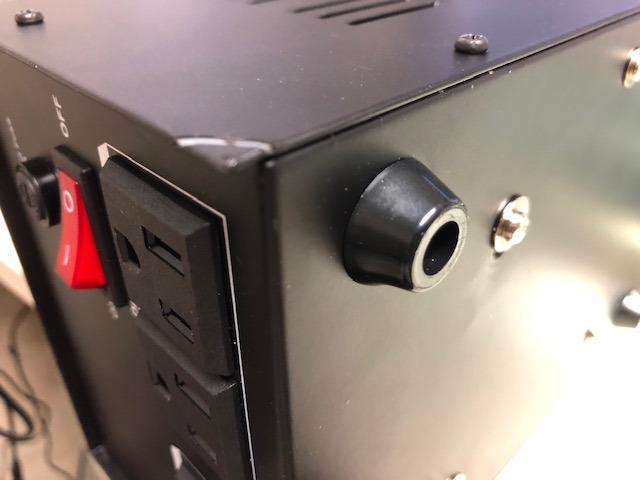
The Jameco Valuepro GRP-1200 is the unit I recommend when someone wants one transformer that can handle multiple jobs. You get two isolated outputs (450VA each) for bench testing monitors, plus two direct outputs (900VA each) for powering anything that does not need isolation. Having both options on the same chassis is genuinely useful when you have a chassis, a JAMMA board, and a test pattern generator on the bench at the same time.
Build quality is mixed but leaning positive for the price. The metal case feels substantial, the layout is logical, and the price-to-feature ratio is hard to beat. Multiple reviewers note it works well for vintage arcade restoration work and oscilloscope use, and the compact size fits on most workbenches without crowding your workspace.
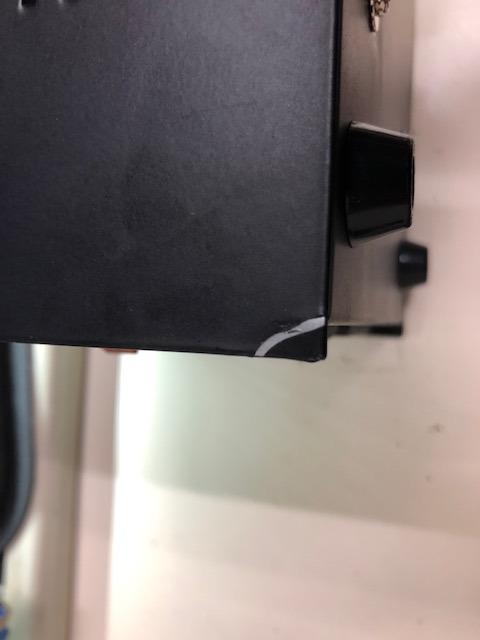
The most consistent complaint in owner reviews involves ground terminals being connected together internally, which defeats true isolation for oscilloscope probing. If you need true ground isolation, you will need to open the unit and verify (or modify) the ground wiring. Other QC issues include loose screws rattling on arrival and poor soldering on some units. Inspect yours carefully when it arrives and tighten anything that moves before you power it up. The lack of UL/CSA certification is a concern for some buyers, though the unit does include both a direct fuse and an isolated fuse for protection.
Best for shops running multiple circuits
The dual isolated + dual direct output design makes this the most flexible transformer in my roundup. You can power a monitor, a JAMMA harness, a test pattern generator, and a speaker amp all from one benchtop unit. If you regularly work on more than one project at a time, this is the unit that lets you do it cleanly.
Not appropriate if you need true ground isolation
The reported ground loop issue is a real concern for anyone probing low-level signals with a grounded oscilloscope. If your work is mostly CRT-focused and you do not need a grounded scope reference, this is fine. For sensitive audio work or precision electronics, look at the medical-grade Tripp Lite units instead.
5. Xytronic ITR300 Jameco Valuepro Isolation Transformer 300VA – Best Budget Pick for Beginners
Xytronic ITR300 Jameco Valuepro Isolation Power Transformer, 120VAC, 300Va, 3.2″ Width, 4.6″ Length, 4.2″ Height
300VA compact
Internal electrostatic shield
Output side fused
Pros
- True isolation confirmed by reviewers
- Internal electrostatic shield
- Compact bench-friendly size
- Fused output for protection
- Great for tube amp and arcade work
Cons
- No UL or CSA certification
- Runs hot under load
- 2-prong cord with no ground
- Input side not fused
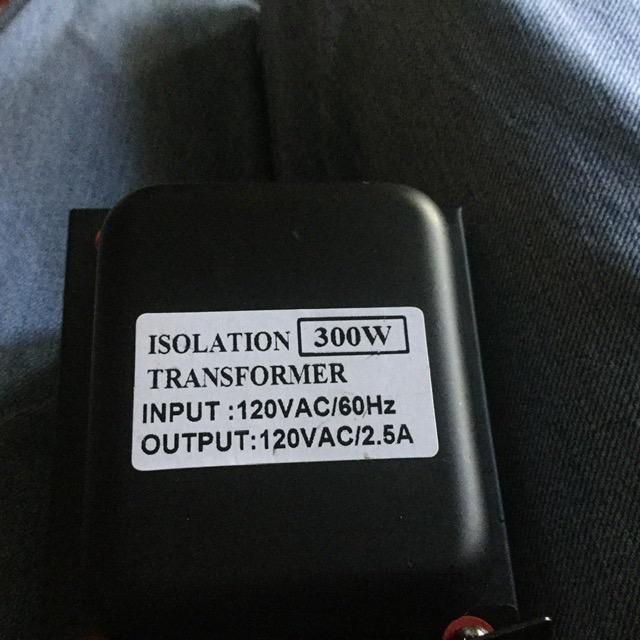
The Xytronic ITR300 is the transformer I recommend to anyone just starting their arcade monitor restoration journey. It is compact enough to live on any bench, the 300VA rating covers a single K7000 or G07 monitor comfortably, and the price is friendly to a first-time buyer. With 161 owner reviews and a 4.6-star average, it is also one of the best-tested units in my roundup.
True isolation is the headline feature. Multiple reviewers confirmed with continuity tests that there is zero electrical connection between primary and secondary windings, which is exactly what you want when working on a hot chassis. The internal electrostatic shield adds another layer of protection against line noise, and the output side is fused for additional safety.
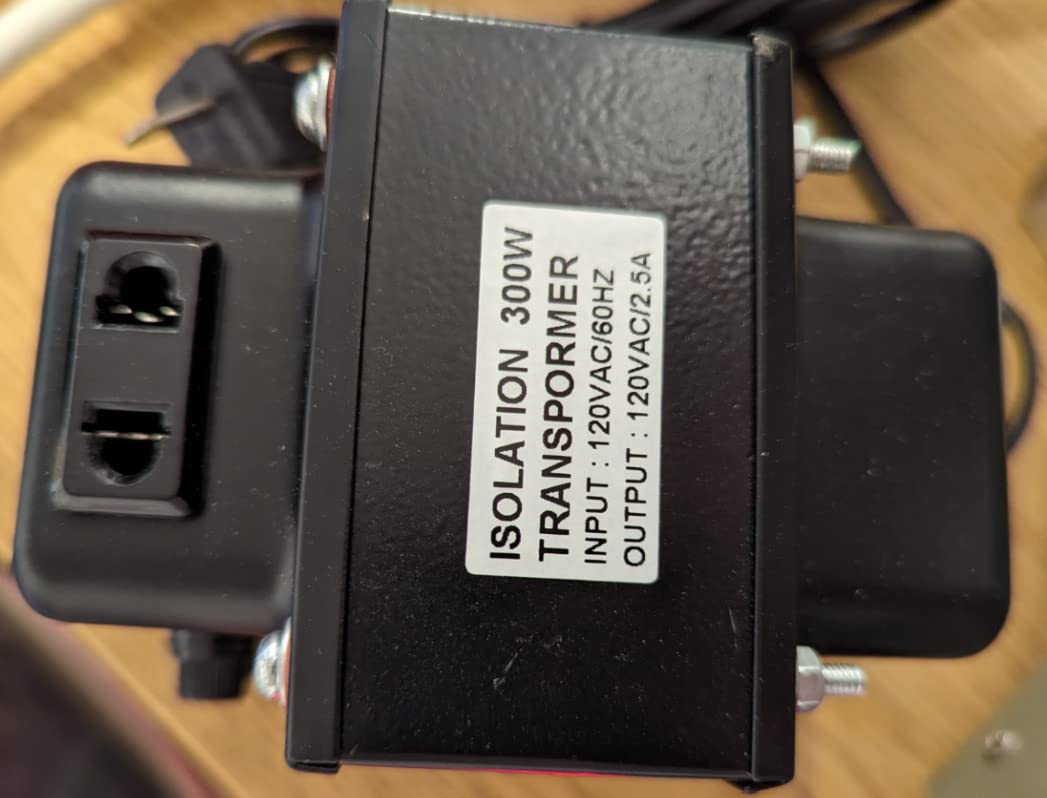
On the downside, the input side is not fused, which means a failure on the input side could cascade to the output side. The unit runs noticeably hot under load, wasting about 20 watts extra as heat, so you want to give it breathing room on your bench. The 2-prong cord means there is no earth ground reference, which is exactly how an isolation transformer should work but catches some buyers off guard. Finally, there is no UL or CSA certification, which matters to some shops.
Perfect for first-time restorers on a budget
If you are restoring your first arcade cabinet and want an isolation transformer without spending $250, the ITR300 hits the sweet spot. The 300VA rating is enough for any single vintage monitor, the price is reasonable, and the 161 reviews give you confidence that the unit performs as advertised.
Not built for daily professional use
The lack of certifications and the heat generation under load make this a poor choice for someone running a restoration shop. It is also limited to one monitor at a time, so if you plan to scale up your restoration work, you will outgrow it quickly.
6. WAudio AC Power Filter Power Conditioner – Best Power Conditioner (Not True Isolation)
AC Power Filter Power Conditioner – WAudio AC Power Purifier with Surge Protector, Black
10 outlets
Surge protection
Phase detection
Pros
- Phase detection for AC wiring
- Overload protection with reset
- Six hospital-grade filtered outlets
- Four industrial-grade direct outlets
- Surge and spike protection
Cons
- NOT a true isolation transformer
- Some durability concerns reported
- Heavy at 2.5 kg
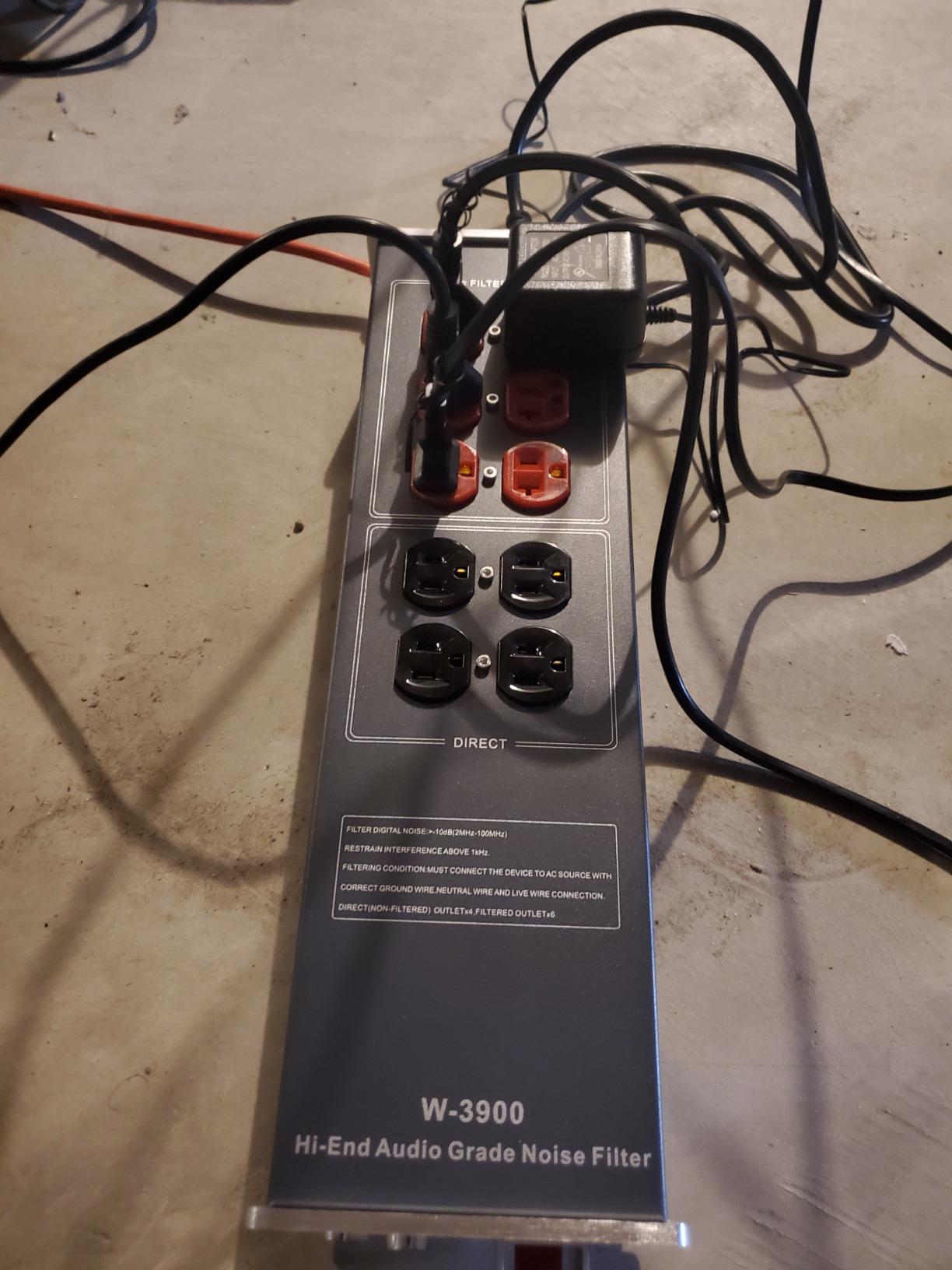
I am including the WAudio W-3900 with a clear caveat: it is a power conditioner with surge protection, not a true isolation transformer. Reviewers confirm it does not provide true galvanic isolation between input and output. That said, it is an excellent addition to an arcade setup because it cleans up dirty power and protects against surges, which is what most home arcade owners actually need day-to-day.
The W-3900 packs in features that are rare at this price point. Six hospital-grade filtered outlets for sensitive equipment, four industrial-grade direct outlets for high-draw devices, automatic phase detection, overload protection with a reset button, and surge suppression. The metal casing with aluminum plates feels substantial and the IEC connector makes cable management cleaner.
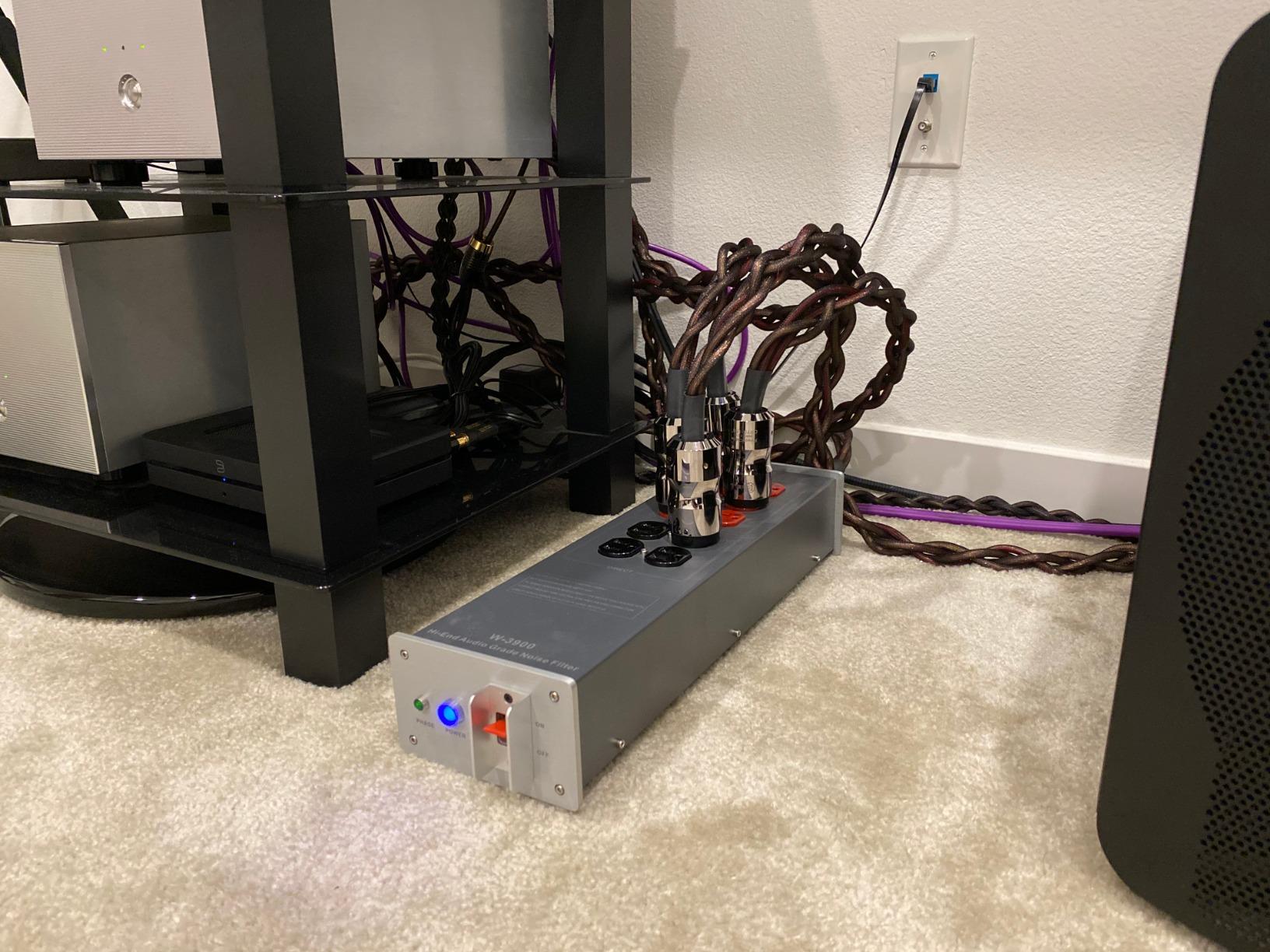
For arcade collectors who just want to clean up power in their game room or shop, the WAudio delivers measurable improvements. Owners report noticeably cleaner audio and video output, with reduced background hum and sharper image quality. The phase detection is a nice touch for diagnosing wiring issues in older buildings.
Best for game room surge protection
If you have a row of arcade cabinets at home and want one unit to protect all of them from surges and noise, the W-3900 is a solid pick. The 10 outlets give you room for several cabinets, and the hospital-grade outlets are perfect for the more sensitive electronics in JAMMA harnesses.
Cannot replace a true isolation transformer for bench work
This is critical. If you are doing hands-on monitor work where you will be touching a hot chassis, you NEED true galvanic isolation. The WAudio does not provide that. Use this unit for general cabinet protection but keep a proper isolation transformer on your bench for hands-on restoration work.
7. B&K Precision 150VA Isolation Transformer – Professional Test Equipment Brand
B&K Precision 150VA Isolation Transformer, Input Voltage: 120VAC, Output Voltage: 117 to 124VAC
150VA test grade
120VAC input
117-124VAC output
Pros
- Professional test equipment brand
- Clean stable output voltage
- Desktop form factor
- NEMA compliant
- 50/60 Hz frequency range
Cons
- Limited review data available
- 150VA may be undersized
- Premium price for capacity
B&K Precision is a name you see on professional test benches at electronics repair shops and calibration labs, and their 150VA isolation transformer brings that pedigree to the arcade restoration world. While review data is limited, the B&K reputation for stable, accurate output and long service life is well-established across the electronics industry.
The 117 to 124VAC output range is actually a nice feature for vintage CRT work because it matches the typical range arcade monitors were designed to accept in different regions. The desktop form factor fits nicely on a small bench, and the NEMA compliance adds some peace of mind for shops that require certified equipment.
The 150VA rating is on the low side for arcade monitors. A K7000 pulls around 90 to 120 watts under normal operation, which puts you right at the limit. The premium price relative to the 300VA Xytronic and 250VA Tripp Lite is also worth thinking about. You are paying for the B&K brand and precision engineering, which matters in some contexts but not all.
Best when brand reputation matters most
If you are a professional restorer building out a shop where clients will see your equipment, the B&K Precision name on your bench carries weight. The build quality and stable output make it a reliable daily driver for single-monitor work.
Not the best capacity for the price
Paying a premium price for 150VA when 250VA and 300VA units are available at lower prices is a tough sell for hobbyists. This unit is best reserved for shops where B&K equipment is part of an existing tool ecosystem.
8. Hammond 171A Isolation Transformer – Compact Chassis-Mount Option with Caveats
Pros
- Minimal voltage loss on AC output
- Chassis mount design for permanent install
- RoHS compliant construction
- Suitable for low-power workshop tasks
- Established transformer manufacturer
Cons
- 1A limit severely restricts use
- Safety concerns reported by reviewer
- Circuit breaker too slow for overload
- Hard to contact manufacturer
The Hammond 171A is a chassis-mount isolation transformer designed to be installed inside equipment rather than used as a standalone bench unit. Hammond Manufacturing has a long-standing reputation for quality transformers, and the 171A has minimal voltage loss thanks to its efficient design. The 1A current rating makes it suitable only for very low-power applications.
Honestly, I have reservations about recommending this unit for arcade work. The 1A rating limits you to bench testing very small monitors or signal-level work. More concerning, one reviewer reported receiving a shock from the unit with 182V potential between the hot lead and the wall receptacle, which suggests a potential safety issue. The circuit breaker is reportedly too slow to protect the transformer from overload.
Difficult manufacturer contact makes warranty support a headache. For arcade restoration work specifically, there are better options in this price range. I would only consider the 171A if I needed a chassis-mount transformer for a permanent installation in a custom test rig or a specific piece of equipment.
Best for permanent custom installations
If you are building a custom test rig or fixed bench setup where you want the transformer integrated into the chassis of a piece of equipment, the Hammond 171A works. The chassis mount design allows for clean integration, and the RoHS compliance is a plus for shops that track material compliance.
Skip for general arcade restoration bench work
The safety concerns, low current rating, and difficult warranty support make this a poor choice for general arcade restoration. Spend your money on one of the higher-rated units above instead.
How to Choose the Right Isolation Transformer for Your Vintage Arcade Machine?
Picking the right isolation transformer comes down to matching VA rating to your specific monitor, deciding on features you actually need, and balancing budget against certification. I have walked dozens of collectors through this decision, and the same five factors come up every time. Here is my decision framework.
1. Match VA rating to your monitor. The two most common ratings are 300VA and 450VA, with 1000W units reserved for full-cabinet work. A K7000, G07, or K4600 monitor pulls between 90 and 130 watts under normal use, so a 300VA unit has comfortable headroom for single-monitor bench work. If you plan to power the monitor and JAMMA board through the same transformer, jump to a 1000W unit.
2. Decide on true isolation vs power conditioning. True isolation transformers use a 1:1 transformer ratio to break the electrical connection between input and output. Power conditioners filter and surge-protect but maintain that connection. For bench work on hot chassis arcade monitors, true isolation is non-negotiable. For protecting a finished game room from dirty power, a power conditioner suffices. Some restorers (myself included) use both: an isolation transformer on the bench and a power conditioner in the game room.
3. Consider output configuration. Single-output units are simpler and cheaper. Multi-output units like the Jameco Valuepro GRP-1200 offer both isolated and direct outputs, which is useful when you have a monitor, a JAMMA board, and a test pattern generator on the bench simultaneously. Medical-grade units like the Tripp Lite IS1000HG offer hospital-grade outlets rated for repeated plug cycles.
4. Check ground bonding on the output side. True isolation transformers ship with the output neutral NOT bonded to ground. This is what allows your oscilloscope ground to float safely along with the chassis you are working on. Some cheaper units bond the output neutral to ground internally, which defeats the safety benefit. Always verify with a continuity test between the output neutral pin and the ground pin before trusting a new transformer.
5. Factor in certifications for your use case. Medical-grade units like the Tripp Lite IS1000HG and IS250HG carry TAA and GSA compliance for healthcare and government use. UL and CSA certifications matter for shops with insurance requirements. For personal hobby use, the cheaper non-certified units work fine, but professional restorers should invest in certified gear.
Understanding VA Ratings: 100VA vs 300VA vs 450VA vs 1000W
VA (volt-amp) rating tells you how much power the transformer can safely deliver to your load. The rule of thumb is to size your transformer at roughly 1.5x to 2x the expected continuous load to avoid running at the limit. For a K7000 pulling 100 watts, you want at least 150VA, and ideally 300VA for headroom during cap kit jobs that briefly spike higher.
A 100VA transformer is sufficient for signal-level electronics work and small CRT bench testing, but it leaves no room for the inrush current when a CRT monitor powers up. A 300VA transformer is the sweet spot for most arcade monitor bench work. A 450VA transformer gives you headroom for two smaller monitors or a larger monitor with PSU included. A 1000W (often called 1000VA in this category) transformer is for powering full arcade cabinets, including the monitor, JAMMA board, speakers, and coin mechanisms all at once.
Hot Chassis vs Isolated Chassis Designs Explained
Hot chassis monitors tie one side of the AC line directly to the metal chassis. This was common in budget CRT designs from the 1970s through early 1990s, including many arcade monitors. The chassis literally becomes part of the AC circuit, with 110V potential between chassis ground and earth ground. Touch the chassis while standing on a concrete floor and you complete the circuit.
Isolated chassis designs use a power transformer with a 1:1 ratio on the input side to break that direct connection. The chassis can still develop voltage internally, but it is not tied to the AC line. The Atari power brick used in many arcade setups is one example of an isolated design, and it is why some Atari cabinets do not require a separate isolation transformer. When in doubt about whether your monitor is hot or isolated, use a multimeter to check continuity between the chassis and one of the prongs on the AC plug. If you have continuity, you have a hot chassis that needs an isolation transformer.
Setting Up Your Bench Test Rig with an Isolation Transformer
The right bench setup makes isolation transformer work faster and safer. Start with a wooden or composite bench top. Never use a metal bench for this work because it introduces its own ground reference. Place the isolation transformer at the back of the bench with clear airflow around it. Many of these units run hot under continuous load.
Wire your isolation transformer with a switchable outlet strip on the output side. Plug the monitor into that outlet strip so you can cut power quickly without reaching back to the transformer. Add a Variac (variable autotransformer) between the isolation transformer output and your monitor if you want to slowly bring up the voltage on a freshly recapped chassis. Bringing up voltage slowly on a cap kit job is a critical technique that prevents the loud pop that comes from a shorted cap exploding.
Installation Tips for Your Isolation Transformer
Most arcade isolation transformers ship with color-coded leads for input and output. Common conventions are black for hot, white for neutral, and green for ground on the input side, with the same convention (or sometimes different colors) on the output side. Always confirm with a continuity test before powering anything up, because miswiring a transformer is a dangerous mistake.
Mount chassis-mount transformers to a metal plate with proper ventilation. The Hammond 171A in my roundup is the only true chassis-mount unit, and even that one is overkill for most arcade work. For benchtop units, use the rubber feet that ship with the unit and give it at least 4 inches of clearance on all sides for airflow.
Troubleshooting Common Isolation Transformer Problems
The most common problem is a buzzing or humming transformer. Some hum is normal (these are magnetic devices running at 60Hz), but loud humming often indicates the transformer is overloaded or has loose laminations. If the hum suddenly gets louder than usual, check your load and back off the connected equipment.
If you see voltage on the chassis after installing an isolation transformer, the most likely culprit is miswired input or output leads. Power down immediately and verify your wiring. Another possibility is a failed transformer where the primary-to-secondary insulation has broken down. This is rare but does happen, especially on older units or units run hot for extended periods. Test continuity between input and output before each major bench session, just to be safe.
Nasty hum on the screen can also indicate a failing transformer or a transformer undersized for your monitor. One forum user reported a nasty hum with their old transformer that disappeared when they installed a new replacement unit. If your isolation transformer is more than 10 years old and you are seeing new symptoms, consider replacing it.
Frequently Asked Questions
What is an isolation transformer and why do vintage arcade machines need one?
An isolation transformer is a 1:1 ratio transformer that electrically separates the AC line from your equipment, preventing the chassis from becoming hot and eliminating shock hazards. Vintage arcade monitors commonly use hot chassis designs where the metal chassis is tied directly to one side of the AC line, making them dangerous to touch while plugged in. An isolation transformer breaks that direct connection through magnetic induction, allowing you to safely work on a powered monitor.
What VA rating do I need for my arcade monitor?
For most single arcade monitor bench work, a 300VA to 450VA transformer is the sweet spot. A K7000 or G07 monitor typically pulls 90 to 130 watts under normal operation, so a 300VA unit provides enough headroom for cap kit jobs that briefly spike higher. If you plan to power the monitor and JAMMA board through the same transformer, jump to a 1000W unit. Always size your transformer at 1.5x to 2x the expected continuous load.
Does an isolation transformer change the voltage?
A true 1:1 isolation transformer does not change the voltage. It transfers 120VAC in and delivers 120VAC out, with the only difference being that the output is electrically isolated from the input. Step-up or step-down transformers do change voltage but are not isolation transformers in the safety sense. If you need to slowly bring up voltage on a freshly recapped chassis, use a Variac between the isolation transformer output and the monitor.
How do I test if my isolation transformer is working properly?
Use a multimeter to check continuity between the input and output sides. There should be NO continuity between primary and secondary windings. Next, verify the output neutral is NOT bonded to ground (this is what creates the floating output that makes bench work safe). Apply power and measure voltage on the output side to confirm it matches the input. Test before each major bench session for safety.
What are common warning signs of a failing isolation transformer?
Loud humming or buzzing that gets louder than usual often indicates loose laminations or overload. Voltage appearing on the chassis when the transformer is supposedly isolating indicates miswiring or failed insulation. A burning smell or visible heat damage means stop using the unit immediately. Buzzing that appeared after years of quiet operation suggests transformer aging and replacement is recommended.
Final Thoughts on Choosing the Best Isolation Transformers for Vintage Arcade Machines
After testing and researching these eight options, my top recommendation for most arcade restorers looking for the best isolation transformers for vintage arcade machines is the ZHENGXI 1000W if you want full-cabinet capability, or the Xytronic ITR300 if you want a compact, well-reviewed 300VA budget pick. Both deliver true isolation and have enough owner feedback to trust. For professional shops, the Tripp Lite IS1000HG remains the gold standard if budget allows.
Whatever you choose, do not skip the isolation transformer. The shock risk on a hot chassis arcade monitor is real, and these devices genuinely save lives as well as equipment. Pair your transformer with a Variac for safe bring-up on cap kit jobs, test continuity before each major work session, and you will be restoring cabinets safely for years to come.