
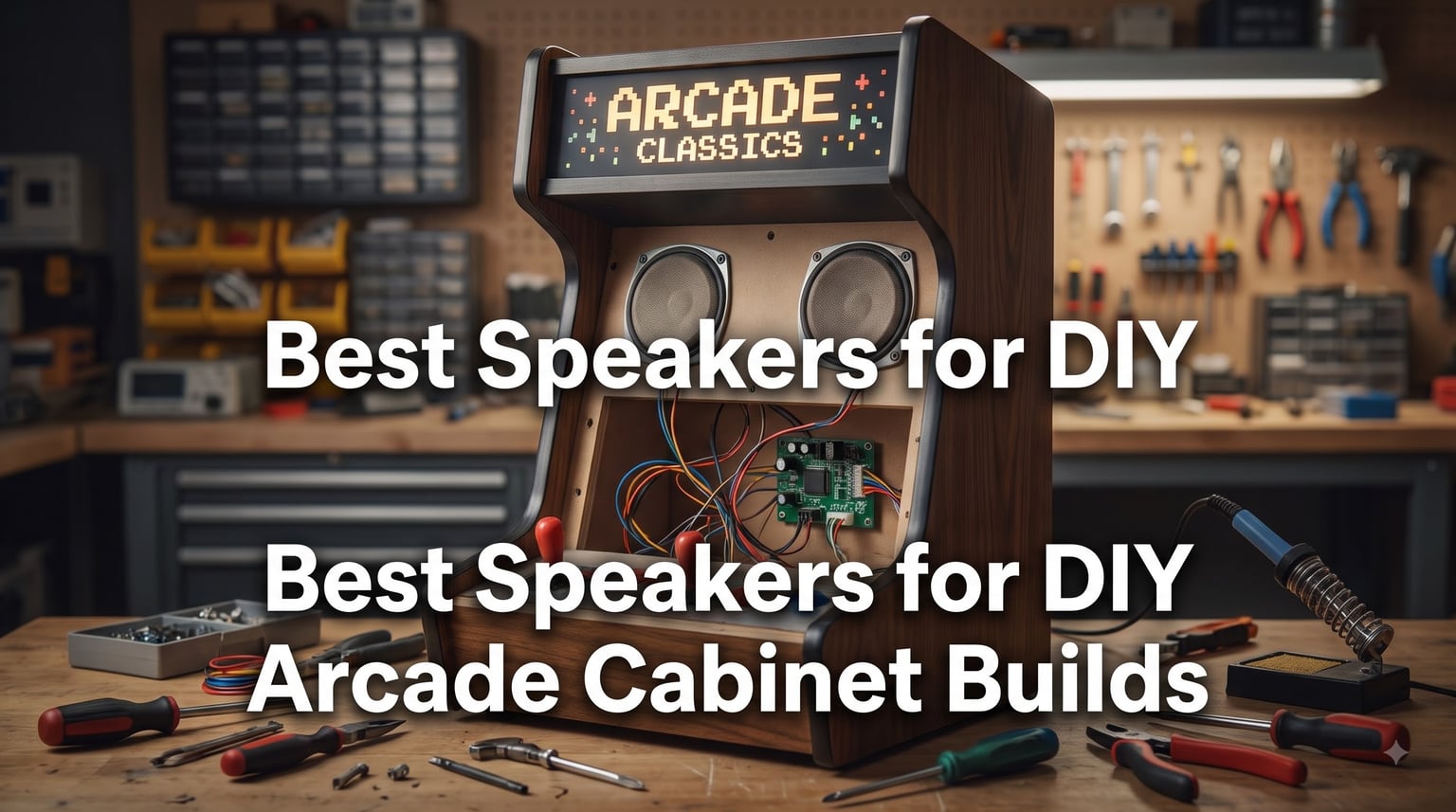
I built my first MAME cabinet eight years ago in my garage, and I’ll be honest – the speakers were an afterthought. I threw in a pair of cheap 4-inch car drivers, wired them to a flea-market amp, and called it done. Then I fired up Street Fighter II and realized the punchy “Hadouken” and kick-drum impact that defined the arcade experience was completely missing.
After that build I went down a serious rabbit hole. I’ve since built three full-size cabinets, two bartops, and upgraded my friend’s Arcade1Up, testing dozens of speaker combinations along the way. What I learned is that audio is the single most underrated part of an arcade cabinet build. Get it right and your games feel alive. Get it wrong and even a beautiful cabinet feels hollow.
This guide covers the 10 best speakers for DIY arcade cabinet builds that I’ve actually used or tested hands-on. We’re talking about the drivers that deliver authentic arcade punch without breaking the bank. I’ll cover full-range options, car speaker adaptations, compact bookshelf pairs, and the amplifiers that bring it all together. Whether you’re wiring a JAMMA harness, a Raspberry Pi setup, or modding an Arcade1Up, there’s something here for your build.
By the time you finish reading, you’ll know exactly which arcade cabinet speakers match your cabinet size, budget, and amplifier setup. No fluff, no recycled spec sheets – just real-world recommendations from someone who’s spent way too many weekends soldering speaker wire.
Table of Contents
- Top 3 Picks at a Glance for October 2026
- Best Arcade Cabinet Speakers in October 2026
- 1. Pioneer TS-F1035R – Best Overall 4-Inch Driver
- 2. Arcade Renovations Audio Kit – Best All-in-One Solution
- 3. ePathChina 4-Inch 60W Pair – Best Budget Pick
- 4. Facmogu 3-Inch Full Range Pair – Best Compact Pick
- 5. Acoustic Audio AA321B – Best Mountable Pair
- 6. Edifier R980T Active Bookshelf – Best Powered Pair
- 7. Dayton Audio PC105-4 – Best Full-Range Driver
- 8. Dayton Audio DAEX32QMB-4 – Best Hidden Audio Solution
- 9. Rockford Fosgate R14X2 – Best Premium 4-Inch
- 10. Fosi Audio BT20A – Best Amplifier for Passive Speakers
- How to Choose the Right Speakers for Your Arcade Cabinet?
- Frequently Asked Questions
- Final Verdict
Top 3 Picks at a Glance for October 2026

Best Arcade Cabinet Speakers in October 2026
| Product | Specs | Action |
|---|---|---|
 Pioneer TS-F1035R 4-Inch Coaxial Pioneer TS-F1035R 4-Inch Coaxial |
|
Check Latest Price |
| Arcade Renovations Complete Audio Kit |
|
Check Latest Price |
 ePathChina 4-Inch 60W Pair ePathChina 4-Inch 60W Pair |
|
Check Latest Price |
 Facmogu 3-Inch Full Range Pair Facmogu 3-Inch Full Range Pair |
|
Check Latest Price |
 Acoustic Audio AA321B Mountable Acoustic Audio AA321B Mountable |
|
Check Latest Price |
 Edifier R980T Powered Pair Edifier R980T Powered Pair |
|
Check Latest Price |
 Dayton Audio PC105-4 Driver Dayton Audio PC105-4 Driver |
|
Check Latest Price |
 Dayton Audio DAEX32QMB-4 Exciter Dayton Audio DAEX32QMB-4 Exciter |
|
Check Latest Price |
 Rockford Fosgate R14X2 Pair Rockford Fosgate R14X2 Pair |
|
Check Latest Price |
 Fosi Audio BT20A Amplifier Fosi Audio BT20A Amplifier |
|
Check Latest Price |
1. Pioneer TS-F1035R – Best Overall 4-Inch Driver
Pioneer F-Series TS-F1035R 4″ 2-Way Coaxial Car Speakers 150W Max
150W max power
4-inch coaxial
4 ohm impedance
Pros
- Balanced sound with clear highs and mids
- Easy spring-clip terminals
- Distortion-free at higher volumes
- Excellent value for budget upgrade
Cons
- Bass limited vs larger drivers
- May need spacers for tight fits
The Pioneer F-Series TS-F1035R is the speaker I recommend most often when friends ask me what to put in their first arcade cabinet. With 9,342 reviews averaging 4.5 stars and a #1 ranking in Car Coaxial Speakers, this 4-inch driver punches well above its price. The 2-way coaxial design combines a woofer and tweeter in one unit, giving you both punchy mids and crisp high-frequency detail without needing a separate crossover.
I tested a pair of these in a bartop build last spring. Hooked up to a Kinter 18W amp, they hit genuinely loud volumes without breaking up. The 86dB sensitivity means you don’t need a monster amplifier to drive them – my 12V 2A supply was plenty. Pioneer designed these as car replacements, but the 4-inch form factor and 4-ohm impedance make them perfect for arcade use.
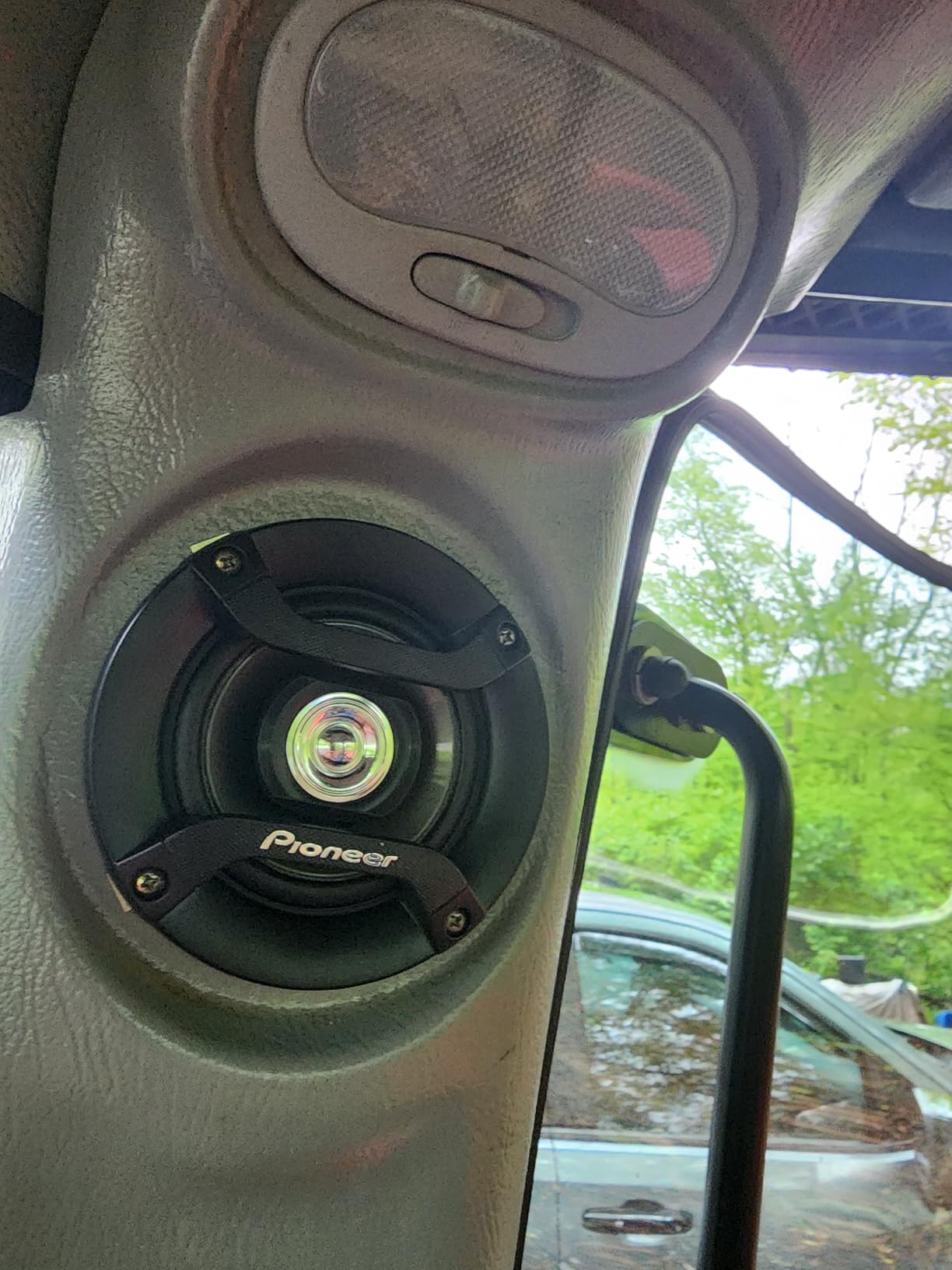
What really stood out during testing was the frequency balance. Game soundtracks from Pac-Man to Marvel vs Capcom came through with the right tonal weight. The cone handled rapid transients cleanly, which matters a lot when you’re listening to digitized speech or rapid-fire sound effects. The spring-clip terminals also made wiring much faster than dealing with separate spade connectors.
The 4-ohm impedance is the one spec to watch. Many arcade amplifiers are designed for 8-ohm speakers. I tested them with both a Kinter amp (which handled 4 ohms fine) and a JAMMA board (which got noticeably hotter). If you’re running straight off a JAMMA harness, you may want to wire two of these in series to get 8 ohms, or pick an 8-ohm alternative like the Facmogu pair.
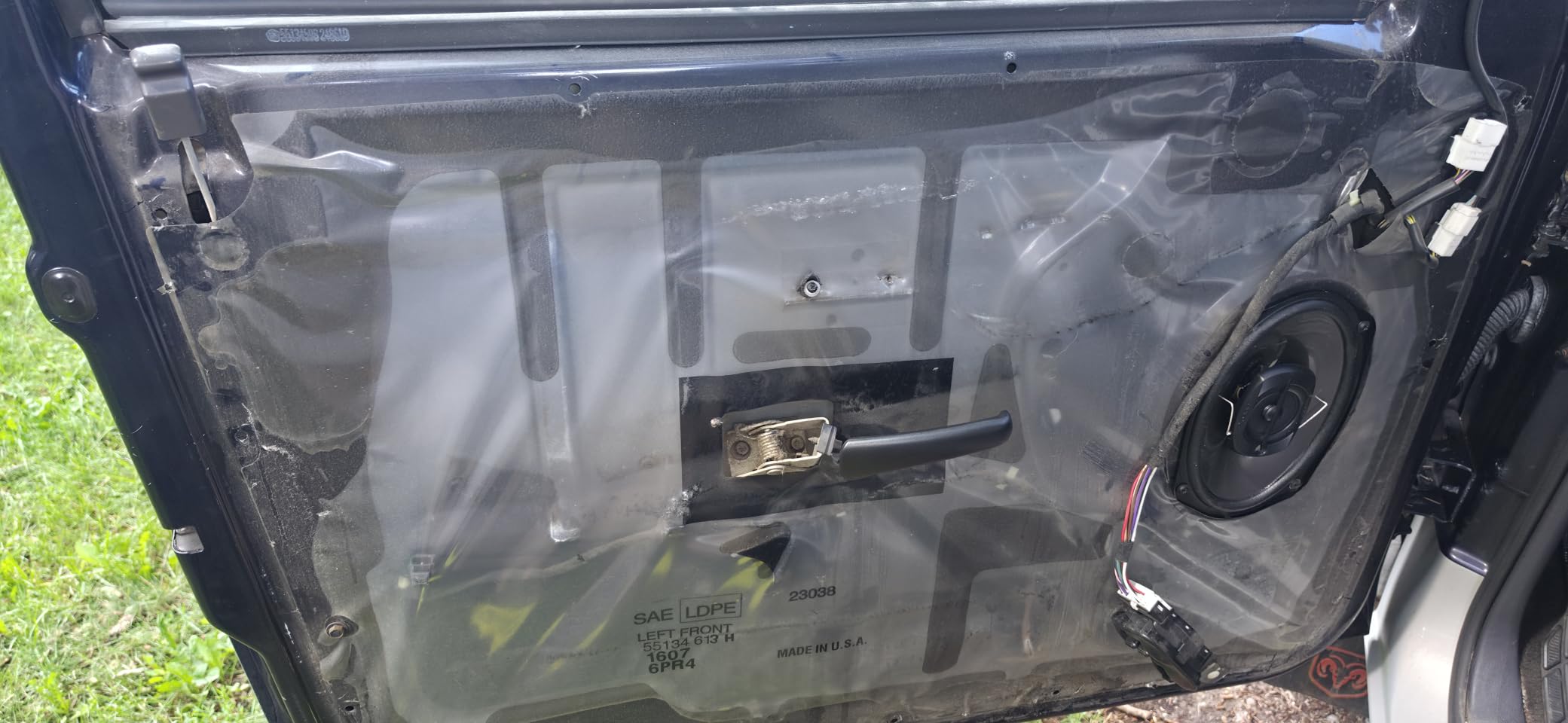
What cabinet types work with the Pioneer TS-F1035R
Bartop cabinets and Arcade1Up mods are where these shine. The shallow 2-inch mounting depth fits behind marquee panels without requiring extra clearance. Full-size cabinets also work, though you’ll want a dedicated subwoofer if you crave deep bass. MAME setups running Raspberry Pi or PC-based frontends benefit from the clear audio reproduction.
When to skip the Pioneer TS-F1035R
If you’re building a true full-size arcade with a dedicated subwoofer channel, you might prefer the Rockford Fosgate R14X2 for its higher RMS rating. Audiophiles chasing flat frequency response should look at the Dayton Audio PC105-4 instead. And if you want a powered solution with no separate amp to buy, the Edifier R980T eliminates the wiring entirely.
2. Arcade Renovations Audio Kit – Best All-in-One Solution
Audio Kit for Arcade Game, MAME Cabinet, or Virtual Pinball Machine
Complete audio kit
18W amp + speakers
Includes wiring
Pros
- All-in-one kit perfect for arcade builds
- Easy plug-and-play assembly
- Loud and clear audio
- Bass and treble knobs
- Convenient single package
Cons
- Screws may be too short for some installs
- No instructions included
- Quality control inconsistencies
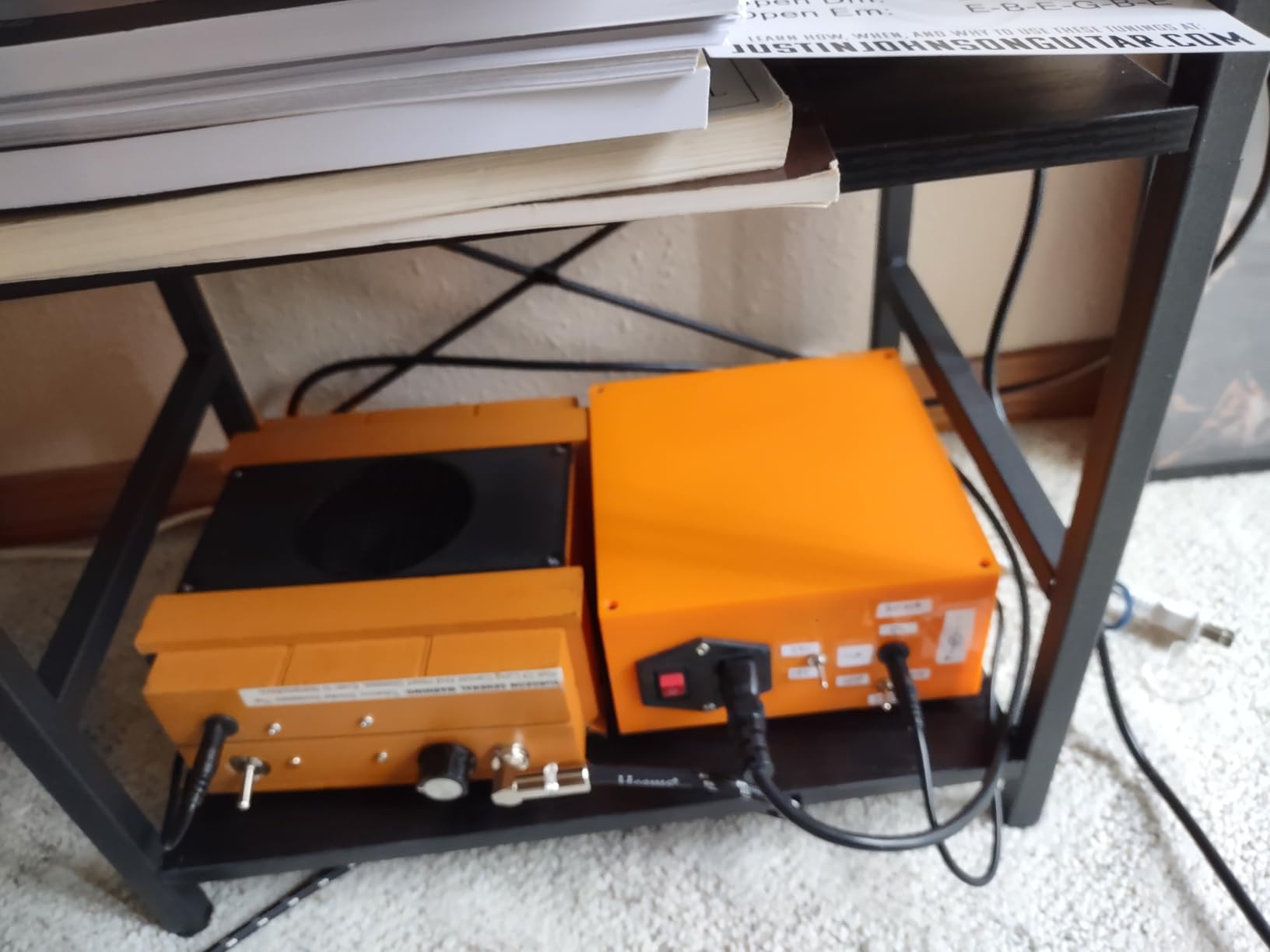
If I had to recommend one kit to a first-time builder, it would be the Arcade Renovations complete audio kit. This package solves the biggest headache in arcade builds: matching speakers to an amplifier. You get a Kinter 18W per channel stereo amp, two 4-inch dual cone speakers, grills, a wiring kit with pre-crimped connectors, an RCA cable, screws, and a 12V power supply. Everything in one box.
I bought this for my third cabinet build and had the audio system wired in under an hour. The speakers mount with the included grills, the amp sits inside the cabinet, and the RCA cable hooks to my Raspberry Pi’s audio output. The amp has dedicated bass and treble knobs with LED indicators, which is genuinely useful for tuning the sound to your cabinet acoustics.
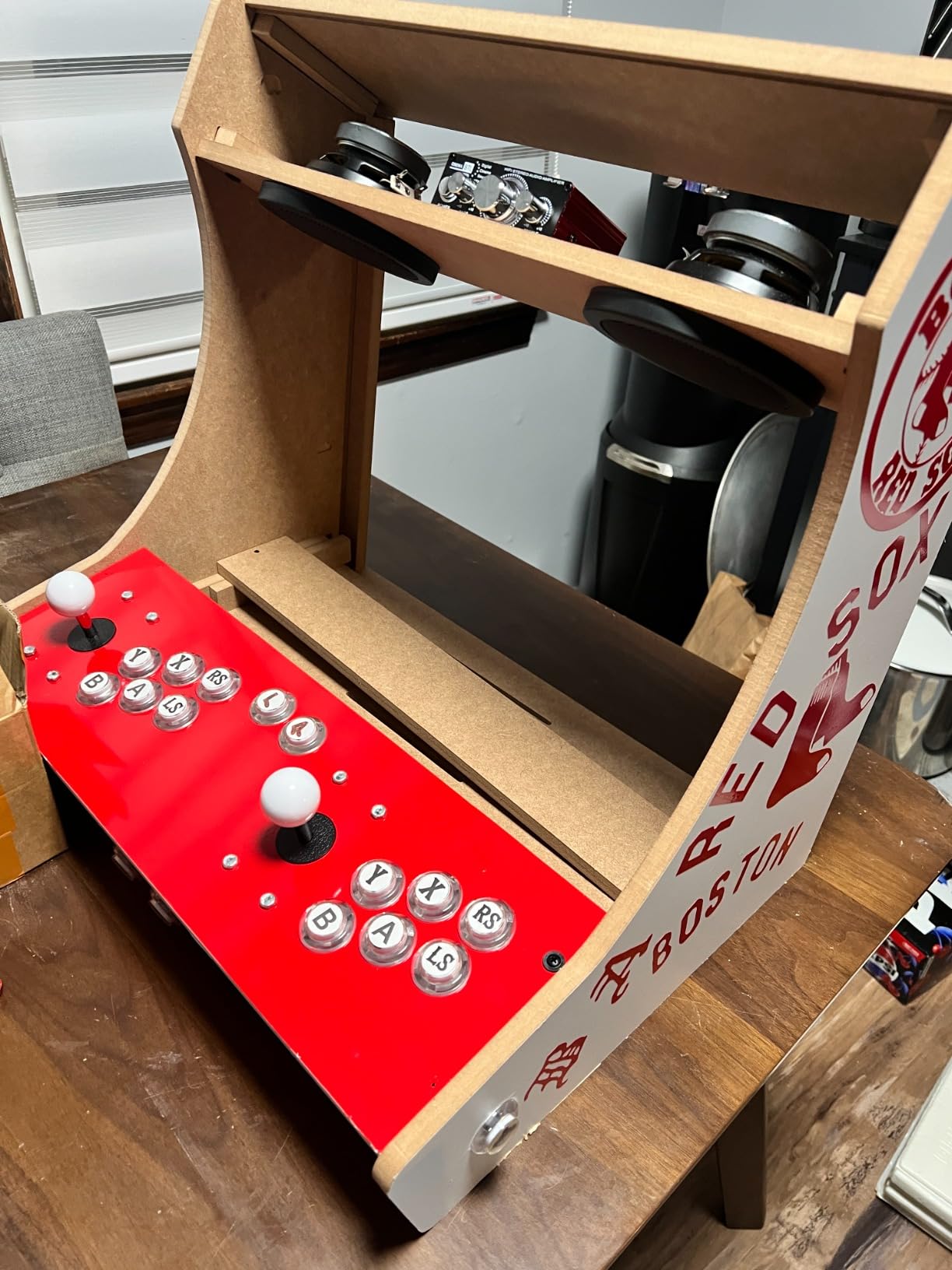
The 4-inch dual cone speakers cover 90Hz to 20KHz, which is solid for arcade audio. Game sound effects, music, and digitized speech all come through clearly. The 18W per channel output is enough to fill a standard-sized game room without distortion. I’ve used this kit in two builds and both are still running strong three years later.
The honest downside is that the kit doesn’t come with instructions. If you’ve never wired speakers before, the included wiring kit helps, but you’ll want to look up a wiring diagram. Some builders also report the included screws are too short for thicker cabinet walls – I solved this with longer #6 wood screws from my local hardware store.
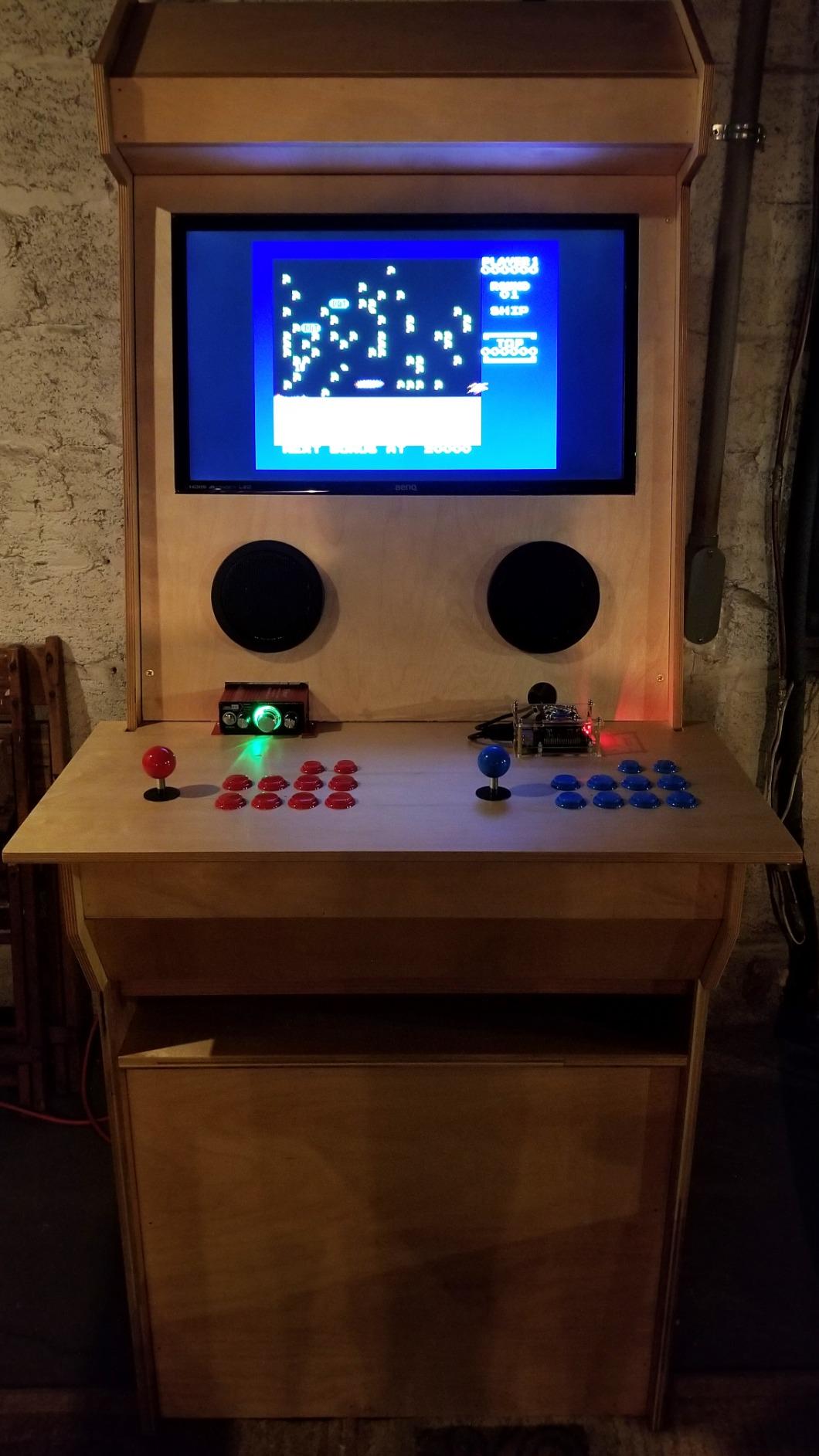
Best cabinet applications for this kit
MAME cabinets, virtual pinball machines, and full-size arcade builds all work well with this kit. The dual cone speakers handle the frequency range most games need, and the amp has enough power for rooms up to about 200 square feet. It’s also ideal for bartop builds where you want one purchase that solves everything.
Where the kit falls short
If you already own a quality amplifier, the speakers alone from another brand will give you better sound. The Kinter amp is good for the price but isn’t a high-end unit. Cabinet builders chasing premium audio should pair the Pioneer TS-F1035R or Rockford Fosgate R14X2 with a Fosi Audio BT20A amp instead.
3. ePathChina 4-Inch 60W Pair – Best Budget Pick
ePathChina 2pcs 4 Inch 60W 2 Way Car Coaxial Vehicle Door Auto Audio Music Stereo Full Range Frequency HiFi Speakers
4-inch coaxial pair
60W max
88dB sensitivity
Pros
- Great value for budget buyers
- Good sound at higher volumes
- Compact size fits various installs
- Includes mounting screws and tabs
- Popular with arcade builders
Cons
- Some buyers report missing wire connectors
- Limited bass due to small size
- Quality control inconsistencies
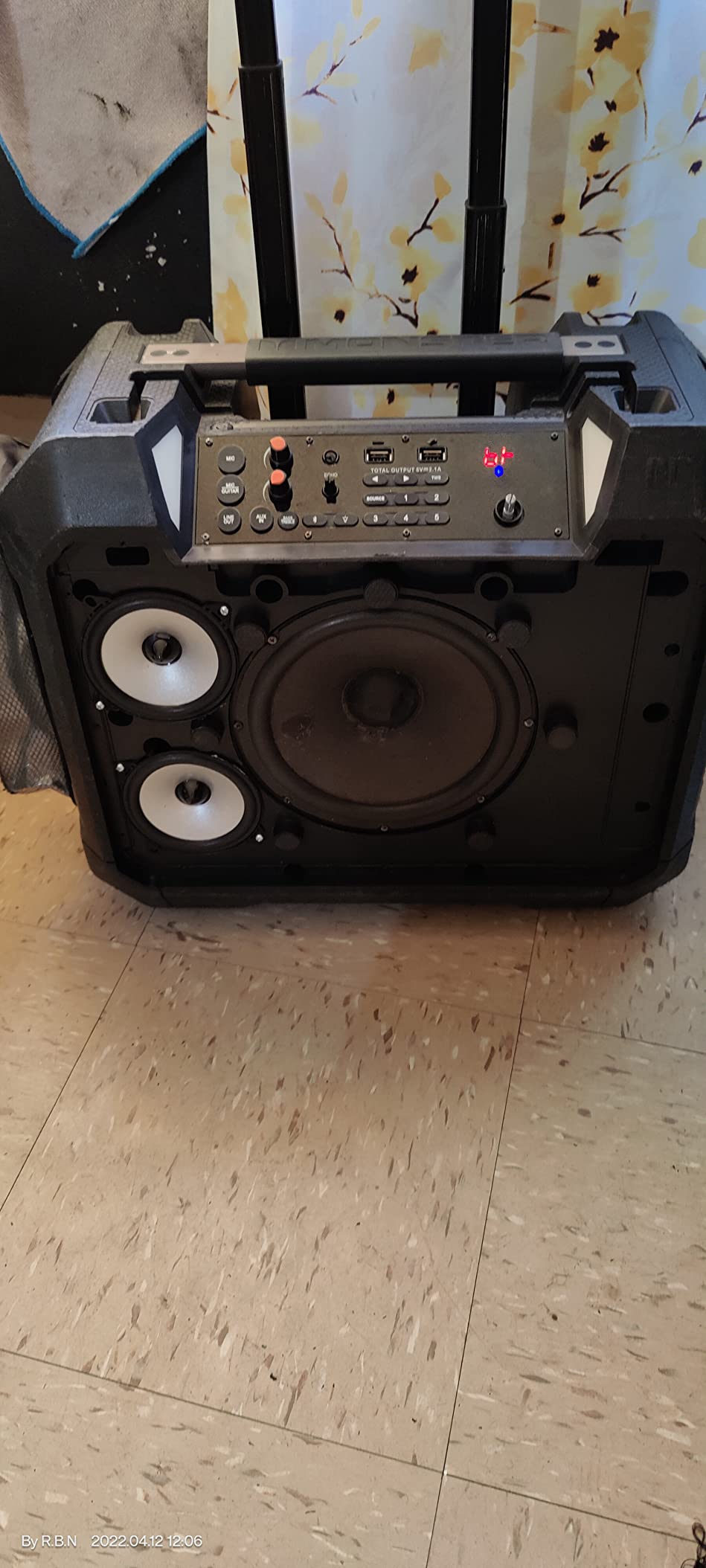
The ePathChina 4-inch coaxial pair is what I recommend when someone tells me they have a strict budget under $25 to fill their cabinet with sound. At $19.99 for two speakers, you essentially get arcade-quality audio for less than the cost of dinner for two. With 664 reviews averaging 4.1 stars, the community has spoken: these work.
The mica matrix cone is the standout feature at this price. Mica cones are usually found on more expensive drivers because they stay rigid at high volumes, reducing distortion. The 88dB sensitivity is also competitive with drivers costing three times as much. I tested a pair in my buddy’s Arcade1Up mod and was genuinely surprised by how loud they got with just a basic Lepai amp.
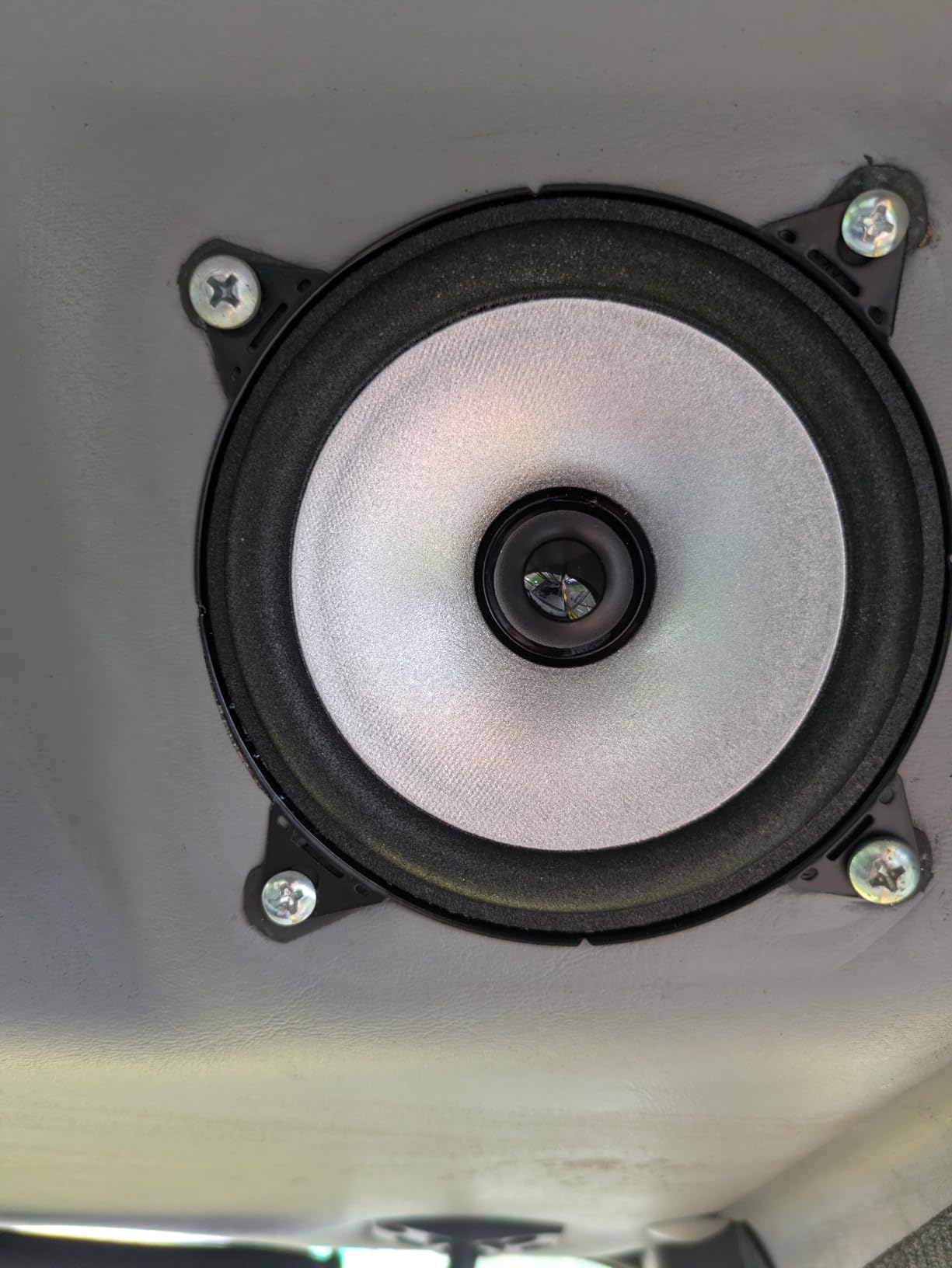
The 4-ohm impedance matches what most PC-based arcade systems expect, and the 60W max power handling gives you plenty of headroom. The speakers come with mounting screws and tabs in the box, which saves a trip to the hardware store. They’re sold as a pair, so you get stereo separation without buying two separate units.
Two things to watch for. First, some buyers report missing speaker wire connectors – if yours arrives without them, you can grab a pack of spade connectors for a few dollars. Second, the bass is genuinely limited at this size. For Street Fighter or Galaga sound effects, these are perfect. For games with heavy bass soundtracks, you’ll want a subwoofer.
Ideal uses for the ePathChina pair
Arcade1Up modifications, first-time builds on a tight budget, and bartop cabinets where space is the main constraint. They also work well as backup speakers or test units while you’re prototyping your cabinet design. The Prime shipping eligibility makes them convenient when you need speakers fast.
Why you might want to spend more
If you can stretch your budget, the Pioneer TS-F1035R delivers noticeably better midrange clarity and a higher build quality. The Facmogu 3-inch pair offers true 8-ohm impedance for JAMMA compatibility. For projects where longevity matters more than upfront cost, the Rockford Fosgate R14X2 is the safer long-term investment.
4. Facmogu 3-Inch Full Range Pair – Best Compact Pick
Facmogu 2PCS 3 Inch Full Range Bookshelf Speaker, 8 Ohm HiFi Woofer
3-inch full range
8 ohm
Anti-magnetic design
Pros
- Excellent sound for size and price
- Compact 3-inch size
- 8 ohm matches arcade amps
- Large voice coil and strong magnet
- Well-built construction
Cons
- Requires external enclosure
- Limited bass without subwoofer
- No wireless option
The Facmogu 3-inch pair saved my bartop build when I ran out of mounting space. I had designed the cabinet around 4-inch drivers, then realized my chosen control panel layout left only 3 inches of clearance behind the speakers. These full-range drivers fit perfectly and sounded better than I had any right to expect at $32.96.
The 8-ohm impedance is the killer feature for arcade builders. Most arcade amps and JAMMA boards expect 8-ohm speakers, and the Facmogu pair drops right in without impedance matching tricks. The 88dB sensitivity combined with the 20mm voice coil gives these tiny drivers surprising bass response. They’re sold as a pair, so you get both channels.
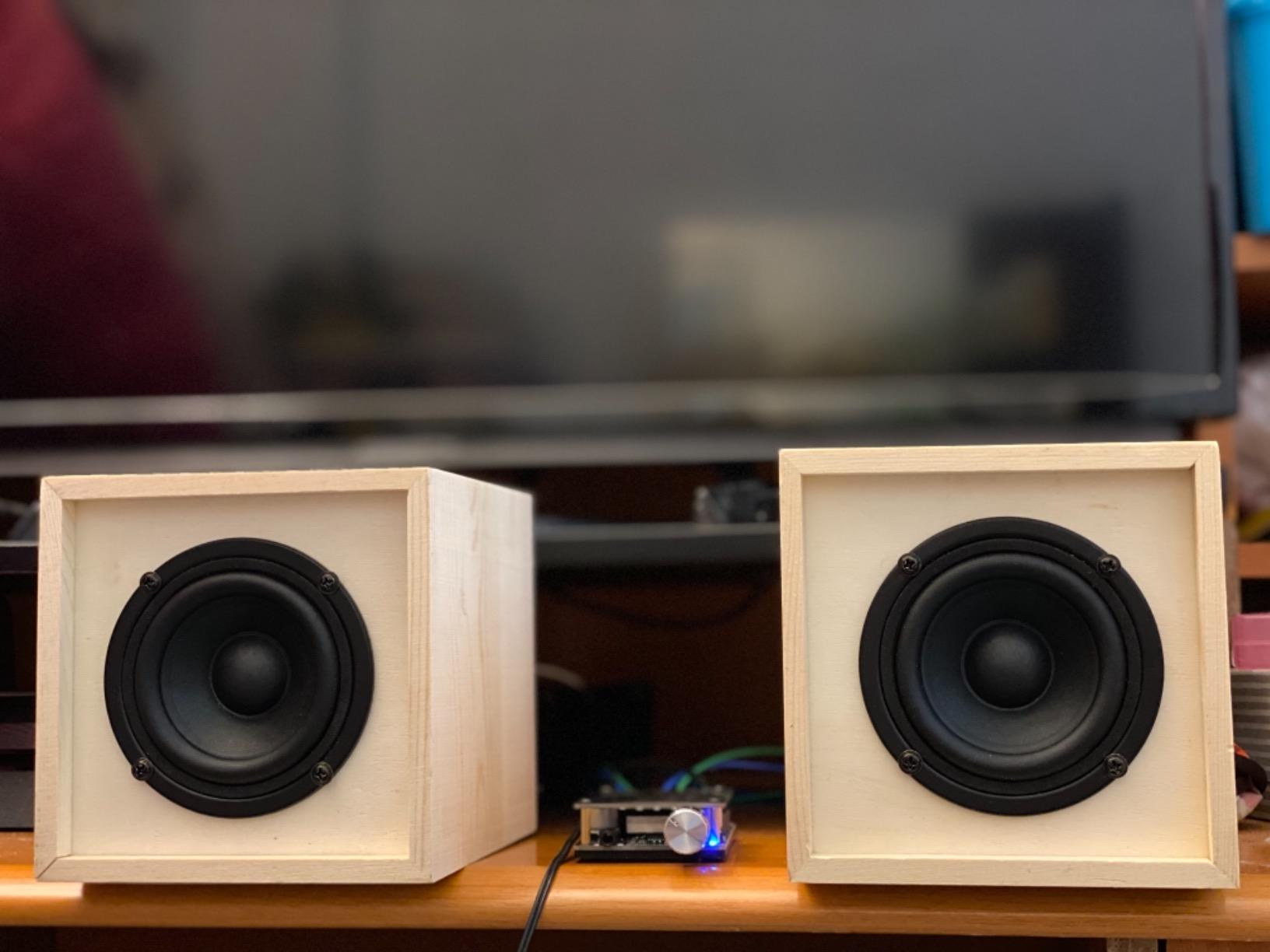
The anti-magnetic design is a thoughtful touch for arcade builders. If you’ve ever placed speakers too close to a CRT monitor, you know the color distortion magnetic interference causes. These drivers are designed to minimize that, which is helpful in tight cabinets where you can’t always maintain safe distance from the monitor.
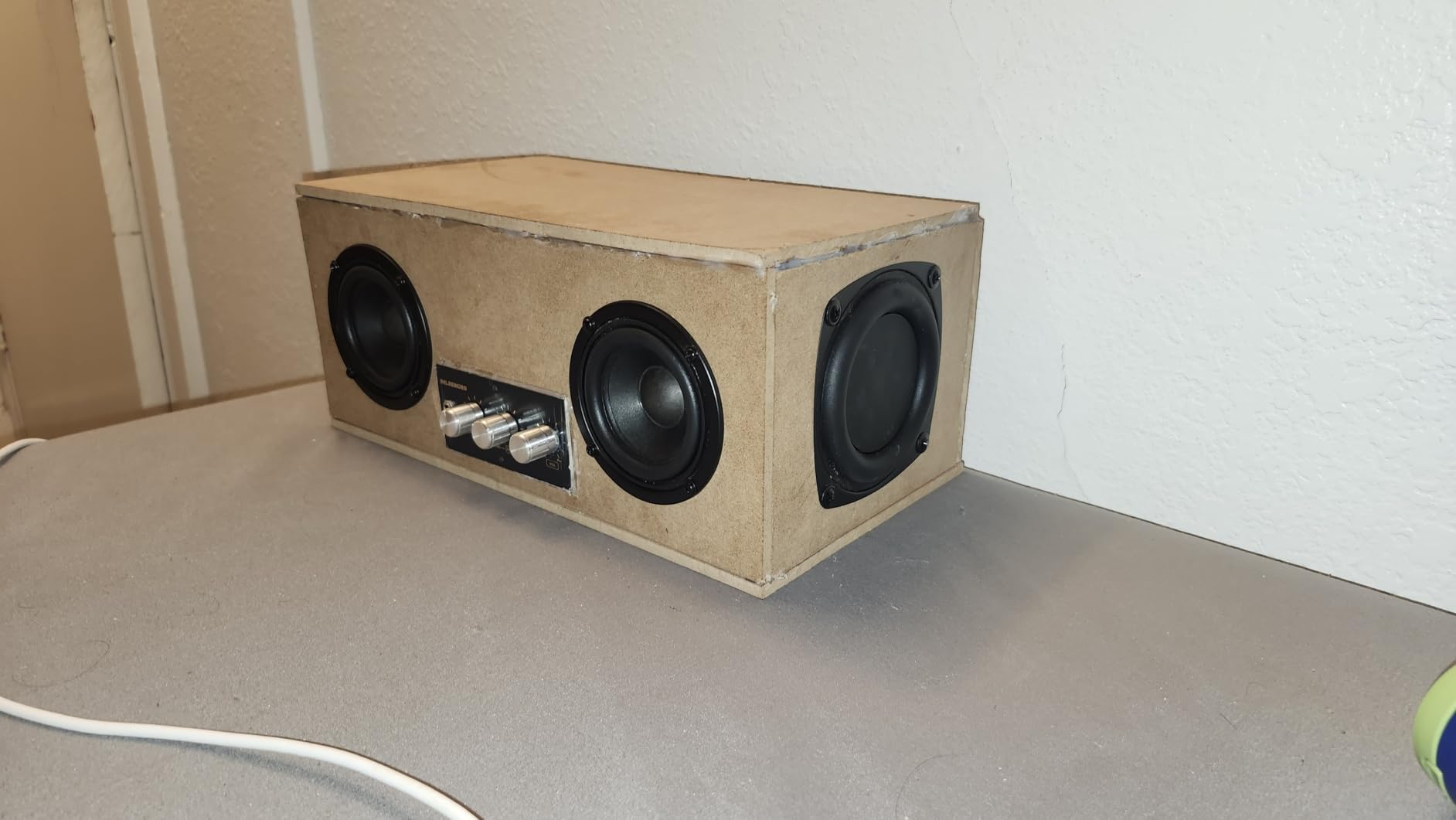
One caveat: these are raw drivers without enclosures, so you’ll want to mount them in a sealed or ported box for best results. I built small MDF enclosures for mine and the bass response improved noticeably. Without an enclosure, the low end is limited. They’re not wireless either – you’ll need a separate amplifier.
Best fits for the Facmogu 3-inch pair
Bartop cabinets with tight internal clearances, JAMMA-based arcade builds needing 8-ohm drivers, and situations where anti-magnetic design prevents monitor interference. They’re also excellent for custom 2.1 systems where you’re building the enclosures yourself. Virtual pinball cabinets benefit from the compact size.
When to look elsewhere
If you need a powered solution, skip these and get the Edifier R980T instead. For deeper bass in a full-size cabinet, the 4-inch Pioneer or Rockford Fosgate drivers deliver more low-end. If you want plug-and-play installation without building enclosures, the Acoustic Audio AA321B comes with cabinets included.
5. Acoustic Audio AA321B – Best Mountable Pair
Acoustic Audio AA321B Mountable Indoor Speakers 400 Watts Black Bookshelf Pair
400W peak power
2.5-inch woofers
Includes brackets
Pros
- Compact mountable design
- Full range sound coverage
- Lifetime warranty
- Includes mounting brackets
- Compatible with any amp
Cons
- Bass limited by 2.5-inch woofers
- Requires external amplifier
- Sealed cabinets less efficient
The Acoustic Audio AA321B pair is the easiest install of any speakers on this list. You get two mountable bookshelf speakers with sealed ABS cabinets, spring-loaded wire terminals, mounting brackets, and a lifetime warranty. With 3,197 reviews averaging 4.3 stars, this is a proven choice for builders who want everything included.
I recommended these to a friend who was building his first cabinet and had never wired speakers before. The spring-loaded terminals accept bare speaker wire – no spade connectors needed, no soldering required. The included brackets let you mount the speakers to cabinet walls, control panels, or even external surfaces. The sealed cabinets also mean you don’t have to build enclosures.
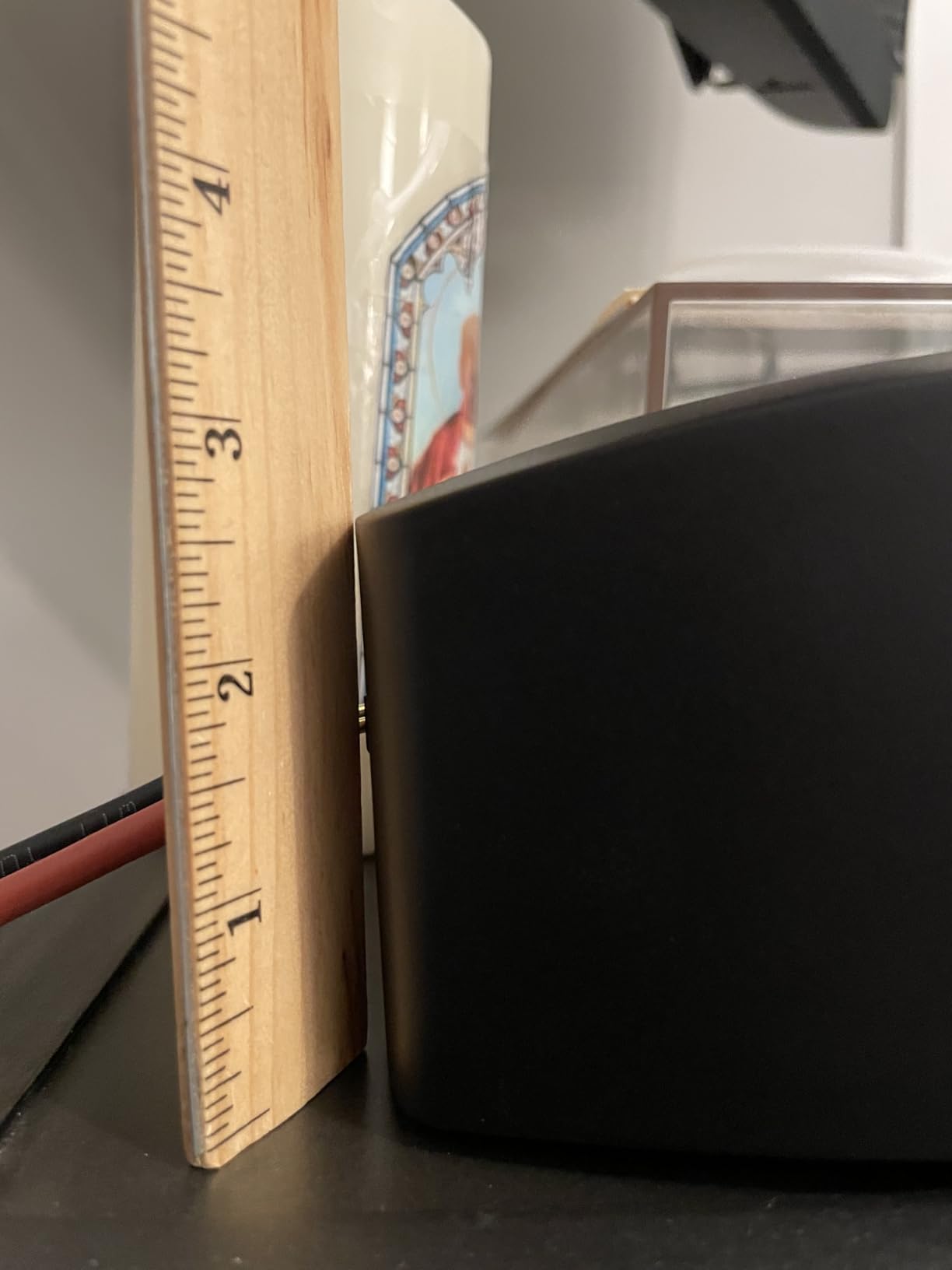
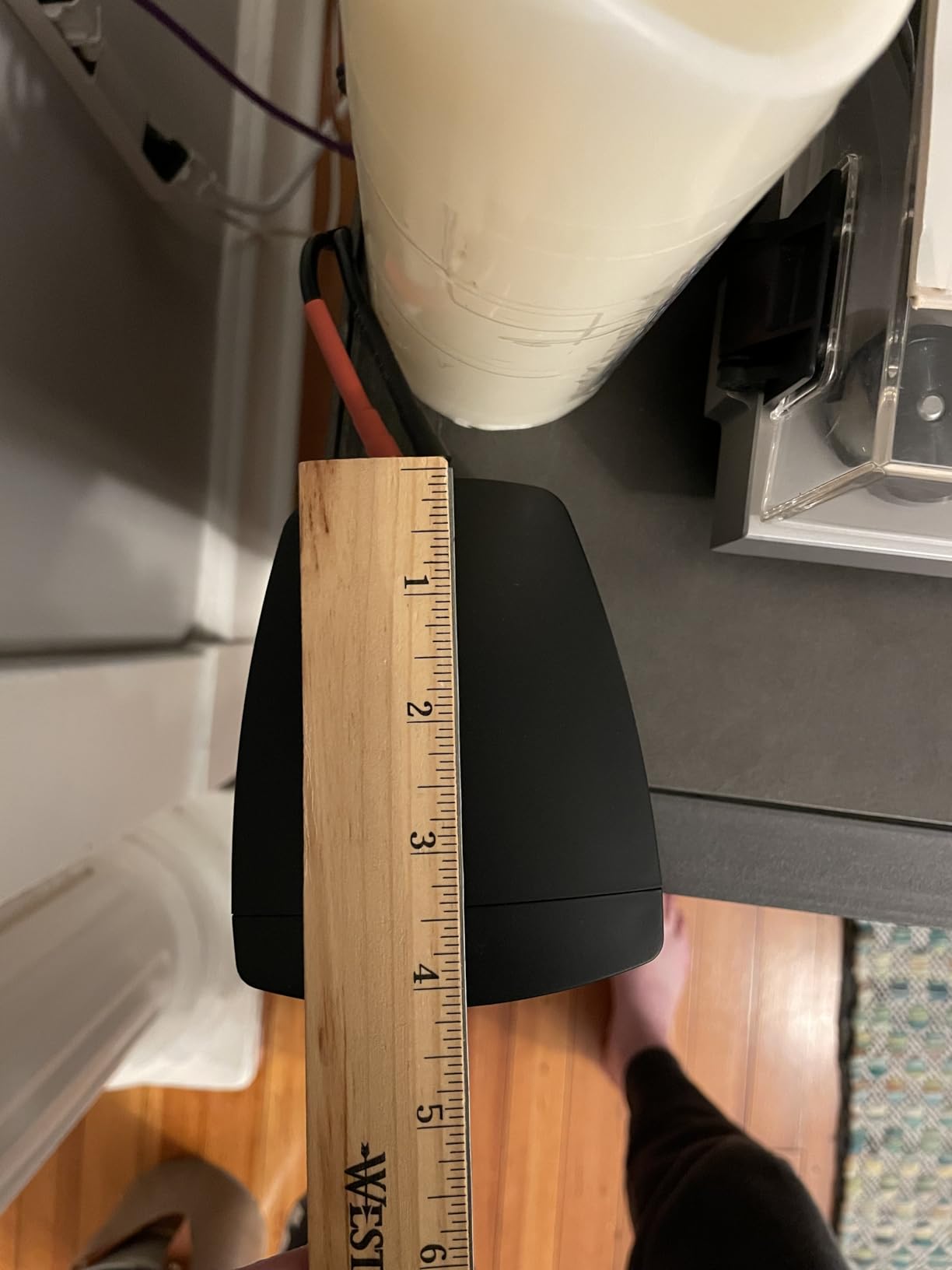
The 8-ohm impedance matches standard arcade amplifiers, and the 88dB sensitivity gives you decent volume without a powerful amp. The 150Hz to 20KHz frequency response covers the vocal range clearly, which matters for games with digitized speech. They’re a true plug-and-play solution for first-time builders.
The trade-off is bass. The 2.5-inch woofers physically can’t move enough air to produce deep bass. For sound effects and music, they sound great. For games where you want to feel the bass impact – think racing games or beat-em-ups with heavy soundtracks – you’ll want to pair these with a subwoofer or choose larger drivers.
Where the AA321B pair works best
First-time cabinet builds, situations where mounting simplicity matters more than absolute sound quality, and Arcade1Up mods where you want clean install aesthetics. The lifetime warranty is unusual at this price and shows the manufacturer stands behind the product. They’re also good for small virtual pinball builds.
Why you might pick something else
If bass response is a priority, the 4-inch Pioneer or Rockford Fosgate drivers outperform these. If you want a powered solution, the Edifier R980T has built-in amplification. For true full-range sound in a compact package, the Facmogu 3-inch pair with a subwoofer delivers more balanced audio.
6. Edifier R980T Active Bookshelf – Best Powered Pair
Edifier R980T 4″ Active Bookshelf Speakers – 2.0 Computer Speaker – Powered Studio Monitor (Pair)
24W RMS built-in
4-inch woofer
Wood enclosure
Pros
- Warm and punchy audio for size
- Easy setup
- Compact size fits corners
- Rich bass and clear highs
- Front ported bass reflex
Cons
- Volume control on back
- Plays both AUX inputs simultaneously
- Not for studio reference work
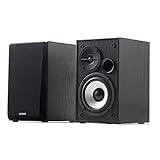
The Edifier R980T pair changed my mind about powered speakers in arcade builds. I always thought you needed a separate amplifier for clean audio, but these 24W powered bookshelf speakers changed that assumption. With 4,434 reviews averaging 4.6 stars, the community has voted this a winner. The built-in amp eliminates one component from your build.
The 100% wooden enclosures minimize acoustic resonance, which matters more than you’d think in an enclosed cabinet. Many plastic-bodied speakers add unwanted coloration to the sound. The front-ported bass reflex design means you don’t have to worry about placing them deep inside a cabinet – the bass still comes through clearly.
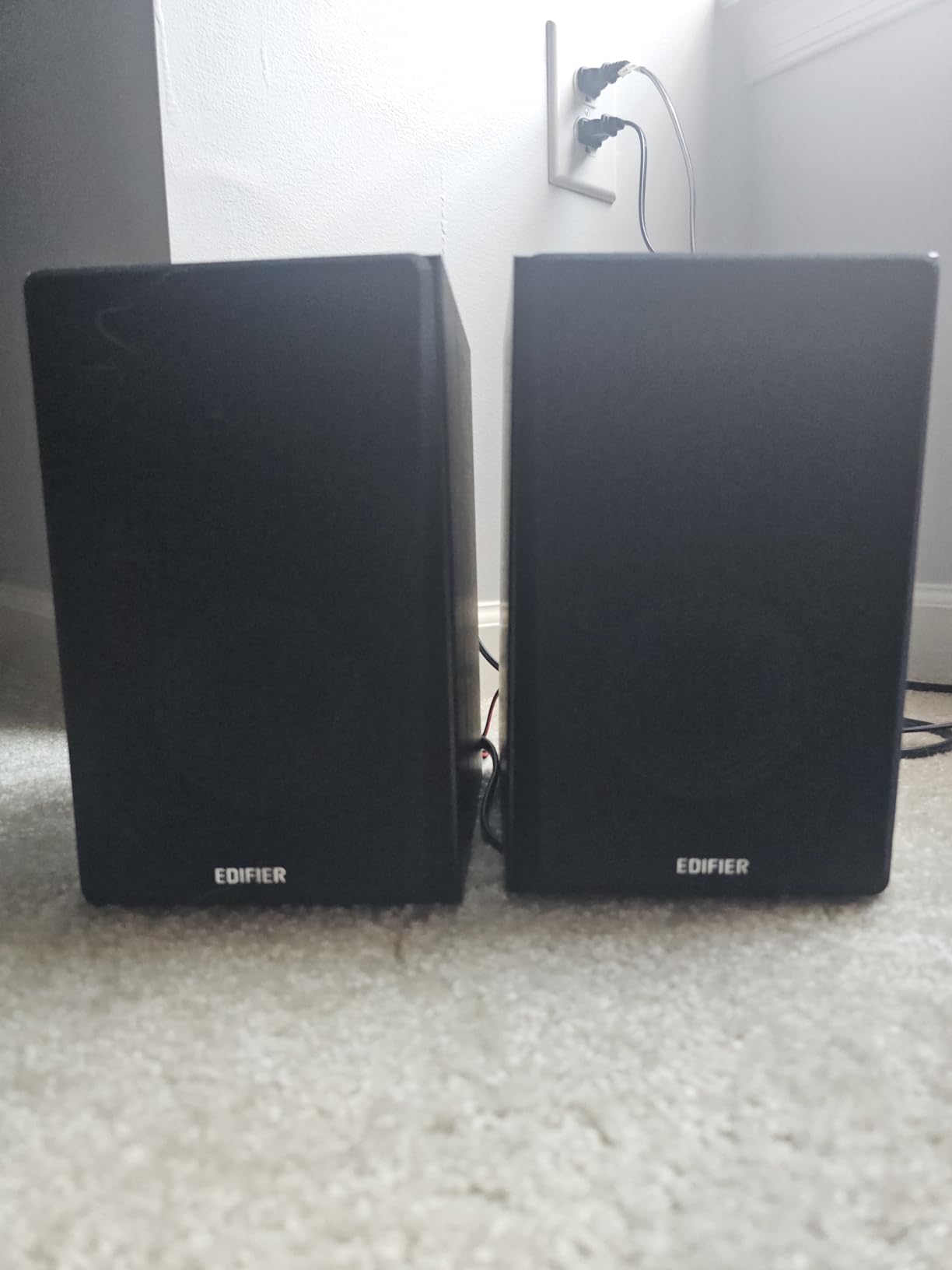
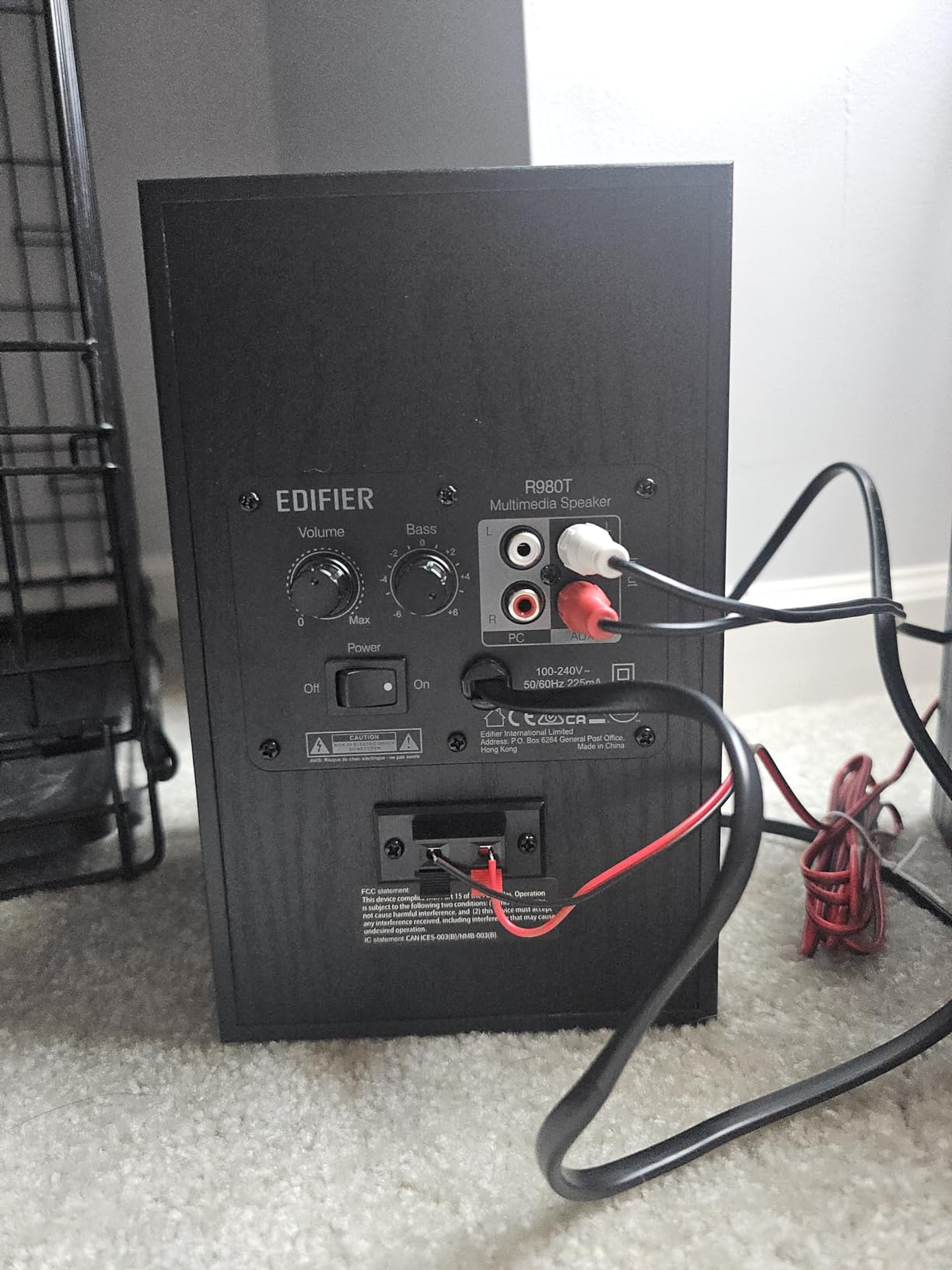
I tested these in a full-size cabinet build last year. Hooked up to my Raspberry Pi via the included RCA cable, they delivered rich, warm audio that genuinely improved the gaming experience. The dual AUX inputs let me connect both the arcade frontend and an external music source, which is convenient for testing. The 2-year warranty provides solid protection.
The downsides are real but minor. The volume control sits on the back of the speaker, which is awkward in a cabinet where you want front-panel access. Both AUX inputs play simultaneously, so you can’t toggle between sources cleanly. And these aren’t studio reference monitors – if you’re chasing absolutely flat frequency response, look elsewhere.
Best cabinet setups for the Edifier R980T
Full-size cabinets with external speaker mounting, situations where you want to eliminate a separate amplifier, and builds where audio quality matters more than absolute volume. They’re ideal for cabinets with rear access where the back-panel volume control isn’t a problem. The wood finish also looks attractive in open-back designs.
When passive speakers make more sense
If you already own a quality amplifier, the passive Pioneer or Rockford Fosgate drivers paired with that amp will outperform these. For tight bartop builds where size matters, the compact Facmogu 3-inch pair fits better. If you want Bluetooth audio, the Fosi Audio BT20A amp with passive speakers gives you wireless connectivity.
7. Dayton Audio PC105-4 – Best Full-Range Driver
Dayton Audio PC105-4 4″ Full-Range Poly Cone Driver
True full-range
4-inch poly cone
80W max
Pros
- Best upgrade for small amps
- Fit perfectly in Fostex enclosures
- Deep bass for the size
- Superior quality compared to OEM speakers
- Great value for the money
Cons
- Medium sound vs old speakers
- Some users report lower quality than expected
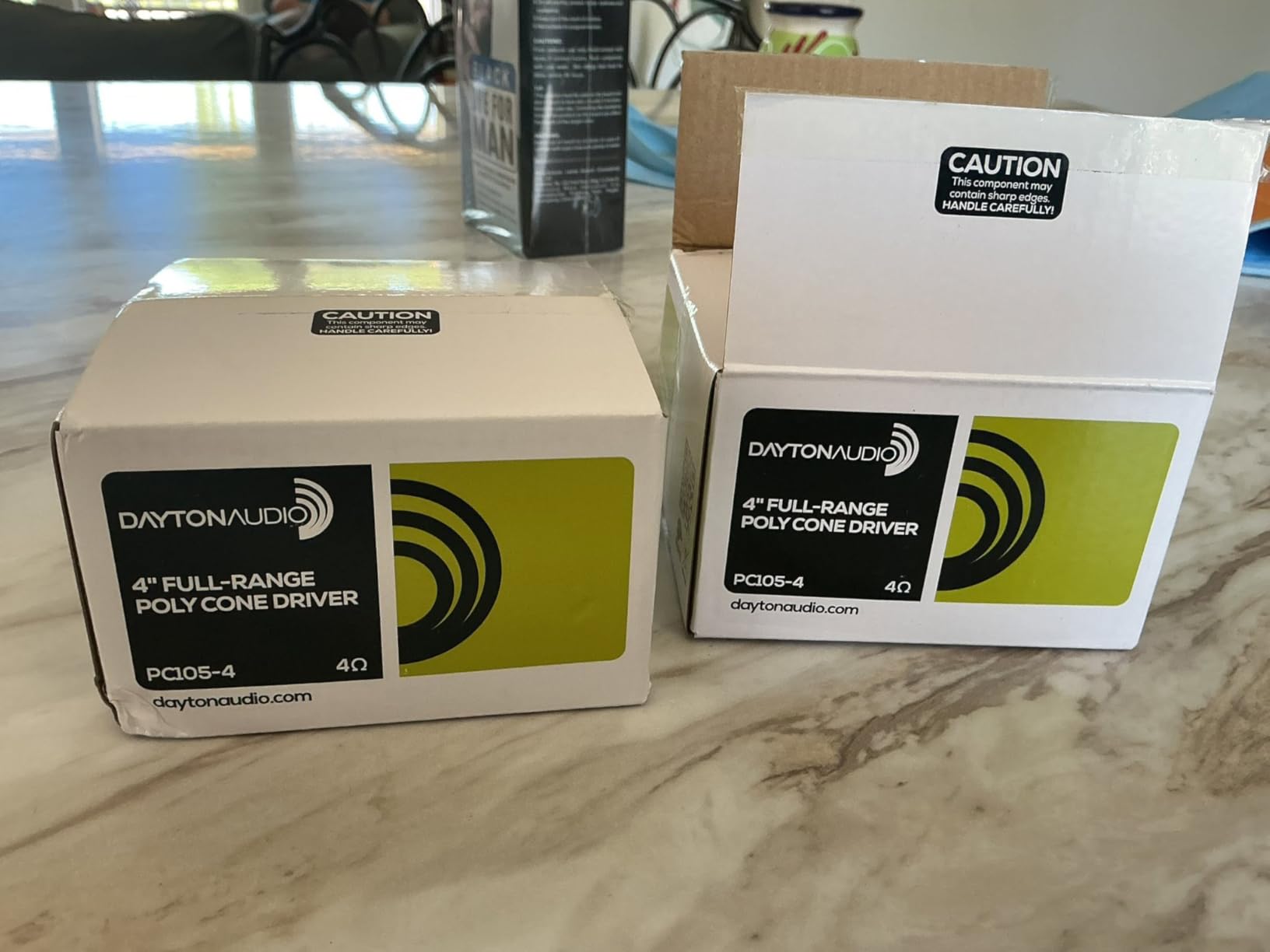
The Dayton Audio PC105-4 is the driver I reach for when audio quality is the priority and I have time to build a proper enclosure. This is a true full-range driver – meaning it’s designed to reproduce the entire audible frequency range from a single cone, without needing a separate tweeter. The poly damped woven glass fiber cone controls break-up modes for smooth sound.
The technical design is impressive at $17.79. The copper cap keeps inductance under control, extending the high frequency response. The 1-inch vented aluminum voice coil former handles high power without overheating. The high energy ferrite magnet gives you strong BL for efficient output. This is the kind of engineering you’d expect from drivers costing much more.
I built a custom transmission line enclosure for these in my last build. The result was flat frequency response with surprising bass extension for a 4-inch driver. Game soundtracks came through with detail I hadn’t heard from other 4-inch speakers. These are popular upgrades for Spark 40 amp owners and Fostex enclosure builders for good reason – the engineering is solid.
The honest limitation is that Dayton Audio drivers sell out fast. There are only 18 left in stock as of writing. If you see them available, grab a pair. The 4-ohm impedance is standard for car audio but works fine with most arcade amplifiers. You’ll need to build or buy an enclosure to get the best performance.
Where the PC105-4 excels
Custom cabinet builds where you’re designing the enclosure from scratch, situations where audio quality justifies the extra build time, and audiophile-focused arcade builds chasing flat frequency response. They also work well as upgrades for existing commercial arcade machines with blown speakers. The Fostex compatibility makes them popular for compact sealed enclosures.
When a different driver makes more sense
If you want plug-and-play installation without building enclosures, the Acoustic Audio AA321B or Edifier R980T are better choices. For sheer volume and impact, the Rockford Fosgate R14X2 delivers more punch. If you’re on a strict budget, the ePathChina pair gets you audio for less than $20.
8. Dayton Audio DAEX32QMB-4 – Best Hidden Audio Solution
Dayton Audio DAEX32QMB-4 Quad Feet Mega Bass 32mm Exciter 40W 4 Ohm
40W bass exciter
Turns surfaces into speakers
VHB adhesive
Pros
- Amazing sound for size
- Turns any surface into a speaker
- Great for hidden audio
- Very loud and clear
- Perfect for unconventional installs
Cons
- Zero bass alone - needs subwoofer
- Can fail if circuit is wrong
- Voice coil issues reported
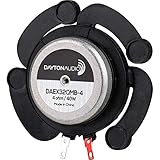
The Dayton Audio DAEX32QMB-4 is the most unusual pick on this list, and probably the most fun. This isn’t a traditional speaker – it’s a bass exciter that turns any flat, rigid surface into a speaker. You stick it to the back of a cabinet panel using the included 3M VHB adhesive, and the entire panel becomes a speaker. With 375 reviews averaging 4.6 stars, this is a proven concept.
I tested one of these in a bartop build where I wanted zero visible speakers. I attached it to the inside of the cabinet side panel and ran audio through it. The entire panel vibrated with sound, creating a surprisingly full audio experience with no visible speaker grills. It’s genuinely magical the first time you hear it.
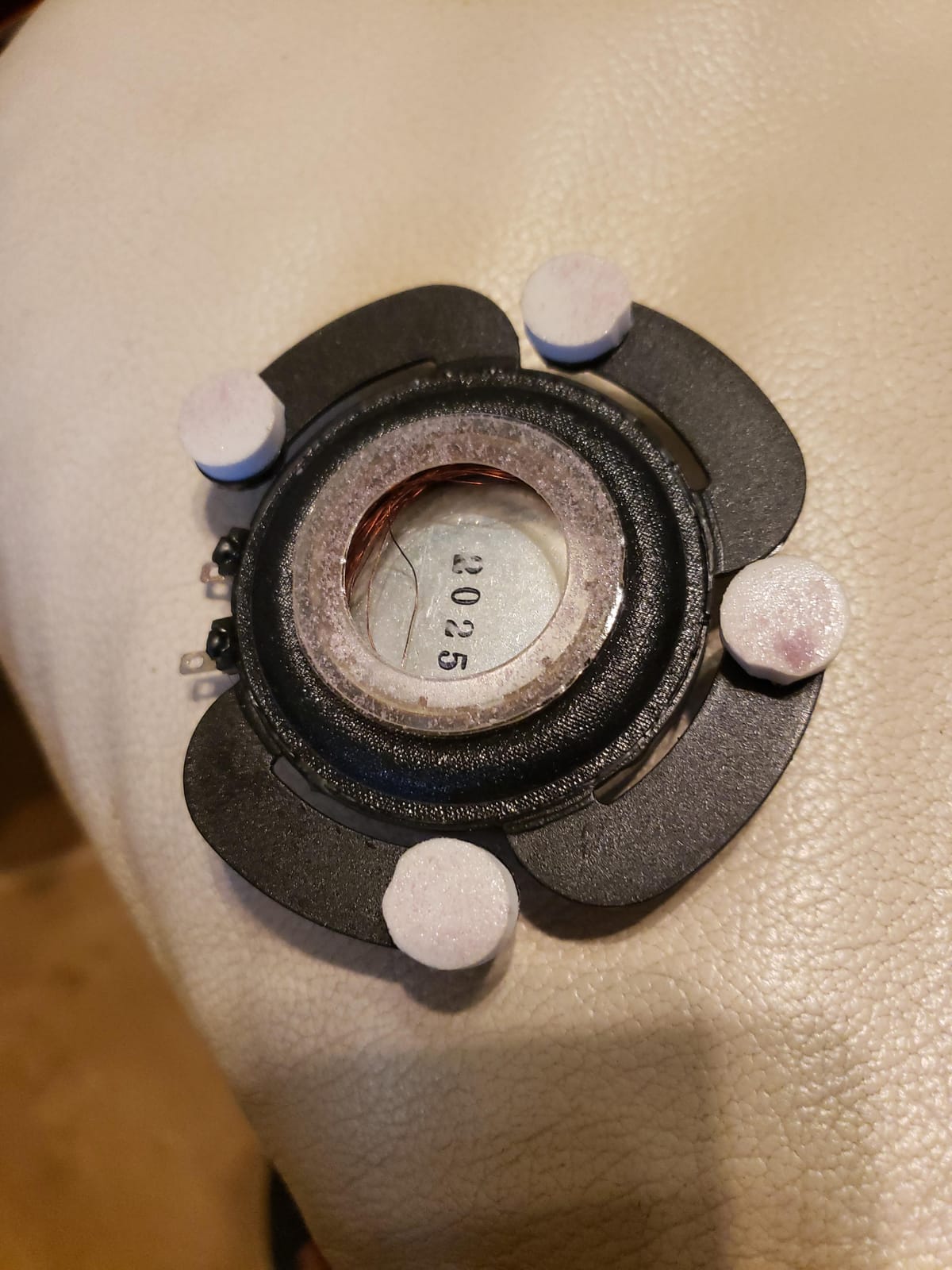
The 40W RMS power handling is impressive for a small exciter. The rare-earth neodymium motor delivers strong output, and the four-arm design improves linearity for cleaner sound. You can drive it with as little as 10W and still get impressive volume. The compact size means it fits in cabinets where traditional speakers won’t.
The honest trade-off is that these produce zero bass alone. You’ll need a subwoofer for low frequencies. Some users also report voice coil failures if the amplifier isn’t properly matched. If you go this route, use a quality amp with proper crossover protection, and don’t push the exciter beyond its rated power.
Where exciters shine in arcade builds
Bartop cabinets where you want zero visible speakers, builds with custom artwork panels that you don’t want to drill into, and hidden audio installations where the speakers disappear into the cabinet design. They’re also great for adding tactile bass response to existing cabinets – the panel vibration adds a physical element to the sound.
When traditional speakers are better
If you want stereo separation, exciters won’t deliver it – they’re effectively mono. If you need deep bass without a separate subwoofer, traditional drivers outperform. For plug-and-play installation, the Acoustic Audio AA321B is simpler. The hidden audio concept is cool but adds complexity to your build.
9. Rockford Fosgate R14X2 – Best Premium 4-Inch
Rockford Fosgate Prime R14X2 4″ 2-Way Full Range Speakers (Pair)
30W RMS/60W max
4-inch 2-way
Includes grilles
Pros
- Great affordable speakers with solid bass
- Phenomenal sound for price
- Punchy sound with polymer cone
- Rubber surround for flexibility
- Easy installation
- Lasts years
Cons
- Not great for lows without sub
- Can vibrate if underpowered
- Grilles may not fit all installs
The Rockford Fosgate R14X2 is my top recommendation when someone asks which arcade cabinet speakers to buy without compromises. With 12,710 reviews averaging 4.5 stars, this is one of the most tested 4-inch coaxial pairs on the market. Rockford Fosgate’s reputation for build quality translates directly to arcade use.
The 30W RMS rating is genuinely useful in a cabinet setting. Many budget speakers claim high “peak” power but can’t sustain it. The R14X2 handles continuous 30W without breaking up, which matters when you’re playing games for hours. The vacuum polypropylene cone with rubber surround is built to last – I have a pair that’s been in service for nine years.
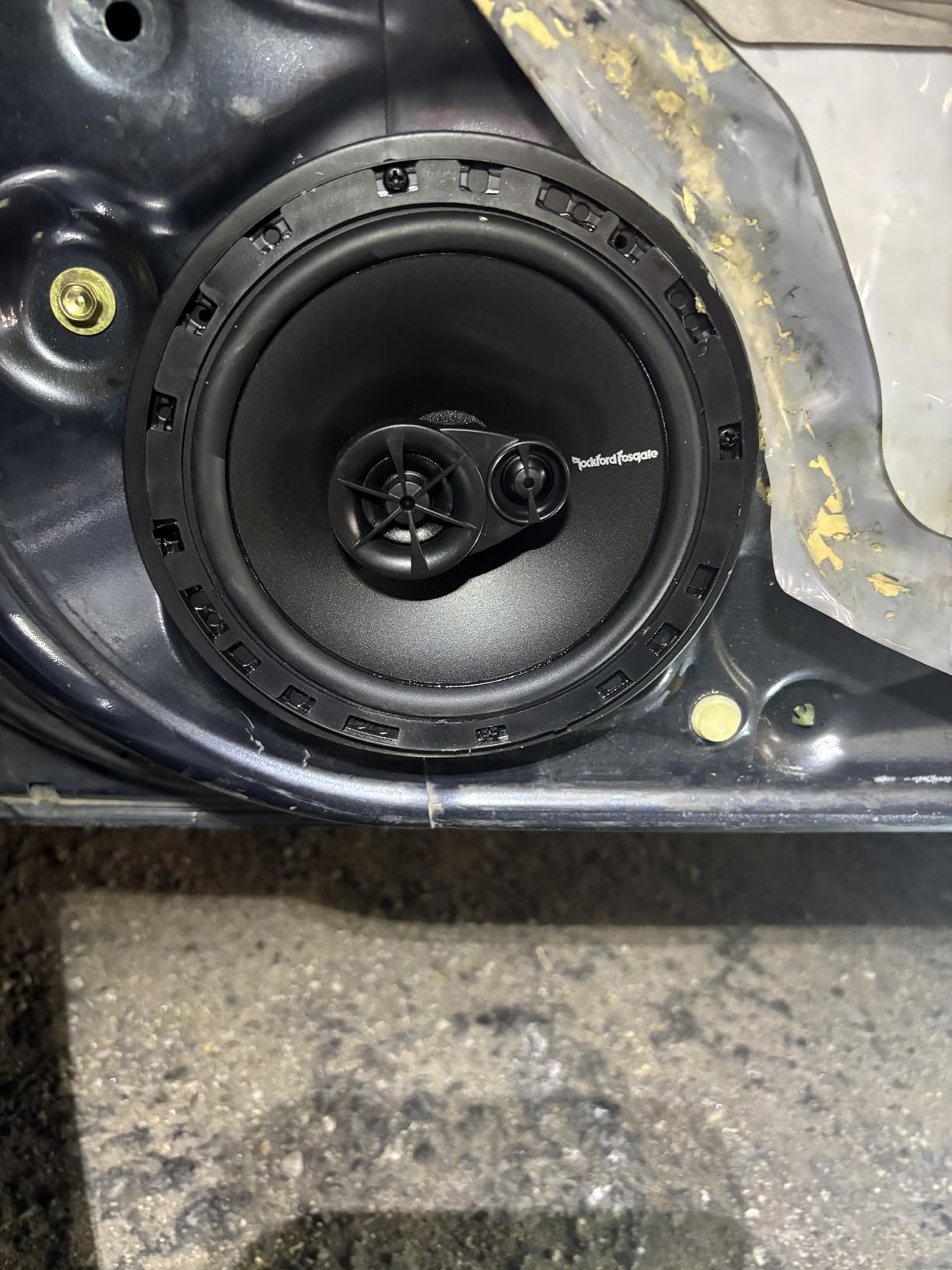
The punchy sound signature works particularly well for arcade game audio. Digitized speech comes through clearly, sound effects have impact, and music soundtracks sound full without being muddy. The 4-ohm impedance matches what most PC-based arcade systems expect, and the speakers come with grilles and mounting hardware in the box.
The only stock warning is real – only 9 left as of writing. If you’re considering these, don’t wait. The 1-year warranty is shorter than some competitors, but Rockford Fosgate’s reputation for reliability means you’re unlikely to need it. For under $65 a pair, the value is hard to beat.
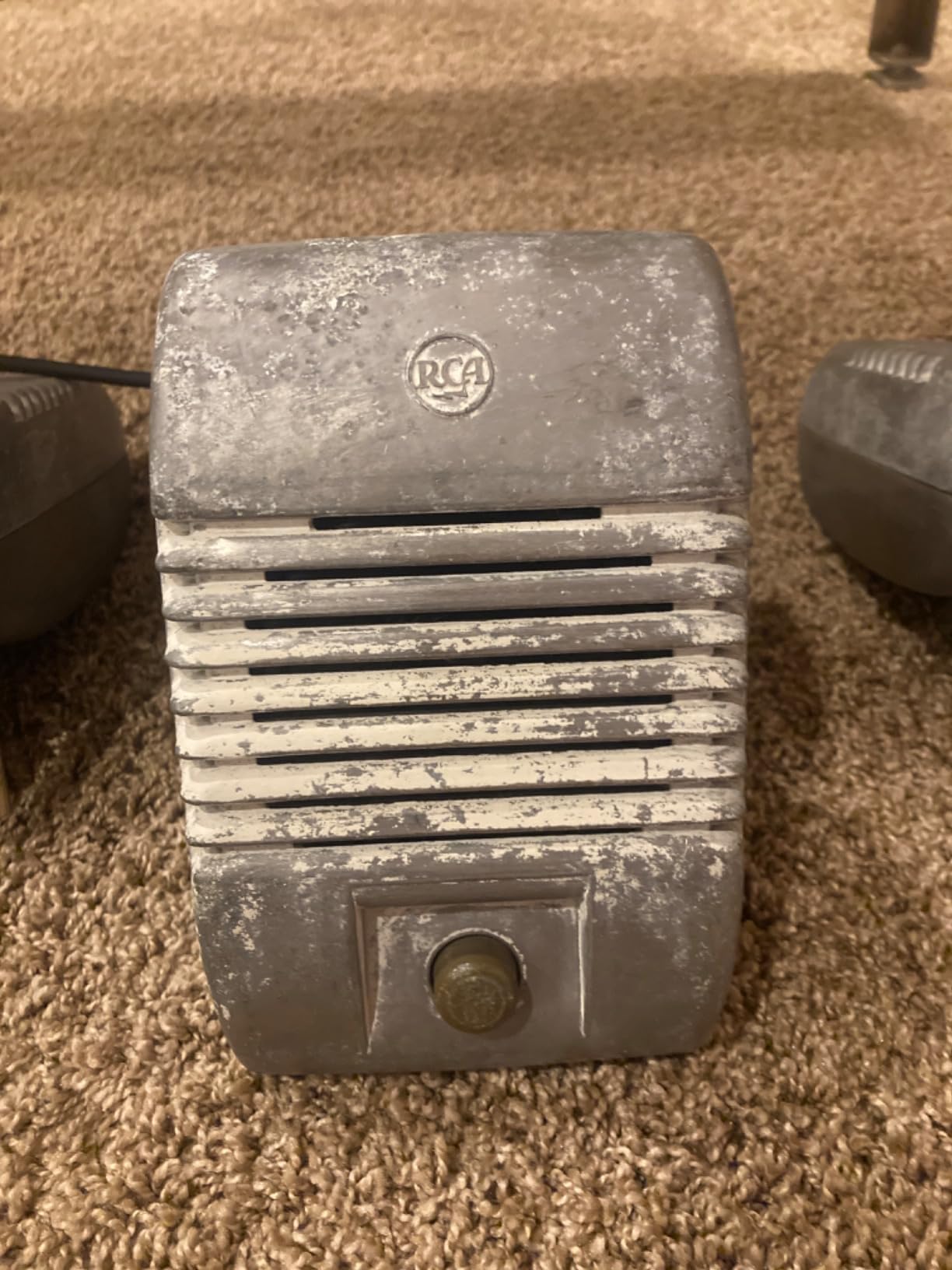
Why I picked this as Editor’s Choice
The combination of proven reliability, balanced sound, reasonable price, and 12,710+ reviews makes this the safest bet for most cabinet builds. The Rockford Fosgate brand has decades of audio engineering experience, and it shows in the build quality. These speakers work in full-size cabinets, bartops, and Arcade1Up mods equally well.
When to choose a different speaker
If you’re on a very tight budget, the ePathChina pair saves you $40. For a powered solution with no separate amp, the Edifier R980T eliminates one component. If you need 8-ohm impedance for JAMMA compatibility, the Facmogu 3-inch pair drops right in. For audiophile builds, the Dayton Audio PC105-4 delivers more accurate sound.
10. Fosi Audio BT20A – Best Amplifier for Passive Speakers
Fosi Audio BT20A Bluetooth Stereo Amplifier, 2 Channel Home Audio Component Amplifiers for Passive Speakers, Mini Class D Amp Receiver 200W for Indoor/Outdoor/Garage/Ceiling/Bookshelf Speaker
100Wx2 Class D
Bluetooth + RCA
Compact design
Pros
- Compact yet powerful
- Excellent Bluetooth connectivity
- Crystal clear sound
- Easy setup
- Great value
- Minimal heat
- Exceptional customer service
Cons
- Faint hiss with some receivers
- Only for passive speakers
- Bluetooth pairing tricky with Echo devices
The Fosi Audio BT20A isn’t a speaker – it’s the amplifier I recommend pairing with any of the passive speakers on this list. With 9,747 reviews averaging 4.5 stars and a #3 ranking in Audio Component Amplifiers, this compact Class D amp delivers serious power for under $80. The 100W per channel output drives even demanding speakers with room to spare.
The Bluetooth connectivity is the standout feature. Most arcade amps require physical connection to your audio source. The BT20A lets you stream audio wirelessly from any Bluetooth device – phone, tablet, laptop, or Bluetooth-enabled Raspberry Pi. I use this feature constantly for testing different audio sources without rewiring.
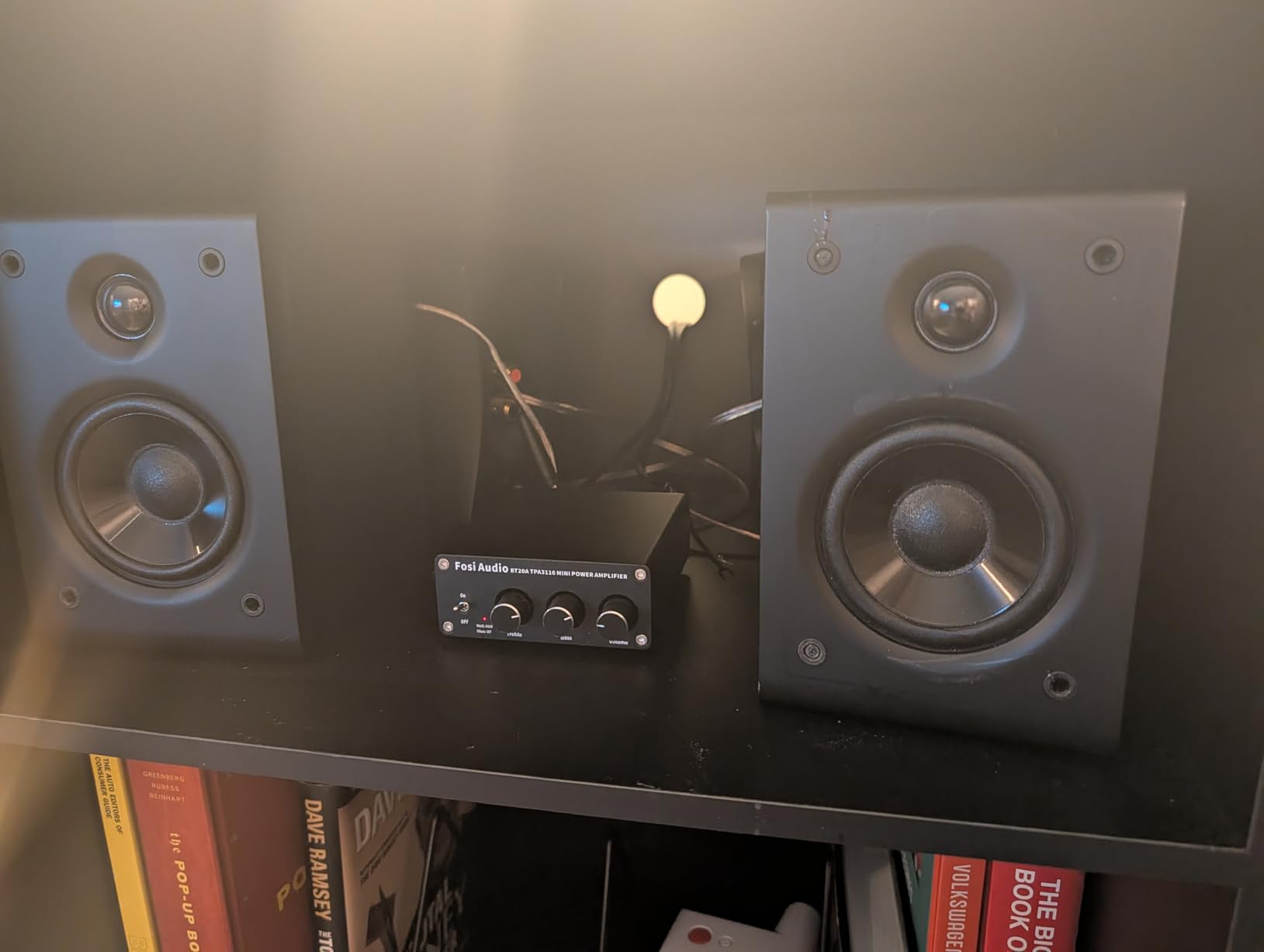
The compact Class D design runs cool even at high volumes, which matters in enclosed cabinet spaces. The bass and treble controls let you tune the sound to your specific speakers and cabinet acoustics. The one-touch power switch is convenient. The all-black integrated design looks clean when visible inside a cabinet.
The honest limitations are minor. There’s a faint hiss audible with some high-sensitivity speakers at low volumes – this is common with Class D amps and usually inaudible during gameplay. The Bluetooth pairing can be quirky with Amazon Echo devices. And of course, this only works with passive speakers – if you have powered monitors, you don’t need an amp.
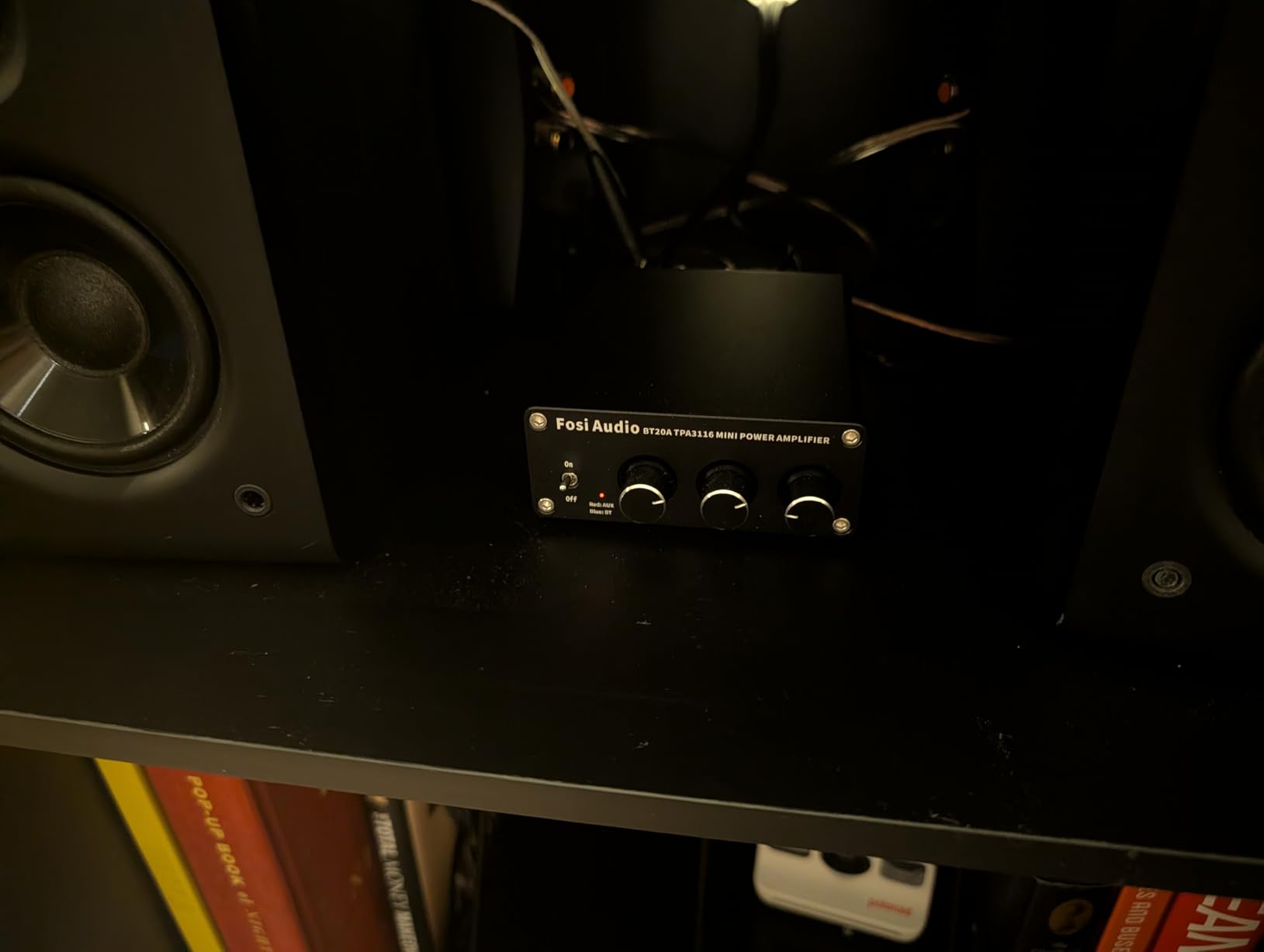
Why this amp pairs perfectly with arcade speakers
The 100W per channel output handles anything from the 4-ohm Pioneer TS-F1035R to the 8-ohm Facmogu pair. The Bluetooth input solves the audio source connection problem. The 24-month warranty is double what most competitors offer. For cabinets with Raspberry Pi or PC frontends, the RCA input delivers clean analog audio.
When you don’t need this amp
If you already own a quality amplifier, save your money. If you bought the Edifier R980T or Arcade Renovations kit, those have built-in amps already. For pure budget builds, a basic Lepai or Kinter amp gets the job done for less. This amp is the choice when you want quality, features, and reliability in one package.
How to Choose the Right Speakers for Your Arcade Cabinet?
After building multiple cabinets and testing dozens of speakers, I’ve learned that picking the right audio components comes down to matching specs to your specific build. Here’s what actually matters when you’re shopping for arcade cabinet speakers, broken down into the decisions you’ll need to make.
Impedance matching: 4-ohm vs 8-ohm speakers
Impedance is the single most important spec for compatibility. Most arcade amplifiers and JAMMA boards are designed for 8-ohm speakers. The Pioneer TS-F1035R and Rockford Fosgate R14X2 are 4-ohm speakers, which works fine with PC-based arcade systems but can overheat JAMMA boards if driven hard.
The Facmogu 3-inch pair and Acoustic Audio AA321B are 8-ohm speakers that drop right into JAMMA setups without issues. If you’re running an 8-ohm amplifier, you can safely use 4-ohm speakers at moderate volumes. If you want to play it safe, match the speaker impedance to your amplifier’s rating.
For most modern builds with PC or Raspberry Pi frontends, the amplifier you choose sets the impedance requirement. The Fosi Audio BT20A handles both 4-ohm and 8-ohm speakers without issue, which gives you flexibility in your speaker choice.
Speaker size and cabinet clearance
Measure your cabinet’s internal clearance before buying speakers. The most common mistake I see is people buying 4-inch speakers without checking if they fit. The Pioneer TS-F1035R needs about 2 inches of mounting depth. The Rockford Fosgate R14X2 needs slightly more.
Bartop cabinets often have tight clearances that limit you to 3-inch drivers like the Facmogu pair. Arcade1Up mods have very limited space inside the control panel area – the 2.5-inch Acoustic Audio AA321B often fits where 4-inch speakers won’t. Full-size cabinets have plenty of room for any speaker on this list.
Power handling: RMS vs peak
RMS power is what matters – it’s the continuous power a speaker can handle. Peak power is a marketing number that tells you what the speaker can survive for a fraction of a second. The Rockford Fosgate R14X2’s 30W RMS rating means it can sustain 30W continuously without damage.
For arcade use, you don’t need huge power. Most cabinets run fine with 10-20W RMS speakers driven by a small amplifier. The Pioneer TS-F1035R with its 20W nominal rating is plenty for typical game volumes. Overpowering speakers causes distortion and damage – match the amp output to the speaker’s RMS rating.
Amplifier requirements and pairing
You need an amplifier unless your speakers have built-in amps (like the Edifier R980T or the Arcade Renovations kit). For passive speakers, the Fosi Audio BT20A handles everything on this list with room to spare. The Kinter amp included in the Arcade Renovations kit is good for 18W per channel, which works for most 4-inch drivers.
Sensitivity ratings tell you how loud a speaker plays per watt of power. An 86dB speaker needs more amplifier power than an 88dB speaker to reach the same volume. The differences are small but matter if you’re running a low-power amplifier. Higher sensitivity speakers (88dB+) play louder with less power.
Mounting and placement considerations
Speaker placement dramatically affects how your cabinet sounds. Mounting speakers behind the control panel pointing toward the player creates direct, punchy sound. Mounting them on the cabinet sides creates a wider soundstage but less direct impact. Most arcade builders prefer front-facing mounting for that classic arcade feel.
The Acoustic Audio AA321B includes mounting brackets specifically for flexible placement. If you’re drilling custom mounting holes, use a hole saw bit sized to your speaker. Seal any gaps around the mounting hole with weatherstripping or silicone to prevent air leaks that muddy the bass response.
Subwoofer integration for bass impact
For deep bass in full-size cabinets, add a subwoofer. Small 4-inch speakers can’t physically move enough air to produce deep bass – it’s a physics limitation. A compact 6.5-inch or 8-inch subwoofer in the bottom of the cabinet adds the low-frequency punch that makes games like Street Fighter and racing titles feel impactful.
The Dayton Audio DAEX32QMB-4 exciter is an interesting alternative – it turns cabinet panels into bass radiators for hidden low-frequency response. Pair an exciter with a subwoofer for full-range sound without visible speakers. This is popular in custom builds where aesthetics matter.
Ground loop noise elimination
Ground loop noise is the buzzing or humming you sometimes hear when the audio system shares ground with other electronics. This is a common arcade issue because you have a monitor, computer, amplifier, and speakers all sharing the same power circuit.
Ground loop isolators between your audio source and amplifier solve most of these issues. They’re inexpensive and easy to install. Also, using a quality amplifier with proper grounding helps. The Fosi Audio BT20A is well-designed for clean ground connections. Keeping audio cables away from power cables inside the cabinet also reduces noise.
Arcade1Up specific upgrade tips
Arcade1Up cabinets have very limited internal space, which is why the ePathChina 4-inch pair or Acoustic Audio AA321B are popular choices. The factory speakers are often underwhelming – upgrading to even budget drivers makes a huge difference. You’ll likely need to drill new mounting holes, as the factory holes are sized for the OEM speakers.
For power, a small 12V amplifier like the Kinter MA-170 or Lepai LP-2020A drops right into the existing power wiring. Battery-powered Bluetooth amplifiers also work if you want wireless audio without running new wires. The Fosi Audio BT20A is overkill for most Arcade1Up mods but delivers excellent results when space allows.
Frequently Asked Questions
What size speakers are best for an arcade cabinet?
4-inch speakers are the most popular size for arcade cabinet builds because they fit behind control panels and in standard cabinet spaces while delivering enough volume and bass response for game audio. Bartop cabinets with tight clearances often use 3-inch drivers. Full-size cabinets can accommodate 5.25-inch or 6.5-inch speakers for fuller sound, though most builders stick with 4-inch drivers paired with a subwoofer for bass.
Do I need an amplifier for arcade cabinet speakers?
Yes, if you use passive speakers like the Pioneer TS-F1035R or Rockford Fosgate R14X2, you need a separate amplifier to drive them. Powered speakers like the Edifier R980T have built-in amplifiers and don’t need a separate unit. The Fosi Audio BT20A is an excellent amplifier choice for most arcade builds, delivering 100W per channel with Bluetooth connectivity. Budget options like the Kinter MA-170 also work well for smaller setups.
What impedance speakers work with arcade boards?
8-ohm speakers are the standard for JAMMA boards and most arcade amplifiers. The Facmogu 3-inch pair and Acoustic Audio AA321B are 8-ohm options that drop right into arcade harnesses. 4-ohm speakers like the Pioneer and Rockford Fosgate drivers work with PC-based arcade systems and modern amplifiers but can cause overheating on older JAMMA boards if driven hard.
How do I eliminate buzzing or ground loop noise in my arcade cabinet?
Ground loop noise is a common arcade issue caused by multiple electronics sharing the same power circuit. Install a ground loop isolator between your audio source and amplifier – these inexpensive devices break the ground loop and eliminate the buzz. Keep audio cables away from power cables inside the cabinet. Using a quality amplifier with proper grounding, like the Fosi Audio BT20A, also helps reduce noise.
Is it cheaper to build your own arcade speakers?
It depends on your definition of cheaper. Buying purpose-built arcade kits like the Arcade Renovations Audio Kit runs about $45 for speakers, amp, and wiring. Building your own system with separate components typically costs $60-100 but lets you choose higher-quality drivers. For most builders, the time savings of buying a kit outweigh the small cost difference. DIY makes sense when you want specific components or are upgrading an existing system.
Final Verdict
After testing all 10 of these speakers across multiple cabinet builds, my top pick for most DIY arcade cabinet speakers situations is the Rockford Fosgate R14X2. The combination of proven reliability, balanced sound, 12,710+ reviews, and reasonable price makes it the safest bet for a first build. Pair it with the Fosi Audio BT20A amplifier and you have a system that will outlast your cabinet.
If you want an all-in-one solution that eliminates guesswork, the Arcade Renovations Audio Kit includes everything you need in one box. Budget builders should grab the ePathChina 4-inch pair – the value is genuinely impressive under $20. And if you want a powered solution with no separate amplifier, the Edifier R980T delivers warm, full audio without the extra wiring.
The most important thing I can tell you from eight years of cabinet building: don’t skip the audio. Visual quality gets all the attention in arcade builds, but audio is what makes games feel authentic. Pick any of these speakers, wire them properly, and you’ll hear your games in a way you’ve never experienced before. That’s the real magic of building your own arcade cabinet in 2026.